


The Ultimate Guide to Complete Hybrid Solar Kits for Homes: Prices, Costs, and the Best Systems for Backup Power
Complete Hybrid Solar Kits – Ever wonder what it feels like to watch your neighborhood go dark during a storm while your lights stay on, your fridge keeps humming, and your life continues uninterrupted? That’s not a fantasy—it’s the everyday reality for homeowners who have embraced complete hybrid solar kits.
If you’re tired of rising utility bills and unpredictable grid outages, you’re in the right place. Let’s explore the world of hybrid solar systems, break down the costs, and find the perfect kit for your home.
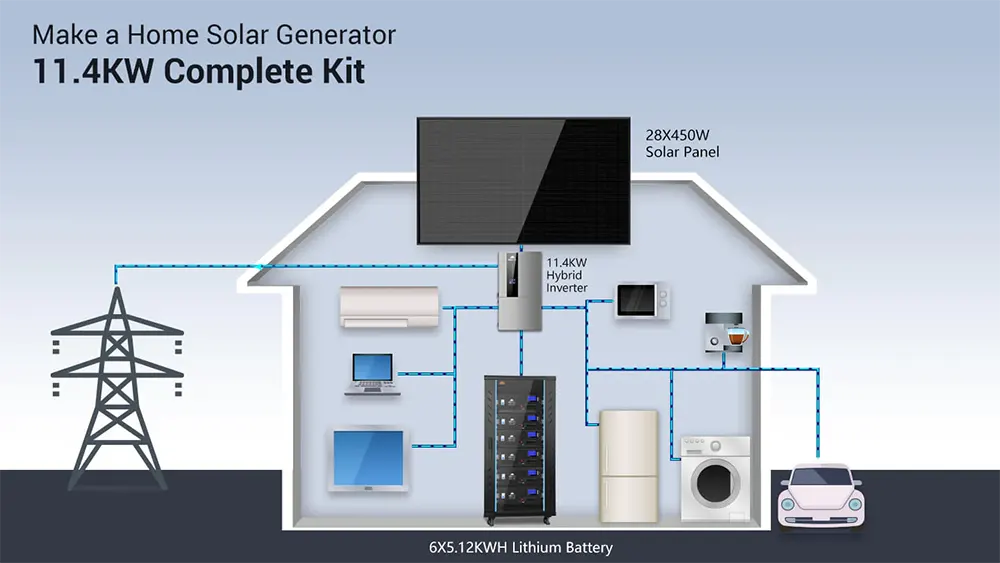
Think of a hybrid solar system as the Swiss Army knife of home energy solutions. It connects to the grid, generates power from the sun, stores excess energy in batteries for later use, and can even island your home during an outage.
This guide will walk you through everything you need to know about prices, components, and how to choose the best system for true energy independence.
What Exactly Is a Complete Hybrid Solar Kit?
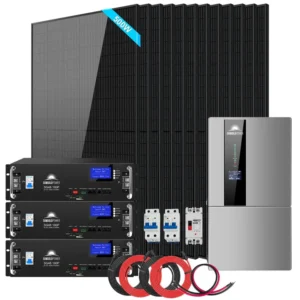
A complete hybrid solar kit is an all-in-one package that gives you the ability to generate, use, store, and even sell back electricity. Unlike basic grid-tie systems that stop working when the power goes out, a hybrid system with a battery gives you uninterrupted power.
These kits are designed to be flexible. You can:
- Sell excess energy back to the utility (a process called net metering).
- Use the grid to supplement your solar production or charge your batteries on cloudy days.
- Operate completely off-grid if you choose or if the grid fails.
The core idea is control. You’re no longer a passive consumer of electricity but an active manager of your own personal power plant.
Breaking Down the Cost: What You’ll Really Pay
Let’s talk numbers, because this is often the biggest question on everyone’s mind. The price tag can seem daunting at first glance, but when you break it down and consider the long-term savings and security, the picture changes dramatically.
1. The Total System Price Tag
A complete hybrid solar kit is an investment. You’re buying a decades-long solution to your energy needs. Here’s a realistic look at what you can expect to pay for different system sizes:
| System Size (Solar Capacity) | Typical Battery Storage | Estimated Total Cost (Before Incentives) | Primary Home Size |
|---|---|---|---|
| 4-5 kW System | 10 – 15 kWh | $18,000 – $25,000 | Small home or partial backup |
| 7-8 kW System | 20 – 30 kWh | $25,000 – $35,000 | Average-sized home |
| 10+ kW System | 30+ kWh | $35,000 – $50,000+ | Large home or full energy independence |
Important Note: These are approximate ranges for the equipment in a kit. Professional installation can add significantly to the final cost, though many kits are designed for confident DIYers to save on that expense.
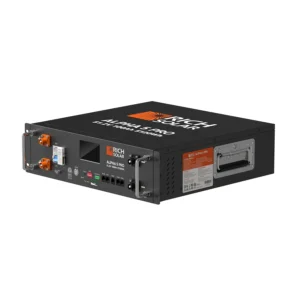
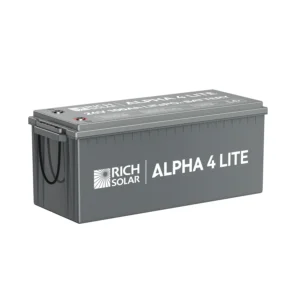
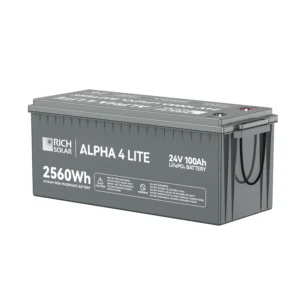
2. Complete Hybrid Solar Kits Cost Breakdown
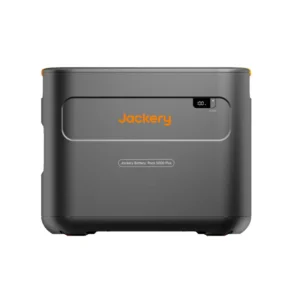
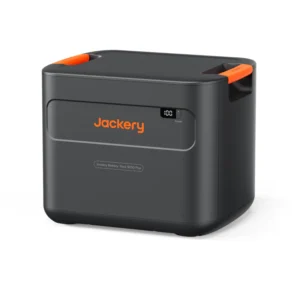
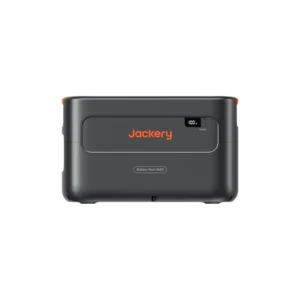
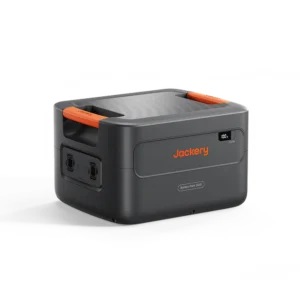
The battery is what transforms a standard solar system into a hybrid one, and it’s also the single most expensive component. On average, installing a solar battery costs about $11,000 after applying the federal tax credit for a typical 13.5 kWh unit (like a Tesla Powerwall).
- Panels (30–40%): High-efficiency panels cost more but generate more power long-term.
- Battery Storage (25–35%): Batteries are the most expensive part, but also the most valuable.
- Inverter & Electronics (15–20%): Hybrid inverters are more advanced than standard ones.
- Mounts, Wiring & Safety Gear (5–10%)
- Installation & Permits (Varies by location)
Your choice depends on your budget and needs—whether you just want to back up essential circuits or aim for whole-home backup.
3. Don’t Forget the Federal Solar Tax Credit
Here’s the best financial news: you can slash 30% off your total system cost—including the battery—with the federal Investment Tax Credit (ITC). However, you must act fast. This 30% credit is only available for systems installed by December 31, 2025 (Maybe extended). For a $30,000 system, that’s an instant $9,000 savings.
Anatomy of a Hybrid Solar Kit: What’s in the Box?
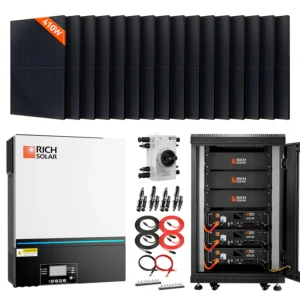
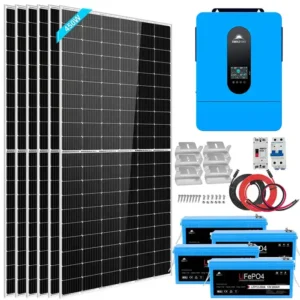
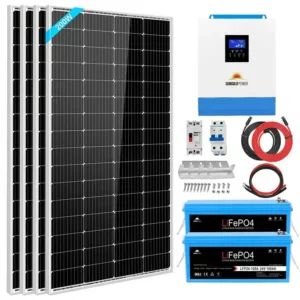
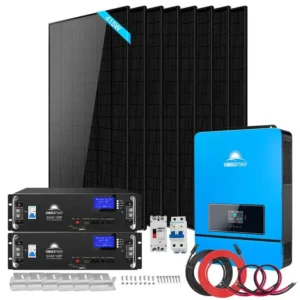
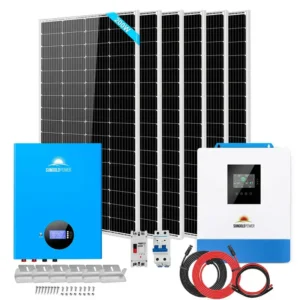
When you order a complete kit, you should get everything you need for a functioning system. Let’s pop open the box and see what makes it tick.
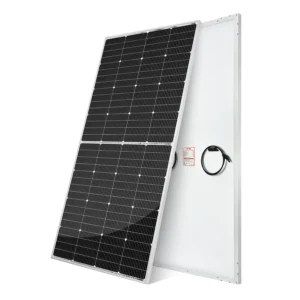
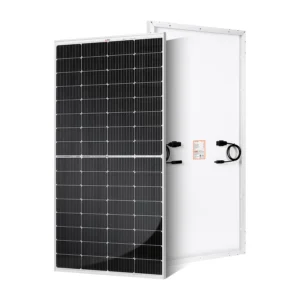
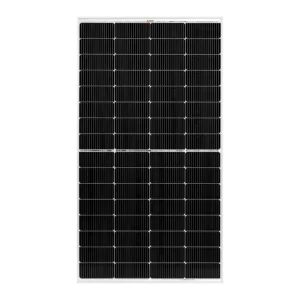
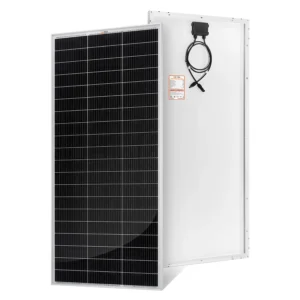
- Solar Panels: Your Personal Power Generators
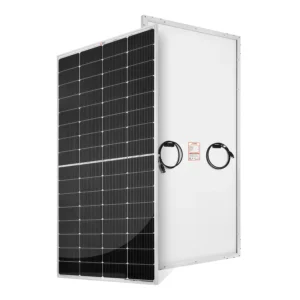
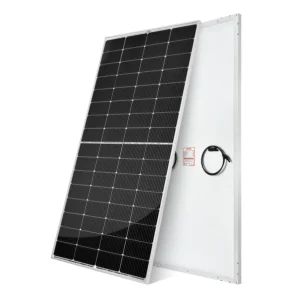
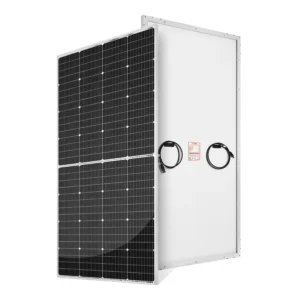
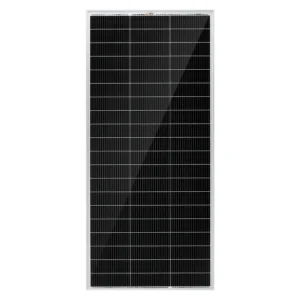
These are the workhorses that capture sunlight. Kits from reputable sellers include tier-1, high-efficiency panels from brands like Silfab, Canadian Solar, or REC, often with 25-30 year performance warranties. - The Hybrid Inverter: The Brain of the Operation
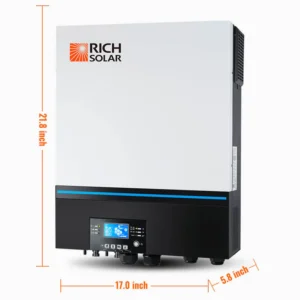
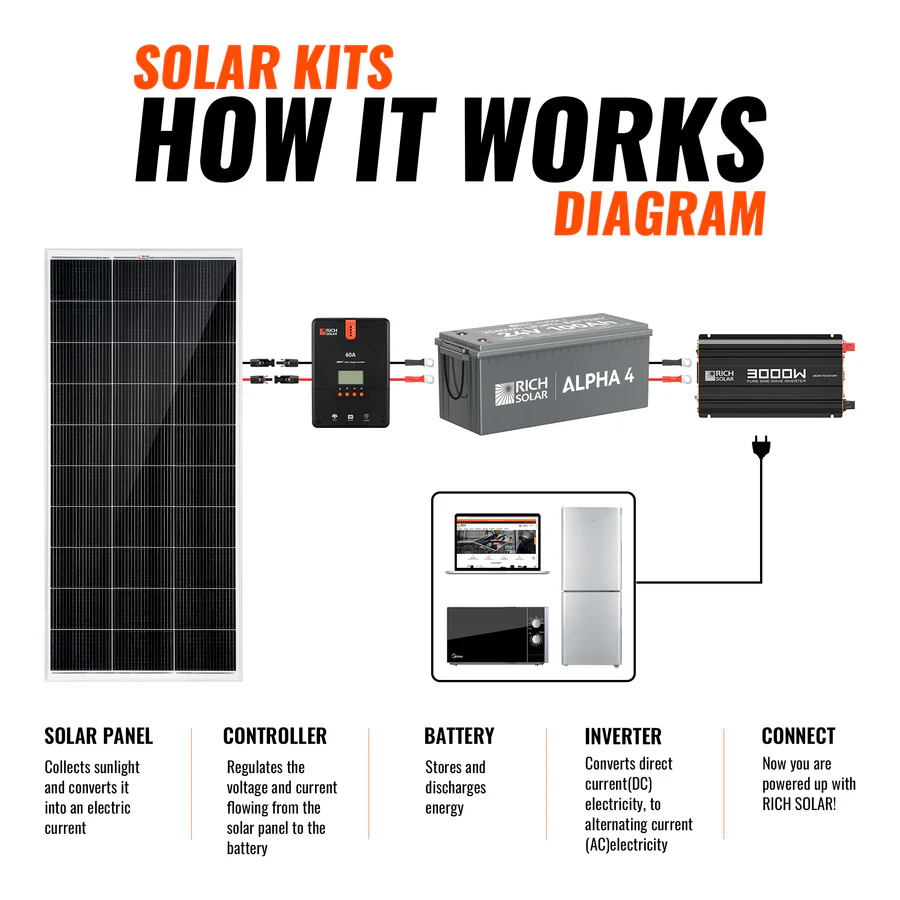
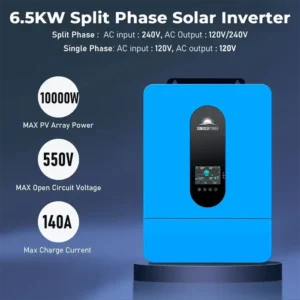
This is the most critical piece. A hybrid inverter does three jobs: it converts the DC electricity from your panels into usable AC for your home, manages charging and discharging of the battery bank, and seamlessly connects to (or isolates from) the grid. Brands like Sol-Ark, Rich Solar, and Sun Gold Power are leaders in this space. - Solar Battery Storage: Your Energy Insurance Policy
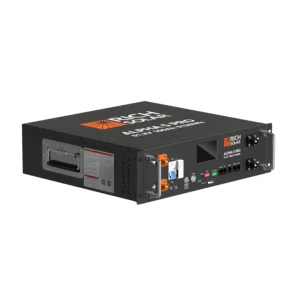
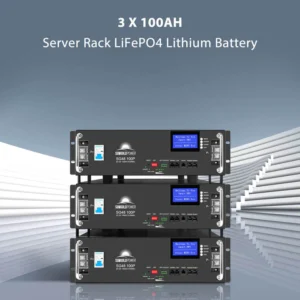
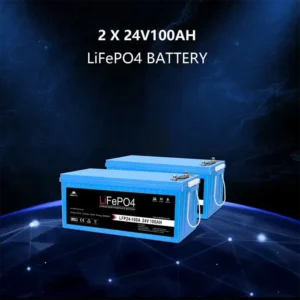
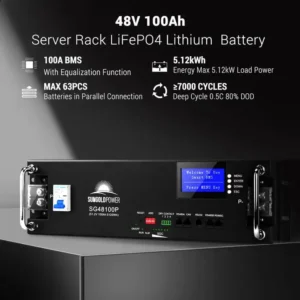
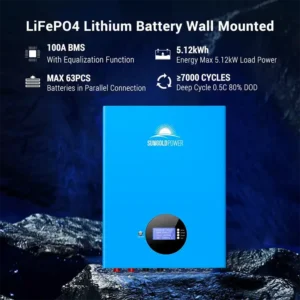
This is your reserve tank. Most kits now include lithium iron phosphate (LFP) batteries, which are known for safety, longevity, and efficiency. The size (measured in kWh) determines how long you can power your home when the sun isn’t shining. - Racking & Balance of System (BOS)
This includes all the mounting hardware for your roof or ground, wiring, conduits, disconnect switches, and a monitoring system that lets you track your production and consumption from your phone.
1. Complete Hybrid Solar Kits for Sale: What to Look For
Not all kits are created equal. Before you click “buy,” check for:
- Battery compatibility (expandable is best)
- Warranty (10–25 years is ideal)
- Local grid compliance
- Monitoring app quality
- Technical support availability
If a deal looks too cheap, it probably cuts corners somewhere.
2. Complete Solar Power Kits for Homes: Are They Worth It?
Short answer: yes – if you want energy independence.
Hybrid systems can:
- Reduce electricity bills
- Provide backup during outages
- Increase home value
- Protect against rising energy prices
Think of it as locking in your energy costs for the next 20–25 years.
3. Hybrid Solar System with Battery: How Much Storage Do You Need?
| Home Size | Recommended Battery |
|---|---|
| Small | 5–10 kWh |
| Medium | 10–20 kWh |
| Large | 20–40 kWh |
Hybrid Solar Kit Supplier
| Name | Price Range | Details |
|---|---|---|
| SunGoldPower | $5,774 – $31,853.00 | View Collections |
| Rich Solar | $7,999 – $25,99.99 | View Collections |
| ShopSolarKits | $2,539 – $149,989.99 | View Collections |
Complete Hybrid Solar Kits California: What’s Different?
If you’re in California, the rules of the game have changed, making hybrid systems more valuable than ever.
- The NEM 3.0 Effect
California’s new net metering policy, NEM 3.0, drastically reduced the credit homeowners get for sending excess solar to the grid. Now, the most economical use of your solar power is to use it yourself or store it. A hybrid system with a battery lets you capture every kilowatt-hour your panels produce instead of selling it for pennies on the dollar. - State Incentives Sweeten the Deal
California homeowners can stack the federal ITC with the state’s Self-Generation Incentive Program (SGIP). SGIP provides substantial rebates for adding battery storage, especially for those in high-fire-threat areas or with medical needs. This can knock thousands more off your upfront cost. - High Electricity Rates & Grid Reliability
With some of the highest electricity rates in the nation and a grid prone to Public Safety Power Shutoffs (PSPS), the financial payback and peace of mind from a hybrid system in California are significantly accelerated.
Making the Smart Choice: Is a Hybrid Kit Right for YOU?
A hybrid system is a powerful tool, but it’s not the perfect fit for every single homeowner. Let’s see if you’re in the sweet spot.
You Are the Perfect Candidate for a Hybrid Kit If:
- You experience frequent or long-lasting power outages.
- Your utility has poor net metering rates (like California’s NEM 3.0).
- You’re on a time-of-use rate plan and want to avoid peak pricing.
- You desire maximal energy independence and security.
- You have critical loads like medical equipment, a well pump, or a home office that cannot go down.
You Might Reconsider If:
- Your primary goal is the lowest upfront cost (a grid-tie system is cheaper).
- You rarely lose power and have favorable net metering.
- Your budget is extremely tight (though financing is widely available).
Common Mistakes to Avoid When Buying a Hybrid Solar Kit
- Buying too small a battery
- Ignoring future expansion
- Choosing unknown brands
- Skipping warranties
- Not checking local regulations
A little planning now saves a lot of regret later.
Conclusion: Taking Control of Your Energy Future
Complete Hybrid Solar Kits – Investing in a complete hybrid solar kit is about more than just saving money—though the long-term financial benefits are undeniable. It’s about security, resilience, and independence.
It’s the power to keep your family safe and comfortable during a blackout, the satisfaction of generating clean energy from your roof, and the smart financial move that locks in your energy costs for decades.
The technology is proven, the incentives are historically high (but expiring soon!), and the need for a stable, self-sufficient home has never been greater. Your journey to energy freedom starts with understanding your options. Use this guide as your roadmap, do your research, and take the first step toward a future where you are in control of your power.
If you want lower bills, backup power, and energy independence, complete hybrid solar kits are one of the smartest home upgrades you can make.
They’re flexible, future-proof, and designed for real-world living—not just perfect sunny days. Think of them as insurance against blackouts and rising energy costs, wrapped into one powerful system.
Once installed, you’ll wonder why you didn’t do it sooner.
FAQs About Complete Hybrid Solar Kits
- How long will the batteries in my hybrid system last?
Most quality lithium batteries come with a warranty guaranteeing they’ll retain about 70% of their storage capacity after 10-12 years. In practice, with proper care, they can often last 15-20 years, potentially outliving the warranty period. - Can I add a battery to my existing solar panel system?
Yes, this is called a retrofit. However, it’s usually more expensive and complex than installing solar and storage together from the start. You may need additional equipment, like a compatible inverter, and labor costs will be higher. - What’s the difference between a “critical loads” panel and backing up my whole house?
A critical loads panel is a separate electrical sub-panel that powers only your most essential circuits (refrigerator, lights, internet, etc.). Backing up these select circuits is far more affordable than powering an entire home, which requires a much larger and more expensive battery bank. - How long does it take for a hybrid solar system to pay for itself (the ROI)?
The payback period varies greatly. In states with high electricity rates and good incentives (like California), it can be as short as 5-8 years. In areas with low electricity costs, it might take 10-15 years. The ROI is also in the form of security and independence, which are harder to quantify. - Do I need special insurance for a home solar and battery system?
You should definitely notify your homeowners’ insurance provider after installation. In most cases, your system will be covered under your existing policy as a permanent attachment to your home, potentially increasing your home’s value. Some insurers may require a specific rider or have questions about the equipment’s safety certifications (like UL listing).
You Might Also Like