


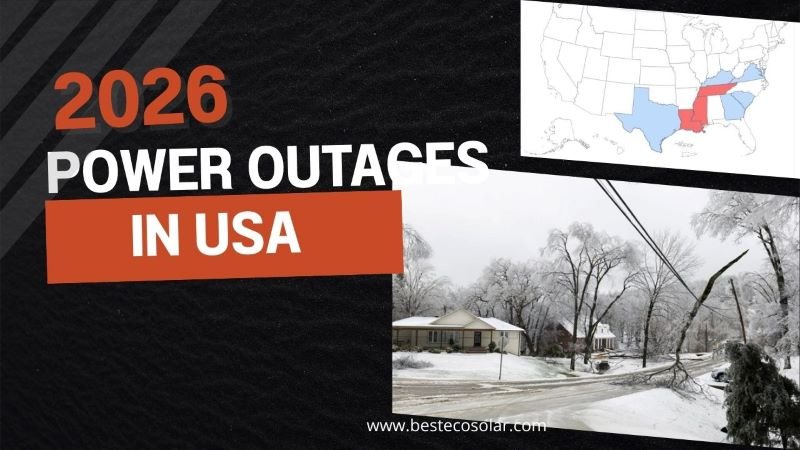
Power Outages 2026 in USA: The Winter Storm Crisis and America’s Fragile Grid
Imagine waking up to a silent, freezing house in the dead of winter. No hum of the furnace, no glow from the digital clock, just the creeping cold and the unsettling quiet. This isn’t a scene from a dystopian novel; it’s the reality for millions of Americans right now in January 2026.
Power Outages 2026 in USA – A massive winter storm named Fern has stretched across half the country, knocking out power to over a million homes and businesses and testing our national power grid like never before. But here’s the uncomfortable truth: this storm isn’t just a bad weather event. It’s a glaring spotlight on a system already pushed to its limits.
We’re facing a perfect storm of surging electricity demand, aging infrastructure, and a climate that’s becoming increasingly hostile. Let’s pull back the curtain on the 2026 power outage crisis and understand what it truly means for you.
Winter Storm Fern: The Immediate Crisis Unfolds
Right now, as you read this, utility crews are battling ice and sub-freezing temperatures across the South and Midwest. This is the frontline of the 2026 grid emergency.
1. The Icy Grip of a Historic Storm
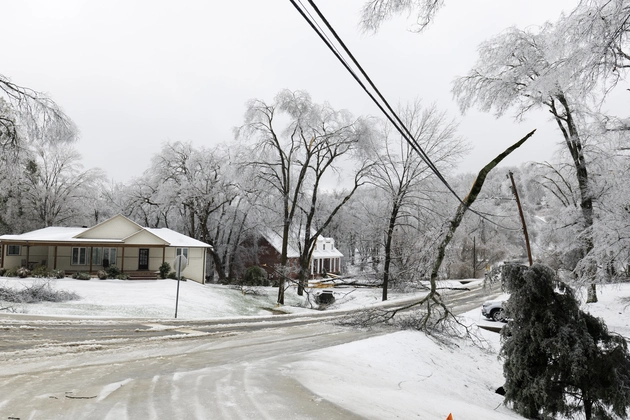
Winter Storm Fern isn’t your average snow day. It’s a “deadly combination” of sleet, snow, ice, and frigid air affecting 200 million people. The chief villain? Ice. Even a quarter-inch of ice can layer tree branches with exponentially more weight, causing them to snap and crash onto power lines.
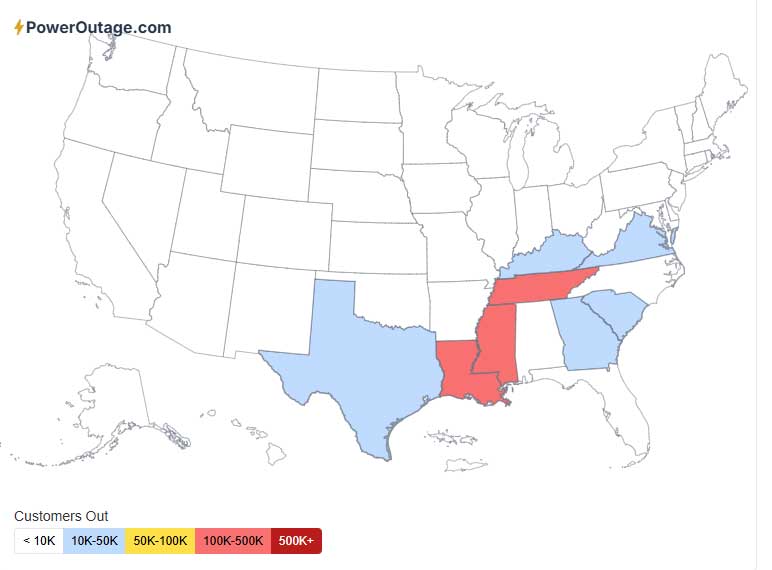
Half an inch can snap the wires themselves. This has led to catastrophic scenes, particularly in Tennessee, Mississippi, and Louisiana, which have borne the brunt of the initial outages. The situation is so severe that utilities have marshaled 63,000 workers from 43 states—a response comparable to a major hurricane.
2. A Nationwide Grid on Emergency Power
The federal government has declared this a national emergency. The U.S. Department of Energy has taken the extraordinary step of issuing emergency orders, invoking Section 202(c) of the Federal Power Act.
These orders allow grid operators in critical regions like New England and Texas to run all available power sources at maximum capacity, temporarily setting aside environmental rules to keep the lights on and prevent a catastrophic blackout. Energy Secretary Chris Wright stated the priority clearly: “maintaining affordable, reliable, and secure power… is non-negotiable”. This drastic action underscores the severity of the threat.
Beyond the Storm: The Deep-Rooted Causes of the 2026 Grid Crisis
While Fern is the match, the fuel for this crisis has been accumulating for years. Our grid is being squeezed from two sides: exploding demand and shrinking reliable supply.
1. The Unsustainable Surge in Electricity Demand
For years, U.S. electricity demand was flat. No longer. We are now experiencing the fastest growth since World War II. What’s driving this? Look no further than the digital revolution happening in our backyards. The race for artificial intelligence (AI), quantum computing, and advanced manufacturing is being won or lost on the foundation of abundant, reliable power.
Data centers—those massive, windowless buildings powering our cloud storage and AI chatbots—are energy gluttons. Their demand is expected to double in some regions over the next five years. In fact, data centers accounted for 4% of total U.S. power demand in 2025, and that number is skyrocketing.
This isn’t just a tech story; it hits home. A 2026 J.D. Power report found that 16% of utility customers already blame AI and data centers for their rising electric bills.

2. The Shrinking Cushion of “Always-On” Power
At the same time we’re demanding more power, the supply of reliable, “dispatchable” generation (power plants that can run 24/7, like natural gas, coal, and nuclear) is shrinking. A staggering 104 gigawatts of this firm’s capacity are scheduled to retire, with only 22 gigawatts planned to replace it.
Imagine a highway where the number of lanes is being reduced just as a wave of new mega-trucks (data centers) is merging onto the road. The result is a massive reliability gap. The Department of Energy has warned that if this trend continues, blackouts could increase by 100 times by 2030. The grid’s margin for error has all but vanished.
3. Aging Infrastructure Meets a More Violent Climate
Our power grid is fundamentally a 20th-century system. Its wires, poles, and substations are aging. Compounding this, extreme weather—supercharged by climate change—has become the dominant cause of outages. A full 83% of all outages are now weather-related.
Research shows that outages have been getting about 20% worse each year since 2019—lasting longer, affecting more people, and happening more frequently. Storms like Fern are no longer rare “acts of God”; they are the recurring context in which our grid must operate.
The Human and Economic Toll: More Than Just an Inconvenience
When the power goes out, the impacts ripple far beyond a dark room. The cost is measured in dollars, health, and stark inequality.
1. The Staggering Price Tag of Darkness
Power outages cost the U.S. economy an estimated $44 billion per year. But that number only scratches the surface. It often counts direct damage but misses the cascading effects: businesses shuttered, supply chains broken, life-saving medicines spoiled, and wages lost.
During events like Hurricanes Sandy and Harvey, surveyed business interruption losses were 800-900% higher than the physical property damage. For the average family, the pain is felt in the wallet. The average monthly electric bill hit a record $189 in 2025, a 34% increase since 2020. When the power fails, families aren’t just losing comfort; they’re losing money and security.
2. The Unequal Burden: Who Suffers Most?
Outages do not affect everyone equally. Research from the Union of Concerned Scientists reveals a heartbreaking pattern: communities with higher social vulnerability—often facing poverty, language barriers, or housing insecurity—experience more than twice as many long-duration outage days as the least vulnerable communities.
These prolonged blackouts turn a hardship into a crisis. It means older adults may lose access to powered medical equipment. It means families can’t keep food or lifesaving insulin cold. The grid, in its failure, mirrors and magnifies existing societal inequities.
Navigating the Crisis: From Government Action to Home Preparedness
In the face of this crisis, action is happening at every level, from federal emergency rooms to family living rooms.
1. Federal and Utility Responses: Scrambling for Stability
The government’s primary tool has been the emergency order, allowing maximum power generation. Utilities, for their part, have become massive logistical operations during storms. They engage in “mutual aid,” sending crews from states not in the storm’s path to disaster zones.
For Winter Storm Fern, this meant organizing tens of thousands of workers. They also engage in proactive communication, knowing that customer satisfaction scores are 52 points higher (on a 1000-point scale) when they provide timely, accurate outage information.
2. Your Personal Power Grid: A Household Preparedness Plan
You cannot control the national grid, but you can control your personal preparedness. Being ready transforms a scary emergency into a manageable situation. Here is a straightforward, two-tiered plan:
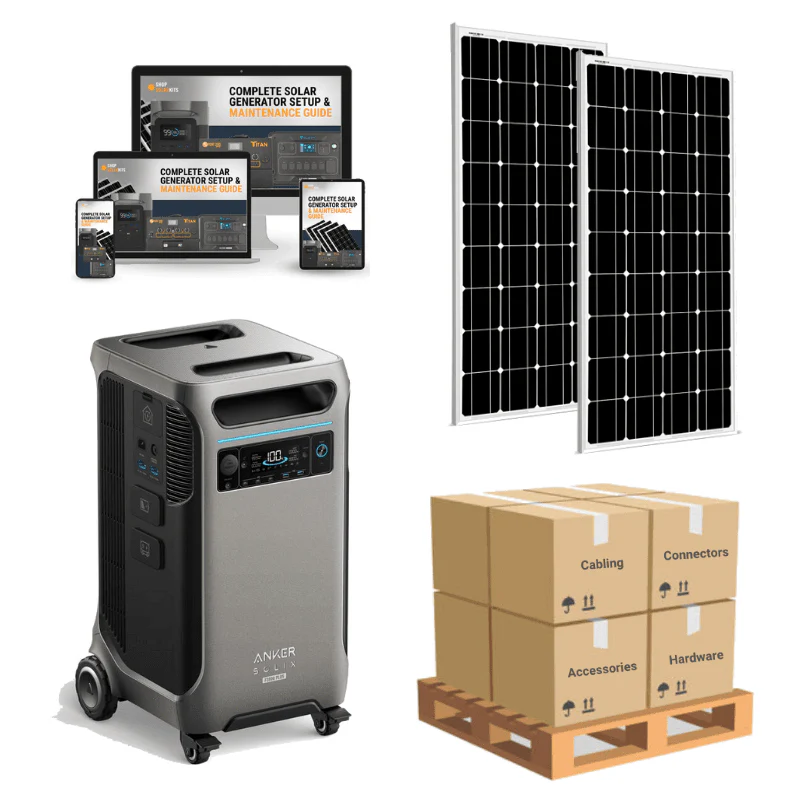
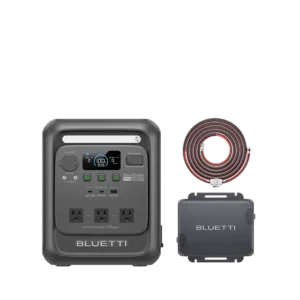
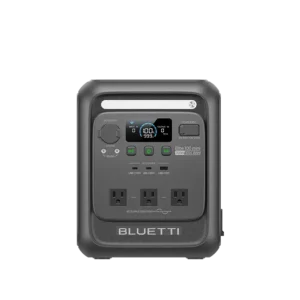
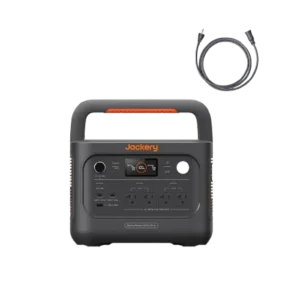
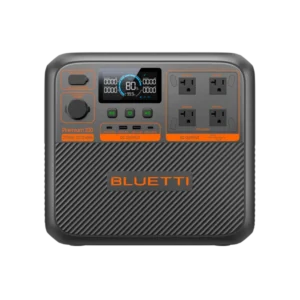
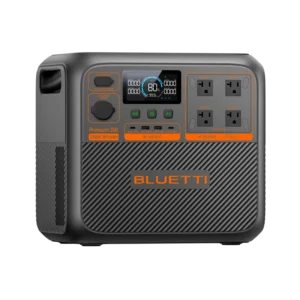
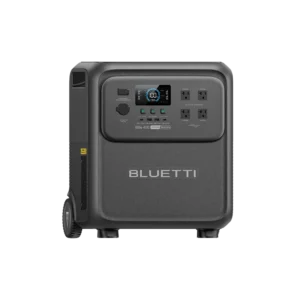
- Before the Outage (Your Resilience Kit): Assemble a kit that assumes power could be out for days, not hours. This should include a two-week supply of water (one gallon per person per day) and non-perishable food, flashlights (not candles!), a battery-powered or hand-crank radio, a first-aid kit, and a plan for charging phones (like portable power stations). Don’t forget backup power for medical devices and a supply of prescription medications.
- During the Outage (Safety First): The biggest dangers are carbon monoxide (CO) poisoning from generators used indoors, fire, and electrical shock. Never use a generator, camp stove, or grill inside your home or garage. Keep them at least 20 feet from windows. Use battery-powered CO detectors. Keep fridge and freezer doors closed; a full freezer can stay cold for 48 hours.
3. Where to Find Reliable Information
During an outage, good information is power. Your first stop should be your local utility’s outage map, which provides the most specific restoration estimates. For a bigger picture, aggregated sites like PowerOutage.us collect data from over 1,000 utilities, showing state-wide and national impacts.
| Cause Category | Examples | Key Characteristics | Primary Impact |
|---|---|---|---|
| Extreme Weather | Ice storms, hurricanes, derechos, heatwaves | Widespread causes physical damage to infrastructure, increasing in frequency/severity. | 83% of all outages; long restoration times. |
| Soaring Demand & Supply Shortfalls | Data center growth, peak demand events, and power plant retirements | Strains grid capacity, which can lead to controlled “rolling blackouts” or system collapse. | Root of chronic reliability gap; threat of 100x more blackouts by 2030. |
| Localized Failures | Falling trees (non-storm), animal contact (squirrels!), car accidents, equipment failure | Random, localized, can happen anytime, regardless of the weather. | Affects neighborhoods or blocks; highlights the need for individual preparedness. |
Individual Preparedness: A Practical Guide to Outage Preparedness
Look, we can’t single-handedly upgrade the national grid or stop a winter storm. But what we can do is build resilience right where we live. Think of it not as preparing for doom, but as building your own “personal power grid”—a fortress of self-reliance that turns a chaotic crisis into a manageable, even boring, inconvenience. Let’s break this down into practical, tiered steps.
| Preparedness Tier | Key Investments | Goal |
|---|---|---|
| The Foundation (72-Hr Kit) | Water, non-perishable food, flashlights/batteries, a radio, and a first-aid kit. | Basic safety & survival for a short-term outage. |
| Level Up (Week+ Resilience) | Portable power station, alternative cooking (camp stove), cash reserve, and sanitation supplies. | Sustained comfort & capability for a prolonged grid failure. |
| Digital Audit | Document scans, offline contact list, utility app setup. | Maintain information access & communication when networks are down. |
The Path Forward: Building a Grid for the 21st Century
Is this our new normal? It doesn’t have to be. The solutions exist, but they require vision and investment.
1. Modernizing the Physical Grid
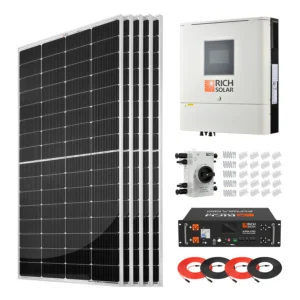
We must harden our infrastructure. This means burying power lines where feasible, strengthening poles and wires, and trimming trees more aggressively. Utilities like Exelon are investing billions in such modernization projects. Furthermore, we need to build a more decentralized and flexible system.
This includes microgrids (localized grids that can disconnect and operate independently) and pairing renewable energy with large-scale battery storage. These technologies can keep critical facilities—hospitals, fire stations, community centers—online even when the main grid fails.
2. Policy, Planning, and Equity
We need smarter governance that bridges the gap between federal oversight and state regulation, especially for connecting massive new data center loads.
Most critically, equity must be baked into resilience planning. Investments in grid hardening and microgrids should be prioritized for the communities that have historically suffered the longest outages. Resilience cannot be a luxury product.
Conclusion: A Wake-Up Call in the Dark
Power Outages 2026 in USA – The widespread power outages of 2026, triggered by Winter Storm Fern but fueled by deeper structural flaws, are a deafening wake-up call. We are trying to run a digital, AI-driven economy on an analog, patchwork grid amidst a changing climate. The consequences are measured in billions of dollars, and more importantly, in the health and safety of our most vulnerable neighbors.
The path to a resilient future is clear: it requires massive investment in modernizing our infrastructure, deploying smart and flexible technologies, and making intentional choices to ensure reliability for everyone—not just those who can afford a backup generator. The question is no longer if another major outage will occur, but whether we will use this moment in the dark to finally see the light and build a grid worthy of the nation it powers.

FAQs: Your Power Outage Questions Answered
- What should I do first when the power goes out in winter?
Check if it’s just your home or a wider outage (look for neighbors’ lights or check your utility’s app). Then, report the outage to your utility. Preserve heat by closing off unused rooms and gathering everyone in a central location. If you have a generator, set it up outdoors, well away from windows. - How are data centers really affecting my electricity bill and reliability?
Data centers are massive, 24/7 consumers of power. Their explosive growth is a primary driver of surging national electricity demand. While they may not be the sole reason for your higher bill, they force utilities to secure more expensive power and build new infrastructure, costs that are often passed on to all customers. Their concentrated demand also puts acute stress on local grids, increasing the risk of outages. - My community always seems to lose power first and get it back last. Is that just bad luck?
Unfortunately, it’s likely not luck. Studies consistently show that socially vulnerable communities experience longer and more frequent outages. This can be due to older infrastructure in the area, fewer political resources to demand prioritization, or the complexity of restoring dense, urban networks. It’s a documented issue of energy equity. - What’s the single most important item for outage preparedness?
A reliable source of light (multiple flashlights with extra batteries) is crucial for safety and morale. However, for longer outages, a portable power station (solar or battery-powered) has become a game-changer for keeping phones, medical devices, and even a small heater or fridge running. - The government issued an “emergency order.” What does that actually mean?
Under the Federal Power Act, the Secretary of Energy can temporarily override certain regulations (like pollution limits or operating permits) to allow power plants to generate maximum electricity during a grid emergency. It’s a legal “all hands on deck” order to prevent a cascading blackout, acknowledging that the short-term risk of no power outweighs other concerns.
You Might Also Like