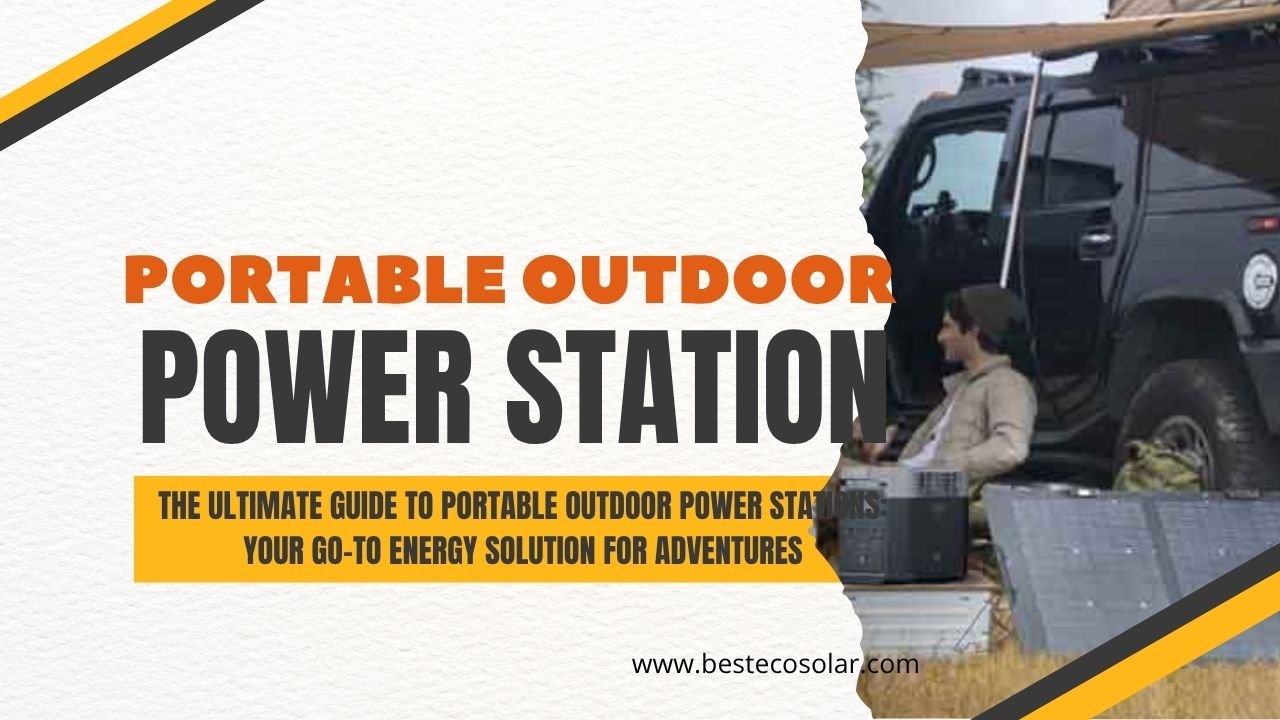
The Ultimate Guide to Portable Outdoor Power Stations: Your Go-To Energy Solution for Adventures
Portable Outdoor Power Station – Ever been stuck in the middle of nowhere with a dead phone or a dying camping fridge? A portable outdoor power station is your modern-day energy lifesaver! Whether you’re camping, RVing, or prepping for emergencies, these compact power hubs keep your gadgets running without the noise and fumes of traditional generators.
But with so many options in 2025, how do you pick the right one? Let’s break it all down—features, benefits, top models, and must-know buying tips.
What Is a Portable Outdoor Power Station?
A portable power station is essentially a giant rechargeable battery pack designed for outdoor use. Unlike noisy gas generators, these sleek, lightweight units provide silent, emission-free power for your devices.
How Does It Work?
Think of it like a supersized power bank—but instead of just charging phones, it can power mini-fridges, CPAP machines, drones, and even small appliances! At its core, a portable power station uses lithium-ion batteries to store energy. You can charge it using solar panels, a wall outlet, or even your car’s battery. Once charged, it can provide power through various outlets, including AC, DC, and USB ports. It’s like having a mini power plant right in your backpack!
Most models recharge via:
- Solar panels (eco-friendly & off-grid)
- Wall outlets (fast charging at home)
- Car chargers (on-the-go refueling)

Why You Need a Portable Outdoor Power Station?
Still on the fence? Here’s why these gadgets are a game-changer:
1. Perfect for Camping & Outdoor Adventures
Imagine you’re out camping, and your phone battery is running low. With a portable power station, you can easily charge your devices without having to trek back to civilization. It’s convenience at its finest! No more rationing phone battery! Power your:
- LED lights
- Portable fans
- Electric grills
- Camera gear
2. Emergency Backup Power
With extreme weather events rising, having a solar-powered power station means you’re never left in the dark during blackouts. Power outages can happen at any time. Having a portable power station means you’re prepared for emergencies. You can keep essential devices charged, ensuring you stay connected and safe.


3. Eco-Friendly Energy Source
Many portable power stations can be charged using solar panels, making them an eco-friendly option. You can harness the sun’s energy to power your devices, reducing your carbon footprint while enjoying the great outdoors. Zero emissions + solar compatibility = guilt-free energy!
4. Versatility for Various Activities
Whether you’re camping, tailgating, or hosting a backyard barbecue, a portable power station can power lights, speakers, and even small appliances. It’s the ultimate versatile companion for any outdoor activity.
Key Features to Look for
Not all power stations are created equal. Here’s what matters most:
- Battery Capacity (Wh – Watt-hours)
- Small (150- 300Wh): Phones, laptops, lights
- Medium (500- 1000Wh): Mini-fridges, CPAP machines
- Large (1000Wh+): Power tools, RVs, emergency backup
- Output Ports (AC, USB, DC, etc.)
More ports = more flexibility. Look for:- USB-C PD (Fast charging)
- AC outlets (for appliances)
- 12V carport (for car gadgets)
- Solar Charging Compatibility
A solar-ready power station lets you harness free energy—ideal for off-grid trips. - Weight & Portability
If you’re backpacking, a lightweight power bank (under 10 lbs) is best. For RVs, capacity > weight. - Battery Type (LiFePO4 vs. Lithium-Ion)
- LiFePO4: Longer lifespan (3,000+ cycles), safer, but pricier.
- Lithium-Ion: Lighter, cheaper, but degrades faster.
Choosing the Right Portable Outdoor Power Station
With so many options on the market, how do you choose the right one? Here are some key factors to consider:
- Battery Capacity
Battery capacity is measured in watt-hours (Wh). The higher the capacity, the more devices you can power and for longer periods. For example, a 500Wh power station can run a 50W device for about 10 hours. - Output Ports
Check the types and number of output ports available. Look for a mix of AC, DC, and USB ports to ensure you can charge all your devices. Some models even come with wireless charging pads! - Weight and Portability
If you’re planning to carry it on hikes or camping trips, weight matters. Look for a lightweight model that’s easy to transport without sacrificing power. - Charging Options
Consider how you’ll charge the power station. Models that can be charged via solar panels offer great flexibility, especially for extended outdoor trips. - Price and Warranty
Prices can vary widely, so set a budget. Don’t forget to check the warranty; a good warranty can provide peace of mind for your investment.


Top 5 Portable Outdoor Power Stations
- Jackery Explorer 1000 Plus (Best All-Rounder)
- Capacity: 1264Wh
- Solar-Ready: Yes (fast solar charging)
- Weight: 32 lbs
- Perfect For: Camping, emergencies, RVs
- BLUETTI Elite 200 V2 (Best for Heavy-Duty Use)
- Capacity: 2,073.6Wh
- Lifting Power: 3,900W
- Weight: 53.4 lbs
- Ideal For: Off-grid cabins, long trips
- EcoFlow RIVER 3 Plus (Best Lightweight Option)
- Capacity: 286Wh
- Weight: 10.4 lbs
- Fast Charging: 0-80% in 1 hour
- Great For: Backpacking, festivals
- Goal Zero Yeti 500X (Best for Solar Enthusiasts)
- Capacity: 505Wh
- Solar Input: High efficiency
- Weight: 12.9 lbs
- Best For: Eco-conscious travelers
- Anker PowerHouse 767 (Best for Tech Lovers)
- Capacity: 2048Wh
- Smart App Control: Monitor via phone
- Weight: 67.3 lbs
- Top Pick: Gadget-heavy adventurers


How to Choose the Right One for Your Needs
Still unsure? Ask yourself:
- What Will You Power?
- Small devices? Go for 300- 500Wh.
- Appliances? 1000Wh+.
- How Often Will You Use It?
Frequent use? LiFePO4 batteries last longer. - Do You Need Solar Charging?
Off-grid? Prioritize high solar input models.

How to Use a Portable Outdoor Power Station
Using a portable power station is straightforward, but here are some tips to maximize its efficiency:
- Fully Charge Before Use
Always charge your power station fully before heading out. This ensures you have enough power for your devices. - Monitor Battery Levels
Keep an eye on the battery levels while using it. Most models come with a display that shows how much power is left. - Use Energy-Efficient Devices
To extend the life of your power station, use energy-efficient devices. LED lights and low-wattage appliances can help you get the most out of your power. - Charge While in Use
If possible, charge your power station while using it. This is especially useful for longer trips where you might need continuous power.
Maintenance & Safety Tips
Want your power station to last? Follow these tips:
- Avoid extreme temperatures (heat kills batteries).
- Recharge every 3 months if storing long-term.
- Use compatible solar panels for the best efficiency.
- Clean the Ports – Dust and debris can accumulate in the ports. Regularly clean them to ensure a good connection when charging devices.
Common Misconceptions About Portable Outdoor Power Stations
- They’re Only for Camping
While they’re great for camping, portable power stations can be used for a variety of activities, including road trips, tailgating, and even at home during power outages. - They’re Too Expensive
While some models can be pricey, there are budget-friendly options available. It’s all about finding the right balance between price and features. - They Don’t Last Long
With proper care and usage, a portable power station can last for years. Just like any battery, regular maintenance and mindful usage can extend its lifespan.
Future of Portable Power Stations (2025 & Beyond)
Expect:
- Faster solar charging (under 1 hour!).
- AI-powered energy management.
- Even lighter, more durable designs.
Conclusion
A portable outdoor power station is more than just a gadget; it’s a game-changer for anyone who loves the outdoors or wants to be prepared for emergencies. With the right knowledge and a bit of research, you can find the perfect power station to suit your needs.
A portable outdoor power station is no longer a luxury—it’s a must-have for campers, travelers, and emergency preppers. Whether you need a compact solar charger or a heavy-duty RV battery, 2025’s models offer unbeatable convenience, efficiency, and eco-friendliness.
So, whether you’re planning your next camping trip or just want to be ready for whatever life throws your way, investing in a portable power station is a smart move.
Got questions? Check out the FAQs below!
FAQs
- How long does a portable power station last?
Most last 500-3,000 charge cycles, with LiFePO4 models offering the longest lifespan. - Can I use a power station while charging it?
Yes! Many support pass-through charging, so you can use and charge simultaneously. - Are solar-powered stations worth it?
Absolutely! They’re perfect for off-grid adventures and emergencies. - What’s the lightest portable power station?
Models like the EcoFlow River 2 (under 20 lbs) are ideal for backpacking. - Can a power station run a refrigerator?
Yes—but check the wattage requirements. Most 1000Wh+ units can handle mini-fridges.
You Might Also Like