



LiFePO4 Power Stations Explained: Best Brands, Pros, Cons, and Real-World Performance
LiFePO4 power stations are safer, last longer, and handle daily use better than traditional lithium-ion models. Brands like EcoFlow, Anker, and newer Jackery Plus units use LiFePO4 batteries because they can last over 10 years with thousands of charge cycles.
Confused about LiFePO4 Power Stations? You’re not alone. With terms like “lithium-ion,” “LFP,” and “NMC” being tossed around by brands like Jackery and EcoFlow, it’s easy to feel lost. Whether you’re powering a fridge on a camping trip, looking for home backup power, or just want to understand what you’re buying, this guide cuts through the noise.
We’ll answer your biggest questions: Which brands actually use this safer technology? What are the real trade-offs? And how can you make your battery last for years? Let’s plug in and find out.
What is LiFePO4 and Why Should You Care?
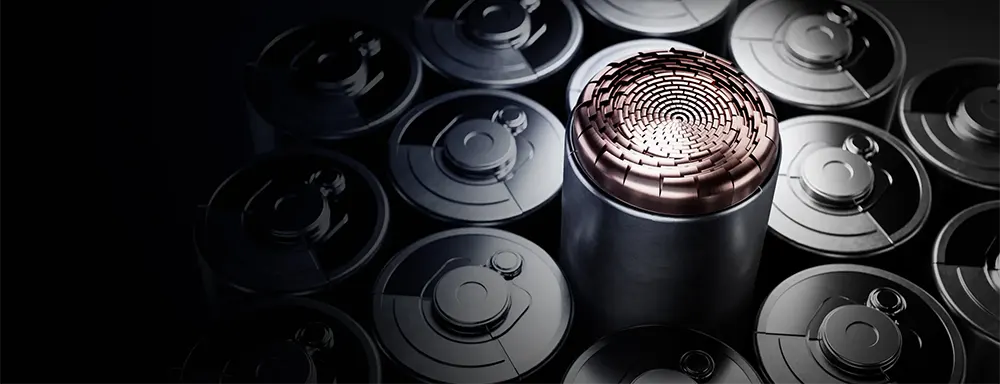
LiFePO4 stands for Lithium Iron Phosphate. Think of it as the reliable, safety-conscious cousin in the lithium battery family. While other types (like the common NMC in phones) pack more energy into a smaller space, LiFePO4 excels in safety and longevity. Its chemical structure is inherently more stable, making it far more resistant to overheating and potential fire hazards. For a power station that might sit in your RV, garage, or tent, that peace of mind is priceless.
The core advantage you’ll hear about is cycle life. While a typical lithium-ion battery might be rated for 500-1000 full cycles, a quality LiFePO4 battery can often handle 3000 to 6000 cycles before its capacity drops to 80%. This translates to years, even decades, of daily use, which completely changes the long-term value proposition.

Major manufacturers didn’t switch to LiFePO4 by accident. The chemistry’s stable iron-phosphate cathode dramatically reduces overheating risk and extends cycle life. This is why companies like Tesla, EcoFlow, and Anker have adopted LiFePO4 for products designed for frequent, long-term use.
LiFePO4 Power Stations vs. Other Lithium-Ion: The Real Trade-Off
So, which is better? It’s not a simple answer—it’s about choosing the right tool for the job.
- Energy Density: This is where standard lithium-ion (like NMC) wins. They pack more watt-hours into a smaller, lighter package. This is ideal for phones, laptops, and drones where weight is critical.
- Safety & Lifespan: This is LiFePO4’s domain. Its superior thermal stability and vastly longer cycle life make it the champion for applications where the battery is a long-term investment: solar power storage, RV house batteries, home backup systems, and frequently used portable power stations.
- Cost: Initially, LiFePO4 often carries a higher price tag. However, when you divide that cost over its potentially 10+ year lifespan, the “cost per cycle” is usually much lower, making it more economical in the long run.
Read: Power Station Battery Evolution – From Lead-Acid to AI
A Quick Comparison
| Feature | LiFePO4 (LFP) | Common Lithium-Ion (e.g., NMC) | Winner for… |
|---|---|---|---|
| Safety & Stability | Excellent. Very stable chemistry. | Good, but more sensitive to stress. | LiFePO4 (Home, RV use) |
| Cycle Life | Very High (3,000 – 6,000+ cycles) | Moderate (500 – 1,500 cycles) | LiFePO4 |
| Energy Density | Lower (Bulkier for the same capacity) | Higher (More compact) | Lithium-Ion (Portable electronics) |
| Cold Weather Performance | Better discharge performance in cold. | Can be more adversely affected. | LiFePO4 |
| Cost | Higher upfront cost. | Lower upfront cost. | Lithium-Ion (Budget/short-term) |
Power Station Spotlight: Which Brands Use LiFePO4?
After testing and researching portable power stations across different battery chemistries, one thing becomes clear: LiFePO4 systems age far more gracefully. Units with lithium-ion batteries often show noticeable capacity loss within a few years, while LiFePO4 models continue delivering consistent performance even after hundreds of cycles.
1. EcoFlow and LiFePO4
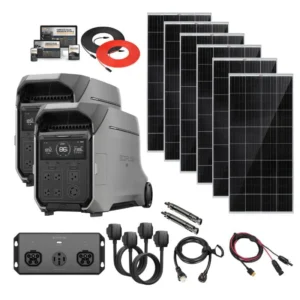
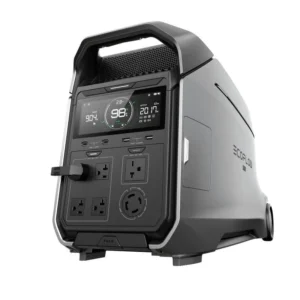
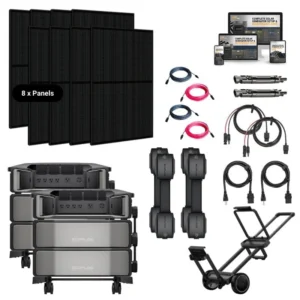
Yes, EcoFlow uses LiFePO4 batteries extensively. They’ve embraced the technology across key product lines. Their popular DELTA 2 portable power station features an LFP battery rated for 3000+ cycles. More significantly, EcoFlow sells standalone LiFePO4 batteries, like their 12V 100Ah deep cycle model, designed as a direct upgrade for RVs and off-grid systems. This battery boasts a 6000-cycle life at 80% depth of discharge and can be expanded into a large system.
Read: Delta Pro Ultra X Review: Whole Home Backup
EcoFlow LiFePO4 models include:
- DELTA 2
- DELTA Max (new generation)
- DELTA Pro
- RIVER 2 Series
EcoFlow moved away from standard lithium-ion due to safety concerns and customer demand for longer battery life.
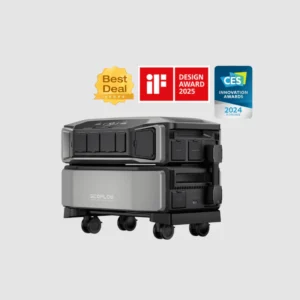
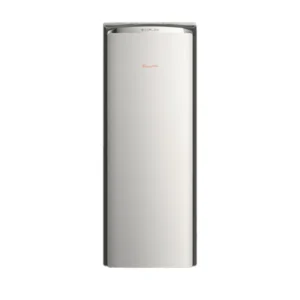
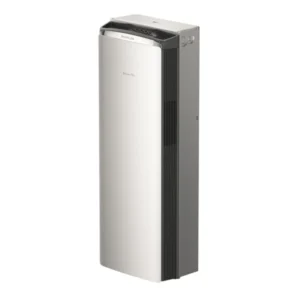
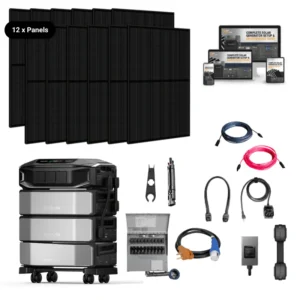
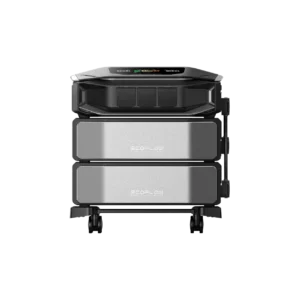
👉 Grab Special Offers From EcoFlow This Month (Limited Time Offers)
2. Jackery and LiFePO4
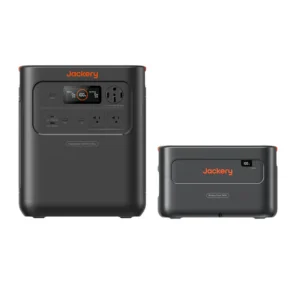
Does Jackery have LiFePO4? Yes, but selectively. Jackery has introduced LiFePO4 (which they market as LFP) batteries into specific newer product lines. It’s important to check the specifications of the model you’re considering. For example, the Jackery Explorer 1000 historically used an NMC lithium-ion battery, but Jackery now offers LFP versions in other models. Always verify the battery chemistry in the tech specs before you buy if this is a priority for you.
Which Jackery Has LiFePO4?
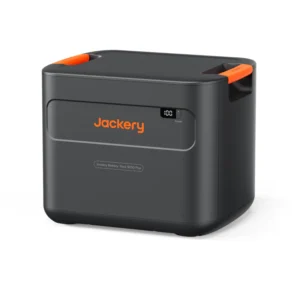
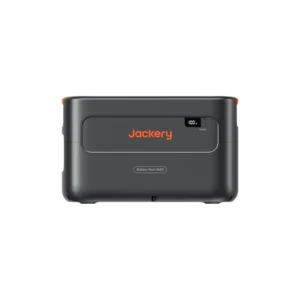
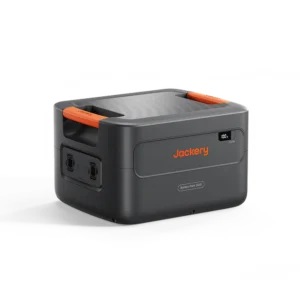
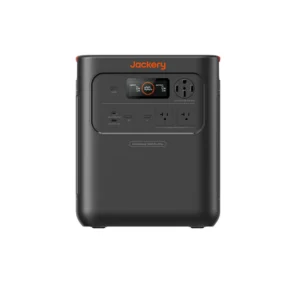
Jackery uses LiFePO4 in its Plus Series, including:
What Type of Battery Is in Older Jackery Models?
Older models like:
- Jackery Explorer 1000
- Jackery Explorer 500
Still use NMC lithium-ion, not LiFePO4.
Yes, Jackery does have LiFePO4, but only in newer models.
Read: Jackery Explorer 600 v2 Review
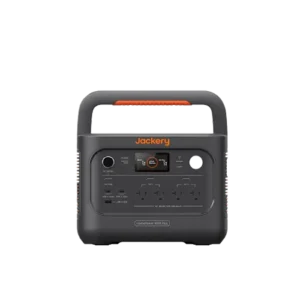
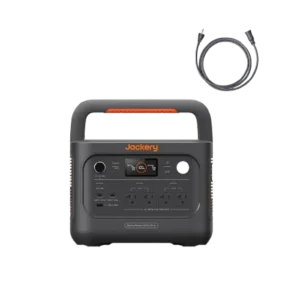
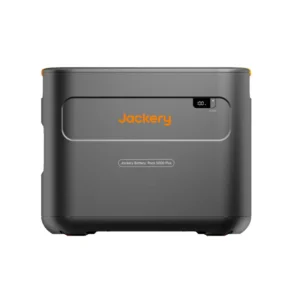

👉 Exclusive Offers From Jackery
3. Anker Power Stations
Anker is fully committed to LiFePO4.
Popular models include:
Anker markets durability and safety heavily, and LiFePO4 fits that strategy perfectly.
4. Other Major Players
- Anker: Reliable technology and intuitive designs give you the power to take control of your energy needs.
- Bluetti: As a technology pioneer in clean energy, BLUETTI is committed to a sustainable future by providing green energy storage solutions for both indoor and outdoor use.
- Goal Zero: Their Yeti series now includes compact power stations specifically built with LiFePO4 battery technology and weather resistance for outdoor adventures.
- ALLPOWERS: They offer a range of portable power stations that utilize LiFePO4 batteries, highlighting their safety for indoor use and long lifespan.
5. Brand Comparison: Anker vs. Jackery
This common question goes beyond battery chemistry. Anker’s power stations (like the Anker Solix series) often emphasize smart features, app control, and competitive pricing, with many now using LiFePO4. Jackery built its reputation on reliability, a simple user experience, and a strong solar generator ecosystem.
Short answer: Anker wins on battery tech.
Why Anker Often Comes Out Ahead
- Uses LiFePO4 across more models
- Higher cycle life
- Better thermal management
Jackery still shines in simplicity and beginner friendliness, but if longevity matters, Anker takes the lead.
When comparing, look beyond the brand name: compare specific models based on capacity (Wh), output power (W), battery chemistry (LiFePO4 vs. NMC), and included features like charging speed.
Practical Performance: Runtime, Lifespan, and Real-World Use
Let’s translate those specs into real-life scenarios.
1. How long will a 12V fridge run on a 100Ah lithium battery?
This is a classic camping question. A 100Ah LiFePO4 battery (like the EcoFlow model) holds about 1280 watt-hours (Wh) of energy. A typical efficient 12V camping fridge might draw an average of 40 watts. To calculate runtime: 1280Wh ÷ 40W = 32 hours. However, this is an ideal estimate. Actual runtime depends on:
- The fridge’s real-world power consumption.
- The external ambient temperature (a hotter day means the fridge works harder).
- How often do you open it?
As a best practice, never plan to use 100% of the battery. Keeping discharge above 20% capacity is better for its long-term health.

2. How many years do LiFePO4 batteries last? Can they last 20 years?
This is where marketing meets reality. A battery rated for 6000 cycles could theoretically last over 16 years if cycled once per day. However, “cycle life” is just one factor. The other is “calendar life,” or how long the battery lasts due to age alone, regardless of use.
- Realistic Expectation: With good care, a quality LiFePO4 battery can provide reliable service for 10-15 years.
- The 20-Year Dream: While possible under perfect, minimal-use laboratory conditions, it’s not a guarantee for daily use. Degradation is slowed, not stopped, by the robust chemistry.
3. Is it bad to keep LiFePO4 batteries fully charged?
Here’s a key advantage: LiFePO4 batteries are much more tolerant than other types. Unlike lead-acid batteries, you don’t have to disconnect them the moment they’re full, thanks to the Battery Management System (BMS) that manages charging.
However, for long-term storage (think months), the ideal practice is to charge or discharge the battery to about 50-60% before storing it in a cool, dry place. Storing at 100% charge for extended periods, especially in heat, can still contribute to gradual, long-term capacity loss.
| Question | LiFePO4 | Lithium-Ion |
|---|---|---|
| Best for daily use? | ✅ Yes | ❌ No |
| Lifespan (years) | 10–15 | 3–6 |
| Safety indoors | Very high | Moderate |
| Solar compatibility | Excellent | Good |
| Weight | Heavier | Lighter |
| Upfront cost | Higher | Lower |
| Long-term value | ✅ Excellent | ❌ Limited |
Understanding the Downsides and Dangers
No technology is perfect. Knowing the disadvantages helps you manage expectations and use your gear correctly.
1. Which Is Better: LiFePO4 or Lithium-Ion?
This depends on how you use your power station.
LiFePO4 Is Better If You Want:
- Long lifespan (3,000–6,000 cycles)
- Maximum safety
- Daily or frequent use
Lithium-Ion Is Better If You Want:
- Lighter weight
- Compact design
- Occasional use
If you’re powering essentials or going off-grid, LiFePO4 is the smarter long-term choice.
2. What are the disadvantages of LiFePO4 batteries?
- Higher Initial Cost: You pay more upfront compared to lead-acid or some generic lithium-ion packs.
- Lower Energy Density: For a given capacity, a LiFePO4 battery will be heavier and bulkier than an NMC lithium-ion battery. This is the trade-off for safety and lifespan.
- Temperature Sensitivity (Especially Charging): While they perform well in a wide range of temperatures, they cannot be charged safely below freezing (0°C/32°F) without a built-in heater. The BMS should prevent charging in this state to avoid damage.
3. What are the dangers of LiFePO4 batteries?
The term “danger” is relative. Compared to other batteries, LiFePO4 is significantly safer. The main risks come from misuse:
- Using an Incompatible Charger: This is the #1 user-caused risk.
- Physical Damage: Puncturing or crushing any battery is dangerous.
- Water Intrusion: Unless specifically rated (like IP65), submerging a power station can cause short circuits.
- Extreme Temperatures: Placing the unit next to a heater or in direct, scorching sun can stress the BMS and components.
Essential Care and Troubleshooting
1. Do I need a special charger for a LiFePO4 battery?
Yes, this is critical. LiFePO4 batteries require a very specific charging voltage profile (typically 14.4V – 14.6V for a 12V battery). Using a charger designed for lead-acid, AGM, or other lithium types can undercharge or overcharge the battery, leading to poor performance, reduced lifespan, or safety hazards.
Can I use a regular battery charger? As a temporary, closely monitored solution in a pinch, maybe—if the voltage matches exactly. But for regular use, always use a charger designed for LiFePO4 chemistry. Many quality batteries have the correct charger included or sold as a companion.
2. Why is my LiFePO4 battery draining so fast?
If you’re experiencing rapid drain, check these common issues:
- Parasitic Load: Is something left plugged in or drawing a tiny trickle of power (like a solar charge controller)?
- Cold Weather: Batteries temporarily provide less usable capacity in cold temperatures.
- Aging or Faulty BMS: In rare cases, a malfunctioning Battery Management System can cause excessive self-discharge.
- High-Power Device in Standby: Some devices, like certain inverters or compressors, draw more power in “standby” than you might think.
Which Brand of LiFePO4 Battery Is Best?
When comparing power stations, battery chemistry matters just as much as inverter size or brand reputation—and in long-term testing, LiFePO4 consistently outperforms traditional lithium-ion batteries in durability and safety.
Top-tier brands known for reliability:
- EcoFlow
- Anker
- Battle Born
- Renogy
- BYD (OEM supplier for Tesla LFP packs)
Speaking of Tesla…
Is Tesla using LiFePO4? Yes! This is a major endorsement. Tesla began using LiFePO4 batteries in its standard-range vehicles, prioritizing the chemistry’s longevity and safety for mass-market models.
Tesla uses LFP (LiFePO4) batteries in:
- Standard-range Model 3
- Standard-range Model Y (select markets)
Tesla chose LiFePO4 for safety, cost efficiency, and longevity.
-
Battery, Power Station, smart devices
Original price was: $1,499.00.$809.00Current price is: $809.00. Select Your Options -
Battery, Power Station, smart devices
Original price was: $1,999.00.$1,899.00Current price is: $1,899.00. Select Your Options -
Battery, Power Station, smart devices
Original price was: $6,099.00.$3,699.00Current price is: $3,699.00. Buy Now -
Battery, Power Station, smart devices
Original price was: $2,599.00.$2,099.00Current price is: $2,099.00. Buy Now
Conclusion: Making the Smart Power Choice
Choosing a power station with a LiFePO4 battery is an investment in durability, safety, and long-term value. While the sticker price might be higher, the extra thousands of cycles and robust performance for applications like camping, RVing, and home backup make it a wise choice for most serious users.
Remember to pair it with the correct charger, be mindful of extreme temperatures (especially when charging), and store it partially charged if it will sit unused. By understanding both the strengths and the limitations of this fantastic technology, you can power your adventures and emergencies reliably for years to come.

1. Who Should Buy a LiFePO4 Power Station Right Now?
You should strongly consider a LiFePO4 power station if you:
- Use portable power weekly or daily
- Want a battery that lasts 10+ years
- Plan to connect solar panels
- Need safe indoor operation
- Prefer long-term value over short-term savings
Suppose that sounds like you, models from EcoFlow, Anker, Bluetti, and Jackery Plus Series are currently the most reliable options on the market. Focus less on brand hype and more on battery chemistry, cycle life, and warranty length—that’s where real value lives.
Battery lifespan and performance depend on usage habits, charging methods, temperature, and load demand. All runtime examples in this guide are estimates based on average real-world conditions.
FAQs
- Can I replace my RV’s lead-acid battery with a LiFePO4 battery like the EcoFlow 12V 100Ah?
Yes, in most cases, it’s a fantastic upgrade. LiFePO4 batteries are often a direct size replacement for Group 27-31 batteries, are half the weight, and provide more usable capacity. Just ensure your RV’s charging system (converter/charger) is compatible with LiFePO4 chemistry or use a dedicated LiFePO4 charger. - What does “cycle life” actually mean?
Cycle life refers to the number of complete charge and discharge cycles a battery can undergo before its capacity reduces to a specified percentage (usually 80%) of its original capacity. A 6000-cycle rating doesn’t mean the battery dies on cycle 6001; it means it may then hold 80% of its original energy. - Are LiFePO4 power stations safe to use indoors and in a vehicle?
Absolutely. Their high thermal and chemical stability makes them one of the safest battery types for indoor use. They don’t emit dangerous fumes like generators and are much less prone to thermal runaway than other lithium batteries. - What should I look for to ensure I’m buying a quality LiFePO4 battery?
Look for: 1) Grade A Cells, 2) a robust Battery Management System (BMS) with protections (overcharge, over-discharge, temperature), 3) clear cycle life ratings (e.g., 6000 cycles @ 80% DoD), and 4) reputable safety certifications (UL, IEC). - My LiFePO4 power station won’t charge from my car outlet. What’s wrong?
The most common issue is voltage drop from thin wiring. Many 12V car outlets (cigarette lighter ports) can’t deliver the steady, high current a large power station needs. For reliable in-vehicle charging, you should use a direct-to-battery charging cable that connects to your vehicle’s battery terminals with proper fusing. - Do all modern power stations use LiFePO4 batteries?
No. Many older or budget models still use lithium-ion, but most premium brands are transitioning to LiFePO4. - Are LiFePO4 batteries safer for indoor use?
Yes. They are far more stable and resistant to overheating than traditional lithium-ion batteries. - Can LiFePO4 batteries be recycled?
Yes. They are more environmentally friendly and easier to recycle than cobalt-based lithium batteries. - Is LiFePO4 good for solar power systems?
Absolutely. Their long cycle life makes them ideal for solar and off-grid applications. - Do LiFePO4 batteries lose capacity over time?
Yes, but very slowly. Most retain 80% capacity even after thousands of cycles.
You Might Also Like




[…] Usable Capacity Lead-acid batteries should not be discharged below 50%. Lithium batteries can routinely operate at 80–90% depth of discharge without […]