

Jackery 3600 Plus VS BLUETTI Elite 400 – Which Power Station Actually Makes Sense?
Portable power stations have exploded in popularity, and honestly, it’s not hard to see why. Blackouts, outdoor adventures, van life, remote work setups — electricity is no longer tied to wall sockets. But here’s where things get tricky: choosing the right model.
Jackery 3600 Plus VS BLUETTI Elite 400 – Let’s be real for a second. There’s nothing quite like the panic that sets in when you hear the wind howling outside, the lights flicker once, twice, and then—boom—you’re sitting in the dark. Your phone is at 15%, the fridge is full of groceries, and you realize you left the portable charger at the office. We’ve all been there, right?
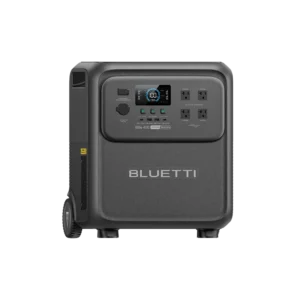
That’s why I’ve been digging deep into the world of home backup solutions. Today, we’re looking at two absolute beasts in the arena: the Jackery HomePower 3600 Plus and the BLUETTI Elite 400. These aren’t your little camping bricks that charge a phone a couple of times. These are the heavy hitters. These are the units you roll out when the weather gets nasty, and you refuse to let a thousand dollars’ worth of steak go bad.
Choosing between them feels like picking between two top-tier quarterbacks. They both can throw the ball, but they have very different styles. So, grab a coffee (or a flashlight, depending on your current situation), and let’s break this down.
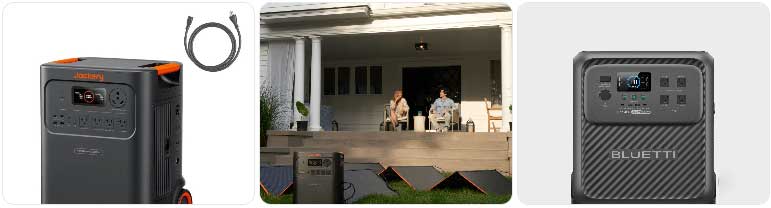
Jackery 3600 Plus vs BLUETTI Elite 400: The Ultimate Home Backup Showdown
Meet the Contenders: A Quick Overview
Before diving into performance, let’s quickly frame what we’re dealing with.
- Jackery 3600 Plus – A large-capacity, high-output power station built for heavy-duty scenarios.
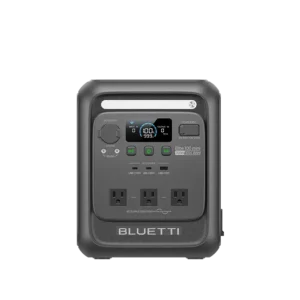
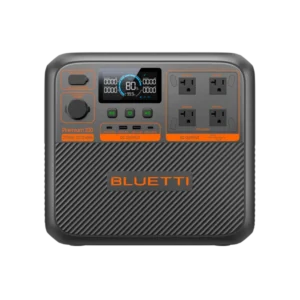
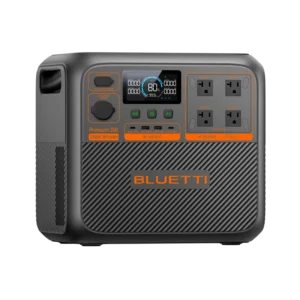
- BLUETTI Elite 400 – A compact, lightweight unit designed for portability and everyday essentials.
Even from that description, you can probably sense the difference. Comparing them is a bit like putting an SUV next to a scooter. Both are vehicles, but they serve wildly different purposes.
1. Introducing the Jackery HomePower 3600 Plus
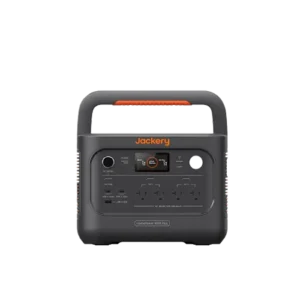
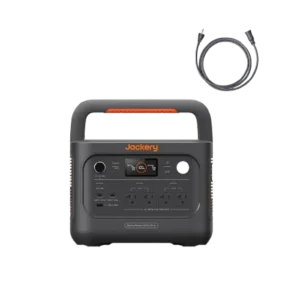
Jackery has been the “household name” in portable power for a while now. You know them, your neighbor knows them, and frankly, they’ve earned that spot. The Jackery 3600 Plus isn’t just an incremental update; it feels like a statement. They’ve taken everything they learned from the Explorer series and super-sized it for the home.
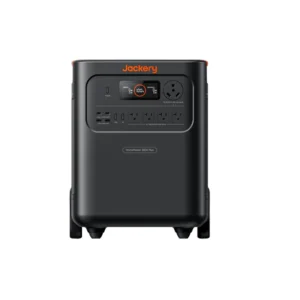
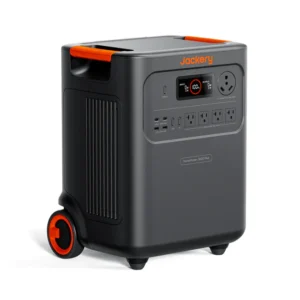
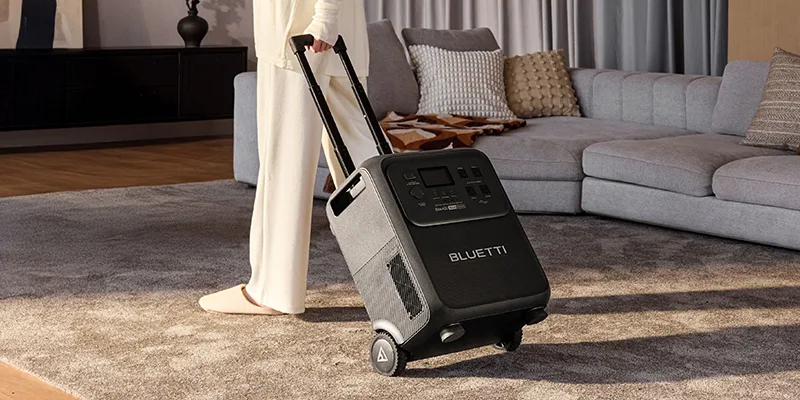
This unit is designed to look like it belongs in your living room, not a construction site. It has a sleek, almost luggage-like design with wheels. I’m talking about a telescopic handle and everything. If R2-D2 decided to store electricity instead of holograms, this is what he’d look like.
| Pros | Cons |
|---|---|
| Huge battery capacity suitable for long backup scenarios | Large and heavy |
| Can power high-wattage appliances | Not ideal for frequent transport |
| Excellent for home backup & RV setups | Higher upfront cost |
| Strong inverter & output capability | Requires storage space |
| Good for extended off-grid use | Overkill for casual users |
2. Introducing the BLUETTI Elite 400
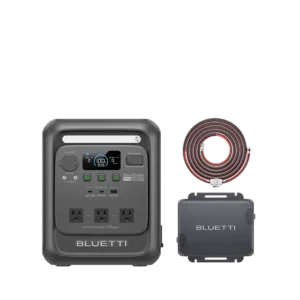
On the other side, we have BLUETTI. If Jackery is the friendly face of power stations, BLUETTI is the engineering powerhouse. They cater to the tech nerds, the off-grid enthusiasts, and the folks who want to feel like they’re piloting a spaceship when the power goes out. The BLUETTI Elite 400 sits in their lineup as a modular, robust solution aimed at serious home backup.
BLUETTI has a reputation for building tanks. Their units often feel more industrial, more “built-in-a-lab” kind of vibe. They don’t always win beauty contests, but they win reliability contests.
| Pros | Cons |
|---|---|
| Compact and lightweight design | Limited battery capacity |
| Easy to carry and travel with | Cannot sustain heavy appliances |
| Faster recharge cycles due to a smaller battery | Shorter runtime |
| Ideal for electronics & gadgets | Less suitable for blackout backup |
| Lower cost of entry | Smaller output ceiling |
Why Are You Even Comparing These Two?
Good question. Why pit these specific models against each other? Because they represent two different philosophies to solving the exact same problem: keeping your home running during an outage.
Both target the homeowner who has moved past the need for a tiny battery pack. These are for people with freezers, medical devices, work-from-home setups, and a general disdain for spoiled milk. They both utilize the latest battery tech and offer expansion options. They are the “compact SUV” and the “full-size truck” of the power station world.
Head-to-Head: Specs Sheet Showdown
Okay, let’s get the nitty-gritty out of the way. I love a good spec table because it tells you what the machine can do, even if it doesn’t tell you how it feels to use it.
| Feature | Jackery HomePower 3600 Plus | BLUETTI Elite 400 (Typical Config) |
|---|---|---|
| Battery Capacity | 3,584Wh (Base) | Varies by module (Approx 4,000Wh+ modular) |
| Output Power | 3,600W (7,200W Parallel) | Highly scalable (Typically 3,000W+ base) |
| Battery Chemistry | LiFePO4 (LFP) | LiFePO4 (LFP) |
| Expansion | Up to 21kWh per unit / 43kWh total | Highly Modular “Hot-Swap” Batteries |
| Charge Time (AC) | ~2.5 Hours | Fast Charging (Varies by input) |
| Hybrid Charging | Yes (AC+DC: ~2 Hours) | Yes (AC+Solar) |
| Portability | Luggage-style wheels, handle | Modular, often heavier/larger per module |
| Best For | Rolling around the house, plug-and-play | Permanent/semi-permanent installation, scalability |
| View Details | View Details |
Design and Portability: The Suitcase vs. The Building Block
1. Jackery’s Luggage-Style Genius
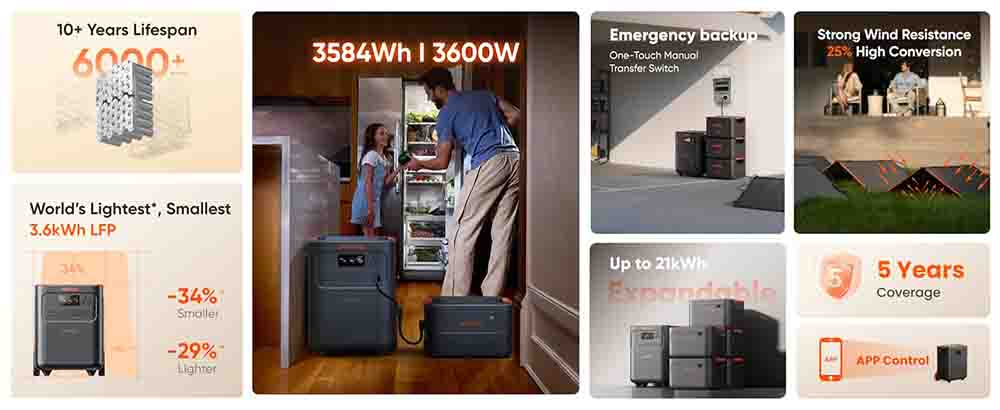
Let’s talk about the elephant in the room: the wheels. The Jackery 3600 Plus is, without a doubt, the most portable 3.6kWh station I’ve seen. Jackery claims it’s 34% smaller and 29.3% lighter than comparable models. When you have a unit this heavy, being able to tilt it back and roll it across the floor like a carry-on is a game-changer.
Imagine this: The storm knocked out the power in the kitchen, but your kid needs the router in the living room for online school. With the Jackery, you just wheel it down the hall. No throwing your back out, no grunting. It just works. It’s designed for the chaos of a real-world home.

2. BLUETTI’s Modular Approach
BLUETTI takes a different route. The “Elite 400” concept is usually modular. Think of it like building with Legos. You buy a base unit, and then you stack on battery packs as you need them. This is fantastic for scalability—you only buy what you need—but it can be a hassle for moving around.
If you have a fully built-out BLUETTI system with multiple battery modules, it becomes a stationary object. You put it in a corner, wire it up, and leave it there. It’s less about zipping around the house and more about being a silent, anchored powerhouse.
Power Output and Scalability: Can It Run My AC?
1. Jackery’s Parallel Party Trick
The Jackery 3600 Plus puts out a solid 3,600W. That’s enough to run your fridge, your freezer, your lights, and your modem simultaneously with room to spare. But where it gets interesting is the parallel capability. You can hook two of these bad boys together and get 7,200W of output. We’re talking about running a well pump, a dryer, or even a small air conditioner now.
Plus, with the 240V split-phase capability when paired, you’re no longer limited to just 120V appliances. This is crucial for homes with specific heavy-draw equipment.
2. BLUETTI’s Scalability
BLUETTI, on the other hand, often wins the “capacity” war. Because of its modular nature, you can theoretically scale up to massive amounts of storage—sometimes exceeding the Jackery’s max, depending on the specific modules available. If your goal is to have enough battery to run the house for a week without recharging, and you have a dedicated space for a battery rack, BLUETTI’s philosophy is your friend.
Battery Chemistry and Lifespan: The Marathon, Not the Sprint
Both of these giants have switched to LiFePO4 (LFP) batteries. This is the good stuff. Think of older lithium batteries (NMC) like a sprinter—fast and energetic, but they burn out after a few races. LFP batteries are marathon runners. They are heavier, but they last for thousands of cycles.
The Jackery 3600 Plus is rated for up to 6,000 cycles. That means you could charge and discharge it every single day for over 16 years before it hits 70% capacity. You probably won’t own the house that long. BLUETTI uses the same chemistry, so longevity is a win-win here. You’re not buying a battery; you’re buying a legacy.
Charging Speed: How Fast Can You Fill the Tank?
1. Jackery’s 2-Hour Blitz
This is where Jackery throws a knockout punch. Using their hybrid AC+DC charging, you can take the Jackery 3600 Plus from 0 to 100% in about 2 hours.
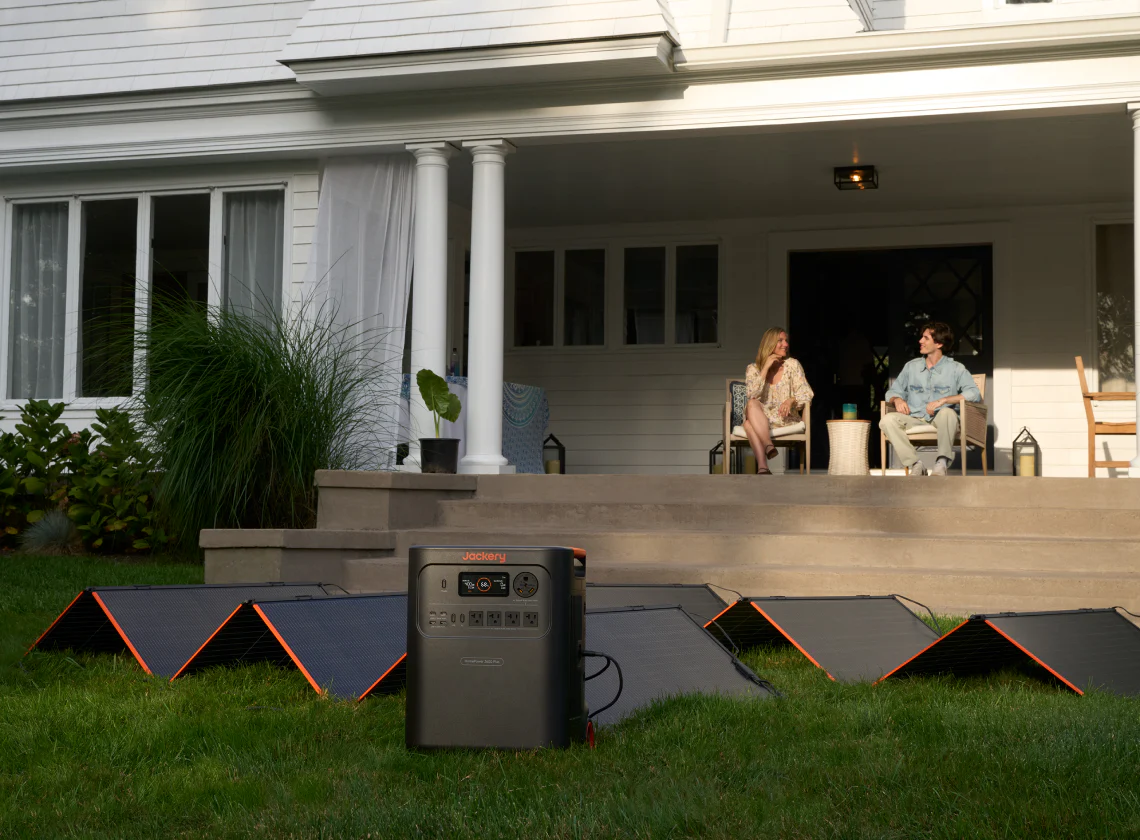
Why does this matter? Imagine a scenario where the power goes out at 8 AM, you run the battery down by 4 PM, and then the grid comes back for just a short window before the next storm hits. With a slow charger, you might only get a 20% top-up. With Jackery’s fast hybrid system, you can fill the tank completely in the time it takes to watch a movie. Standard AC charging is still a speedy 2.5 hours.
2. BLUETTI’s Approach
BLUETTI also supports fast charging and solar input, but the speed often depends on how many modules you have and the input source you provide. Generally, their systems are very efficient, but the “plug-and-play” ultra-fast charging of the Jackery is hard to beat for sheer convenience.
Home Integration: Plug-and-Play vs. Permanent Setup
This is a big one. How do these things actually hook up to your house?
Jackery leans heavily on the Manual Transfer Switch (MTS). You hire an electrician once to install the switch next to your breaker box. Then, when the power goes out, you roll the Jackery over, plug it into the MTS inlet, and flip the switch. You’re powering selected circuits. It’s not a whole-home backup, but it’s the best “disaster prep” solution for renters or folks who don’t want a massive renovation.
BLUETTI systems often allow for this too, but because they are more modular and often larger, they are better suited for a dedicated install—almost like a mini Powerwall. If you plan to stay in your house for 20 years and want a permanent solution, BLUETTI might feel more “built-in.”
| Feature | Jackery 3600 Plus | BLUETTI Elite 400 |
|---|---|---|
| Category | High-capacity power station | Compact portable unit |
| Primary Strength | Massive energy storage | Lightweight portability |
| Ideal For | Backup & appliances | Electronics & travel |
| Mobility | Limited (heavy) | Excellent (light) |
| Output Capability | High-wattage devices | Small electronics |
| Solar Usage | Extended off-grid | Casual solar charging |
| Recharge Speed | Moderate for size | Typically faster cycles |
| View Details | View Details |
Price and Value: What Does “Worth It” Mean?
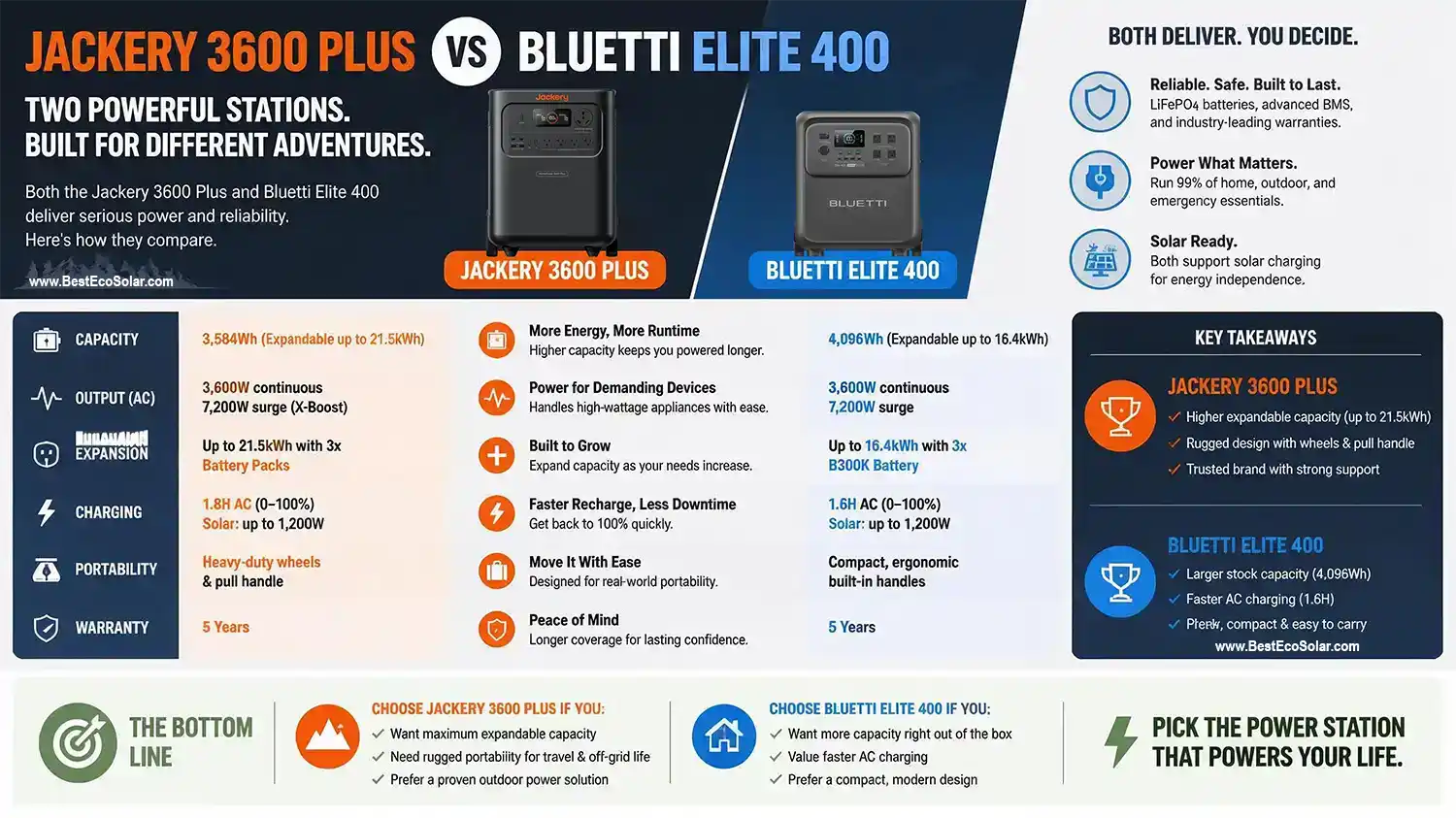
Let’s not sugarcoat it: these aren’t cheap. The Jackery 3600 Plus often retails around the $2,799 mark, but we’ve seen it drop to as low as $1,599 during sales.
BLUETTI pricing varies wildly based on how many modules you buy. You can start cheap and add on, or drop a fortune on a full rack.
But value isn’t just the price tag. Value is the ice cream staying frozen. Value is the CPAP machine running all night. Jackery offers a 5-year warranty on the 3600 Plus. That’s confidence. BLUETTI offers similar products, but the customer service stories are mixed. Some users rave about them, while others complain about radio silence.

The Customer Service Factor
Okay, we have to talk about it. You can buy the best gadget in the world, but if it breaks and the company ghosts you, you’re left with an expensive paperweight.
Reviews suggest that Jackery, despite some growing pains as they scale, generally has a more accessible customer service network in the US. They are the “known quantity”.
BLUETTI, being based in China, sometimes faces criticism for slow response times and difficult return logistics. If something goes wrong, you might have to ship a 100-pound unit back across the ocean, which is a nightmare. It’s something to keep in mind.
Solar Readiness: Catching Rays
Both units accept solar panels. It’s 2026; if your generator doesn’t do solar, throw it away.
The Jackery Solar Generator bundle pairs the 3600 Plus with the SolarSaga 500 X panels. It’s a clean, integrated system that just works.
BLUETTI often has higher input voltage limits, which can be more efficient for large solar arrays. If you plan to live off-grid and have a massive solar setup, BLUETTI might give you more technical flexibility. If you just want to toss a couple of panels on the lawn during a sunny outage to extend your runtime, Jackery makes it dead simple.
Real-World Scenarios: Which One Fits Your Life?
1. The Suburban Parent (Winner: Jackery)
You have two kids, a dog, and a fridge full of leftovers. You need something you can use without an engineering degree. You need to be able to move it from the garage to the kitchen. You want it to charge fast. Jackery 3600 Plus takes this one easily.
2. The Off-Grid Cabin Owner (Winner: BLUETTI)
You need massive storage. You want to wire it directly into your mini cabin. You’ll set it up once and leave it alone. The modular nature of BLUETTI allows you to start small this year and add another battery module next year.
3. The Tech Enthusiast (Tie)
If you love specs and tweaking, you’ll enjoy the modularity of BLUETTI. If you love elegant design and “it just works” functionality, you’ll adore the Jackery.
| If You Need… | Better Choice |
|---|---|
| Running multiple appliances | Jackery 3600 Plus |
| Lightweight portable power | BLUETTI Elite 400 |
| Serious blackout protection | Jackery 3600 Plus |
| Weekend trips & mobility | BLUETTI Elite 400 |
| Long off-grid usage | Jackery 3600 Plus |
| Charging personal devices | BLUETTI Elite 400 |
Conclusion
So, who wins the Jackery 3600 Plus vs BLUETTI Elite 400 battle?
If you forced me to pick one for the average American household, I’d lean toward the Jackery HomePower 3600 Plus.
Here’s why: It’s not just about the power; it’s about the usability. The wheels, the fast charging, the parallel capability, and the plug-and-play nature make it a tool you’ll actually use, not just store in the basement. It lowers the barrier to entry for serious home backup. You don’t need to be an electrician or a bodybuilder to use it.
BLUETTI is a fantastic brand for a specific type of user—the one who plans for the long haul, wants maximum modularity, and doesn’t mind a more complex setup. But for the person who wants peace of mind delivered in a sleek, rolling package that charges faster than any phone on the market, the Jackery 3600 Plus is your huckleberry.
| Use Case | Better Choice |
|---|---|
| Home backup power | Jackery 3600 Plus |
| Camping & travel | BLUETTI Elite 400 |
| Running appliances | Jackery 3600 Plus |
| Charging devices | BLUETTI Elite 400 |
| RV & van life | Jackery 3600 Plus |
| Emergency kit/portability | BLUETTI Elite 400 |
Don’t let the power go out without a plan. Whether you choose the rolling suitcase of power or the modular building block, just get something. Your future self, sitting in the dark with a fully charged phone and a cold beer, will thank you.
FAQs About Jackery and Bluetti
Small ones, yes. High-wattage kitchen devices or heaters? Not reliably. It’s designed for electronics and light loads.
For basic camping, absolutely. For RV setups or appliance-heavy trips, it can be incredibly useful.
For serious outages, the Jackery is the safer bet due to its large capacity and stronger output.
Yes, but the experience differs. Larger batteries benefit from larger solar arrays, while smaller units recharge more easily with compact panels.
Choosing based on maximum specs instead of actual needs. More power isn’t always better — sometimes it’s just heavier and more expensive.
Technically, yes and no. It can power your essential circuits (fridge, lights, internet) via a manual transfer switch. However, it likely won't power your entire 200-amp panel simultaneously, especially large appliances like central AC or electric furnaces, unless you have two units in parallel for 240V output .
Yes, both the Jackery and BLUETTI use smart battery management systems (BMS). They are designed to be left plugged in. Once they hit 100%, they stop drawing power and just "top off" when needed. It’s actually recommended for LFP batteries to keep them stored at around 50-80% for longevity, but if you need it ready for emergencies, leaving it plugged in is fine.
Based on the 3,584Wh capacity, a modern, energy-efficient fridge uses about 150-200Wh per hour. In theory, you could get 18-24 hours of run time on the base unit alone. If you expand the capacity with battery packs, you could stretch that to multiple days or even weeks .
Technically, you can use any solar panel with the correct connector and voltage, but it’s not recommended to mix brands if you want optimal efficiency. It's usually best to stick with the brand's own panels to ensure the connectors fit and the voltage/amperage is perfectly optimized for the MPPT charge controller.
You Might Also Like