
Buy Backup Solar Kits: Your Ultimate Guide to Blackout-Proof Living in 2026
Buy Backup Solar Kits – Picture this: a storm rolls in, the lights flicker once, twice, and then—silence. Your fridge stops humming, the Wi‑Fi flatlines, and suddenly you’re calculating how long until the freezer turns into a soggy science experiment. It’s a scene playing out more often, from Texas ice storms to California wildfire shutoffs.
That’s exactly why now, in 2026, you should seriously consider the simple act to buy backup solar kits that transform sunlight into your personal safety net. But this isn’t just about keeping the lights on. It’s about owning your energy, slashing your anxiety, and maybe even pocketing a fat tax credit while you’re at it.
Let’s walk through everything you need to know—no engineer-speak, just straight talk.
What Exactly Are Backup Solar Kits?
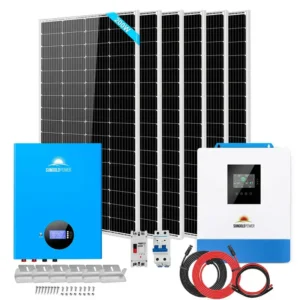
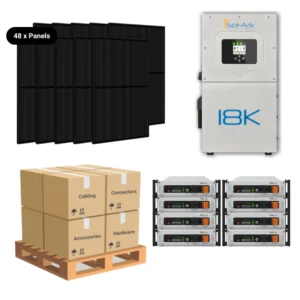
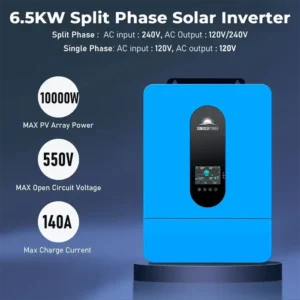
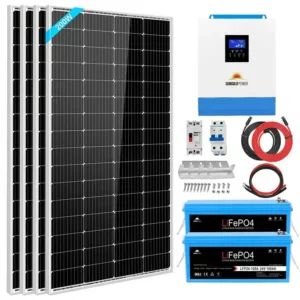
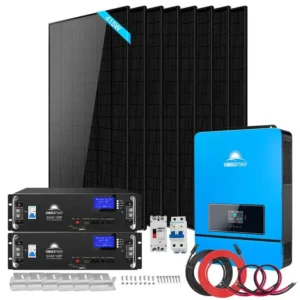
Think of a backup solar kit as a pocket‑sized power plant that runs on the sun instead of noisy, fume‑spewing gasoline. At its core, a kit bundles solar panels, a battery, an inverter, and a charge controller into one tidy system. Some are suitcase‑sized for camping trips; others can back up half your house.
When you buy backup solar kits, you’re not grabbing a random panel off the shelf. You’re getting a coordinated package where every part works together from day one. It’s the difference between buying a Lego set with a manual versus a bucket of random bricks.
The beauty? These kits harvest free energy and stash it in a battery. When the grid goes down, the inverter turns that stored DC power into AC power that your appliances actually use. No fuel runs, no extension cords laced across the lawn to a neighbour’s generator. You just flip a switch—or many systems do it automatically—and life rolls on.
Whether you call it a solar backup kit, a solar generator kit, or a portable power station, the promise is the same: quiet, clean, renewable power right when you need it most.

Why You Should Buy Backup Solar Kits Right Now
1. Grid Instability Is No Longer a “Maybe”.
Let’s not sugarcoat it. The U.S. grid is old enough to have grandkids, and extreme weather is pummeling it harder every season. In 2025 alone, the average American experienced over seven hours of power interruptions, and 2026 isn’t cozying up. When you buy backup solar kits, you stop being a helpless spectator during a blackout. You become the person who still has morning coffee while the block sits dark.
2. The 30% Federal Tax Credit Is Still Punching Hard
Here’s a number that should make you smile: 30%. Thanks to the Inflation Reduction Act, standalone battery storage (at least 3 kWh) that’s charged by solar qualifies for a federal tax credit through 2032. So if you spend $4,000 on a home backup solar kit, you can knock $1,200 off your tax bill. That’s real money back in your pocket. This incentive alone turns the decision to buy a backup solar kit from a “maybe someday” into a “why wait?” move.
3. Battery Prices Are Dropping Like a Rock
Lithium iron phosphate (LiFePO₄) batteries—the gold standard now—cost 40% less than they did just three years ago. You’re getting more watt‑hours per dollar than ever. That means you can buy backup solar kits with beefy storage that won’t demand a second mortgage. A 2,000Wh portable kit today often rings in under $1,500, whereas a comparable unit would have cost double in 2026. The math is finally on your side.
Most Popular
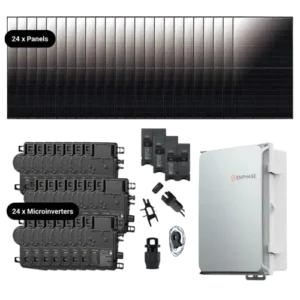
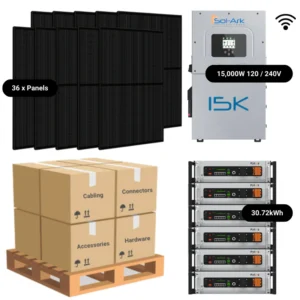
15.8kW
$21,489.00
- Total Solar Wattage: 15,840W
- Total Battery Capacity: 30.72 – 32.2kWh
- System Voltage: 48VDC
- Inverter Rated Power: 12,000W Continuous (Battery Only) / 15,000W (with PV)
- Solar Input Capacity: Up to 19,500W Max Solar Input
- Solar Panel Warranty: 25-Years
Most Popular
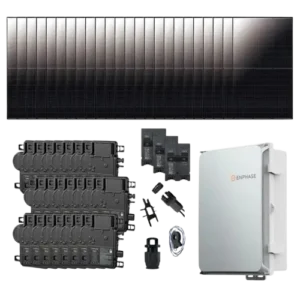
7.92kW
$15,689.00
- Total Solar Wattage: 7,920W
- Total Battery Capacity: 20.48 – 32.2kWh
- System Voltage: 48VDC
- Inverter Rated Power: 12,000W Continuous (Battery Only) / 15,000W (with PV)
- Solar Input Capacity: Up to 19,500W Max Solar Input
- Solar Panel Warranty: 25 Years
Most Popular
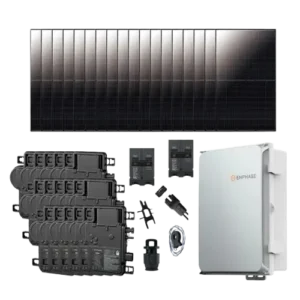
3.2kW
$5,989.00
- Total Solar Wattage: 3,200W
- Total Battery Capacity: 10kWh
- System Voltage: 48VDC
- Inverter Rated Power: 6,000W (120/240V Split Phase)
- Battery Warranty: 10-year manufacturer’s defect warranty
Types of Backup Solar Kits You Can Buy
1. Portable Solar Generator Kits
If you want something you can toss in the trunk for a tailgate or a weekend off‑grid, start here. These suitcase‑style setups typically pair a folding solar panel with a compact power station. They’re perfect for keeping phones, laptops, a mini‑fridge, or a CPAP machine running. When you buy backup solar kits of this size, you’re looking at weights around 20 to 60 pounds—manageable for one person. They also double as a home‑office backup when a brief outage hits.
2. Home Backup Solar Kits
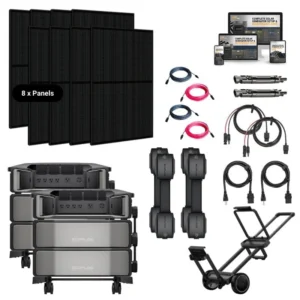
These are the heavy hitters. Designed to tie into your electrical panel, home backup solar kits can power essential circuits like lights, the refrigerator, the well pump, or medical equipment automatically. Some can even go whole‑home if you stack enough battery modules. The decision to buy a home backup solar kit usually comes with a transfer switch installation, which safely isolates your house from the grid. Think of it as a seamless insurance policy that kicks in before you can find a flashlight.
3. DIY Solar Backup Kits
For tinkerers who love the smell of a Saturday project, DIY kits give you raw components—panels, a charge controller, a battery, and an inverter—and let you build your own system. You save on labour costs and can customise every watt. Just know that when you buy backup solar kits in DIY form, you’re also signing up for sizing calculations and wiring work. It’s empowering, but not for everyone.
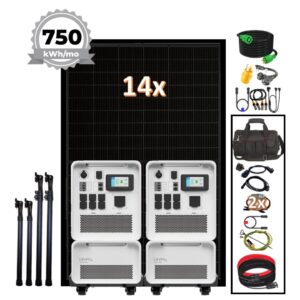
Key Components of a High‑Quality Backup Solar Kit
1. Solar Panels — Monocrystalline vs. Polycrystalline
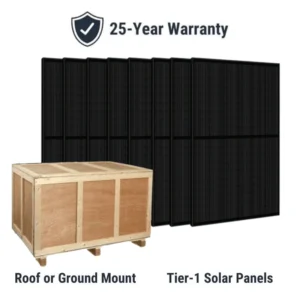
Monocrystalline panels (the dark, almost black ones) squeeze more power out of the same space and perform better in low light. They’re your best bet if you plan to buy backup solar kits that will sit on a balcony or a small roof. Polycrystalline is cheaper but bulkier. For emergency backup, efficiency trumps a few saved bucks.
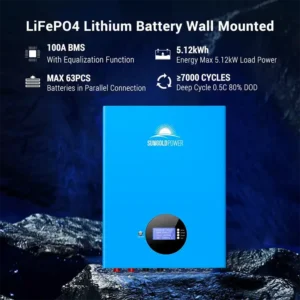
2. Battery Storage — LiFePO₄ Is Your Best Friend
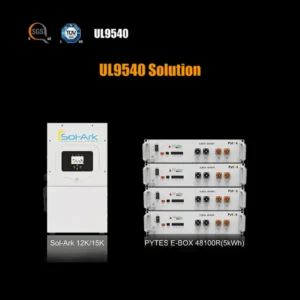
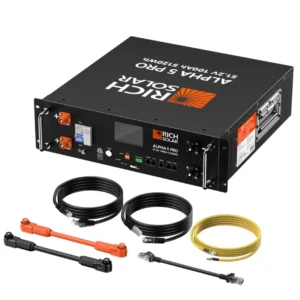
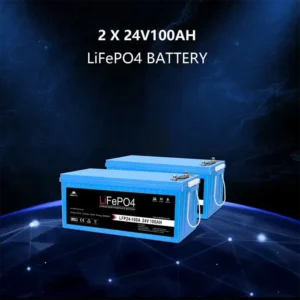
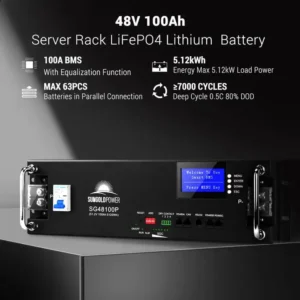
Older kits used lead‑acid batteries that required maintenance and hated deep discharges. Today, when you buy a solar backup kit, insist on lithium iron phosphate. It lasts for 3,500+ cycles, doesn’t throw a tantrum if you drain it to 0%, and won’t off‑gas hydrogen. Safety, longevity, and zero maintenance—what’s not to love?
3. Inverter/Charge Controller — Pure Sine Wave Is Mandatory
Sensitive electronics (laptops, medical devices, variable‑speed furnace fans) sulk on modified sine wave power. A pure sine wave inverter delivers the clean stream they crave. When you buy backup solar kits, check that “pure sine wave” is listed. It’s the difference between a fridge that hums happily and one that buzzes like an angry bee.
How to Choose the Right Size Backup Solar Kit
1. Calculate Your Essential Load
Grab a notepad and list the must‑keep appliances: a refrigerator (150W running, 600W surge), a few LED lights (10W each), a fan (50W), a modem/router (20W), and maybe the coffee maker (900W, but only for five minutes). Add up the watts you’ll use simultaneously, then multiply by the hours you want backup power.
If your fridge runs 8 hours a day, that’s 1,200 Wh. A 2,000Wh battery gives you wiggle room. This napkin math ensures you don’t buy backup solar kits that are too small when a real outage hits.
2. Peak vs. Continuous Power
That inverter rating? Pay attention to both numbers. A 1,000W continuous inverter with a 2,000W surge can start a small fridge but might choke on a sump pump motor. Write down the surge requirements of your gear before you buy a backup solar power kit. Oversizing the inverter by 20% is a cheap way to buy peace of mind.
Top 5 Reasons to Buy Backup Solar Kits for Home Emergencies
- Instant Peace of Mind – You know exactly where your next watt is coming from.
- No Fumes, No Noise – Unlike gas generators, solar kits operate silently indoors or out.
- Fuel Independence – The sun doesn’t run out or spike in price after a hurricane.
- Multi‑Use Flexibility – Use the same kit for camping, RV trips, or backyard movie nights.
- Home Value Boost – A professionally installed solar backup kit can be a selling point.
Common Mistakes to Avoid When You Buy Backup Solar Kits
1. Underestimating Your Energy Needs
It’s human nature to think, “Oh, I’ll just run the essentials.” But when darkness swallows the neighbourhood, that essential list mysteriously grows—a fan for the kids, a hot plate for soup, a charged tablet for sanity. If you buy backup solar kits based on best‑case scenarios, you’ll be disappointed. Always size for 20‑30% more capacity than you initially calculate.
2. Ignoring Expansion Capabilities
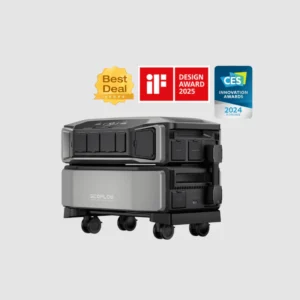
Technology evolves fast. A kit that lets you daisy‑chain extra batteries or add more solar panels later is like a savings account that compounds. When you buy a solar backup kit, ask, “Can I grow this later without starting from zero?” Modular systems like EcoFlow’s ecosystem or the Jackery expandable line let you start small and scale.
3. Skipping Professional Installation for Whole‑House Kits
It’s tempting to save $500 and wire the transfer switch yourself. But a misconnection can backfeed the grid and put lineworkers in danger. When you buy backup solar kits intended for panel integration, factor in an electrician. It’s not a suggestion; it’s a safety requirement.
How to Install and Maintain Your Backup Solar Kit
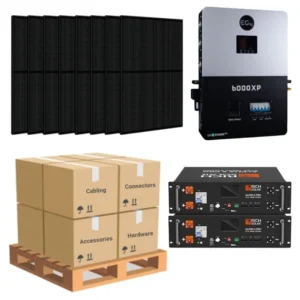
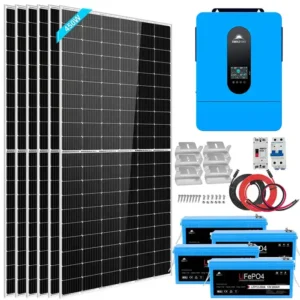
Portable kits are literally plug‑and‑play: unfold the panel, connect it to the power station, and let the sun work. For home backup units, an electrician installs a manual or automatic transfer switch, then wires the critical load subpanel. The entire process might take half a day. Once it’s running, maintenance is laughably easy.
Occasionally, wipe the panels with a damp cloth, check cable connections twice a year, and store the battery indoors if temperatures drop below freezing for long stretches. That’s it. No oil changes, no spark plugs. The sun does the heavy lifting, and you simply reap the benefits.
Long‑Term Savings and ROI of Buying a Solar Backup System
Let’s talk dollars and sense. A typical household throws away 150‑300 in spoiled food during a multi‑day outage. Add the cost of a hotel stay, gas for a generator, or lost work, and the tab can hit 1,000 overnight. When you buy backup solar kits, you’re insulating yourself from those losses year after year. Over a decade, a single avoided blackout can repay half the kit’s price.
And if you use your kit daily to offset grid consumption—say, running your home office off solar during peak hours—you’ll shave $200-$400 annually off the electric bill. Couple that with the 30% tax credit, and the ROI often arrives in under six years. It’s the rare piece of safety gear that actually pays you back.
Environmental Impact: Clean Power When You Need It
Every time a neighbour fires up a gas generator, it coughs out carbon monoxide and the kind of noise that rattles windows. Solar backup? Silent and emission‑free at the point of use. By choosing to buy backup solar kits, you’re cutting down on fossil fuel reliance during emergencies precisely when air quality already takes a hit. And the LiFePO₄ batteries are 99% recyclable at end‑of‑life. It’s a choice that feels good in your gut and on paper.
Conclusion
The decision to buy backup solar kits is less about gadgets and more about reclaiming control. You’re giving yourself the ability to ride out a blackout with the fridge humming, the lights on, and your family comfortable, while your neighbours stand in the dark, wondering when the utility crew will arrive.
In 2026, with tax credits fat, battery prices lean, and technology as user‑friendly as a smartphone, there’s never been a better moment to invest. So do the quick math on your essential loads, pick a kit from the comparison table that fits your life, and make the move. Your future self, standing with a hot cup of coffee during the next storm, will thank you.
FAQs About Backup Solar Kits
Can I use a backup solar kit to power my whole house?
Yes, but you’ll need a high‑capacity system (3,500W+ inverter and 4,800Wh+ battery) and a professional transfer switch installation. Many homeowners start with a critical‑load setup and expand over time.
How long do the batteries last in backup solar kits?
Modern LiFePO4 batteries endure 3,500 to 5,000 full charge cycles—roughly 10 to 15 years of daily use. Even after that, they retain 80% capacity, so they’re still useful for less demanding tasks.
Is it difficult to install a home backup solar kit myself?
Portable kits are truly plug‑and‑play. A whole‑home kit tied to your electrical panel, however, requires a licensed electrician to safely install the transfer switch. It’s not a DIY job if it involves your main breaker.
What’s the difference between a solar generator and a backup solar kit?
They’re often used interchangeably, but a “backup solar kit” usually includes panels, a battery, and all necessary cabling, ready to connect. A “solar generator” typically refers to the battery/inverter unit alone, with panels sold separately. When you buy backup solar kits, you get the whole package.
Do solar backup kits work during cloudy days or winter?
Yes, but with reduced output. Panels still generate power on overcast days (about 10‑25% of their rated wattage). The key is to size your battery large enough to cover your needs for a day or two and to angle panels efficiently. Snow? Clear it off and you’re back in business.