


Solar Panel For Home – Powering Your Home with Sunshine: The Homeowner’s Guide to Solar Panels
Solar Panel For Home – Ever looked at your roof and imagined it as a silent, money-making powerhouse? Well, stop imagining. That empty expanse of shingles or tiles is prime real estate, just waiting to be transformed into your own personal power plant.
We’re talking about installing a solar panel for home use, a move that’s less about being trendy and more about being smart, independent, and forward-thinking.
I get it. The world of residential solar power can seem complex, filled with jargon and big upfront numbers. But what if I told you that by the end of this guide, you’ll see solar not as a confusing tech project, but as a simple, elegant solution to rising energy bills?
We’re going to demystify it all, from the sunlight hitting your roof to the savings landing in your pocket. So, let’s pull back the curtain and shed some light on how you can harness the sun.
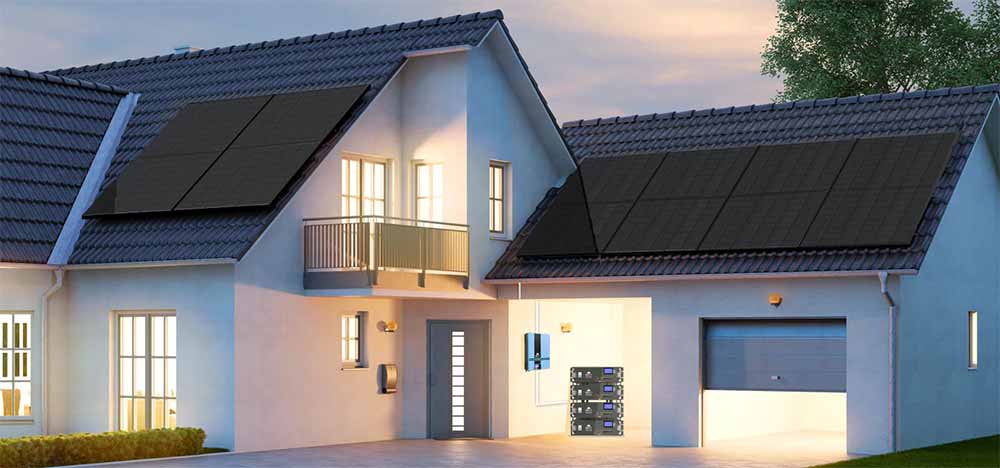
Why Now? The Compelling Case for Solar Panels for Homes in 2025
You might be thinking, “Solar has been around for years, why is now the right time?” That’s a fantastic question. The answer lies in a perfect storm of affordability, efficiency, and incentive.

Just a decade ago, the cost of a home solar system was prohibitive for many. But as of 2025, the price of solar panels has plummeted by over 80% since 2010. Pair that with soaring traditional electricity costs across the country, and the financial equation has flipped on its head.
Solar Panel For Home – You’re not just buying panels; you’re locking in your energy rate for the next 25+ years. Think of it as a shield against unpredictable utility price hikes. Add to that a growing collective desire for energy independence and a smaller carbon footprint, and the case becomes about more than just money—it’s about peace of mind.
Sunlight to Socket: How Solar Panel For Home Actually Work?
It feels like magic, but it’s actually a brilliantly simple process. Let’s break it down.
1. The Heart of the System: The Solar Photovoltaic Cell
At the core of every solar panel for your roof are dozens of photovoltaic (PV) cells, usually made of silicon. These cells are like sunlight sponges. When photons from sunlight hit them, they knock electrons loose from their atoms. This movement of electrons creates a flow of direct current (DC) electricity.
It’s a quiet, invisible, and continuous dance of energy production whenever the sun is shining.


2. The Brain: The Solar Inverter’s Crucial Job
Here’s the thing: your home appliances can’t use DC power. They run on alternating current (AC). So, what happens to all that DC electricity? It travels to the unsung hero of your home solar array: the inverter.
This device, often a small box mounted on the side of your house, acts as the translator, converting the DC power into usable AC power. Modern inverters, especially microinverters, are incredibly efficient and also act as system monitors, giving you real-time data on your energy production.
3. Connecting to the Grid: The Role of Net Metering
Solar Panel For Home – Unless you’re completely off-grid, your home solar power system is connected to the local utility grid. This is where it gets really clever. When your panels produce more electricity than your home is using—say, on a sunny afternoon when you’re at work—that excess power is sent back to the grid.
Your utility meter literally spins backwards, earning you credits. This process is called net metering.
Then, at night or on cloudy days when your panels aren’t producing enough, you draw power from the grid, using up those credits. It’s like using the grid as a giant, free battery. At the end of the month, you only pay your utility company for the “net” energy you used.

What’s on the Market? The 4 Main Types of Solar Panels for Your Roof
Not all solar panels are created equal. Choosing the right type is a balance of budget, efficiency, and aesthetics.

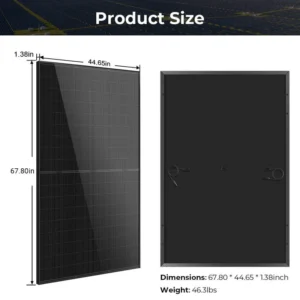
1. Monocrystalline Solar Panels: The Premium Performer
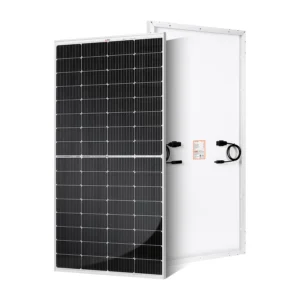
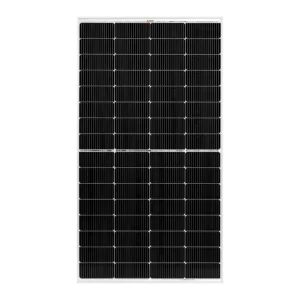
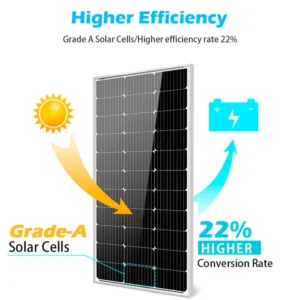
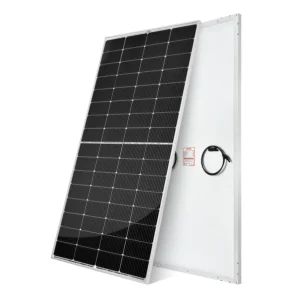
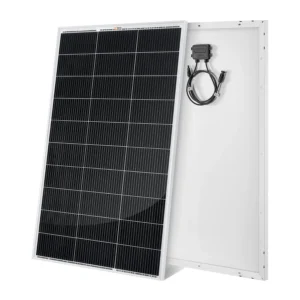
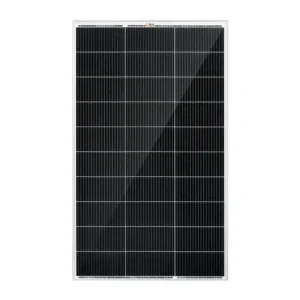
These are the Ferraris of the solar world. Made from a single, pure crystal of silicon, they’re easily identifiable by their uniform dark color and rounded edges. They offer the highest efficiency rates, meaning they produce more power per square foot of roof space. They also tend to be more durable and have a longer lifespan. The catch? They’re the most expensive option.
2. Polycrystalline Solar Panels: The Budget-Friendly Workhorse
Remember the classic blue-speckled solar panel? That’s polycrystalline. They’re made by melting fragments of silicon together. The process is simpler and less wasteful, making them more affordable.
The trade-off is a slightly lower efficiency and a larger physical size to produce the same power as a monocrystalline panel. For homeowners with ample roof space, they remain a fantastic value.
3. Thin-Film Solar Panels: The Lightweight Flexible Option
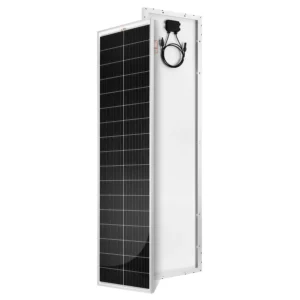
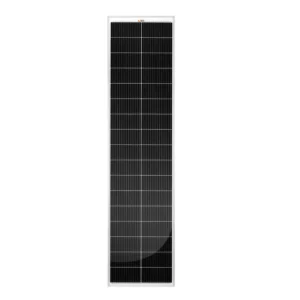
Thin-film panels are exactly what they sound like: lightweight, flexible layers of photovoltaic material applied to a surface. They are less efficient than crystalline panels but are much more affordable to mass-produce and can be used in unique applications where traditional panels can’t, like on some metal roofs.
However, they degrade faster and require a lot more space, making them less common for standard residential solar installations.
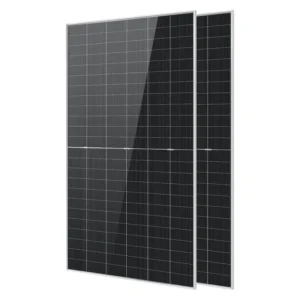
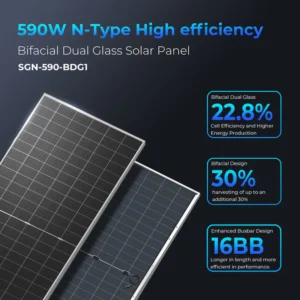
4. Bifacial Solar Panels: The Double-Sided Innovator
A newer player in the game, bifacial panels can absorb light from both sides. They capture direct sunlight on the front and reflected light from your roof surface on the back, boosting their overall energy production. They work best in specific conditions with highly reflective surfaces (like a white TPO roof) and are gaining traction for their increased energy yield.
The Million-Dollar Question: How Many Solar Panels Do I Actually Need?
This is, without a doubt, the most common question. And the answer is, as you probably guessed: it depends. Let’s think of your energy needs like a grocery list. A family of four will need a fuller cart than a single person.
1. Crunching the Numbers: Key Factors That Determine Your System Size
A professional installer will do a precise calculation, but you can get a rough estimate by understanding these variables:
- Your Energy Consumption: This is the big one. Look at your past year’s electricity bills to find your average monthly kilowatt-hour (kWh) usage.
- Your Roof’s Sunlight Exposure: A south-facing roof in Arizona is a solar goldmine. A north-facing roof shaded by trees in Washington is not. This is called your “peak sun hours.”
- Panel Wattage: Modern panels typically range from 350 to 450 watts each. Higher wattage means you need fewer panels.
- Your Local Climate: Surprisingly, solar panels are quite efficient in cold weather. Heat is actually their enemy. So, a sunny but cool day can be ideal.
2. A Practical Example: How Many Solar Panels to Run a 2000 Sq Ft House?
Let’s make this concrete. The average 2000 sq ft house in the U.S. uses about 900-1,000 kWh per month. Let’s assume we have a decently sunny location and are using 400-watt panels.
A single 400W panel, with about 5 peak sun hours per day, produces roughly 2 kWh per day, or 60 kWh per month. To cover 1,000 kWh, you’d need approximately 17 panels (1000 / 60 = 16.66).
But remember, this is a simplified estimate. Your actual home’s efficiency, appliance usage, and local weather will fine-tune this number. The key takeaway? An average system for a 2000 sq ft home often falls in the 7.5 kW to 10 kW range, which translates to roughly 19 to 25 panels.
The Investment: Unpacking the Cost of a Home Solar System
Let’s talk numbers. The gross cost of a typical residential solar installation before incentives can range from $15,000 to $35,000 for a 6kW to 10kW system. That’s a wide range, I know. But this is where the magic of incentives comes in.
1. The Game-Changer: The Federal Solar Tax Credit
As of 2025, the federal Investment Tax Credit (ITC) is still going strong. It allows you to deduct 26% of the total cost of your solar system from your federal income taxes.
For a $25,000 system, that’s a whopping $6,500 direct reduction in your tax bill. It’s not a rebate; it’s a dollar-for-dollar credit. This single incentive is the biggest driver making solar power for homes affordable for millions.
2. Beyond the Federal Credit: State and Local Incentives
On top of the federal ITC, many states and even local utilities offer their own sweeteners. These can include:
- Additional state tax credits
- Cash rebates
- Property tax exemptions (so your taxes don’t go up when you add value to your home)
- Sales tax exemptions
- Exceptional net metering policies
A quick online search for “[Your State] solar incentives 2025” can reveal some very pleasant surprises.
Solar Panel Supplier
| Name | Price Range | Details |
|---|---|---|
| SunGoldPower | $165 – $936 | View Collections |
| Rich Solar | $69.99 – $499.99 | View Collections |
The Flip Side: Honestly Addressing the Downsides of Solar
No technology is perfect, and it’s crucial to go in with your eyes wide open. So, what is the biggest downside to solar electricity?
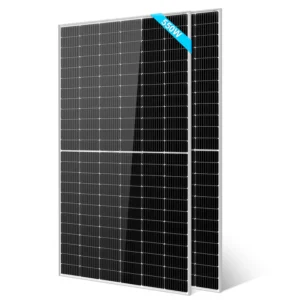
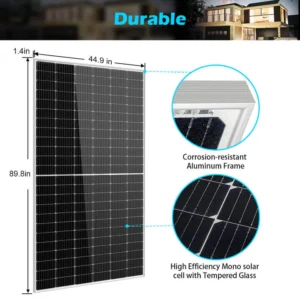
For most people, it’s the high upfront cost. Even with incentives, you’re looking at a five-figure investment. Financing options have made this easier, but it’s still a barrier.
Other common challenges include:
- Weather & Intermittency: The sun doesn’t always shine. This is why net metering or a battery is so important.
- Roof Suitability: An old, shaded, or structurally weak roof may not be a good candidate.
- Aesthetics: Some homeowners’ associations (HOAs) or individuals simply don’t like how panels look.
Powering Through the Night: The Role of Solar Batteries
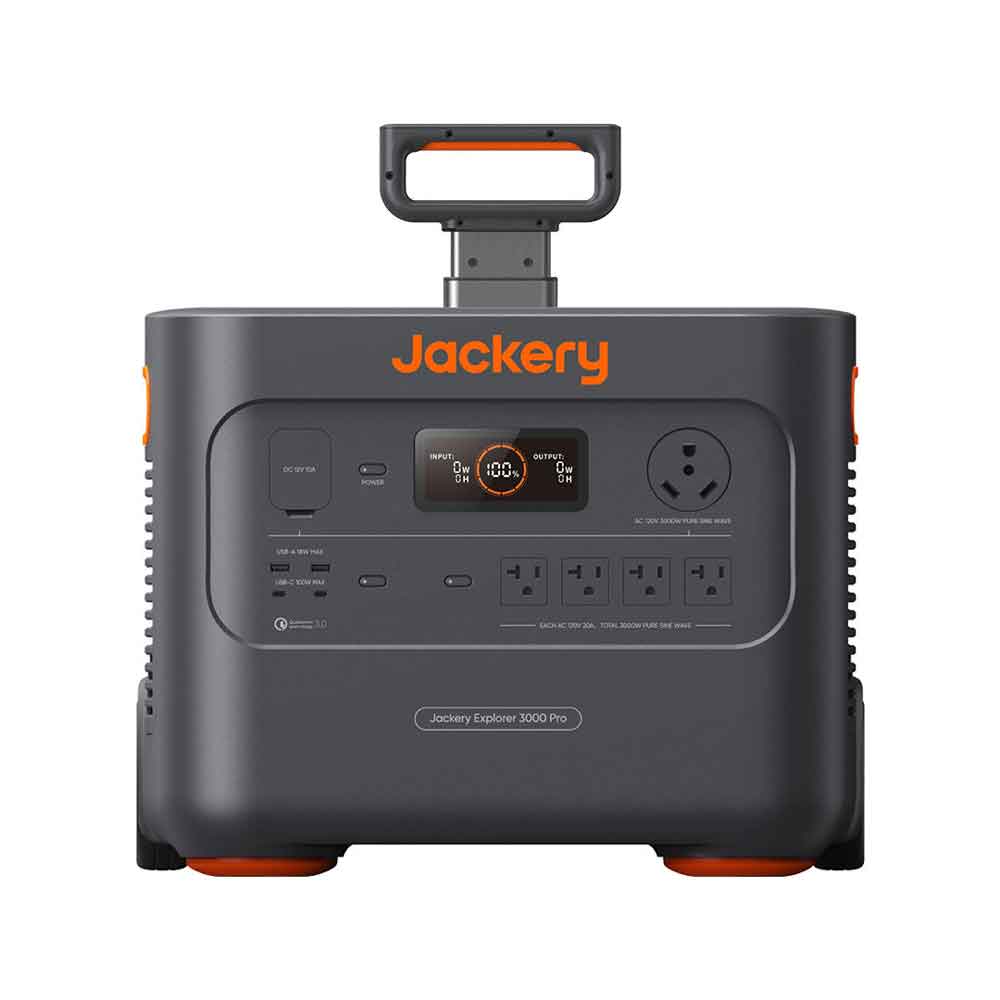
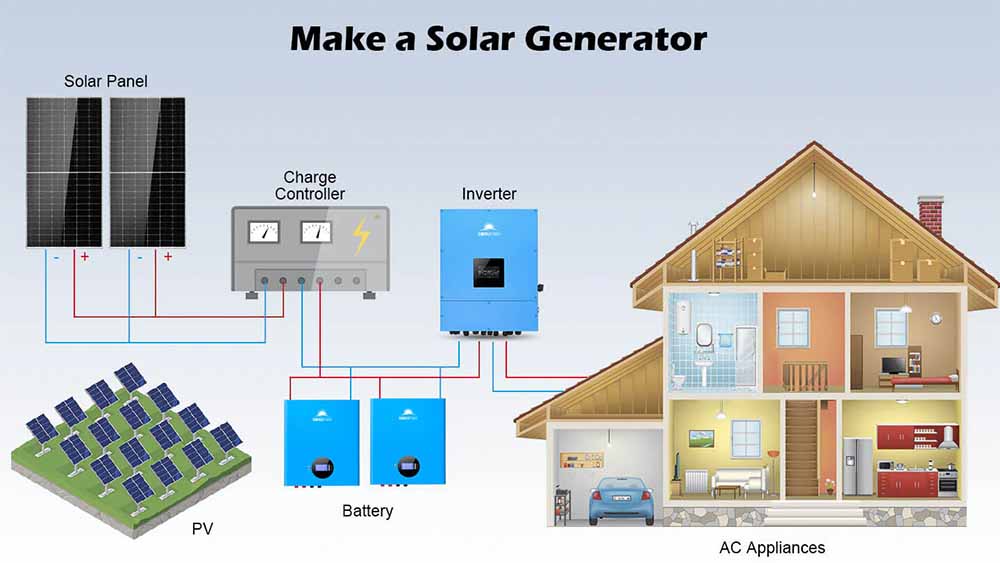
Remember net metering? It’s great, but it has one weakness: if the grid goes down, your solar system typically shuts off too (for safety reasons). This is where adding a solar battery, like the Tesla Powerwall or LG Chem RESU, changes the game.
A battery stores the excess energy your panels produce during the day. Then, at night or during a blackout, it powers your home. This is called “energy self-consumption.”
For homeowners in areas with frequent power outages or less favorable net metering policies, a battery is the key to true energy independence. It’s the final piece of the puzzle that lets you truly disconnect from the utility grid if you want to.
The Installation Journey: What to Expect From Start to Finish
You’ve done your research, you’re excited, and you’re ready to pull the trigger. What happens next?
- Consultation & Site Assessment: A certified installer will visit your home, assess your roof, check your electrical panel, and discuss your energy goals.
- Design & Proposal: They’ll design a custom system for your home and provide a detailed quote, including projected savings and financing options.
- Permitting & Paperwork: The installer handles the boring but vital stuff—pulling permits from your city and applying for interconnection with your utility.
- Installation Day: The crew arrives, mounts the racking, installs the panels and inverter, and does the electrical wiring. This usually takes just 1-3 days.
- Inspection & Permission to Operate: The city inspector and your utility company give the final sign-off. Then, you flip the switch!


Conclusion: Is a Solar Panel For Home Right for You?
Solar Panel For Home – Leaping rooftop solar is a significant decision, but it’s one that pays dividends for decades. It’s a commitment to financial predictability, environmental stewardship, and personal energy freedom. The technology is proven, the incentives are ripe, and the long-term benefits are undeniable.
Ask yourself: Are you tired of being at the mercy of fluctuating energy bills? Do you want to add lasting value to your home while reducing your carbon footprint? If the answer is yes, then the path is clear. The sun is offering you a free, abundant source of power. Maybe it’s time you started accepting the gift.
FAQs About Solar Panels for the Home
- Can a house run 100% on solar?
Yes, absolutely! With a properly sized home solar system and often a battery for nighttime power, a house can become entirely energy independent. The key is designing a system that produces enough excess energy throughout the year to cover periods of lower production (like winter). - Can AC be run on solar power?
You bet. Air conditioning is one of the biggest energy hogs in a home, and solar power is perfectly capable of running it. In fact, your panels will be producing the most electricity on the very hot, sunny days when your AC is working its hardest. - Why is my electric bill so high if I have solar panels?
This is a common frustration. It usually boils down to a few things: your system might be undersized for your current energy consumption, you may have added new high-energy appliances, there could be a system malfunction, or your utility’s net metering policy may have changed, reducing the value of the energy you send back. - What happens if you no longer want solar panels?
If you have a leased system, breaking the contract can be difficult and costly. If you own the system, you can have a professional uninstall it, but this is also expensive. A far better option is to leave the system in place; studies show that homes with owned solar panels sell faster and for more money. - Do solar panels work if there is no sun?
They work best in direct sunlight, but they do still produce energy on cloudy, rainy, or overcast days, just at a reduced capacity (typically 10-25% of their rated output). They cannot produce energy at night without a battery. - What is the definition of a solar panel?
A device that converts sunlight into direct current (DC) electricity using photovoltaic cells. - How many solar panels do I need to run a TV?
A typical LED TV uses about 50-100 watts. A single 400W panel could run a TV for 4-8 hours on its daily output alone. - What are the 4 types of solar panels?
Monocrystalline, Polycrystalline, Thin-Film, and Bifacial. - Do you still pay for electricity if you have solar panels?
Yes, but typically a much smaller “net” amount, or just a minimal grid-connection fee, depending on your system size and net metering. - What can a 3000-watt solar panel power?
A 3kW (3000-watt) system can power essential loads like lights, refrigerator, TV, computers, and a well pump, but may struggle with large simultaneous loads like an AC unit and an electric dryer. - Is 3000 watts enough to power a house?
It can power a small, energy-efficient home or a cabin, but it’s generally not enough for a full-sized, average American home with central air conditioning. - How many AC can run on a 3kW solar system?
It could run one small, energy-efficient window or mini-split AC unit (around 1000-1500 watts), but would have little capacity for much else while the AC is on. - How many solar panels do I need to run a 3000-watt inverter?
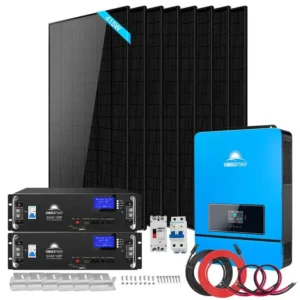
You need enough panels to reach 3000 watts. With 400W panels, you’d need 8 panels (8 x 400W = 3,200W). - How big a battery do I need for a 3000W inverter?
To run a 3000W load for one hour, you’d need a 3 kWh battery. A typical 10 kWh battery (like a Tesla Powerwall) would run that load for over 3 hours.
You Might Also Like