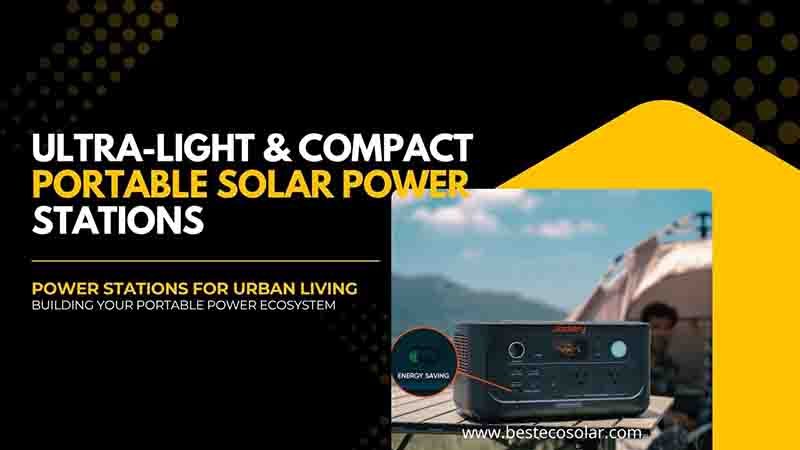
Ultra-Light & Compact Portable Solar Power Stations for Urban Living
Why Compact Portable Solar Power is 2025’s Smartest Energy Move
Compact Portable Solar Power – Imagine having a personal power plant that folds up into your backpack, silently fuels your adventures, and never sends you an electricity bill. That’s not science fiction—that’s the reality of compact portable solar power in 2025. Whether you’re an avid camper, a digital nomad, or simply someone tired of rising electricity costs, these sleek, powerful systems are revolutionising how we think about energy.
We’re living through a remarkable energy transition. In 2025, the global portable solar panel market is exploding, with estimates showing it growing from USD 1.7 billion in 2024 to a projected USD 8 billion by 2034. What’s driving this boom? It’s the perfect storm of rising energy costs, advancing solar technology, and a cultural shift toward sustainable living. These aren’t the clunky, inefficient panels of yesterday—today’s portable solar solutions are sophisticated, powerful, and surprisingly affordable.

But here’s what really makes 2025 the year of portable solar: these systems have become incredibly user-friendly. You don’t need to be an engineer to harness the sun’s power anymore. Modern compact solar generators and panels come with app connectivity, fast-charging capabilities, and designs that actually look good. They’re answering very real needs—from keeping the lights on during increasing power outages to enabling that “work from anywhere” lifestyle we’ve all dreamed about.
In this comprehensive guide, we’ll explore how these systems work, what to look for when buying one, and creative ways to integrate portable solar into your life. Ready to cut the cord and embrace true energy freedom? Let’s dive in.
What Exactly is Compact Portable Solar Power? Understanding the Basics
1. The Core Concept: Your Personal Power Grid
At its simplest, compact portable solar power refers to self-contained energy systems that convert sunlight into electricity you can use anywhere. Unlike traditional rooftop solar installations that are permanently fixed to your home, these systems are designed for mobility, versatility, and ease of use. They typically consist of three main components: solar panels that capture sunlight, a power station that stores energy, and sometimes an inverter that converts that energy into usable power for your devices.
Think of it as your personal miniature power grid—one that doesn’t require miles of cables, monthly bills, or fossil fuels. The “compact” aspect is what makes 2025’s systems so revolutionary. We’re not talking about bulky, heavy equipment that’s a chore to transport. Today’s leading systems fold down to the size of a small briefcase or even integrate directly into backpacks while delivering surprising amounts of power.
2. How These Systems Actually Work: The Sun-to-Phone Journey
The process begins when sunlight hits the photovoltaic cells in your portable solar panel. These cells, typically made of silicon, contain electrons that get excited when sunlight strikes them. This excitement generates an electrical current—specifically, direct current (DC) electricity.
Here’s where the magic happens: this DC electricity travels through a cable to your portable power station, where it’s stored in a high-capacity battery. When you’re ready to use your devices, the power station’s built-in inverter converts the stored DC power into alternating current (AC)—the same type of electricity that comes from your wall outlets.
What’s remarkable about 2025’s systems is their efficiency. Modern portable panels achieve conversion efficiencies of up to 23% or more, meaning they transform nearly a quarter of the sunlight they capture into usable electricity. That’s a significant improvement from just a few years ago, making today’s systems genuinely practical for everyday use.

Why Right Now? The Landscape for Portable Solar
1. Converging Factors Driving Adoption
Several powerful trends are making 2025 the ideal time to embrace portable solar. First, electricity costs have been steadily rising in many regions, with peak rates in areas like California reaching $0.35 per kWh or higher during high-demand periods. Simultaneously, we’re seeing more frequent power disruptions due to extreme weather events and grid strain—with 393 natural disasters recorded worldwide in 2024 alone.
Our lifestyles are also changing dramatically. The digital nomad movement continues to grow, with more people working remotely from RVs, vans, and unconventional locations. Additionally, outdoor recreation has seen a sustained surge since the pandemic years, with camping, hiking, and RV travel becoming permanent fixtures of our culture. These trends create a perfect use case for portable solar—people need reliable power beyond the confines of traditional infrastructure.
2. Technological Breakthroughs Making It Possible
What’s enabling this solar revolution is rapid advancement in several key technologies. Solar cell efficiency continues to improve year after year, with manufacturers like Trina Solar achieving records of 25.44% efficiency in early 2025. Battery technology has seen perhaps even more dramatic improvements, with Lithium Iron Phosphate (LiFePO4) batteries now offering 3,000-6,000 charge cycles—a massive leap from the 500-1,000 cycles of earlier lithium-ion batteries.
We’re also seeing exciting innovations in flexible and lightweight solar designs. Researchers at MIT have developed ultralight fabric solar cells thinner than a human hair that can be laminated onto virtually any surface. While not yet mainstream, these breakthroughs point toward a future where solar integration becomes virtually seamless in our daily lives.
The Remarkable Advances: Portable Solar Technology Breakdown
1. Efficiency Breakthroughs: More Power From Smaller Panels
Remember when portable solar panels were basically just trickle chargers for your phone? Those days are long gone. The latest solar panel technology has achieved remarkable efficiency milestones, with many 2025 portable panels reaching 23% conversion efficiency or higher. What does this mean practically? You can now generate the same amount of power with a significantly smaller panel than you could just a few years ago.
The efficiency gains come from several innovations. Monocrystalline silicon cells have become the standard for premium portable panels thanks to their superior performance. We’re also seeing more bifacial panels that capture sunlight from both sides, increasing electricity output by up to 30% by utilising reflected light from surfaces like sand, snow, or light-colored terrain.

2. Battery Revolution: LiFePO4 Changes the Game
While solar panels get most of the attention, the energy storage component has seen equally important advances. The big story in 2025 is the dominance of Lithium Iron Phosphate (LiFePO4) batteries in quality portable power stations. Here’s why this matters: LiFePO4 batteries offer 3,000-6,000 charge cycles compared to just 500-1,000 for standard lithium-ion. This translates to years of daily use without significant degradation.
Safety is another major advantage. LiFePO4 chemistry is inherently more stable and less prone to overheating, making it ideal for portable applications where reliability is crucial. Although these systems come with a higher upfront cost, their dramatically longer lifespan makes them more cost-effective over time.
3. Design and Usability Innovations
Today’s best portable solar products aren’t just powerful—they’re also incredibly user-friendly. Smart features like app connectivity, remote monitoring, and AI-powered load management have become standard on many 2025 models. These systems can now automatically prioritise power to your most critical devices during low-energy situations.
We’re also seeing major improvements in charging speed. Modern portable power stations with 400W+ solar input can achieve full recharges in just 4-6 hours of direct sunlight, while technologies like EcoFlow’s X-Stream can restore 80% capacity from AC power in under 2 hours. This eliminates one of the traditional pain points of solar—the long waiting times for recharging.

Key Components: Building Your Portable Power Ecosystem
1. Solar Panels: The Energy Harvesters
Your portable solar panels are the workhorses of your system—they’re responsible for capturing sunlight and converting it into electrical energy. In 2025, you’ll primarily encounter three types of portable panels:
- Foldable Solar Panels: These are the most common type for portable applications, featuring multiple solar cells connected by hinges or fabric that fold into a compact, easy-to-carry package. They typically include built-in stands for optimal sun positioning and often come with integrated carrying cases.
- Bifacial Solar Panels: A cutting-edge option that captures direct sunlight on the front while utilising reflected light on the rear surface. These can generate up to 30% more electricity in optimal conditions, particularly over reflective surfaces like sand or snow.
- Solar Blankets and Thin-Film Panels: Ultra-lightweight and flexible options that sacrifice some efficiency for maximum portability and versatility. These can be draped over uneven surfaces or packed into tight spaces where rigid panels wouldn’t fit.
2. Power Stations: Your Energy Bank
The portable power station is the heart of your system—it’s where energy gets stored, managed, and distributed. When choosing a power station in 2025, pay attention to these key specifications:
- Capacity (Watt-hours): This determines how much energy your station can store. Small systems (200-500Wh) handle phones and tablets; medium systems (500-1500Wh) power laptops and small appliances; large systems (1500Wh+) can run refrigerators and provide home backup power.
- Output Types and Power: Look for a variety of ports—AC outlets, USB-A, USB-C with Power Delivery, 12V car outlets—to ensure compatibility with all your devices. The inverter rating (in watts) determines what appliances you can run.
- Solar Input Capacity: This specifies how much solar power your station can accept at once. Higher wattage input (300W+) means faster recharging from your panels.
3. Cables and Controllers: The Vital Connectors
Don’t overlook the importance of quality cables and charge controllers. The right cables ensure efficient energy transfer between your panels and power station, while charge controllers regulate the flow of electricity to prevent battery overcharging. Many all-in-one systems have these controllers built into either the panels or the power station, simplifying setup.
Real-World Applications: How People Are Using Portable Solar in 2025
1. Outdoor Adventures and Recreational Use
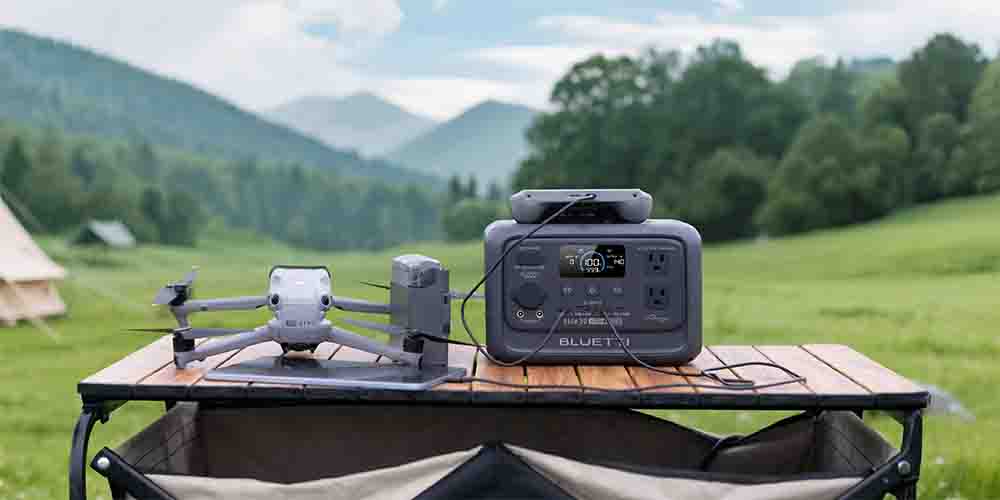
For campers, hikers, and outdoor enthusiasts, portable solar has become as essential as a good tent or sleeping bag. Imagine keeping your phones, GPS devices, cameras, and even portable refrigerators powered throughout extended trips without relying on campground hookups or noisy generators. That’s the reality for outdoor enthusiasts in 2025.
The outdoor recreation segment continues to be a major driver of portable solar adoption, with the culture of camping, RV travel, and adventure activities showing no signs of slowing down. Modern systems are perfectly tailored to these activities—they’re lightweight enough to pack into remote locations, yet powerful enough to keep all your essential electronics running indefinitely.
2. Emergency Preparedness and Power Outages
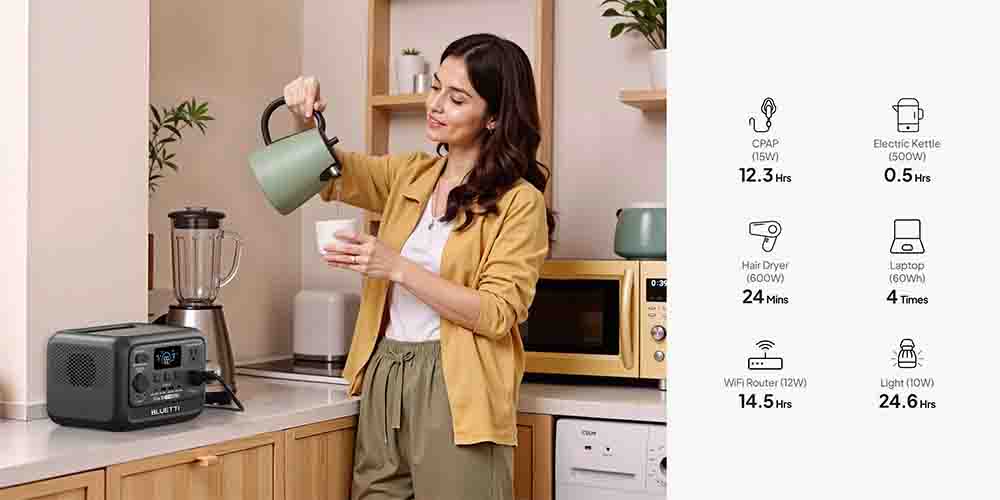
With extreme weather events and power grid instability becoming more common, many households are turning to portable solar as part of their emergency preparedness strategy. During blackouts, these systems can power essential medical equipment like CPAP machines, keep communication devices charged, run LED lights, and even power small refrigerators to preserve food and medication.
The emergency backup power segment is expected to grow at a CAGR of 16.2% through 2034, reflecting increasing awareness of the importance of having a reliable backup power source. Unlike fuel-powered generators, portable solar systems require no ongoing fuel supply, operate silently, and can be used safely indoors.
3. Mobile Lifestyles and Remote Work
The digital nomad movement has fully embraced portable solar technology. Remote workers and travellers are using these systems to power their mobile offices from anywhere with sunlight—whether that’s a beach, a mountain overlook, or their own backyard. This application was valued at USD 300 million in 2024 and is expected to grow at a CAGR of 17% through 2034.
For RV and van life enthusiasts, portable solar offers energy independence without the complexity of permanent installations. These systems can be deployed when parked and stored during travel, providing flexibility that fixed roof-mounted systems can’t match.
4. Everyday Home and Urban Use
You don’t need to be off-grid to benefit from portable solar. Many homeowners are now using these systems to reduce their grid electricity consumption during peak rate periods. By powering small appliances, charging devices, or running outdoor lighting from solar energy, households can significantly lower their electricity bills while reducing their carbon footprint.
Urban dwellers are finding creative ways to incorporate portable solar into their lives—from balcony charging stations to solar-powered workspaces in parks. The versatility of these systems makes them practical even for those with limited space.
Choosing Your System: A 2025 Buyer’s Guide
1. Sizing Your System Correctly
Selecting the right size system is crucial—too small and you’ll be frustrated by limited power; too large and you’re wasting money and portability. Here’s a simple process to determine your needs:
- List the devices you plan to power and their wattage requirements
- Estimate daily usage in hours for each device
- Calculate daily energy needs: Device Watts × Hours Used = Daily Watt-hours
- Add a 20-30% buffer for system inefficiencies and unexpected usage
To give you a starting point, here are common devices and their typical energy consumption:
Table: Portable Solar Power Requirements for Common Devices.
| Device | Power Rating | Daily Use Time | Daily Energy Need |
|---|---|---|---|
| Smartphone | 10W | 2 hours | 20Wh |
| Laptop | 60W | 4 hours | 240Wh |
| LED Camp Light | 5W | 6 hours | 30Wh |
| Small Refrigerator | 100W (cycling) | 24 hours | 600Wh |
| CPAP Machine | 40W | 8 hours | 320Wh |
2. Key Features to Prioritise in 2025
When comparing portable solar systems, pay special attention to these 2025-relevant features:
- Battery Chemistry: Opt for LiFePO4 batteries for long-term value and safety, even if they cost more upfront.
- Solar Input Capacity: Look for 300W+ solar input for reasonable recharge times, especially with larger capacity power stations.
- Modularity: Consider systems that allow you to expand capacity later with additional batteries or panels
- Weather Resistance: IP65-IP68 ratings ensure your equipment can handle outdoor conditions.
- Smart Features: App connectivity, remote monitoring, and advanced power management can significantly improve the user experience.
Compact Portable Solar Power: Top Brands and Their Features
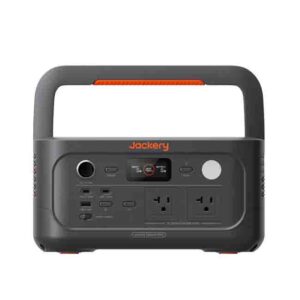
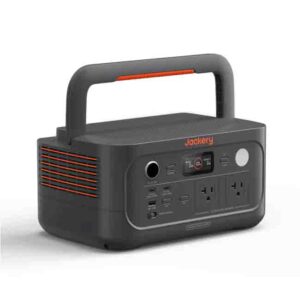
1. Jackery Explorer 600 v2 Portable Power Station
- Strong Power Anywhere: 640Wh capacity, 500W output (1000W surge) — powers 90% of outdoor devices.
- Ultra-Portable: World’s lightest 600Wh LFP power station, easy to carry anywhere.
- Flexible Charging Options: Recharge via AC, solar, or car. Hybrid charging tops up in 70 mins; solar in 8 hrs; car in 7.5 hrs.
- Charge Multiple Devices Fast: 6 ports, including dual 100W USB-C and dual 500W AC
- All-Weather Ready: Works from -4°F to 113°F, with 3000V surge protection against lightning and short circuits.
- Instant UPS Backup: ≤0.01s switch keeps computers, data, and calls safe during outages.
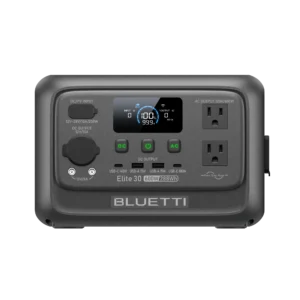
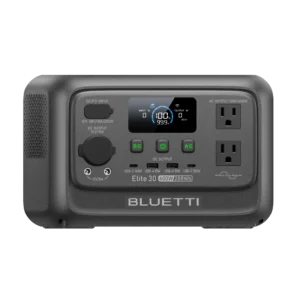
2. BLUETTI Elite 30 V2 Portable Power Station
- ≤10ms Pro-Grade UPS Backup: Seamless switch with 980W bypass power — perfect protection for sensitive devices during outages.
- 600W Rated Power, 1500W Lifting Power: Reliable performance that handles essential appliances and power surges with ease.
- 140W PD Fast Charging: Charge your laptops, tablets, and smartphones at top speed — anytime, anywhere.
- UltraCell™ Technology: Up to 50% less self-consumption and only 4.5W standby — engineered for ultimate energy efficiency.
- 288Wh Capacity with 8 Versatile Outlets: Power multiple devices at once — stay connected wherever you are.
- Long-Lasting LFP Battery: Over 3,000 cycles and a 10-year lifespan — built to perform safely for the long run.
- TurboBoost Charging: Recharge to 80% in just 45 minutes — stay powered with zero downtime.
3. EcoFlow RIVER 3 Plus Portable Power Station
- <10 ms pro-grade UPS for precision devices
- 600W rated output and 1200W X-Boost
- 2× runtime for <100W appliances
- Expandable up to 858Wh with a wire-free connection
- Compact and lightweight
- 1-hr fast charging, no battery damage
- Up to 220W fast solar charging
- <30 dB whisper quiet for 24/7 use
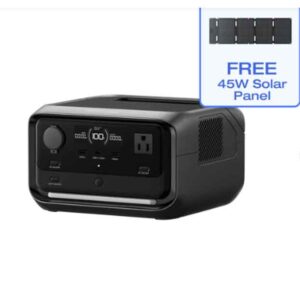
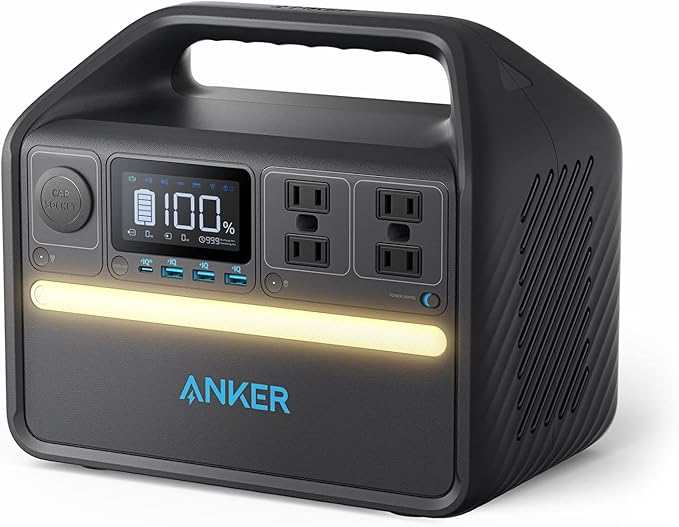
4. Anker 535 Portable Power Station
- 5-Year Full-Device Warranty: Instead of the average 2 years, the Anker 535 Portable Power Station is designed to reliably power your devices every day for 10 years. Additionally, it offers a superior 5-year full-device warranty for a guaranteed, worry-free experience.
- Extra USB-C Port: Recharge to 80% in under 2.5 hours via the in-box adapter and a USB-C port. Time to get rid of bulky adapters because charging your laptop at fast speeds only requires a single cable.
- 9 Ports for All: The power station has all the ports you need to charge your devices and appliances. It is equipped with 4 AC ports, 3 USB-A ports, a USB-C port, and a car outlet.
- All-Round Capacity: With a 512Wh capacity, the power station is an all-around solution to charge all your necessities. Seamlessly power a heater, portable fridge, lamp, and TV.
| Product Name | Capacity | Price Range | Detail | |
|---|---|---|---|---|
 |
Jackery Explorer 600 v2 | 640Wh | $379.99 – $499.99 | View |
 |
BLUETTI Elite 30 V2 | 288Wh | $219.00 – $299.00 | View |
 |
EcoFlow RIVER 3 Plus | 286Wh | $269.00 – $299.00 | View |
 |
Anker 535 Portable Power Station | 512Wh | $279.00 – $499.99 | View |
The Future of Portable Solar: What’s Next Beyond 2025?
1. Emerging Technologies on the Horizon
The rapid pace of innovation in portable solar shows no signs of slowing. Several exciting technologies are poised to transform the market in the coming years:
- Perovskite Solar Cells: These promise higher efficiency and lower production costs than traditional silicon cells. Researchers have already achieved efficiency records of over 26% with perovskite-silicon tandem cells, and commercial applications are expected in the near future.
- Ultra-Lightweight Solar Fabrics: The development of solar cells thinner than a human hair that can be laminated onto any surface points toward a future where solar integration becomes virtually seamless.
- Transparent Solar Technology: Early-stage research into transparent solar panels that could be integrated into windows and surfaces while still generating electricity could eventually influence portable designs.
2. Market Growth and Integration Trends
The portable solar charger market is estimated to be valued at USD 4.58 billion in 2025 and is expected to reach USD 11.53 billion by 2032, growing at a compound annual growth rate (CAGR) of 14.1%. This growth will likely drive further innovation and competition, benefiting consumers with better products at lower prices.
We’re also seeing increased integration with smart home systems and vehicle charging capabilities, particularly with electric vehicles. As these technologies mature, portable solar systems may become central components of comprehensive home energy management rather than standalone solutions.
Conclusion: Your Energy Independence Awaits
Compact portable solar power has evolved from a niche gadget to a genuinely practical energy solution that offers freedom, resilience, and sustainability. In 2025, these systems will be more powerful, affordable, and user-friendly than ever before, making this the perfect time to embrace solar technology.
Whether you’re looking to enhance your outdoor adventures, secure your home against power outages, reduce your electricity bills, or simply experience the satisfaction of generating your own clean energy, there’s a portable solar solution tailored to your needs. The technology has matured, the market has expanded, and the benefits are undeniable.
The sun provides an unlimited, free power source—the only thing missing is the tool to harness it. With a quality portable solar system, you’re not just buying a product; you’re investing in energy independence, peace of mind, and a more sustainable way of living. So what are you waiting for? Your personal power plant awaits.
FAQs About Compact Portable Solar Power
- Can portable solar panels really power home appliances like a microwave or refrigerator?
In most cases, yes—but with important caveats. Portable solar panels need to be connected to a power station that stores and regulates the energy. Whether you can power appliances depends on your complete system’s capacity. A 400W panel paired with a high-capacity solar generator can easily run small refrigerators, LED TVs, or even microwaves for short periods. However, consistent use of high-draw devices requires careful energy budgeting and possibly multiple panels. - How much electricity can I realistically generate with a portable solar panel in summer?
The output depends on your panel’s wattage and available sunlight. For example, EcoFlow’s 220W bifacial panel can produce roughly 1.2 kWh daily under ideal summer conditions. To put that in perspective, that’s enough to charge a smartphone 30+ times, run a laptop for 15+ hours, or power a small refrigerator for several hours. Your actual results will vary based on weather conditions, panel positioning, and geographic location. - Do portable solar panels work in cloudy weather or during the winter months?
Yes, but with reduced output. Solar panels can still generate electricity on cloudy days and in colder months, though efficiency may drop by 30% to 70% depending on cloud density. Interestingly, solar cells often perform better in cooler temperatures, so winter sun can still be effective if skies are clear. To optimise year-round performance, adjust your panel’s angle regularly and avoid shaded locations. - What’s the difference between a portable power station and a solar generator?
The terminology can be confusing, but here’s the simple breakdown: A portable power station is essentially a large battery with outlets that you charge from any power source. A solar generator is typically a bundle that includes both solar panels and a power station designed to work together. In practice, the terms are often used interchangeably, but it’s important to check whether solar panels are included or sold separately. - Are portable solar panels safe to use around children and pets?
When used correctly, portable solar panels are generally safe for families. They don’t emit fumes, make noise, or involve high-voltage wiring exposed to touch. That said, panels can become warm during peak sun hours, and proper cable management is important to prevent tripping hazards. During social events or family time, place panels in low-traffic areas and keep cords tidy to ensure safety while enjoying clean power.

You Might Also Like