

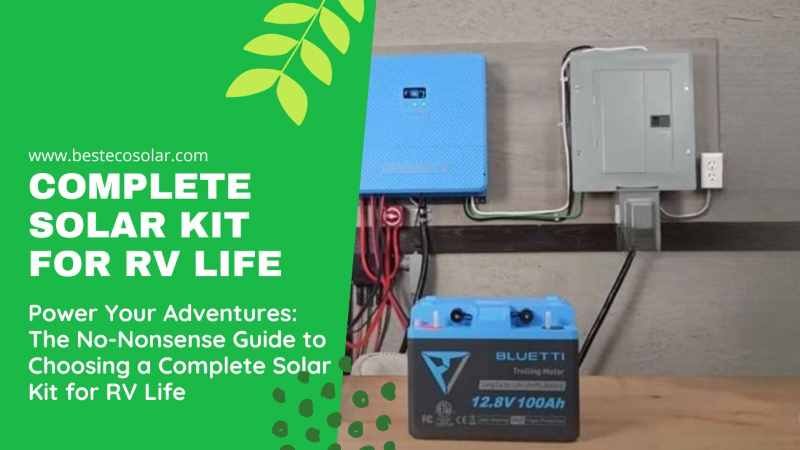
Power Your Adventures: The No-Nonsense Guide to Choosing a Complete Solar Kit for RV Life
We’re in a golden age of RV travel now, where the thought of “boondocking” without a care in the world isn’t a fantasy; it’s a fully achievable reality. The global market for these off-grid power solutions hit a staggering $5.2 billion in 2025, and it’s not hard to see why. A complete solar kit for rv isn’t just a gadget; it’s your ticket to true energy independence. But let’s be honest: diving into the world of amps, volts, and lithium phosphate can feel like learning a new language.
Complete Solar Kit for RV – That’s why I’ve put this guide together. Consider me your straight-talking friend who’s been there, done that, and has the sunburns to prove it. We’re going to cut through the jargon and figure out exactly what you need to keep your lights on, your fridge cold, and your adventures going for as long as you want.
What Exactly IS a Complete Solar Kit for RV?
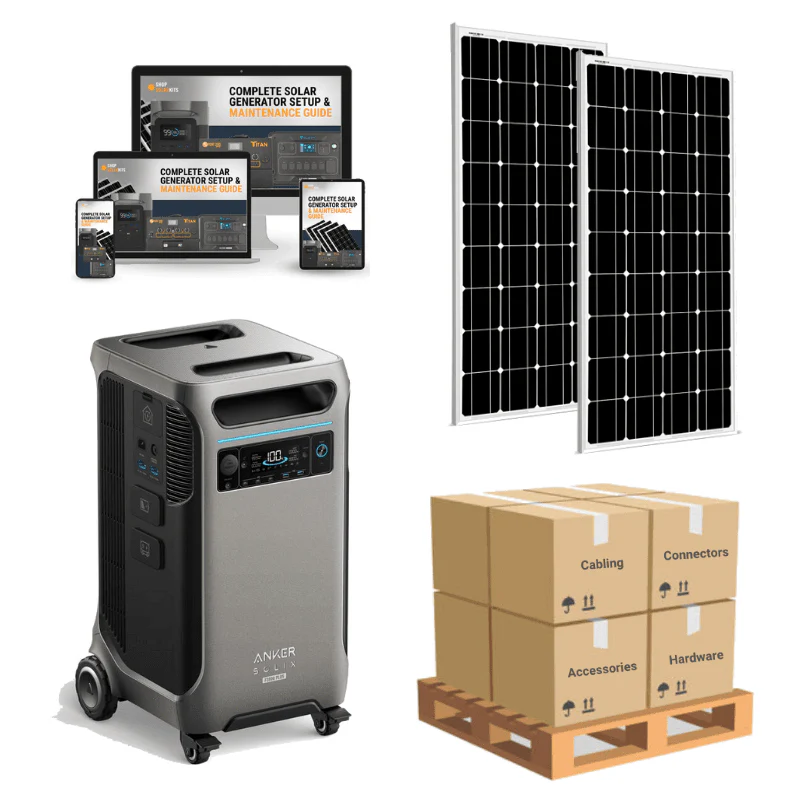
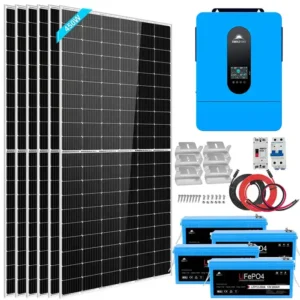
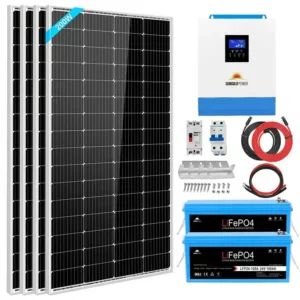
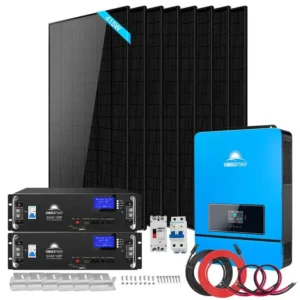
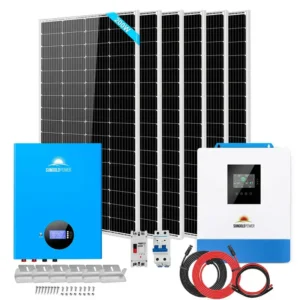
When I say “a complete solar kit for rv,” I’m not just talking about a couple of panels you slap on the roof and hope for the best. A true, soup-to-nuts all-in-one solar kit for RV campers is exactly that: everything you need in one box to generate, regulate, store, and use solar power.
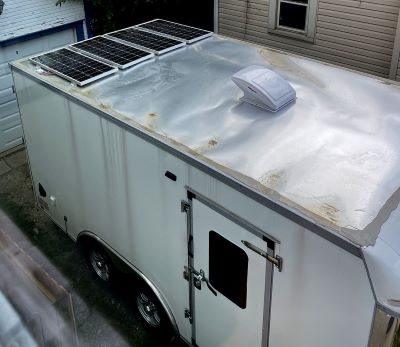 Think of it as a turnkey off-grid power system for a camper, ready to roll. If you have to spend days sourcing separate cables, a compatible charge controller, or the right gauge wire, you’ve just bought a hobby, not a kit.
A proper complete package should include four core components. First, the solar panels, which are your energy collectors. Almost all good kits today use monocrystalline panels because they’re the most efficient at squeezing watts out of every square inch of precious roof space.
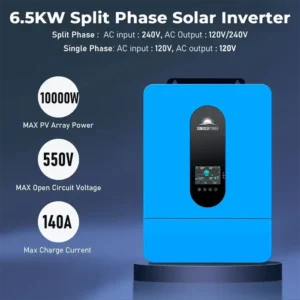
Second, the charge controller, the brains of the outfit, regulates the power flowing into your batteries to prevent overcharging. Third, the battery bank, your energy piggy bank for nighttime and cloudy days. And fourth, the inverter, which translates the battery’s DC power into standard AC power for your everyday appliances.
Stop Guessing: How to Size Your Solar Power System
This is the single biggest mistake people make. They buy a “400W solar kit” because a spec sheet said it was enough for a “typical camper,” and then they’re sitting in the dark by 9 p.m., wondering what went wrong. The secret isn’t in the marketing; it’s in a simple formula that you, and only you, can fill out: Solar Watts Needed = (Daily Energy Use in Wh ÷ Peak Sun Hours) ÷ System Efficiency.
Start by doing an honest energy audit. Grab a notepad and list every single thing you’ll power—LED lights (20-60W), a 12V compressor fridge (40 – 80W running, but cycling on and off), a microwave (900 – 1500W), and that non-negotiable coffee maker. Multiply each by the realistic number of hours you’ll use it daily to get your total daily watt-hours.
Next, research the “peak sun hours” for where you like to travel; it’s rarely a perfect 8 hours. Finally, plug those numbers into the formula, adding a 20-30% buffer for wiring inefficiencies and the fact that your panel might be covered in a thin layer of dust. That final number is your true target.
The All-in-One Solution: Why Kits with Lithium Batteries Are Winning
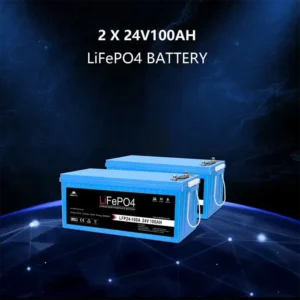
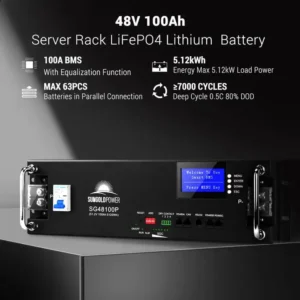
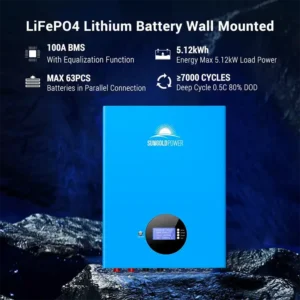
You’ve probably noticed that the most modern complete solar kit for RV with lithium battery options are everywhere. This isn’t a fad. Lithium Iron Phosphate (LiFePO4) batteries have completely changed the game, and they’re the heart of any serious off-grid system.
Let’s compare them to the old-school AGM batteries, because the difference is like night and day—literally. A 100Ah AGM battery, to stay healthy, should only be drained to 50%, giving you a usable 50Ah. A similar LiFePO4 battery? You can safely use 80-100% of its capacity.
It weighs about 40% less, lasts for 3,000 to 5,000 cycles (potentially 15+ years of heavy use), and requires zero maintenance. When you’re looking at a complete solar panel kit for RV with a battery, insisting on LiFePO4 is the smartest upfront investment you can make.
Comparing the Contenders: Top Complete Solar Kit for RV
To give you a real-world look at what’s out there, here’s a comparison of a few standout systems that range from a starter setup to a full-on, power-everything beast. These aren’t just panels; they are a true, complete solar kit for RV packages.
| Model | System Wattage | Battery Type | Key Features | |
|---|---|---|---|---|
| 1600 Watt RV Solar Kit | 1600 Watt Solar Input | 400AH 24V battery bank | Generates 10.9 amps of power, charges 12-volt batteries, has 3′ quick-connect cables with connectors, and works in series or parallel. | RV Solar Kits |
| 1200 Watt RV Solar Kit | 1200 Watt Solar Input | Compatible with various deep-cycle battery options | Automatically detects 12V/24V/36V/48V DC system voltages. | RV Solar Kits |
| 800 Watt RV Solar Kit | 800 Watt Solar Input | Compatible with various deep-cycle battery options | Fast and easy installation thanks to 14 pre-drilled holes; compatible with standard Z-brackets, ground mounts, side pole mounts, and tilt mounts. | RV Solar Kits |
| 600 Watt RV Solar Kit | 600 Watt Solar Input | 100AH 12V Lithium batteries | Built with strong, high-transmission “anti-reflective” coated tempered glass and an anodized aluminum frame. | RV Solar Kits |
| 400 Watt RV Solar Kit | 400 Watt Solar Input | 200AH 12V Lithium battery | High-quality components that work seamlessly together. | RV Solar Kits |
| BLUETTI RVSolar 48V System | Up to 3,000W Solar Input | Expandable B4810 48V LiFePO4 (up to 122kWh total!) | 5-in-1 power hub, 30-minute install, IP65-rated batteries, AI diagnostics. The futuristic, luxury option. | Tech enthusiasts and luxury RV owners want maximum power and seamless integration. |

The Dollar and Sense of It: How Much Will This Cost You?
Let’s talk turkey. What’s the damage to your wallet for one of these complete solar kits for RV setups? The range is huge, from a few hundred dollars for a basic DIY system to over $10,000 for a professionally installed, high-capacity powerhouse. It’s not a one-size-fits-all price because it’s determined by your “burn rate”.
For a solid, professionally installed system that will let you ditch the generator for good, you’re usually looking at an investment between
A step up to a complete RV solar kit with a lithium battery capable of running an air conditioner or microwave will push that number closer to . It’s a big chunk of change, but think of it this way: you’re pre-paying for years of campsite fees. Many boondockers find their system pays for itself within a few seasons of avoiding
| Name | Price Range | Details |
|---|---|---|
| SunGoldPower | $5,774 – $31,853.00 | View Collections |
| Rich Solar | $7,999 – $25,99.99 | View Collections |
| ShopSolarKits | $2,539 – $149,989.99 | View Collections |
Panel Types: Rigid vs. Flexible – Which Is Your Real Friend?
A word from the wise: I used to recommend flexible solar panels for their sleek, low-profile look. They glue directly to a curved roof and are incredibly lightweight. “What’s not to love?” I thought. Then I watched them overheat, degrade, and lose a significant chunk of their efficiency after just a couple of scorching summers.
For an all-in-one solar kit for RV campers that you plan to use for years, good old-fashioned rigid monocrystalline panels with an aluminum frame are the way to go. They’re built to last 20-25 years with proper air circulation underneath to keep them cool.
DIY vs. Calling in the Pros: The Installation Dilemma
So, you’ve got your complete RV solar panel kit sitting in the garage. Can you install it yourself? The short answer is: probably, yes. For anyone comfortable with basic tools and 12V wiring, a DIY install is a very achievable weekend project.
The general process is straightforward: plan your layout around vents and AC units, use a good RV sealant like Dicor to drill in mounting Z-brackets, run your wires through a waterproof entry gland, and mount your charge controller close to the batteries.
However, if your rig is brand new and under warranty, or you break into a cold sweat at the thought of drilling into your roof, there’s no shame in calling a mobile RV tech. Just be aware that paying to fix a “budget” install later often costs double, as a professional has to strip out the inadequate wiring and start fresh. Getting it right the first time is a form of long-term savings.
Future-Proofing Your RV’s Power System
The complete solar kit for RV you buy today doesn’t have to be the last word on your power system. The beauty of a modular kit is that it grows with you. Maybe you start with a 200-watt solar starter kit for your van and 100 amp-hours of lithium. A year later, you decide you want a composting toilet fan and Starlink. No problem. You can add a second panel and wire it in series or parallel, or even add a plug for a portable solar panel suitcase on the ground, as many kits are designed to be expandable.
Conclusion
Choosing a complete solar kit for an RV is less about picking the flashiest product and more about understanding your own travel style. It’s the quiet, invisible engine that fuels your freedom, letting you chase the sunset without a care about where the next electrical hookup is.
We’ve walked through the math, the must-have components, the real-world costs, and the gear that won’t let you down. Now, the only question left is: where will your first fully charged adventure take you?
FAQs About Complete Solar Kit for RV
A single 200W kit is fantastic for keeping the lights on, charging phones, and running a fantastic fan, but it's often a borderline case for a 12V compressor fridge. In perfect, all-day sun, it might keep up, but add a cloudy day and you'll be in the red. For consistent, worry-free fridge power, I always recommend starting with at least 400 watts of solar.
Think of it this way: a PWM controller is like a simple on/off switch, while an MPPT is a smart, continuously variable transmission. An MPPT controller can convert excess voltage into more charging current, which means it can harvest up to 30% more power from your same panels, especially in cloudy conditions. It’s a non-negotiable for any serious complete RV solar kit with lithium battery.
The most reliable method is an "energy audit." List every electrical device you use. Find its wattage (usually on a label). Multiply the wattage by the number of hours you use it daily to get "watt-hours" (Wh). Add up all the Wh for your daily total. For example, a 50W laptop used for 4 hours is 200Wh. Be honest about your usage—most people underestimate by 20%!
Yes and no. A true all-in-one solar kit for RV campers with panels, an MPPT controller, a lithium battery, and an inverter is 95% of the puzzle. However, you’ll often need to supply your own basic tools for installation and a high-quality RV roof sealant. Also, make sure the kit’s wire gauge is heavy enough for the run length between your roof and your battery bank.
Almost none, especially with LiFePO4 batteries, which don't need water level checks. The main task is to periodically clean your solar panels with a soft brush and soapy water to remove dust and bird droppings that can reduce efficiency. It’s also wise to check all connections and the roof sealant around your mounting hardware once a year to ensure everything remains tight and watertight.
You Might Also Like