

DIY Hybrid Solar Kits: Your 2026 Guide to Smart Home Energy Independence
Utility rates aren’t just creeping up; in some regions, they’ve jumped another 5-8% this year alone. It’s the kind of steady, gnawing increase that makes you wonder if you’re powering your home or funding a utility executive’s third vacation home.
DIY Hybrid Solar Kits – You’ve probably thought about solar before. Maybe you even got a quote from a big-name installer and nearly choked on your coffee at the total. The good news? A quiet revolution is happening in driveways and backyards across the country. Every day, homeowners are firing their power companies, and they’re doing it with their own two hands. The secret weapon isn’t a magic box—it’s DIY hybrid solar kits.
This isn’t about cobbling together a few salvaged panels and hoping for the best. Today’s pre-engineered kits have evolved into something that feels almost like adult Lego sets, complete with rapid-connect wiring and smart software that handles the technical wizardry for you.
If you can follow a recipe, read a basic wiring diagram, and aren’t afraid of a drill, you can build a home power plant that gives you the best of both worlds: the money-saving grid connection and the security of battery backup. Think of it as “having your cake and eating it too,” but instead of calories, you’re consuming free photons.

What Exactly Is a DIY Hybrid Solar Kit?
1. Demystifying the “Hybrid” in Hybrid Solar
Imagine a hybrid car. It uses a gas engine for the open road but seamlessly switches to a battery in stop-and-go traffic, always picking the most efficient option. A DIY hybrid solar system operates on the same principle. It’s a power plant for your home that stays connected to the utility grid but also has its own battery reserves.
This simple combination unlocks a superpower that standard grid-tied systems lack: resilience. When a storm knocks out power lines down the street, a grid-tied-only system is legally required to shut down to protect utility workers. Your hybrid system, however, detects the outage, isolates itself from the grid in a fraction of a second, and continues to hum along, powering your fridge, lights, and Wi-Fi from its battery and panels.
2. The “DIY” Part: What You’re Really Signing Up For
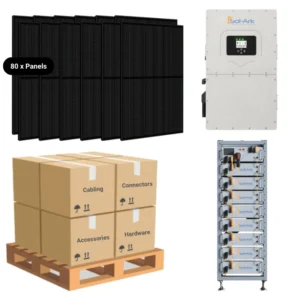
When we talk about “DIY,” we don’t mean you need to be an electrician. In 2026, it means you’re the project manager. Pre-assembled kits come with every nut, bolt, rail, and inverter you need.
The physical work is on you—hauling panels onto the roof, securing racking, plugging in weatherproof connectors—but the complex programming is handled by the “brains” of the system, the hybrid inverter, often through a smartphone app. You’re saving the massive markup of labor and project management, which can account for nearly half the cost of a professional installation.
The Anatomy of a Kit: More Than Just Glass and Metal
To understand why these kits are so effective, you need to know what’s inside the boxes. A DIY solar panel kit with a battery isn’t a random collection of parts; it’s a finely tuned ecosystem.
1. Solar Panels: The Lungs of Your Energy Body
 The solar panel is where it all starts. In 2026, the undisputed gold standard for a serious residential hybrid solar kit is the N-type monocrystalline panel. Skip anything else. These panels are hitting efficiency rates above 23%, meaning they squeeze far more wattage out of the same square footage compared to older P-type or polycrystalline panels.
You’ll see options like bifacial panels that can capture light from the back side, which is brilliant if you’re mounting them over a reflective white roof or as a ground array. A typical home kit might include 10 to 30 of these, depending on your energy appetite.
2. The Hybrid Inverter: The Brain and Brawn
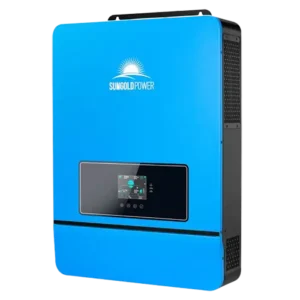
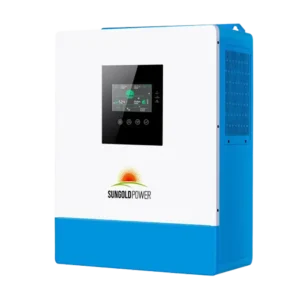
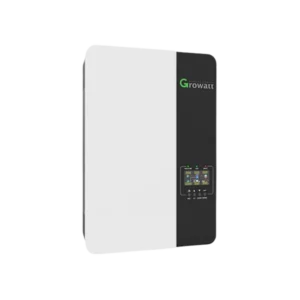
If the panels are the lungs, the hybrid inverter is the brain, heart, and central nervous system all rolled into one. This single box handles three distinct jobs simultaneously: it converts DC power from the panels into AC power for your home, converts AC power from the grid into DC to charge your batteries, and converts DC battery power back to AC during an outage.
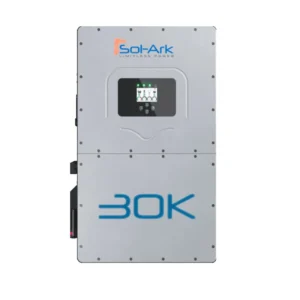
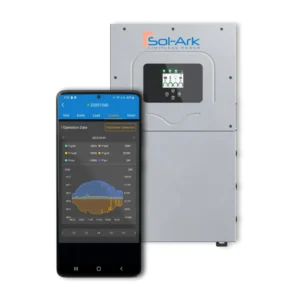
It’s a master juggler, constantly deciding where each watt should go—to your toaster, to the battery, or out to the grid for a credit. Don’t even think about buying a standalone inverter in 2026; a modern hybrid unit from brands like Sol-Ark, Deye, or Sunsynk is non-negotiable for true energy blending.
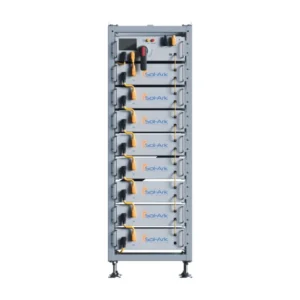
3. Battery Storage: Your Personal Energy Reservoir
This is the game-changer. A decade ago, batteries were the budget-killers of any solar project. Now, thanks to plummeting Lithium Iron Phosphate (LiFePO4) prices, it’s a different story. These batteries are safer, last longer (often with a 10-year warranty), and are far more stable than the lithium-ion cells in your laptop.
Your battery is what allows you to use your own solar energy after the sun goes down. This is called “self-consumption,” and it’s the secret to slashing your bill, especially in areas where utilities have gutted their net metering rates. You store cheap solar power during the day and use it to avoid expensive peak evening rates.
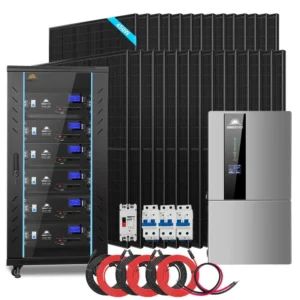
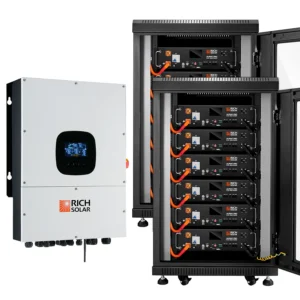
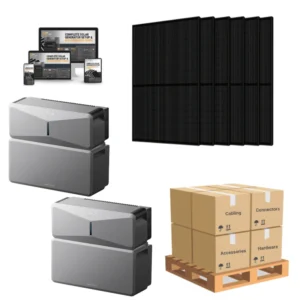
DIY Hybrid Solar Kits Provider
| Name | Price Range | Details |
|---|---|---|
| SunGoldPower | $5,774 – $31,853.00 | View Collections |
| Rich Solar | $7,999 – $25,99.99 | View Collections |
| ShopSolarKits | $2,539 – $149,989.99 | View Collections |
The Showdown: Why Hybrid Beats Going All-In on the Grid or Off-Grid
So why not just go fully off-grid? Or save a few bucks with a simple grid-tied system? It comes down to risk and reward.
1. Grid-Tied: The Cheap Date Who Leaves Early
A grid-tied system is the most affordable entry point. You slap panels on your roof and watch your meter spin backward. The downside? The moment a storm takes out the utility lines, your system instantly shuts off.
You can be generating 10kW of clean power and still be sitting in the dark because the anti-islanding safety feature prevents your system from feeding the grid while it’s down. It’s like owning a gas station that you can never use during a fuel shortage.
2. Off-Grid: The High-Maintenance Hermit
Going off-grid is the ultimate declaration of independence, but it comes with a punishingly high upfront cost. Because you have zero backup, you must oversize both your solar array and your battery bank to cover the absolute worst-case scenarios—think three cloudy winter days in a row.
This often requires 15,000 − 45,000 or more for a complete system. It’s a noble path for a remote cabin, but for a suburban home, it’s financially excessive.
3. Hybrid: The Smart Best Friend
The hybrid approach lets you be a savvy energy trader. You stay on the grid for cheap energy imports when needed, but you have a buffer against power cuts. You can even start with a smaller, more affordable battery, because you don’t need to plan for a zombie apocalypse from day one. It’s the pragmatic path to energy independence.
| Feature | Grid-Tied System | Off-Grid System | DIY Hybrid Solar Kit |
|---|---|---|---|
| Initial Cost | Lowest (8k –10k for 3kW) | Highest (16k – 22k for 3kW+ battery) | Mid-Range (14k – 18k for 3kW+ battery) |
| Power During Outage | No | Yes (full independence) | Yes (automatic backup) |
| Battery Required | Optional | Yes | Yes (included in kit) |
| Grid Connection | Required | None | Required |
| System Complexity | Simplest | Most complex (sizing for worst case) | Moderate (smart inverter management) |
| Ideal User | Budget-first, stable grid | Remote location, no grid access | Every suburban homeowner seeking security and savings |
Counting the Beans: What a DIY Hybrid Solar Kit Really Costs
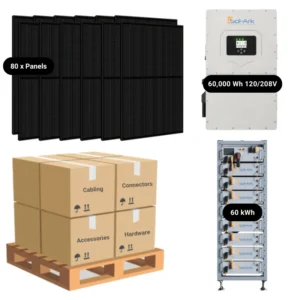
Let’s talk turkey. What’s the damage to your wallet before you start seeing savings? The price tag on a complete hybrid solar kit varies dramatically based on your home’s energy hunger, but we can break down the core components.
1. The Core Component Price Tag
A solid budget 4kW to 5kW system, which can offset a significant portion of a typical home’s usage, breaks down like this:
- Solar Panels (3–5kW): 2,000 – 4,000
- Hybrid Inverter (5kW): 1,200 – 1,500
- LiFePO4 Battery (5–10kWh): 2,500 – 4,500
- Balance of System (BMS, cables, racking, shipping): 600 – 1,000
Total Estimated Cost (Before Incentives): 6,500 – 10,000
This is the real, unglazed DIY number. A professionally installed system of the same size could easily command 14,000–25,000. The delta represents the sweat equity you’re trading for thousands of dollars in savings.
2. The Incentive That Chops 30% Right Off the Top
The financial picture gets even brighter when you factor in the federal government’s Residential Clean Energy Credit (often just called the solar tax credit). For systems installed through 2032, you’re eligible for a credit equal to 30% of the total system cost. That 10,000 DIY kit just became 7,000.
Some states and utilities sweeten the pot further with additional rebates. In California, for instance, the Self-Generation Incentive Program (SGIP) can provide substantial additional rebates specifically for adding battery storage, especially for low-income households.
From Boxes to Backup Power: A Step-by-Step Peek
Okay, you’ve ordered your kit, and a freight truck has just deposited a small mountain of boxes on your curb. Now what? Don’t panic. The process is surprisingly methodical.
1. Plan Your Attack and Pull Your Permits
Before you touch a single rail, you need a plan. Calculate your roof’s load capacity and optimal azimuth (direction). Then, brace yourself for bureaucracy. You’ll need a building permit and an interconnection agreement from your utility company. It’s paperwork, not rocket science, and many cities are finally offering expedited processes for residential solar.

2. Mounting and Wiring: The Fun Part
Installing the racking is about precision—making sure your rails are perfectly level and securely flashed to prevent leaks. Then come the panels. Modern kit connectors are literally plug-and-play. A satisfying click confirms a weatherproof seal. You’ll route the combined DC power from the roof down to your inverter, usually in a garage or utility room.
This is where you follow the kit’s schematic religiously. The positive lead goes to the positive terminal. Period. Double-check, then check again.
3. Commissioning: The Moment of Truth
With everything connected, you flip the battery breaker, then the solar input, and finally the grid connection. The hybrid inverter’s display flickers to life. You’ll watch, mesmerized, as it begins its first charging cycle, pulling free watts from the sun. This is the moment you go from being a consumer to a producer.
The Surprising Connection: Charging Your EV for (Almost) Free
Here’s a thought that might just blow your hair back: a DIY hybrid solar kit can be integrated with a Type-2 EV charger to create your own personal “home gas station.”
By syncing your charger with your hybrid inverter, you can set it to only charge your electric vehicle when your panels are producing excess solar energy. You’re literally running your car on 100% free sunshine. If your commute is modest, you could eliminate your “fuel” bill entirely.
Tricky Spots Nobody Talks About
1. The Outlet Wall
A common headache is the “outlet wall”—a section of the house that a conventional string inverter system can’t power during an outage because the circuits weren’t properly backed up. The solution is to install a critical loads sub-panel, which your installer or electrical-savvy DIYer wires directly to the inverter’s backup output.
Or, you can go with a smarter system that uses microinverters and a battery to back up the whole main panel, a feature now available in some top-tier hybrid kits.
2. Battery Sizing Paralysis
How much storage is enough? A small 5kWh battery will keep your fridge, lights, and internet running through a long outage. If you want to comfortably power air conditioning or an electric water heater, you need to think bigger, in the 10-15kWh range. Start with what you can afford, but choose a modular, stackable battery system. You can always add more later.
Maintenance: How to Keep Your Power Plant Humming
One of the best parts about a solid-state energy system is the near-total lack of moving parts. There’s no oil to change, no pistons to seize. Your primary maintenance task is the one your garden hose can handle: cleaning the panels. A layer of pollen, dust, or bird droppings can create hot spots and shave 5-10% off your production.
Give them a gentle rinse from ground level a few times a year. Most quality hybrid inverters have built-in Wi-Fi and companion apps that let you monitor every panel and battery cell from your couch. You’re not so much maintaining a machine as keeping an eye on a quietly productive member of the household.
DIY Hybrid Solar Kits: A Look at the Landscape
The market for hybrid solar kits for homes is exploding, and you have options ranging from compact wind-solar combos to massive roof-mounted arrays.
1. Small-Scale Hybrid Kits for RVs and Tiny Homes
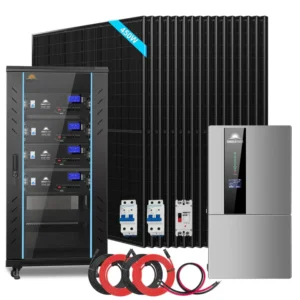
For the mobile or tiny-home crowd, a small hybrid solar kit can be a game-changer. For example, the VEVOR 400W Solar Wind Power Kit is a fascinating introduction to hybrid thinking. It pairs two 100W solar panels with a 200W wind turbine, managed by a single MPPT hybrid controller.
Generating up to 1.6kWh daily, this is enough to keep a well-planned tiny home, barn, or RV’s lights and gadgets running indefinitely. This type of DIY solar kit with a wind turbine demonstrates that hybrid isn’t just about solar and grid; it’s about merging any available resource.
2. Whole-Home Power Stations
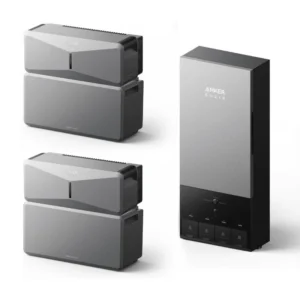
On the other end of the spectrum, serious residential hybrid solar kit options offer staggering power. Kits from companies like ECO-WORTHY Solar offer capacities up to 15.84kW, complete with dozens of high-output 440W panels and permits. This is a full-blown, permit-ready power plant designed to zero out a large home’s electric bill and then some.
Conclusion: Your Energy, Your Terms
We’ve reached a fascinating inflection point where the technology to power a home cleanly, reliably, and affordably is no longer a luxury exclusive to the wealthy or the ultra-handy. DIY hybrid solar kits have democratized energy independence. They offer a pragmatic middle path between complete reliance on a fragile grid and the budgetary extremes of off-grid isolation.
You get to lock in a fixed, low energy rate for the next 25+ years, protect your family from unpredictable outages, and pay yourself back with government incentives that make the math undeniably attractive. The sun is going to rise tomorrow, whether you’re capturing its energy or not.
The only question left is: are you going to be a passive consumer of a broken system, or are you going to become your own power company?



FAQs About DIY Hybrid Solar Kits
Yes, with a very important asterisk. A modern DIY solar installation kit is designed for a competent homeowner, not a seasoned electrician. The physical labor—mounting panels, running pre-terminated cables, and plugging in weatherproof connectors—is within the wheelhouse of anyone who can handle a basic home improvement project. However, for the final connection to your home's main electrical panel and grid, most jurisdictions and kit manufacturers strongly advise hiring a licensed electrician. This step is crucial for safety, passing inspection, and securing your interconnection agreement with the utility.
This is where a hybrid system truly shines. Unlike a grid-tied system that goes dark, your hybrid inverter will instantly isolate your home from the grid and switch to battery power. Your panels will continue to charge your battery during the day. If the outage lasts for days and battery reserves run low, your smart inverter can be programmed to conserve power, shedding non-critical loads. Some systems can even integrate a backup generator to recharge the battery in an emergency, giving you a multi-layered energy security net.
Most standard pitched roofs made of asphalt shingle, metal, or tile are straightforward. Flat roofs require ballasted or tilted racking systems. The sticking point can be older, fragile tile roofs or uniquely complex architectural designs with many valleys and dormers. Before buying a kit, thoroughly assess your roof’s age, structural integrity, and usable unshaded space. Many reputable kit vendors offer a design consultation service to verify that their standard mounting hardware will work with your specific roof type.
You can absolutely claim the credit on a self-installed system. When you file your federal taxes for the year the system was installed, you'll submit IRS Form 5695. The credit is calculated as 30% of your total project costs, which include not just the kit hardware itself, but also shipping, permits, and any labor you hired (like an electrician for the final hookup). Keep all your receipts meticulously. The credit is non-refundable, meaning it can reduce your tax liability to zero, but any excess cannot be refunded as cash; it can be carried forward to the next tax year.
You Might Also Like