


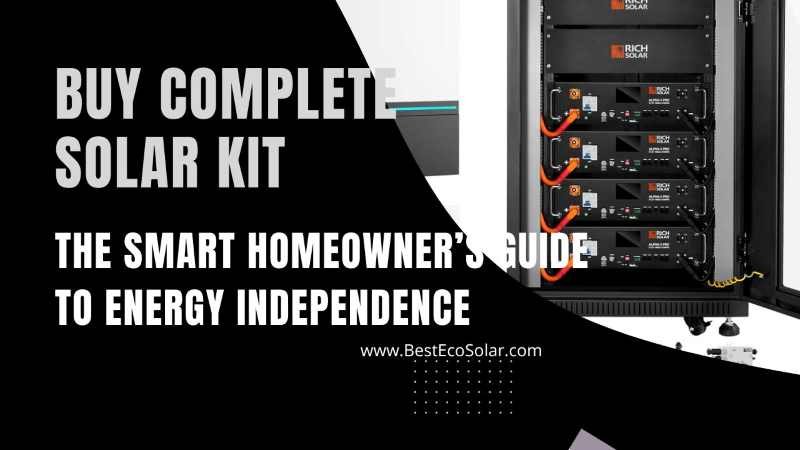
Buy Complete Solar Kit: The Smart Homeowner’s Guide to Energy Independence
Every time you open your electricity bill, it feels like someone’s playing a cruel joke on you, right? Rates climb, the AC runs overtime, and you’re left wondering if you accidentally started powering a small factory.
Buy Complete Solar Kit – I’ve been there, staring at a number that makes my coffee taste bitter. But then I stumbled onto something that changed the game entirely: a complete solar kit. Not just a random panel your neighbor has, but an entire system in a box, ready to wrestle that bill into submission.
If you’ve ever thought, “I wish I could just buy a complete solar kit and be done with it,” you’re in the right place. Let’s walk through everything you need to know, minus the jargon and the salesy fluff.

What Exactly Is a Complete Solar Kit?
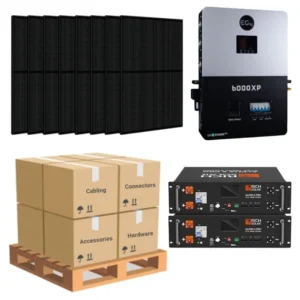
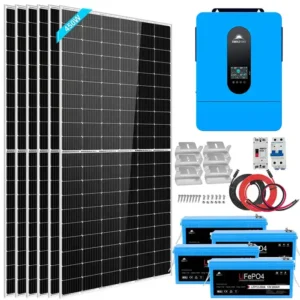
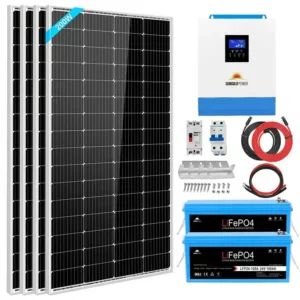
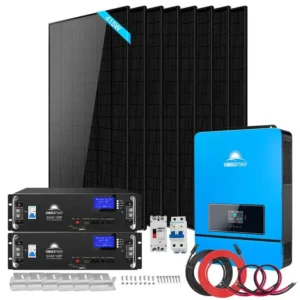
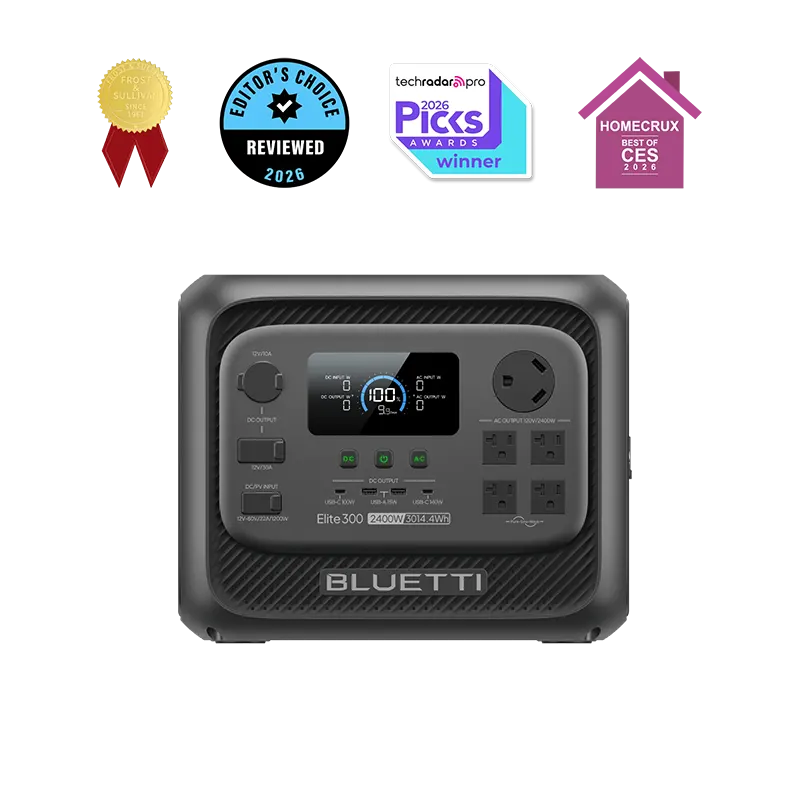
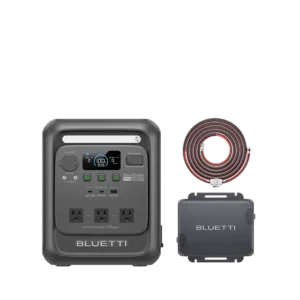
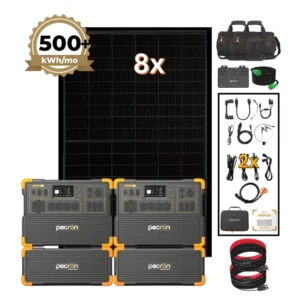
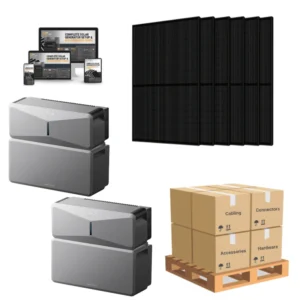
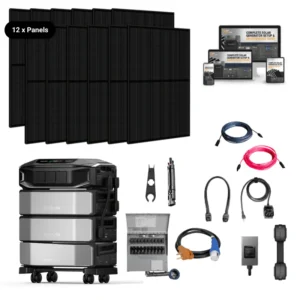
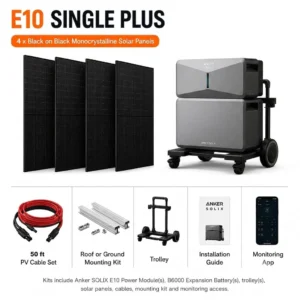
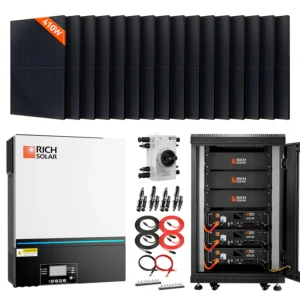
Think of it like a meal-prep box for energy. Instead of running around sourcing individual vegetables, spices, and proteins, you get everything chopped, measured, and ready to cook. A complete solar kit bundles solar panels, an inverter, a charge controller, batteries (in most cases), mounting hardware, and all the cables and connectors you need to generate usable power.
Some kits even throw in a monitoring app so you can feel like Tony Stark tracking your arc reactor. When you buy a complete solar panel kit, you’re essentially skipping the headache of compatibility guesswork—every part is designed to sing together, not scream at each other.
How a Complete Solar Kit Saves You Thousands Over Time
The upfront price tag might make you gulp, but let’s zoom out. The average American household forks over about 180 a month for electricity, and that number isn’t going down. Over 20 years, that’s north of $40,000. A robust, complete home solar kit, after incentives, can cost a fraction of that and keep churning out free electrons. It’s not magic; it’s physics with a business plan.
Breaking Down the Math: Grid Power vs. Solar Kit
Imagine you buy a complete solar kit with battery backup for 12,000 (post-tax credit). If you were previously spending $150/month, that system pays for itself in under seven years.
Everything after that is pure gravy. I like to think of it as pre-paying for 25 years of electricity at a locked-in rate of “zero.” Meanwhile, the utility company sends you love letters asking for more cash. Which side of that equation do you want to be on?
The 5 Main Components You’ll Find in Every Quality Kit
Before you jump online and search “buy solar kit online,” let’s pop the hood and meet the dream team that makes up any solid, complete solar panel kit.
1. Solar Panels – The Heart of the System
These are the rock stars, the ones soaking up photons and converting them to direct current (DC) electricity. Monocrystalline panels are the overachievers here—efficient and long-lasting. When you purchase a complete solar kit, pay attention to the panel wattage; higher is usually better if space is tight.
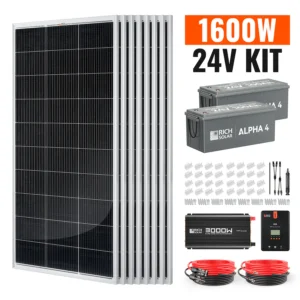
2. Charge Controller – Your Battery’s Bodyguard
DC from the panels can be wild. Without a charge controller, those electrons would rampage into your batteries like a toddler after candy, causing damage. An MPPT (Maximum Power Point Tracking) controller is the gold standard—it squeezes every drop of juice out of your panels without overcharging. Almost every reputable complete solar panel kit for the home includes one.
3. Inverter – Turning Sunlight into Usable Power
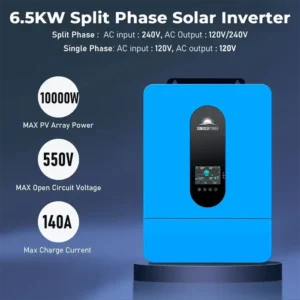
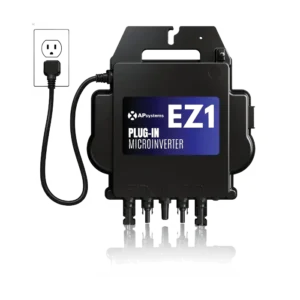
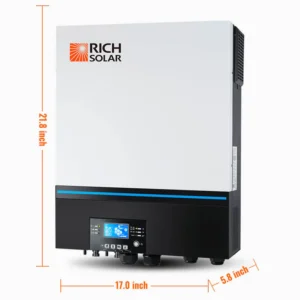
Your panels produce DC, but your fridge and TV speak alternating current (AC). An inverter is the universal translator. When you buy a complete off-grid solar kit, you’ll typically get a pure sine wave inverter that delivers clean power, safe for sensitive electronics like laptops.
4. Batteries – Storing Sunshine for a Rainy Day
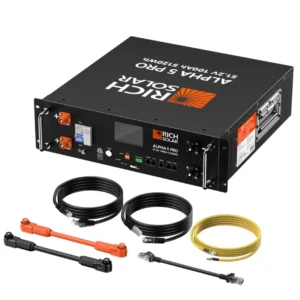
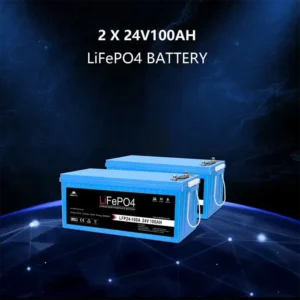
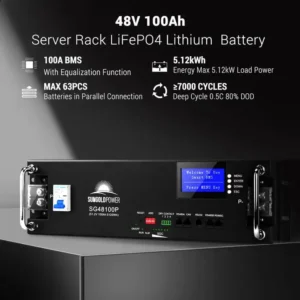
Panels alone won’t help you when the grid is down, and the sun is sleeping. That’s why the best complete solar kit with battery storage feels like having a secret energy reservoir. Modern lithium iron phosphate (LiFePO4) batteries last for thousands of cycles and don’t require the maintenance their lead-acid grandparents demanded.
5. Mounting Hardware and Cables – The Unsung Heroes
Nobody writes poems about Z-brackets and MC4 connectors, but without them, your panels become very expensive yard decorations. A quality complete solar installation kit comes with corrosion-resistant mounts and pre-cut cables, so you’re not on a first-name basis with your local hardware store manager.
Who Should Buy a Complete Solar Kit?
You might think solar is only for tech nerds or off-grid hermits. Nope. The audience for “buy a complete solar kit” searches is wonderfully diverse.
- Homeowners Tired of Rising Bills
If you own your roof and dread meter-reading day, you’re the prime candidate. A complete grid-tied solar kit with net metering capability turns your home into a mini power plant, spinning the meter backward and stacking credits. - Off-Grid Adventurers and RV Lovers
Picture pulling up to a secluded lakeside, deploying your panels, and running a blender for margaritas without a noisy generator. An RV-specific complete solar kit for RV camper life gives you that silent freedom. No campground hookups? No problem. - Small Business Owners Cutting Overhead
Imagine swapping unpredictable operating expenses for predictable sunshine. A workshop, a small farm, or a remote office can thrive on a complete commercial solar kit. Every dollar you don’t spend on electricity is a dollar added to your bottom line.
How to Choose the Perfect Complete Solar Kit for Your Needs
This is where you transform from window shopper to savvy buyer. Don’t just grab the first “buy complete solar kit” deal you see.
Step 1: Calculate Your Daily Energy Consumption
Grab a recent utility bill and find the monthly kWh used. Divide by 30. That’s your daily average. Alternatively, list every appliance you plan to run, note its wattage, and estimate run hours. Add a 20% buffer—because life happens. The number you get dictates the size of the complete solar panel kit with battery you’ll need.
Step 2: Decide Between Grid-Tied, Off-Grid, or Hybrid*
A grid-tied complete solar energy kit feeds excess to the utility, slashing bills but offering no backup during outages. An off-grid kit isolates you completely—total independence, but you must size it perfectly. A hybrid kit gives you the best of both: battery backup and grid interaction. When you buy a complete hybrid solar kit, you’re essentially hedging your bets.
Step 3: Check Wattage and Expandability
A 5kW kit might power a modest home’s lights and outlets, while a 10kW+ system handles central AC. Ask yourself: Can I add more panels later? The best affordable complete solar kit is one that grows with you, like a Lego set.
Top Mistakes to Avoid When You Buy a Complete Solar Kit
I’ve seen smart people stub their toes here. Learn from them.
Ignoring Your Roof’s Orientation and Shade
A north-facing roof under a giant oak tree won’t deliver dreams. Before you purchase a complete solar kit, spend a day observing sun patterns. Even a few hours of shade can slash output dramatically. Microinverters or power optimizers can help, but they add cost.
Overlooking Local Permits and Incentives
Nothing kills the joy of a new complete solar power kit faster than a stop-work order from the city. Check permitting requirements. More importantly, hunt down incentives. The federal Investment Tax Credit (ITC) still offers a 30% credit on the total system cost, and many states and utilities stack additional rebates. Missing those is like leaving a pile of cash on the table.
Table Comparison: Small Kit vs. Medium Kit vs. Large Kit
| Feature | Small Kit (1-2kW) | Medium Kit (4-6kW) | Large Kit (8kW+) |
|---|---|---|---|
| Ideal For | RV, cabin, small shed | Average home partial offset | Whole-home power, AC, EV |
| Average Cost (Pre-Incentive) | 1,500−3,500 | 6,000−10,000 | 12,000−20,000+ |
| Battery Included | Often optional, small capacity | Yes, 5-10kWh typical | Yes, 10-20kWh+ |
| ROI Timeline | 3-6 years | 5-8 years | 6-10 years |
| Common | Buy a small complete solar kit | Buy a complete solar panel kit for the home | Buy a full home solar kit with batteries |
Why Now Is the Best Time to Buy a Complete Solar Kit
Timing isn’t just a thing in comedy; it’s crucial for solar economics. As of 2026, panel prices have plummeted by more than 80% over the last decade. The 30% federal solar tax credit remains a massive tailwind. Electricity rates keep swelling like a sprained ankle.
Battery technology has matured, and LiFePO4 is now affordable, safe, and long-lasting. Waiting means another year of high bills without anything to show for it. When you buy a complete solar system today, you lock in savings while incentives are still juicy. Will they be around forever? Probably not.
| Name | Price Range | Details |
|---|---|---|
| SunGoldPower | $5,774 – $31,853.00 | View Collections |
| Rich Solar | $7,999 – $25,99.99 | View Collections |
| ShopSolarKits | $2,539 – $149,989.99 | View Collections |
Installation: DIY or Hire a Pro?
Most “buy complete solar kit for self-install” packages come with video tutorials and pre-labeled cables. If you can assemble IKEA furniture without a meltdown, you can probably handle a ground-mount or RV kit.
Roof-mounted arrays require a bit more bravery, a harness, and a friend. If heights make you dizzy or you dislike paperwork for interconnection agreements, hire a licensed electrician or solar installer. A few thousand dollars for labor might be worth keeping your weekends free and your medical insurance unused.
Maintaining Your Kit to Maximize Lifespan
Your complete solar panel kit isn’t a set-it-and-forget-it popcorn maker, but it’s close. Wipe panels twice a year with water and a soft brush to remove dust and bird souvenirs.
Check cable connections annually for tightness. Monitor battery state of charge via the app, and avoid letting lead-acid batteries sit discharged. LiFePO4 is tougher and loves partial charge, making it the low-maintenance champion. Basically, treat your system kindly, and it will hum along for 25+ years.
Conclusion
Energy independence doesn’t have to begin with a second mortgage or an engineering degree. It starts with a single decision to buy a complete solar kit that matches your lifestyle—whether that’s powering a tiny cabin in the woods or taking a huge bite out of a suburban electric bill.
You get the components matched, the math simplified, and the potential to watch your meter actually run backward. So, why keep renting your power from a utility that raises rates at will? Owning your sunshine is a lot more satisfying, and your wallet will write you a thank-you note every single month.
FAQs About Complete Solar Kit
Can I add more panels later if I buy a complete solar kit?
Yes, but do a little planning up front. Choose a complete solar kit with an inverter and charge controller that can handle additional wattage. Leaving headroom now saves you from replacing expensive components later.
Does a complete solar kit work during a blackout?
Only if it includes a battery backup or is a hybrid kit with islanding capability. A standard grid-tied complete solar panel kit will shut down during a blackout for safety, so linemen aren’t endangered by your power backfeeding.
How long does a complete solar kit last?
The panels typically degrade at about 0.5% per year and carry 25-year performance warranties. Inverters may need replacement after 10-15 years. LiFePO4 batteries often last 10-15 years or 4,000-6,000 cycles. So you’re looking at decades of service with minimal component swaps.
What size complete solar kit do I need to power my whole house?
For an average 2,000 sq ft home with electric appliances and central air, an 8kW to 12kW complete home solar kit with 20kWh+ battery storage is a solid starting point. Adjust based on your specific consumption and peak sunlight hours.
Are there financing options when I buy a complete solar kit?
Absolutely. Many online retailers offer “buy now, pay later” options or specialized green energy loans. Some credit unions also provide low-interest solar loans. If you combine a loan with the 30% federal tax credit, the initial cash outlay can be manageable.