
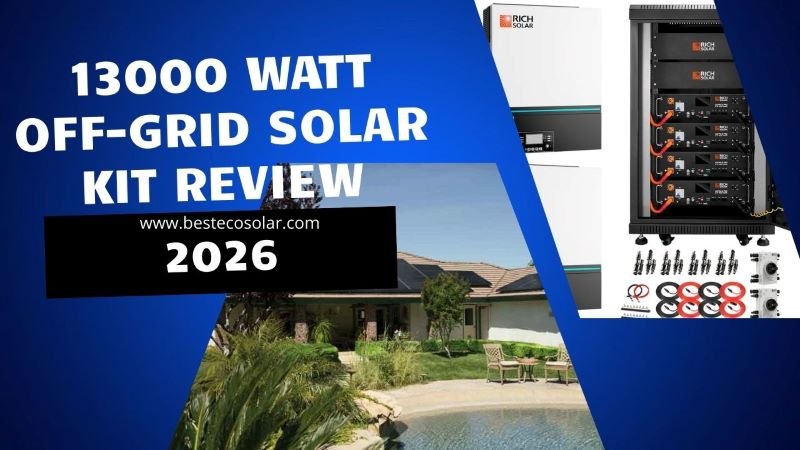
13000 Watt Off-Grid Solar Kit Review: Whole-Home Power Without the Grid
Many homeowners using this system report running their homes year-round without worrying about outages or rising utility costs.
Going off-grid used to mean living with fewer comforts. Today, that’s no longer true. With modern solar technology, you can enjoy reliable electricity, run everyday appliances, and still stay completely independent from utility companies. That’s exactly where the 13000 watt off-grid solar kit comes in.
This guide walks you through how the system works, what it includes, who it’s for, and whether it’s worth the investment. If you’ve been searching for a whole-house off-grid solar system that doesn’t cut corners, you’re in the right place.
For homeowners, cabin owners, and self-reliant individuals, these systems represent the pinnacle of energy independence. In this comprehensive guide, we’ll dissect what makes a 13kW solar system a powerhouse for off-grid living, explore the critical components, and help you understand if it’s the right solution for your journey to energy freedom.
What Is a 13000 Watt Off-Grid Solar Kit?
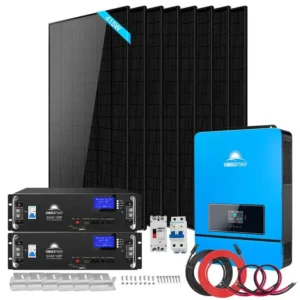
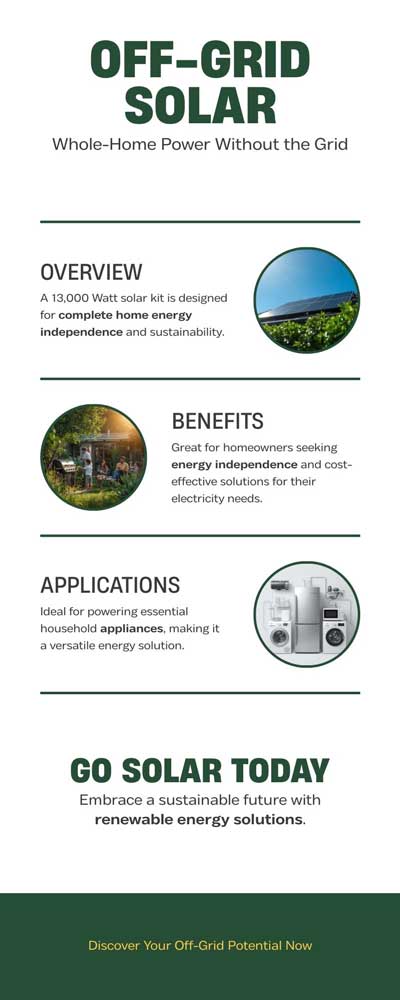 A 13000 watt off-grid solar kit is a complete solar power solution designed to generate, store, and supply electricity without any connection to the utility grid. Everything you need is included—solar panels, an inverter, batteries, and essential components. A 13,000-watt system is not a single appliance but a sophisticated ecosystem of components working in harmony. Think of it as a miniature, self-contained power station on your property.
1. The Heart: Dual 6,500W Hybrid Inverters
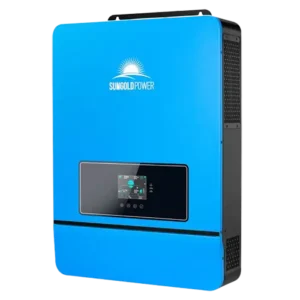
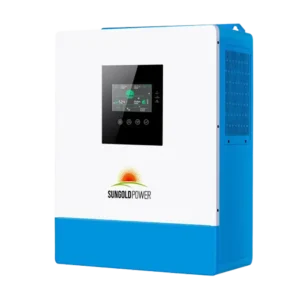
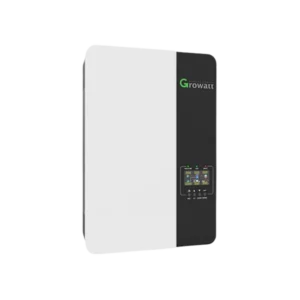
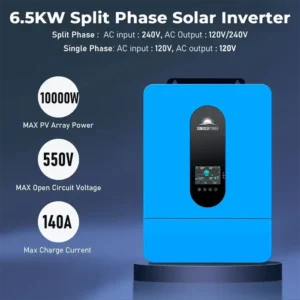
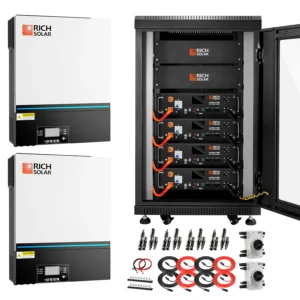
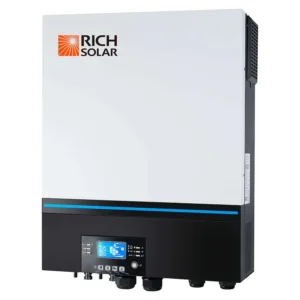
The core of the system is typically not one, but two 6,5-kilowatt hybrid inverters working in parallel. These are the brains and brawn, converting the DC electricity from your solar panels and batteries into the clean AC power your home appliances need.
A key feature is split-phase 120V/240V output, which is essential for powering standard household outlets (120V) as well as larger appliances like water pumps, electric ranges, and workshop equipment that require 240V. These inverters often come with built-in Wi-Fi for remote monitoring via a smartphone app, allowing you to track your energy production and consumption from anywhere.
2. The Fuel Source: High-Efficiency Solar Panel Arrays
You can’t have solar power without solar panels. These kits usually include a substantial array. Common configurations from various brands include:
- 14 x 415W Monocrystalline Panels (5.81 kW total)
- 20 x 415W Monocrystalline Panels (8.3 kW total)
- 22 x 450W Bifacial Monocrystalline Panels (9.9 kW total)
The monocrystalline cells are the industry standard for high efficiency and longevity, often backed by a 25-year performance warranty. The bifacial panels are a premium option, capturing sunlight on both sides to generate more energy from the same footprint.
3. The Energy Bank: Large-Capacity Lithium Battery Storage
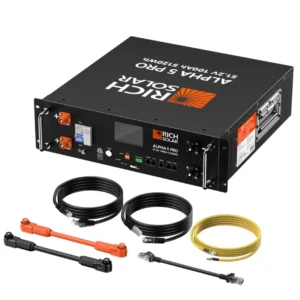
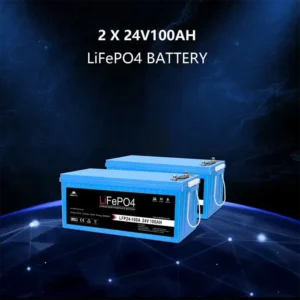
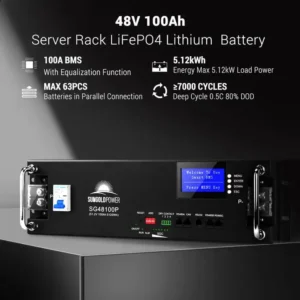
The sun doesn’t always shine, so you need a bank to store your solar earnings. Modern kits have moved decisively to Lithium Iron Phosphate (LiFePO4) battery technology, and for good reason. You’ll typically find a bank of server-rack-style or powerwall-style batteries.
A standard configuration is four or five 5.12 kWh batteries, creating a total storage capacity of 20.48 kWh to 25.6 kWh. Compared to old lead-acid batteries, LiFePO4 offers a longer lifespan (often with a 10-year warranty), deeper, safer discharge cycles, and requires zero maintenance.
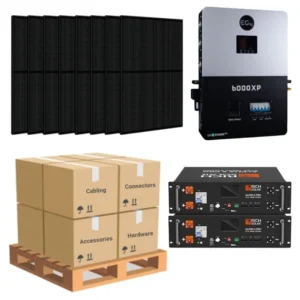
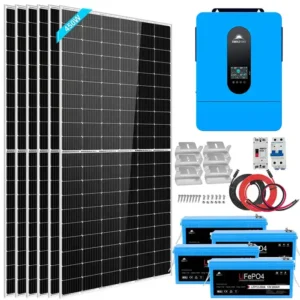
4. The Supporting Cast: All the Necessary Gear
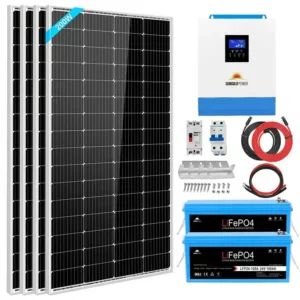
A true “complete kit” means you don’t need to source a hundred small parts. Reputable kits bundle everything required for a basic installation:
- Mounting Hardware: Z-brackets for securing panels to your roof or ground mount.
- Wiring & Cabling: Sets of solar extension cables (often 50-foot lengths) and heavy-gauge AWG cables for connecting batteries and inverters.
- Safety Components: Critical DC breakers and PV disconnect switches to protect your system from overcurrent and allow for safe maintenance.
- Battery Cabinet: A secure, enclosed rack to neatly house and protect your battery bank.
| Component | Configuration A (Standard) | Configuration B (High-Capacity) |
|---|---|---|
| Total Inverter Power | 13,000W (2 x 6,500W) | 13,000W (2 x 6,500W) |
| Solar Panel Array | 14 x 415W Panels (~5.8 kW) | 22 x 450W Bifacial Panels (~9.9 kW) |
| Battery Storage | 20.48 kWh (4 x 5.12 kWh) | 25.6 kWh (5 x 5.12 kWh) |
| Key Output | Split-Phase 120V/240V AC | Split-Phase 120V/240V AC |
Why 13,000 Watts Matters
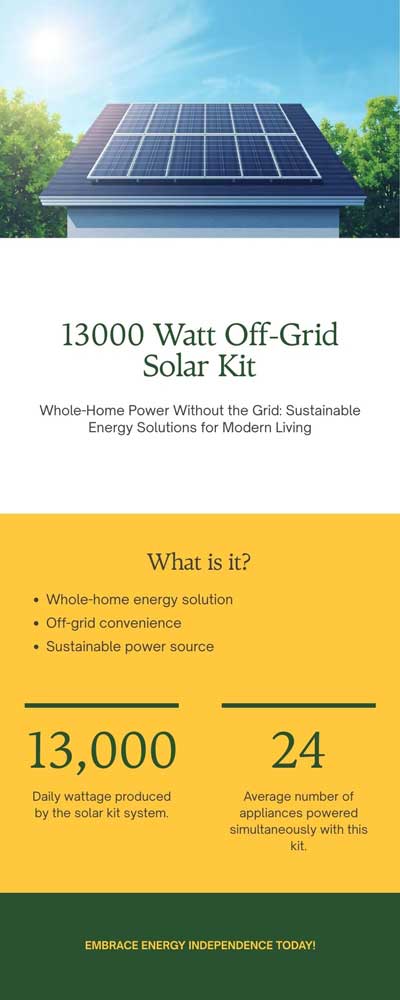 Thirteen thousand watts isn’t just a big number. It means you can power:
- Refrigerators and freezers
- Air conditioners
- Washing machines and dryers
- TVs, routers, and lighting
- Power tools and well pumps
Think of it like switching from a small generator to a full-scale power plant for your home.
What Can You Really Power? The Capabilities of a 13kW System
This is the million-dollar question. A 13,000-watt system is a serious workhorse designed for full-home, off-grid power.
- Daily Energy Production: With a good solar exposure of around 4-5 peak sun hours, a system with a 5.8kW to 9.9kW panel array can generate approximately 17 to 25+ kilowatt-hours (kWh) per day. To put that in perspective, the average U.S. home uses about 29 kWh per day. An efficient, off-grid-aware home can easily operate within this system’s production.
- Appliance Compatibility: This system is built to start and run high-surge appliances. You can reliably power:
- HVAC Systems: Central air conditioners and heat pumps.
- Major Kitchen Appliances: Refrigerators, freezers, electric stoves/ovens, and microwaves.
- Water Systems: Deep-well pumps and electric water heaters.
- Home Essentials: Lighting, computers, TVs, and washing machines.
- Workshop Tools: Table saws, air compressors, and welders (staggered use is wise).
The dual-inverter setup with a high surge capacity (often 15000 VA or more) is crucial here, as it provides the extra “oomph” needed to start the motors in pumps and compressors without crashing the system.
👉 Get Special Offers From Our Partner
Is This Kit Right for You? Ideal Applications and Scenarios
A 13kW off-grid solar kit isn’t a one-size-fits-all solution; it’s a perfect fit for specific, demanding situations.
- The Full-Time Off-Grid Home: If you’re building or living in a rural home without any grid connection, this system provides the robust, reliable power foundation you need for modern comforts.
- The Large Vacation Cabin or Retreat: For a sizable cabin that sees frequent use and has amenities like a full kitchen, multiple bathrooms, and heating/cooling, this kit ensures you never have to “conserve” power on your getaway.
- The Ultimate Grid-Backup Solution: Even if you’re connected to the grid, this system can serve as a whole-house backup power system. During an outage, it can automatically keep your entire home running for days, not just a few lights and a fridge.
- Small Remote Businesses or Workshops: Powering a workshop, a farm building, or a small commercial site where grid power is unavailable or prohibitively expensive to extend.
1. How Much Power Can a 13000 Watt Solar System Produce Daily?
Daily output depends on sunlight, but real-world estimates are impressive.
Average Daily Energy Production
- 4–6 peak sun hours per day
- Roughly 50–70 kWh daily
That’s more than enough for most households using a whole-house off-grid solar system responsibly.
2. Can a 13000 Watt Solar System Run an Entire House?
Yes—with smart energy management, it absolutely can.
Appliances You Can Run Comfortably
- Central or mini-split air conditioning
- Kitchen appliances
- Electric water heaters
- Home office equipment
- Lighting and entertainment systems
Many homeowners report running their homes year-round using a 13000 watt off-grid solar kit without feeling restricted.
The Investment: Cost Analysis and Long-Term Value
Let’s talk numbers. Complete 13kW off-grid kits represent a significant investment, but one that pays dividends for decades.
- Upfront Price Range: Based on configurations and brands, prices for a complete kit (panels, inverters, batteries, hardware) typically range from $10,000 to over $17,000. Higher-priced kits often include more panels, larger battery banks, or premium components.
- The 30% Federal Solar Tax Credit: This is a massive factor in affordability. In the United States, you can deduct 30% of the total system cost (including installation if you hire a pro) from your federal taxes. On a $15,000 system, that’s an immediate $4,500 savings.
- Long-Term Savings & Value: Once installed, your “fuel” costs drop to near zero. You’re also insulating yourself from ever-rising utility rates. With system lifespans of 25+ years for panels and 10+ years for batteries, the long-term return on investment is substantial. You’re not just buying electricity; you’re buying energy security and price stability.
1. Battery Options: The Key to Reliable Off-Grid Living
Your batteries determine how comfortable your off-grid experience will be.
| Feature | Lithium Batteries | Lead-Acid Batteries |
|---|---|---|
| Lifespan | 10–15 years | 3–5 years |
| Depth of Discharge | Up to 90% | About 50% |
| Maintenance | None | Regular |
| Efficiency | Very high | Moderate |
For a high-capacity solar power kit, lithium batteries are the smarter long-term choice.
Off-Grid Solar Kit Supplier
| Name | Price Range | Details |
|---|---|---|
| SunGoldPower | $5,774 – $31,853.00 | View Collections |
| Rich Solar | $7,999 – $25,99.99 | View Collections |
| ShopSolarKits | $2,539 – $149,989.99 | View Collections |
2. Installation: DIY-Friendly or Professional Setup?
- DIY Installation: If you’re technically skilled, many homeowners successfully install an off-grid solar kit for home use themselves.
- Professional Installation: Hiring a licensed installer ensures code compliance and peace of mind—especially for large systems like this.
3. System Lifespan: How Long Will It Last?
Expected Component Lifespan
- Solar panels: 25–30 years
- Inverter: 10–15 years
- Batteries: 10–15 years
With basic care, a complete off-grid solar system can power your home for decades.
4. Is the 13000 Watt Off-Grid Solar Kit Worth the Cost?
Upfront cost can feel intimidating—but the long-term math tells a different story.
Long-Term Financial Benefits
- No electricity bills
- No fuel expenses
- Protection from rising utility rates
Over time, many homeowners find that their 13000 watt off-grid solar kit pays for itself.
How This System Compares to Smaller Solar Kits
| Feature | 4000W System | 8000W System | 13000W System |
|---|---|---|---|
| Full Home Power | ❌ | ⚠️ | ✅ |
| AC Support | Limited | Moderate | Full |
| Battery Capacity | Small | Medium | Large |
| Best Use | Cabins | Small homes | Whole homes |
Critical Considerations Before You Buy: It’s Not Just a Box
Purchasing a kit is step one. A successful installation requires careful planning.
- Professional Installation is Highly Recommended: While marketed as “complete,” installing a system of this size and voltage involves high-current DC and AC wiring, often on a roof, and compliance with local electrical codes (NEC). Hiring a certified solar installer ensures safety, optimal performance, and that your system will pass inspection.
- The Site Survey is Key: You must assess your location’s solar access (no shading), suitable mounting area (roof strength or ground space), and plan for proper equipment placement (a cool, dry place for batteries and inverters).
- The Modular Advantage: One of the best features of these systems is their built-in scalability. You can start with the core kit and later add more solar panels or batteries as your budget allows or energy needs grow. Ensure the inverter you choose supports this parallel expansion.
👉 Get Special Offers From Our Partner
Conclusion: Is the 13000 Watt Off-Grid Solar Kit the Right Choice?
If your goal is full energy independence without sacrificing comfort, the 13000 watt off-grid solar kit is a powerful solution. It delivers reliability, long-term savings, and peace of mind—without fuel costs or grid dependence. Once you experience uninterrupted solar power, it’s hard to imagine going back.
A 13000-watt complete off-grid solar kit is more than just a product; it’s a declaration of independence. It’s a turnkey solution that provides the serious power required to live a modern, comfortable life completely free from the grid. By combining robust hybrid inverters, efficient solar panels, and safe, long-lasting lithium batteries, these systems offer a reliable and scalable path to energy self-sufficiency.
While the upfront cost is meaningful, the long-term savings, combined with powerful incentives like the federal tax credit, make it a savvy investment in your property and your future. If you’re ready to take full control of your power, a 13kW system stands ready to light the way.
FAQs: Your 13000W Off-Grid Solar Kit Questions, Answered
- Can this system really power my entire home, including air conditioning?
Yes, absolutely. The 13,000W output and high surge capacity are specifically designed to handle heavy loads like central air conditioning, well pumps, and major kitchen appliances. It’s engineered for full-home, off-grid living. - How long will the batteries last during a cloudy period or at night?
With a typical 20-25 kWh battery bank, an average efficient home could run for 24 to 48 hours or more without sun, depending on usage. By managing high-consumption appliances, you can extend this time significantly. The system prioritizes recharging the batteries as soon as the sun returns. - What happens if I need more power in the future? Can I expand the system?
A major benefit of these kits is their modular design. Most allow you to parallel additional inverters (up to 6 total) and add many more compatible batteries and solar panels. You can start with the core system and grow your power plant as needed. - Do I need a backup generator with this solar kit?
It’s not strictly necessary, as the system is designed to be self-sufficient. However, many off-grid homeowners choose to have a generator as a backup for extended periods of severe weather (like multiple snow-covered days) to ensure they can always recharge their batteries if needed. - What kind of maintenance does the system require?
Very little. The solar panels may need occasional cleaning if they get dirty. The lithium batteries are completely maintenance-free—no watering, equalizing, or terminal cleaning like old lead-acid batteries require. The system primarily just needs to be monitored, which is easily done via the inverter’s mobile app. - Can a 13000 watt solar system run an entire house?
Yes, with proper battery storage and smart usage, it can support full household power needs. - How many solar panels are typically included?
Most systems use 30–40 high-efficiency panels, depending on panel wattage. - Is this system expandable in the future?
Yes, additional panels and batteries can usually be added. - Does it work during cloudy days?
Yes. Stored battery energy ensures continuous power availability. - How long does installation take?
Professional installation typically takes 2–5 days.
You Might Also Like