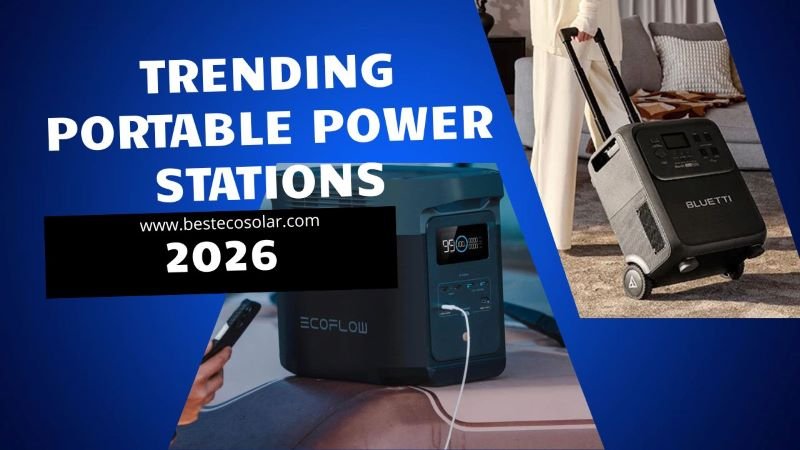
Power Up Anywhere: The 2026 Guide to Trending Portable Power Stations
Imagine you’re in the middle of a serene camping trip, or worse, a sudden home blackout on a stormy night. Now, imagine having a silent, reliable power source that keeps your lights on, devices charged, and essentials running. That’s the peace of mind a modern portable power station offers. We’ve moved far beyond the noisy, fume-spewing generators of the past. Today’s units are sleek, intelligent energy hubs that are becoming as essential as a smartphone.
Trending Portable Power Stations – How do you choose between a compact solar companion for your tent and a beast capable of backing up your entire house? That’s where we come in. This guide will cut through the noise. We’ll explore the biggest trends defining 2026, from AI-powered energy management to blazing-fast charging, and break down the best models for every need and budget. Let’s plug in and discover how to untether yourself from the wall outlet for good.
Why Portable Power Stations Are Trending Off the Charts in 2026
The portable power station market isn’t just growing; it’s on fire. Valued at $4.6 billion in 2025, it’s projected to climb to $6.33 billion by 2030. But what’s fueling this surge? It’s a perfect storm of lifestyle changes and tech innovation.
First, our collective desire to explore hasn’t diminished—it’s evolved. Participation in outdoor recreation hit 1.71 billion outings in the U.S. alone in 2023. We’re not just camping; we’re working remotely from vans, hosting elaborate tailgates, and embracing “van life.” All these activities crave clean, quiet electricity for gadgets, cooking, and comfort.
Simultaneously, climate consciousness and practical worries are driving demand at home. Extreme weather events are causing more frequent and prolonged power outages, making a home backup system a core part of modern emergency preparedness. People want resilience, and they want it without the racket and fumes of a traditional gas generator.
Finally, the technology itself has become irresistibly good. Batteries are safer and longer-lasting, solar charging is more efficient, and smart features make these stations easier to use than ever. They’ve transitioned from niche gadgets to mainstream essentials.

Cutting-Edge Features Defining 2026’s Portable Power Scene
Gone are the days of simple battery boxes. The top trending portable power stations of 2026 are packed with intelligent, user-centric features that feel like they’re from the future.
1. The Rise of AI and Smart Energy Management
The biggest buzzword for 2026 is AI integration. Companies like EcoFlow are pioneering AI assistants for power stations designed to take the guesswork out of energy management. Imagine a system that analyzes weather forecasts, learns your power usage patterns, and automatically optimizes charging from the grid or solar panels to ensure you’re never caught powerless during a storm. It’s about proactive energy security, making planning for outages an afterthought.
2. Modularity & Expandability: Your Power, Your Way
Why buy a whole new unit when you can just add more battery? Modular expandability is now a must-have for mid-to-large stations. Brands like Jackery, EcoFlow, and Bluetti let you connect external battery packs. For instance, the Jackery Explorer 2000 Plus can start at 2kWh and expand to a staggering 24kWh with extra batteries. This “build-as-you-go” approach offers incredible flexibility and protects your investment as your needs grow.
3. Lightning-Fast Charging: No More All-Day Waits
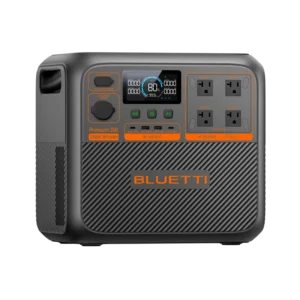
Waiting 8 hours for a full charge is ancient history. Ultra-fast charging is now a key battleground. Using advanced tech like GaN (Gallium Nitride) semiconductors, models like the EcoFlow River 2 Pro can recharge fully in just over an hour. The Bluetti AC70 boasts a “Turbo Charging” mode that hits 80% charge in about 33 minutes. This is a game-changer, especially during short windows between power outages or on a quick campground stop.
4. Superior Battery Chemistry: LiFePO4 Takes Over
Your power station’s heart is its battery, and the clear winner is LiFePO4 (Lithium Iron Phosphate). Compared to older lithium-ion types, LiFePO4 batteries are safer, more stable, and have a much longer lifespan—often 3,000 to 4,000 cycles before hitting 80% capacity. This means they can last for a decade of daily use. While they can be slightly heavier, the trade-off in longevity and safety is why they dominate the premium market.
Your Step-by-Step Guide to Choosing the Perfect Station
With so many features, finding your match can seem daunting. Let’s simplify it into four key questions. Think of it as finding the right vehicle: you wouldn’t use a semi-truck for a grocery run or a scooter for a cross-country move.
1. Capacity (Wh): “How much gas is in the tank?”
Capacity, measured in watt-hours (Wh), is your total energy storage. It answers: How long can it run my devices?
- 100-300Wh: Good for phones, laptops, and cameras. Think: weekend camping for small gadgets.
- 500-1000Wh: The versatile sweet spot. Can power a mini-fridge, TV, or CPAP machine for hours. Ideal for weekend camping with more gear or short home outages.
- 1500Wh+: For powering kitchen appliances, heavy-duty tools, or essential home circuits for extended periods.
2. Power Output (W): “How wide is the hose?”
Output, measured in watts (W), is the maximum flow of power at any moment. It answers: Can it even start my device?
Check the continuous wattage of your highest-draw appliance (e.g., a microwave might be 1,200W). Your station’s continuous output must exceed this. Also note the surge rating, which handles the brief startup spike from motors in fridges or tools.
3. Portability vs. Power: “Where will it live?”
Be honest about mobility. A 50-pound station with wheels is great for rolling to your RV but not for a backcountry hike. Compact units under 20 pounds offer true grab-and-go convenience but sacrifice capacity.
4. Recharging: “How do I refill the tank?”
- AC Wall Outlet: The standard method. Look for fast-charge capabilities.
- Solar Input: Crucial for off-grid adventures. Check the max solar input (e.g., 500W) – higher means faster solar recharging.
- Car Charging: A useful option for road trips.
Pro Tip: Many real-world tests show stations deliver 85-95% of their rated capacity. Always plan for a little less than the advertised number.
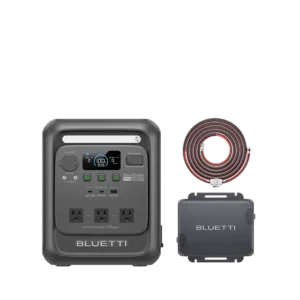
Head-to-Head: 2026’s Top Trending Portable Power Stations
To make your choice easier, here’s a comparison of five top-trending models that excel in different categories, based on extensive testing from expert reviewers.
| Model | Capacity | Continuous Output | Best For | Key Feature | Weight |
|---|---|---|---|---|---|
| EcoFlow River 2 Pro | 768Wh | 800W | Best Overall Balance | Charges 0-100% in ~70 mins; Super portable (17.2 lbs) | 17.2 lbs |
| Jackery Explorer 2000 Plus | 2,042Wh (Expandable) | 3,000W | Expandable Powerhouse | Scalable to 24kWh; High 88% real-world capacity | 61.5 lbs |
| Anker Solix C1000 (Gen 2) | 1,024Wh | 2,000W | Best Value for Most People | Great price-to-power ratio; Fast recharge | 24.9 lbs |
| DJI Power 1000 V2 | 1,024Wh | 2,200W | Creative Pros & Quiet Use | Near-silent operation; Fast-charges DJI gear | ~25 lbs |
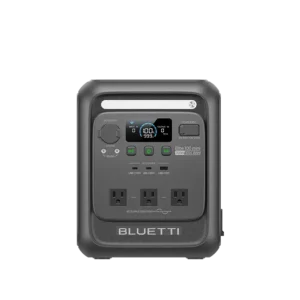
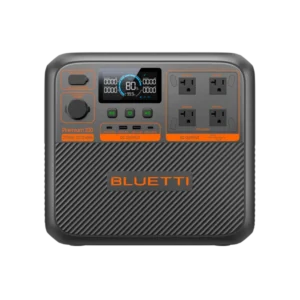
| Bluetti AC70 | 768Wh | 1,000W | Budget-Friendly Speed | Turbo charge to 80% in ~33 mins; Great display | 22.5 lbs |
Trending Use-Cases: Matching the Station to Your Adventure
1. The Off-Grid Adventurer & Camper
For you, portability and solar charging are king. A station in the 300Wh to 1000Wh range is ideal. The EcoFlow River 2 Pro is a top pick for its blend of capacity and ultra-fast recharge, getting you ready for the next day quickly. The ultra-quiet DJI Power 500 is perfect if you’re recording nature sounds or want zero noise pollution. Don’t forget a compatible solar panel—it’s your ticket to limitless energy in the wild.
2. The Home Backup Prepper
Your needs are about sustained power and high output. Start with a base unit of at least 1500Wh with strong expandability. The Jackery Explorer 2000 Plus is a favorite for its massive expansion potential. For serious whole-home backup, the EcoFlow Delta Pro 3 (4kWh, expandable to 48kWh) can integrate with a smart home panel to run essential circuits. Pair it with solar panels to create a personal microgrid that keeps you running through extended outages.
| Product Name | Price Range | Details |
|---|---|---|
| EcoFlow DELTA Pro 3 Portable Power Station | $2,699.00 – $3,699.00 | View |
| Jackery 3600 Plus | $1,699.00 – $2,799.00 | View |
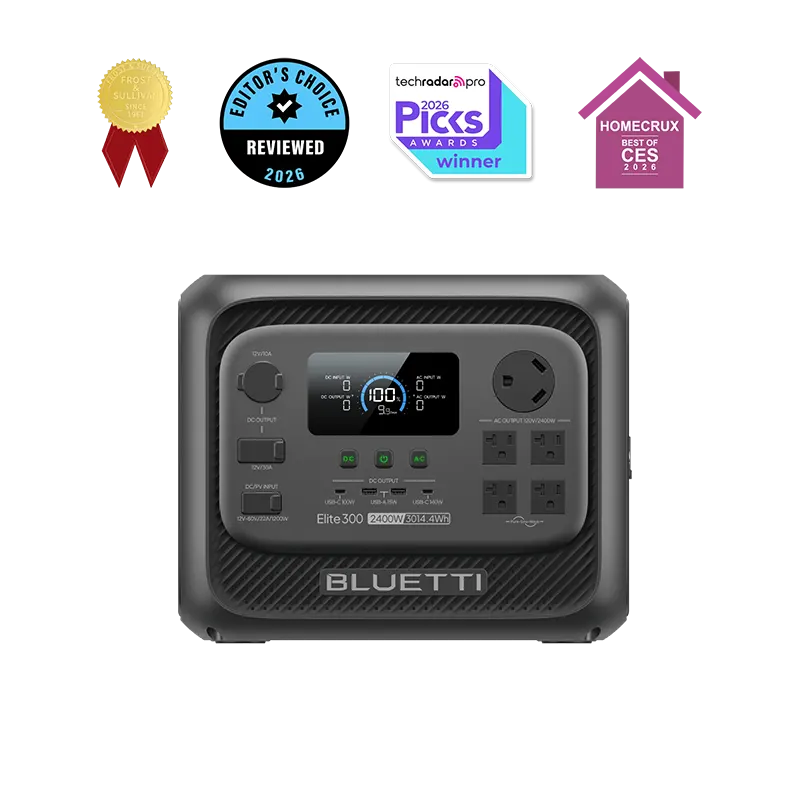
| BLUETTI Elite 400 Portable Power Station | $2,999.00 | View |
| Pecron E3600LFP Power Station | $1,259.00 – $2,299.00 | View |
| EcoFlow DELTA Pro Ultra X Whole-Home Backup Power | $7,999.00 – $10,597.00 | View |
3. The Remote Worker & Van Lifer
You need reliable, clean power for sensitive electronics (laptops, monitors) and daily appliances. Look for a pure sine wave inverter (a must for electronics) and a balance of capacity and portability. The Anker Solix C800X is a clever choice with its built-in, removable LED lights—perfect for a mobile workspace or campervan. Models in the 1kWh range offer a great balance, allowing you to work and live comfortably without constant recharge anxiety.
Future Gazing: What’s Next for Portable Power?
The innovation isn’t slowing down. Looking beyond 2026, we see a few clear trajectories. Integration with home energy ecosystems will deepen, with stations acting as central nodes that manage solar roof input, EV charging, and home battery walls.
Furthermore, as solid-state battery technology matures and commercializes, we can expect even safer, higher-density batteries that make stations lighter and more powerful. Finally, connectivity will become standard, with app control and energy data analytics helping users optimize every watt and save on energy bills. The portable power station is evolving from a standalone product to the beating heart of a modern, resilient, and independent energy lifestyle.
Conclusion
Trending Portable Power Stations – The world of trending portable power stations in 2026 is defined by smart, adaptable, and powerfully efficient technology. Whether you’re securing your home against the next storm, chasing freedom on the open road, or simply wanting to keep your devices alive under the stars, there’s a perfect station waiting for you.
Remember, the best investment isn’t necessarily the biggest or most expensive one—it’s the one that aligns precisely with your capacity needs, output requirements, and lifestyle dreams. Use this guide as your roadmap, assess your true needs, and step confidently into a world of limitless, clean power.

FAQs
- How do I calculate what size portable power station I actually need?
Make a list of the essential devices you want to power and their wattage. Multiply each device’s wattage by the number of hours you need to run it, then add those watt-hour (Wh) figures together. This gives you a minimum capacity target. For example, a 50W laptop used for 4 hours (200Wh) plus a 10W LED light for 8 hours (80Wh) means you need at least 280Wh. Always add a 20-30% buffer to your final number. - Can I really use a portable power station to run my home refrigerator during an outage?
Yes, but you need to choose carefully. A standard fridge may require 200-800 watts while running, with a much higher surge when the compressor kicks on. You’ll need a station with a continuous output rating higher than the fridge’s running wattage and a surge rating to handle the startup spike. A unit with at least 1000Wh capacity and 1500W output, like the Jackery 2000 v2, could run a modern fridge for well over 24 hours. - Are portable power stations with solar panels truly “unlimited” power sources?
They can be, with the right conditions. A solar panel doesn’t add capacity; it’s a recharging method. On a sunny day, a good solar panel can fully recharge your station. This creates a cycle: use power at night, recharge by day. For true off-grid independence, your solar panel’s daily energy harvest must exceed your daily energy use. It requires planning but offers incredible freedom. - What’s the difference between NCM and LiFePO4 batteries, and which is better?
NCM (Lithium Nickel Manganese Cobalt Oxide) batteries have higher energy density (more compact) but generally have a shorter lifespan (500-800 cycles) and are more sensitive to heat. LiFePO4 (Lithium Iron Phosphate) batteries are slightly bulkier but are renowned for safety, longevity (3,000+ cycles), and stability. For a stationary home backup or any application where longevity is key, LiFePO4 is the superior choice. - Is it safe to use a portable power station indoors or while sleeping?
Absolutely. This is a major advantage over gas generators. Portable power stations produce no fumes, carbon monoxide, or harmful emissions. They are silent and designed for safe indoor use. You can confidently run a CPAP machine or charge devices in your bedroom overnight. Just ensure it’s placed in a dry, well-ventilated area and isn’t covered by blankets to prevent any potential overheating.
You Might Also Like