



Complete Solar Kit for Home: The 2026 Ultimate Guide to Full Home Solar Power
I’ve helped three neighbors unpack their full home solar kits this spring, and every single one said the same thing: “Why didn’t I do this sooner?” If you’re ready to stop renting your power from a utility and start owning your energy, a complete home solar kit is your ticket. This guide walks you through the entire journey—no jargon overload, just real talk about finding the right whole house solar kit for your life.
What Exactly Is a Complete Solar Kit for Home?
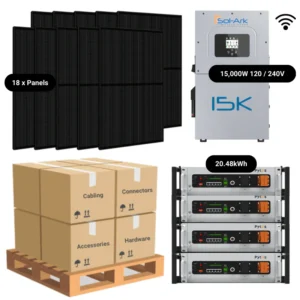
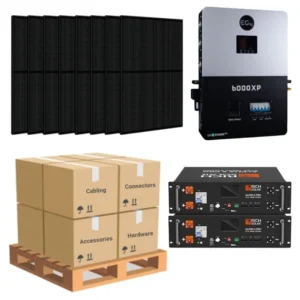
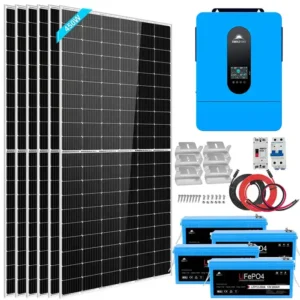
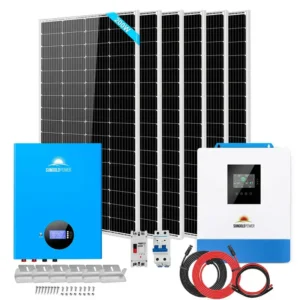
Think of a complete solar kit for home the way you think about a meal-kit subscription. Open the delivery, and you find solar panels, an inverter or microinverters, racking, wiring, safety disconnects, and a monitoring gateway—all pre-matched to play nice together.
You don’t need to be an electrician to understand what’s inside because a full home solar kit eliminates the guesswork. Some kits even bundle battery storage for a plug-and-play energy fortress.
When you buy a complete residential solar kit, you’re getting a system that has been engineered so every connector, voltage, and bolt fits. That’s the opposite of piecing together parts from three different websites and praying the charge controller doesn’t throw a tantrum.
In other words, a complete solar power kit for home is harmony in a box—no missing washers, no late-night compatibility panics.

Is the Perfect Year to Invest in a Full Home Solar Kit?
The stars have lined up in ways that make a complete solar panel kit for the home almost irresistible this year. Let’s dig into what’s changed.
1. Plummeting Prices and Better Tech
Solar panel efficiency for residential units has shot above 25%, yet the price per watt in a full home solar kit has sunk to around 0.40 before incentives.
A 7kW complete solar kit for a house that might have set you back 18,000 a decade ago now costs 7,000 – 8,000
2. New Tax Incentives and Rebates
The federal tax credit holds strong at 30% in 2026, but state-level sweeteners for battery-ready systems are popping up everywhere. Some utilities even hand out performance-based incentives that shrink the payback period of a complete grid-tied solar kit for home to four years. When you combine these, a complete solar kit with battery backup starts looking less like a luxury and more like a shrewd wealth move.
Breaking Down the Components of a Home Solar Kit
Before you hit “order,” let’s open the virtual box and meet the team inside your complete solar kit for home.
 1. Solar Panels – The Heart of Your System
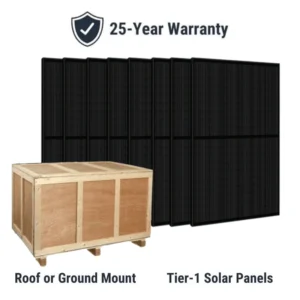
Panels are the rock stars. They grab photons and turn them into DC electricity. Most complete home solar kits ship with high-efficiency monocrystalline panels, though budget-friendly polycrystalline still pops up.
Monocrystalline vs. Polycrystalline: Which Panels Ship with Your Kit?
Monocrystalline panels wear a sleek black tuxedo and squeeze more power out of the same roof space. Polycrystalline panels rock a blue marbled look and cost a touch less. If your complete solar panel kit for home includes mono panels, you’re getting higher density—critical when your roof isn’t a football field.
2. Inverters – Turning Sunlight into Usable Power
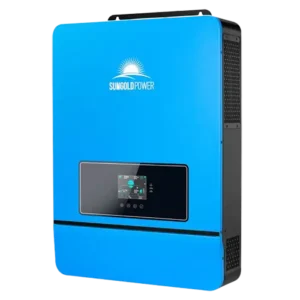
Panels speak DC; your blender speaks AC. The inverter translates. Inside a complete solar kit for home, you’ll usually find a central string inverter or per-panel microinverters.
String Inverters vs. Microinverters in a Complete Solar Kit
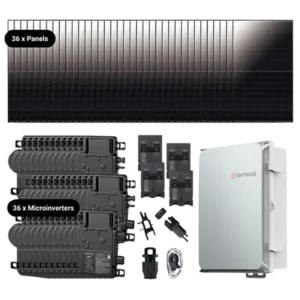
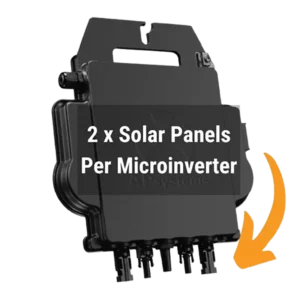
A string inverter acts like a single bouncer at a club—shade on one panel slows the whole line. Microinverters give every panel its own VIP pass. Premium complete residential solar kits lean toward microinverters, delivering panel-level data and higher resilience. For me, microinverters turn a complete home solar kit into a well-coached orchestra.
3. Mounting Hardware and Racking
Anodized aluminum rails, stainless steel clamps, and weatherproof flashing come standard in a complete solar kit for home. They keep your panels locked down in 130-mph winds and prevent water from sneaking under your shingles.
4. Monitoring Systems and Safety Components
Modern solar power kits for home include a gateway that beams real-time production and consumption data to your phone. Built-in rapid shutdown and arc-fault protection add a layer of safety that keeps code inspectors and insurance companies smiling.
Types of Complete Solar Kits for Every Home Scenario
No two households are identical, and a complete solar kit for home comes in flavors as distinct as coffee orders.
1. Grid-Tied Solar Kit for Home
The crowd favorite. A grid-tied complete solar kit for home hooks into your utility meter. When you overproduce, the meter spins backward via net metering; when the sun clocks out, you pull from the grid. It’s the simplest, most affordable complete home solar kit—no batteries required.
2. Off-Grid Solar Kit for Home
Perfect for a remote cabin or a desire for total autonomy. An off-grid complete solar kit for home packs lithium batteries and often includes a generator input. This complete off-grid residential solar kit requires a higher upfront cost, but you’ll never see another utility bill. Just remember, you become the power plant manager, so treat every watt like cash.
3. Hybrid Home Solar Kit with Battery Backup
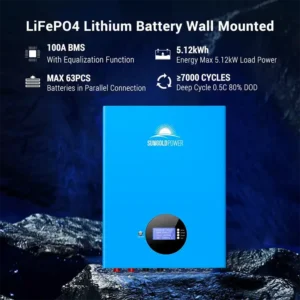
Here’s the Goldilocks option. A hybrid complete solar kit for the home stays grid-connected but stores excess energy. When a storm knocks out the neighborhood, your fridge and lights keep humming. As extreme weather makes headlines, a complete solar kit with battery backup is rapidly becoming as essential as a circuit breaker.
Complete Solar Kit Provider
| Name | Price Range | Details |
|---|---|---|
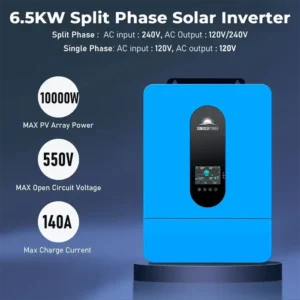
| SunGoldPower | $5,774 – $31,853.00 | View Collections |
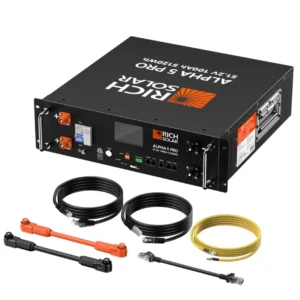
| Rich Solar | $7,999 – $25,99.99 | View Collections |
| ShopSolarKits | $2,539 – $149,989.99 | View Collections |
Sizing Your Home Solar Kit: How Much Power Do You Really Need?
Sizing mistakes are costly. Let’s get your numbers dialed in so your complete solar kit for home fits like a tailored suit.
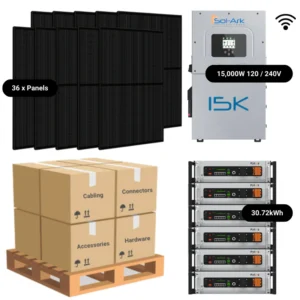
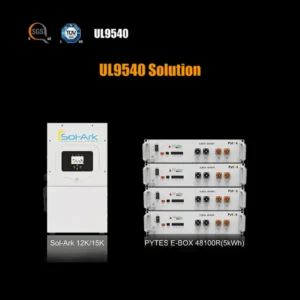
1. Calculating Your Daily Energy Consumption
Pull a year’s worth of bills and find your average daily kilowatt-hour (kWh) use. The typical home chews through 29 kWh per day. Add a 20% buffer if you’re planning an electric vehicle or a backyard sauna—your full home solar kit must handle tomorrow’s appetite, not just yesterday’s.
2. Matching Kit Wattage to Your Home’s Needs
A complete solar kit for home is labeled by system size in kilowatts. In a sunny region, a 7 kW to 8 kW system covers 29 kWh/day. Kits come in 5 kW, 7.6 kW, 10 kW, and larger tiers. I recommend slightly oversizing—say, a 7.6 kW complete solar kit for a home for a 3-bedroom house so that panel degradation over the decades doesn’t leave you short.
Top Benefits of Installing a Complete Solar Kit for Home This Year
Beyond shrinking your carbon footprint, a complete home solar kit elevates your property value by about 4.1%. You lock in your electricity cost for 25-plus years, making inflation an ally instead of a thief. A complete solar panel kit for home is also absurdly low-maintenance; with no moving parts, it only asks for the occasional rinse.
I’ve also noticed a neighborhood effect: once that full solar kit for the home starts humming on your roof, conversations spark across fences. A complete residential solar kit doesn’t just change your meter—it changes the vibe of your whole street.
Step-by-Step Installation: Can You DIY a Whole House Solar Kit?
Unboxing a complete solar kit for home feels like the ultimate adult LEGO set, complete with color-coded connectors and picture-heavy guides. Mount the rails, secure the panels, plug in the inverter, and connect to your electrical panel. Many handy homeowners pull it off in a long weekend. If you’re comfortable swapping a breaker and climbing a ladder, a DIY complete solar kit for home can save 3,000–5,000
When to Hire a Professional Solar Installer
If your roof is steep, tiled, or three stories high, let a pro handle your complete home solar kit. The same goes if your local building department wants stamped engineering drawings. A certified installation wraps your complete solar power kit for the house in workmanship warranties, and honestly, it’s cheap insurance against gravity and 240 volts.
Complete Solar Kit for Home vs. Piecemeal Solar Purchases: A Comparison Table
Here’s a side-by-side to help you decide if a complete solar kit for home is your jam or if building from scratch is worth the hassle.
| Feature | Complete Solar Kit for Home | Piecemeal Component Purchase |
|---|---|---|
| Design & Compatibility | Pre-engineered, all parts harmonize | You must verify every voltage and connector |
| Warranty Simplicity | One throat to choke if something fails | Multiple manufacturers, separate claims |
| Installation Ease | Plug-and-play harnesses, video tutorials | Custom wiring diagrams, missing parts risk |
| Cost | Bundled pricing is often lower | Can be inflated with premium individual parts |
| Time to Operation | Often one weekend | Weeks of research, ordering, and trial-and-error |
| Customization | Limited to kit sizes and brands | Total flexibility, higher complexity |
| Support | Dedicated helpline, online community | Scattered support, you are the integrator |
For most homeowners, a complete home solar kit removes the friction. Unless you love tinkering, a full home solar kit is the express lane to energy savings.
Long-Term Savings and ROI: Is a Full Home Solar Kit Worth It?
A 7 kW complete solar kit for home that costs 7,500 after the tax credit can save 1,200 – 1,500 per year. Over 25 years, that’s over 30,000 in avoided payments, even factoring in slight panel degradation. Your complete home solar system kit pays for itself in 5 to 7 years, then generates pure savings.
Add a battery, and your complete solar kit with storage for home shaves peak-rate charges, boosting ROI even more. When a complete residential solar kit outperforms the stock market over the same period, it’s not an expense—it’s a wealth-building asset bolted to your rafters.
Common Myths About Complete Solar Kits Debunked
- Myth 1: “A complete solar kit for home won’t work on cloudy days.”
accounts for local cloud cover. Germany leads Europe in solar despite gray winters. Truth: Panels still harvest diffuse light. A properly sized full home solar kit - Myth 2: “Solar kits require tons of maintenance.”
Truth: A complete home solar kit has zero moving parts. Rain handles the cleaning. Check the app once a month, give the panels a visual glance, and you’re done. - Myth 3: “Batteries make a complete solar kit too expensive.”
Truth: While a complete off-grid solar kit for a home with batteries costs more upfront, lithium prices have crashed 90% since 2010. Many grid-tied full solar panel kits for homeowners skip batteries and still slash bills via net metering. - Myth 4: “I’ll have to re-roof first.”
Truth: A complete residential solar kit can be mounted on a roof with at least a decade of life left. Removal and reinstallation during a future re-roof adds a modest cost, but it’s not a barrier.
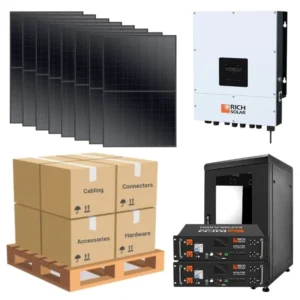
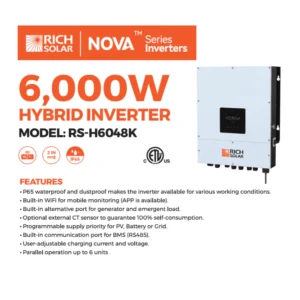
Choosing the Best: A Quick Checklist
Before you swipe your card, run through this list to snag the right complete solar kit for home:
- Certifications: UL, IEC, and ETL marks are non-negotiable. A full home solar kit without them may fail inspection.
- Warranty: Demand 25 years on panel output and at least 10 years on the inverter.
- Expandability: Can the complete solar power kit for house grow if you add an EV? Look for a modular design.
- Support: U.S.-based phone support is priceless when you’re DIYing your complete home solar kit on a Saturday afternoon.
- Reviews: Real-world YouTube walkthroughs of the exact complete solar panel kit for home you’re considering can save you headaches.
- Permitting Help: Some whole-house solar kit sellers include stamped engineering plans, shaving weeks off the process.
Conclusion
We’ve walked through everything from sizing and component breakdowns to busting myths and crunching ROI. A complete solar kit for home isn’t just a box of hardware; it’s a 25-year contract with the sun that pays you. Whether you go grid-tied, off-grid, or hybrid, a full home solar kit puts you in the driver’s seat of your energy future.
In 2026, with incentives, efficiency, and affordability converging, there’s never been a smarter moment to unbox your own complete residential solar kit. The sun is reliable; make it work for you.
FAQs
Only if your complete home solar kit includes batteries and an automatic transfer switch. A standard grid-tied full solar kit for home shuts off for line-worker safety.
A handy duo can finish a complete solar kit for home in 2–4 days. Plan a full weekend plus a weekday evening for the electrical hookup.
Properly installed, a complete home solar kit includes flashing that prevents leaks. Panels actually shield shingles from UV rays, often extending roof life.
Most complete solar kit for home options target houses, but plug-in balcony solar kits exist for small loads. They aren’t full complete residential solar kits, but they offset some consumption.
Contact the kit provider. The warranty on a complete solar kit for home covers defects, and with microinverter-based full home solar kits, one panel’s failure won’t crash the whole system.
You Might Also Like