


The Ultimate Power Solution When Outage Power Strikes: Keep Your Lights On and Devices Charged
If you’ve ever found yourself scrambling for candles and cursing your phone’s dwindling battery, you already know why finding a dependable power solution when outage power hits feels like striking gold.
Power Solution When Outage Power – most people treat a blackout like a surprise pop quiz they’ll never pass. They wait until the lights go out, then panic-buy the wrong gear. Not you. Today, we’re diving deep into every viable power solution when an outage power could strike tomorrow, next month, or during the harshest winter storm. By the time you finish reading, you’ll have a clear, jargon-free roadmap to keep your home humming no matter what the grid throws at you.
Why Power Outages Are More Than Just a Dark Room
Let’s be honest: a 20-minute flicker feels almost romantic. You light a candle, tell a ghost story, maybe roast a marshmallow over the gas stove. But when an outage stretches into hours or even days, the charm evaporates faster than the ice cream in your freezer. A real blackout is a slow-motion disaster that hits your wallet, your health, and your sanity.
The Hidden Costs of an Unexpected Blackout
Imagine your refrigerator as a ticking time bomb of spoiled food. According to the USDA, a fridge keeps food safe for only about 4 hours without power. After that, you’re tossing everything from that artisan cheese to the expensive salmon you were saving for Friday night.
Then there’s the medical equipment angle—CPAP machines, oxygen concentrators, and refrigerated insulin don’t understand the concept of “rolling blackouts.” For families with small children, a dark house isn’t an adventure; it’s a nightmare filled with bumped toes and terrified tears. And if you work from home? Dead routers and drained laptops mean lost income.
So, the question isn’t if you need a power solution when outage power becomes a recurring issue in your life. The real question is which one matches your budget, space, and energy appetite. Spoiler alert: you don’t need to live off-grid to build a fortress against blackouts.

First Things First: Assess Your Power Needs
Before you start drooling over shiny solar generators or rumble-heavy gas units, take a step back. Chasing a power solution when outage power strikes without calculating your actual load is like buying hiking boots before you know your shoe size—painful and expensive.
What Do You Actually Need to Keep Running?
Grab a piece of paper and make three columns: “Non-Negotiable,” “Nice to Have,” and “Dreamland.” In the non-negotiable column, list items that affect health and safety: medical devices, a refrigerator, a few LED lights, maybe a sump pump if your basement floods faster than a kiddie pool in a rainstorm.
The “nice to have” list can include the internet router, a laptop charger, a small fan, or the coffee maker (because a morning without caffeine is its own emergency). Dreamland? That’s your central AC, the electric dryer, and the home theatre system.
Add up the wattage for your essential devices. A modern Energy Star refrigerator needs about 200–400 running watts, an LED bulb sips a mere 10 watts, and a CPAP without a humidifier might draw 30–60 watts. Suddenly, your mandatory load looks surprisingly manageable. This simple math exercise keeps you from buying a beastly whole-house generator when a compact power solution, when outage power would do just fine.
The Classic Portable Generator: A Reliable Power Solution When Outage Power Hits
Yes, the portable generator has been the poster child of emergency power for decades, and for good reason. Fire it up, plug in your essentials, and you’ve got electricity on tap as long as you keep feeding it fuel. It’s the muscle car of backup power—loud, powerful, and a little bit nostalgic.
Fuel Types and Run-Time Considerations
Not all portable generators are created equal. The fuel you choose dictates run time, storage headaches, and even how often you’ll need to venture outside in the pouring rain to refill the tank.
1. Gasoline Generators: Widely Available but High Maintenance
A gasoline generator is like that old buddy who’s always ready to help but needs constant attention. You can find fuel anywhere, but gasoline degrades over time—within three to six months, untreated gas can gum up the carburetor and leave you cranking a dead machine when you need it most.
You’ve got to add stabilizer, rotate your fuel stock, and run the generator dry before storage. Oh, and the noise? It’s roughly equivalent to standing next to a lawn mower for hours. Still, for sheer burst power on a budget, it remains a go-to power solution when outage power calls.
2. Propane and Dual-Fuel Generators: Cleaner and Longer Lasting
Propane is the sensible cousin in the generator family. It stores indefinitely without going stale, burns cleaner, and doesn’t stink up your shed.
Many modern units are dual-fuel, letting you switch between gasoline and propane on the fly. When a prolonged outage stretches your gasoline stash thin, being able to hook up the grill’s propane tank feels like a genius-level move. If you’re after a fuss-free power solution when outage power becomes a multi-day affair, a dual-fuel model deserves a hard look.
Power Stations and Solar Generators: The Silent Game-Changer
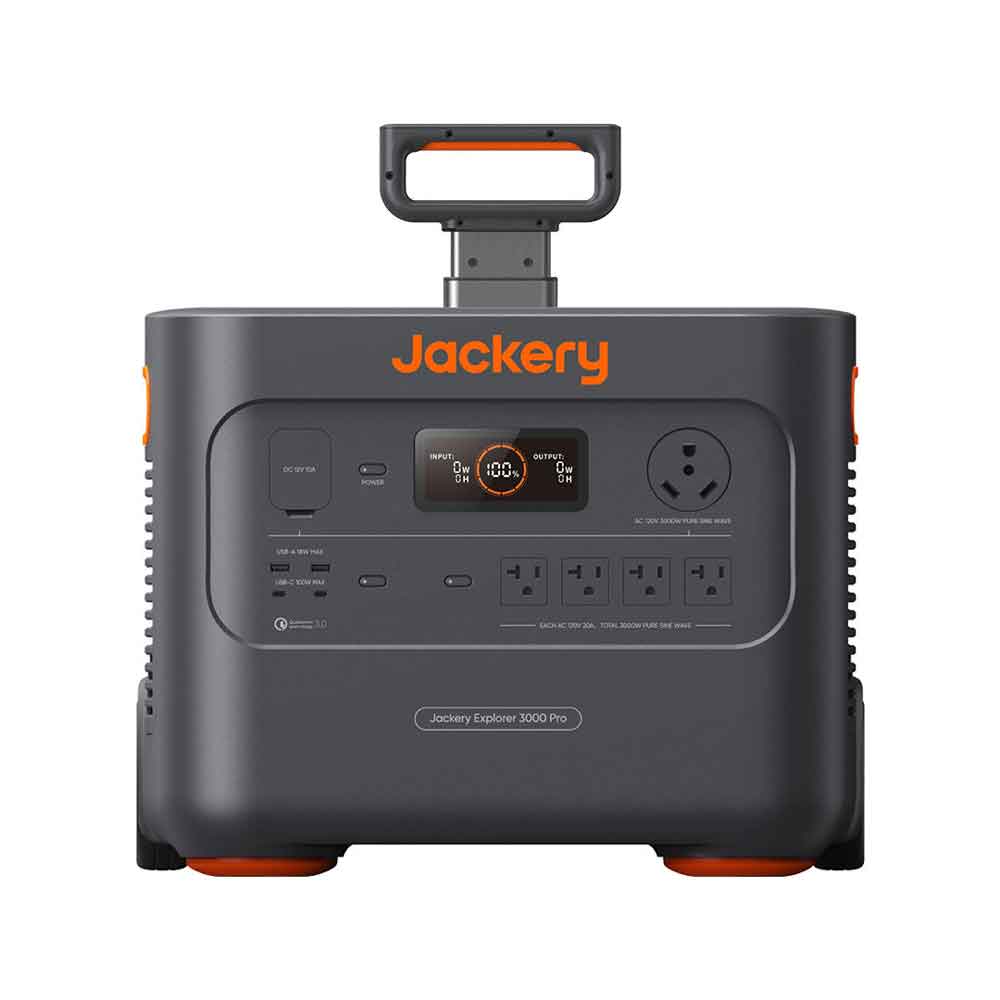
Let’s step into the 21st century. Battery-based power stations—often called solar generators when paired with panels—are rewriting the rules of emergency backup. They’re whisper-quiet, produce zero fumes, and look more like a futuristic lunchbox than a piece of industrial equipment.
If you live in an apartment, condo, or any place where running a gas generator is impossible, this is your holy grail power solution when outage power strikes.
1. Why LiFePO4 Battery Chemistry Matters
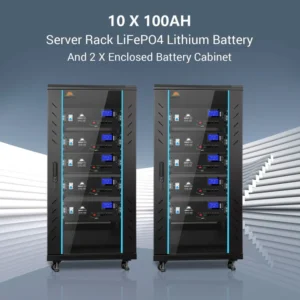
Inside nearly every quality power station sits a LiFePO4 (lithium iron phosphate) battery. Think of it as the tortoise from the fable—steady, long-lived, and almost impossible to kill. While older lithium-ion batteries might give you 500 charge cycles, LiFePO4 easily surpasses 3,000 cycles before noticeable degradation.
That means you can use your power station daily and still have it ready for outage duty a decade from now. It’s the kind of reliability you want baked into a power solution when outage power might be the only thing between you and a total blackout.
1.1 Comparing Jackery, EcoFlow, and Bluetti for Outage Power
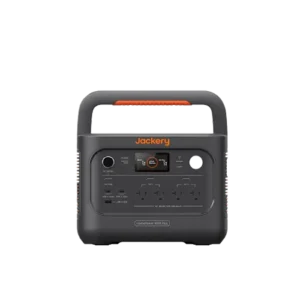
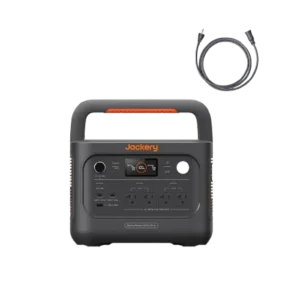
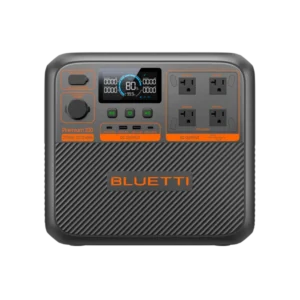
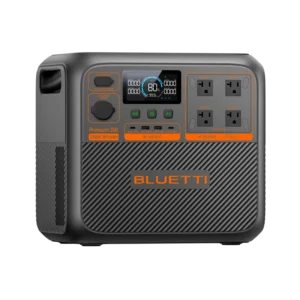
The market is brimming with options, but three brands keep popping up like reliable friends. Jackery is the household name, offering user-friendly designs perfect for newcomers—think of it as the smartphone of power stations. EcoFlow is the speed demon, boasting insanely fast recharge times; some models jump from 0% to 80% in under an hour.
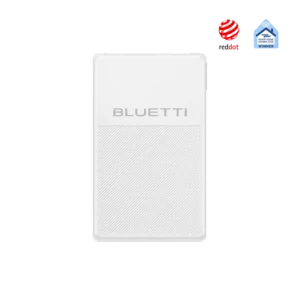
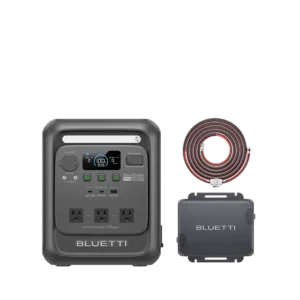
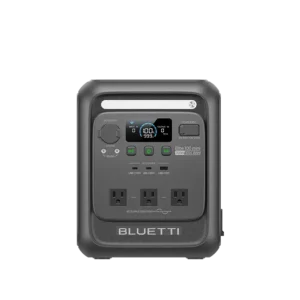
Bluetti focuses on massive capacity and raw output, often throwing in RV-style ports and wireless charging pads. Choosing among them for a power solution when outage power goes out depends on one thing: how much juice you need and how quickly you want to replenish it.

Whole-Home Standby Generators: The Set-It-and-Forget-It Solution
If money were no object and you wanted to laugh in the face of every blackout, a permanently installed standby generator is the king. These units sit outside your house like a silent metal guardian, connected directly to your natural gas line or a large propane tank.
When the grid goes down, an automatic transfer switch detects the loss and fires up the generator within seconds—no stumbling around in the dark required.

Automatic Transfer Switch: Seamless Transition
The magic ingredient here is the automatic transfer switch (ATS). It’s the brain that decides when grid power has officially ghosted you. Within 10 to 30 seconds, your whole house springs back to life while your neighbors are still fumbling for flashlights.
For anyone running a home business, caring for medically fragile family members, or just unwilling to sacrifice an ounce of comfort, a standby unit is the ultimate power solution when outage power threatens your lifestyle. The downside? Installation costs can soar past $10,000, and you’re locked into a permanent fixture.
Hybrid Systems: Combining Solar Panels With Battery Backup
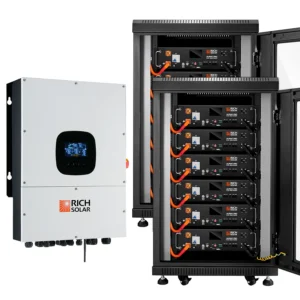
What if you could harvest free energy from the sun every day and save it for the rainy, stormy nights when the grid collapses? That’s the promise of a hybrid solar-battery system. During normal hours, rooftop panels power your home and top off a wall-mounted battery like the Tesla Powerwall or Enphase IQ.
When an outage hits, the system islands itself and discharges stored sunshine directly into your critical loads. It’s the ultimate two-for-one: a daily electricity bill slasher and a rock-solid power solution when outage power turns your neighborhood into a ghost town. Yes, upfront costs are steep, but federal tax credits can take a serious bite out of the bill.
DIY Battery Backup Using Deep Cycle Batteries and Inverters
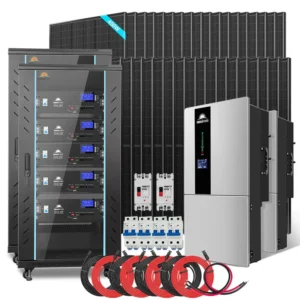
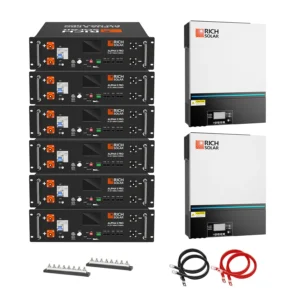
Feeling handy? You can assemble a respectable backup system without breaking the bank. Grab a few deep-cycle lead-acid or LiFePO4 batteries, a pure sine wave inverter, a smart charger, and a heavy-duty extension cord.
This is the “LEGO block” approach to building a power solution when outage power demands creativity and sweat equity. It’s not as plug-and-play as a retail power station, but you’ll learn exactly how your system works and can expand it over time.
The Inverter Sizing Puzzle
Pick an inverter that can handle your total running watts plus the surge wattage of devices with motors (think fridge compressors). A fridge that runs at 300 watts can briefly spike to 900 watts or more on startup. If your inverter can’t handle that surge, it’ll trip and leave your food to rot.
Sizing your inverter correctly is the difference between a triumphant power solution when outage power test and a very disappointing hum followed by silence.
A Quick Comparison Table: Power Solution When Outage Power Options
To cut through the noise, here’s a side-by-side snapshot. Use it as your cheat sheet when picking the best power solution when outage power for your situation.
| Solution | Power Output | Runtime | Noise Level | Indoor Safe? | Upfront Cost | Best For |
|---|---|---|---|---|---|---|
| Gasoline Portable Generator | 1,000–10,000W | 8–12 hours per tank | Loud (70–80 dB) | No | $300–$1,500 | Whole-home essentials, long outages |
| Dual-Fuel Propane Generator | 1,500–12,000W | 10–20 hours on 20 lb propane | Loud | No | $400–$2,000 | Extended outages with clean fuel storage |
| Battery Power Station (LiFePO4) | 300–3,600W | 2–8 hours per charge | Silent | Yes | $200–$3,000 | Apartments, CPAP users, short outages |
| Solar Generator (panels included) | 500–3,000W | Unlimited with sun recharge | Silent | Yes | $500–$5,000 | Eco-friendly, off-grid, multi-day backup |
| Whole-Home Standby Generator | 7,000–20,000W+ | Unlimited (natural gas) | Moderate (60–70 dB) | No (outdoor) | $5,000–$15,000+ | Full home backup, medical needs, and luxury |
| DIY Battery + Inverter | 500–3,000W | Depends on the battery bank | Silent | Yes (with sealed batteries) | $300–$2,000+ | Hobbyists, budget-conscious, custom setups |
This table makes one thing crystal clear: your ideal power solution when outage power depends entirely on your noise tolerance, space, budget, and how long you expect to be off-grid.
Maintenance Tips to Ensure Your Backup Power Solution When Outage Power Is Out Actually Works
Nothing stings worse than dragging your expensive generator out of the garage only to hear a sad click-click-click instead of a roar. A power solution when outage power is a relationship, not a one-night stand—it needs regular check-ins.
The Monthly Test Ritual
Put a recurring alarm on your phone right now. Once a month, pull out your portable generator or power station and run it under load—plug in a space heater or a few high-wattage lamps for 15 minutes.
For gas units, inspect the oil, check the spark plug, and ensure the fuel hasn’t turned into varnish. For battery stations, cycle them down to about 20% and recharge fully. Think of it as taking your backup plan to the gym; a flabby, untested generator will fail you when the grid gives up.
Safety First: Avoiding Carbon Monoxide and Electrical Hazards
Every year, people lose their lives because they run a generator inside the garage or too close to a window. Carbon monoxide is a silent, odorless thief. Always operate fuel-burning generators at least 20 feet from any door, window, or vent, with the exhaust pointing away from the house.
Invest in a battery-operated CO detector—it’s a $20 insurance policy for your family. When using extension cords, choose heavy-gauge outdoor-rated cables, and never backfeed power into your home’s wiring unless you’ve installed a proper transfer switch. Backfeeding can electrocute utility workers trying to restore power, not to mention fry your own electronics. A safe power solution when outage power is the only kind worth having.
On a Budget? Smart Low-Cost Power Solution When Outage Power Ideas
Not everyone can drop a grand on a shiny power station tomorrow. That’s okay—you can still craft a functional power solution when outage power using items you might already own. A 12V deep-cycle marine battery paired with a cheap 400-watt inverter can keep LED lights and phone chargers alive for days.
Used solar panels from local classifieds, combined with a budget charge controller, can trickle-charge that battery during daylight. Even a simple USB battery pack the size of a candy bar, charged ahead of a storm, becomes a lifeline for your smartphone.
Remember, a layered approach often outperforms one giant purchase: combine a small power station for immediate silent power with a borrowed or second-hand generator for heavy lifting.
Conclusion: Never Be Left in the Dark Again
Power outages don’t schedule appointments. They barge in like an uninvited relative and overstay their welcome. But you don’t have to be a victim. Whether you choose a whisper-quiet solar generator for apartment living, a brawny dual-fuel portable for rural resilience, or a fully automatic standby unit to make blackouts feel like a non-event, the right power solution when outage power hits is the one that matches your real life—not some extreme survivalist fantasy.
Start small if you must, test your gear religiously, and build a habit of preparedness. The next time the lights flicker and die, you’ll be the calm one flipping on your backup system while the rest of the street wanders around in the dark, wondering why they didn’t act sooner.

FAQs About Power Solutions When Outage Power
Yes, if you pair it with solar panels for daily recharging. A LiFePO4 power station with 2,000Wh capacity and 400W solar input can keep a fridge, lights, and devices running indefinitely as long as you get decent sun. Without solar, you’ll need a generator to top it off during prolonged blackouts.
It depends on what “a few hours” costs you. If spoiled medications, home business downtime, or a flooded basement would set you back thousands, the $8,000–$15,000 investment pays for itself in peace of mind—and home resale value often climbs with a professionally installed unit.
A battery power station is literally silent. There’s no engine, no exhaust, and you can use it indoors safely. Models like the EcoFlow Delta series or Jackery Explorer 1500 can power essential devices for 6–12 hours without a whisper of noise.
Only if you have a manual or automatic transfer switch installed by a licensed electrician. Never use a backfeed cord plugged directly into a dryer or range outlet—it’s illegal, extremely dangerous, and can kill line workers trying to restore power.
You Might Also Like