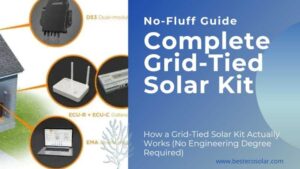




The Complete 2026 Guide to Hybrid Solar Kit For Home: Power, Savings, and Energy Independence
In 2026, homeowners aren’t just slapping solar panels on their roofs anymore. They’re building intelligent energy ecosystems that think, save, and protect their families. If you’ve been wondering whether a residential hybrid solar system is worth the hype, buckle up. We’re about to unpack everything you need to know, from the nuts and bolts to the dollars and cents.
What Is a Hybrid Solar Kit For Home?
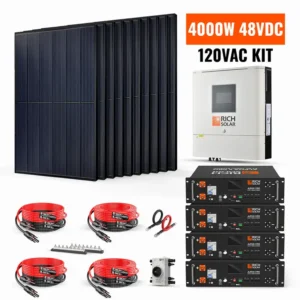
A Hybrid Solar Kit For Home is essentially a complete energy package that combines solar panels, a hybrid inverter, battery storage, and all the necessary wiring, mounting hardware, and monitoring equipment into one coordinated system.
Unlike traditional grid-tied setups that shut down the moment the power goes out, or off-grid systems that isolate you completely from civilization, a hybrid solar kit gives you the best of both worlds. You stay connected to the utility grid for everyday convenience while maintaining a personal energy reserve for emergencies.
Think of it like a hybrid car. It runs on gasoline when it needs to, switches to electric when it can, and intelligently chooses the most efficient option based on the situation. Your home hybrid solar system does the exact same thing—pulling from the grid when necessary, sipping sunshine during the day, and tapping into your batteries when the sun sets, or the utility grid fails. It’s the Swiss Army knife of residential power.
How Does a Hybrid Solar Kit Actually Work?
Here’s the magic in plain English, no engineering degree required. During daylight hours, your solar panels generate direct current (DC) electricity. This raw energy flows into your hybrid inverter, which acts as the brain of the entire operation. The inverter converts DC power into alternating current (AC) that your refrigerator, air conditioner, and phone charger can actually use.
But here’s where a Hybrid Solar Kit for Home gets interesting. When your panels produce more energy than your home consumes, a standard grid-tied system simply dumps that excess back to the utility company. A hybrid solar kit, however, routes that surplus into a battery bank for later use.
When evening rolls around, or a storm knocks out the grid, your system seamlessly switches to battery power—often in less than 10 milliseconds. That’s faster than you can blink. Your lights don’t even flicker.

The Key Components You’ll Find Inside
Every complete hybrid solar power system includes four critical pieces that work together like a well-rehearsed band:
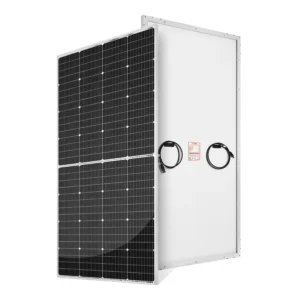
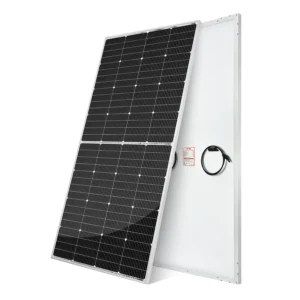
- Solar Panels – Typically monocrystalline modules with 20-24% efficiency ratings in 2026. Top brands like REC and Q CELLS now offer 450W+ panels that squeeze more power from limited roof space than ever before.
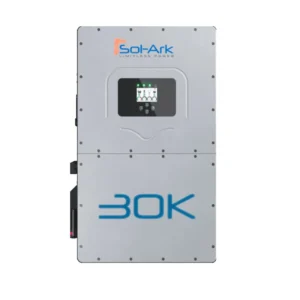
- Hybrid Inverter – The traffic controller. Modern options like the NOVA 6500S 6500 Watt or Sungrow SH-RS offer 97-98% efficiency and UPS-grade switching for blackout protection.
- Battery Storage – LiFePO4 (lithium iron phosphate) batteries have become the gold standard for any home solar battery kit, offering 10+ year lifespans and 80-90% depth of discharge without the fire risks of older lithium-ion chemistries.
- Balance of System – Mounting racks, cables, disconnects, and monitoring hardware that ties everything together safely and legally.
Why Homeowners Are Switching to Hybrid Solar Kits in 2026
The solar landscape has shifted dramatically over the past few years. We’re no longer just chasing lower electric bills—we’re chasing energy resilience. In 2026, time-of-use electricity rates are becoming the norm across the United States, which means you pay significantly more for power during peak evening hours.
A Hybrid Solar Kit For Home lets you store cheap daytime solar energy and deploy it strategically when utility rates spike.
But it’s not just about money. Climate change is supercharging extreme weather events, and grid instability is becoming a regular headache. Remember the Texas freeze? The California rolling blackouts? Homeowners are tired of being at the mercy of aging infrastructure. A residential hybrid solar kit puts you back in control.
Energy Independence Without Going Fully Off-Grid
Going completely off-grid sounds romantic until you realize you need a massive battery bank, a backup generator, and a willingness to become an amateur energy accountant. Hybrid systems offer a pragmatic middle path. You reduce grid dependence by 60-90% without sacrificing the safety net of utility power.
It’s like having your cake and eating it too—energy autonomy with training wheels. You get the psychological satisfaction of self-sufficiency without the stress of managing every watt.
Protection Against Rising Electricity Rates and Outages
Did your electricity bill give you sticker shock last summer? You’re not alone. Utility rates have climbed steadily across the country, and experts don’t see that trend reversing.
A Hybrid Solar Kit For Home acts as both a shield and a sword—protecting you from outages while slashing your monthly bills through strategic energy arbitrage. When the grid goes down, you keep humming. When rates go up, you barely notice.
Hybrid Solar Kit For Home vs. Grid-Tied vs. Off-Grid: What’s the Difference?
Choosing between these three system types is like choosing between a sedan, a pickup truck, and an RV. Each serves different lifestyles, budgets, and risk tolerances. Let me break it down so you don’t buy a monster truck when you really need a commuter car.
Quick Comparison Table
| Feature | Grid-Tied System | Hybrid Solar Kit For Home | Off-Grid System |
|---|---|---|---|
| Grid Connection | Yes | Yes | No |
| Battery Backup | No | Yes | Large Bank Required |
| Blackout Protection | No | Yes (automatic) | Yes |
| Initial Cost | $ | $$ | $$$ |
| Energy Independence | Low | Medium-High | Total |
| Net Metering Eligible | Yes | Yes | N/A |
| Maintenance | Minimal | Low-Moderate | High |
| Best For | Budget-conscious homeowners | Families wanting backup + savings | Remote cabins, survivalists |
As you can see, the hybrid solar kit sits comfortably in the sweet spot. It costs more upfront than a basic grid-tied system but doesn’t require the massive investment, lifestyle overhaul, and constant vigilance of off-grid living. For the average suburban family, it’s the Goldilocks solution.
Choosing the Right Hybrid Solar Kit For Your Home Size
One size definitely doesn’t fit all when it comes to solar. Oversizing your system wastes money and roof space; undersizing leaves you frustrated when the lights go out during movie night. So how do you pick the right fit?
1. Small Homes and Apartments (3-5 kW Systems)
If you’re living in a cozy 1,000-square-foot home or a modern apartment with limited roof real estate, a compact Hybrid Solar Kit for Home around 3-5 kW is perfect. These systems typically include 6-10 panels and a 5-10 kWh battery. You’ll offset 50-70% of your usage and keep essential circuits—like your fridge, WiFi router, and lights—running during outages. It’s not a whole-home backup, but it’s enough to keep life tolerable.
2. Medium Family Homes (5-8 kW Systems)
This is the sweet spot for most American households. A 6-8 kW Hybrid Solar Kit for Home covers 80-100% of daily consumption for a typical 2,000 sq ft house. With 12-20 panels and a 10-15 kWh battery bank, you can power air conditioning, laundry, and kitchen appliances while still banking excess energy for evening use. This is where most families see the perfect balance of cost and capability.
3. Large Homes and Estates (8-15 kW Systems)
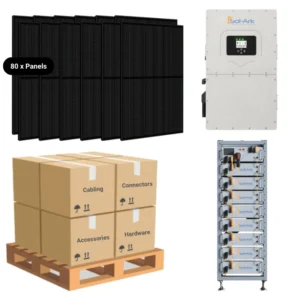
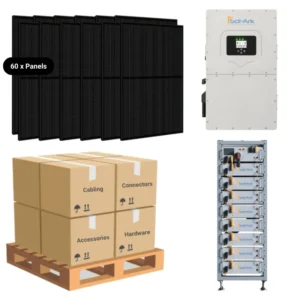
Got a sprawling property with a pool, an electric vehicle, and a home office that rivals a small corporate branch? You’ll need an 8-15 kW complete hybrid solar power system. These setups often use 20-30 high-efficiency panels paired with 20+ kWh of battery storage. In 2026, many large-home kits also integrate smart EV charging and whole-home backup panels. You’re not just saving money—you’re building a microgrid.
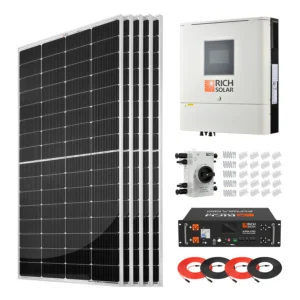
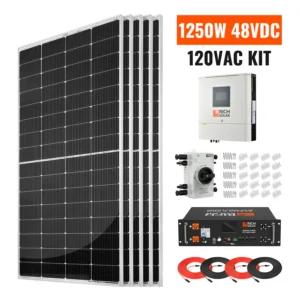
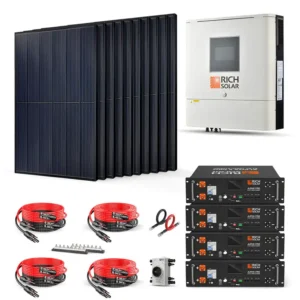
Top Hybrid Solar Kit Components to Look For in 2026
Not all solar equipment is created equal, and 2026 has brought some serious innovation to the table. Let me walk you through the winners so you don’t end up with yesterday’s technology.
Top Hybrid Solar Kit Supplier
| Name | Price Range | Discount |
|---|---|---|
| SunGoldPower | $5,774 – $31,853.00 | 👉 Get Special Offers |
| Rich Solar | $7,999 – $25,99.99 | 👉 Get Special Offers |
| ShopSolarKits | $2,539 – $149,989.99 | 👉 Get Special Offers |
1. Best Solar Panels for Hybrid Kits
The Rich Solar 250-watt modules lead the pack with over 23% efficiency and a 25-year warranty that guarantees 90% output at the end of the term. For budget-conscious buyers, the Jinko Tiger Neo 420-440W offers excellent value without sacrificing too much performance. And if you want plug-and-play simplicity, Q CELLS’ Q.Tron AC modules come with built-in microinverters—one less component to worry about and a single warranty to track.
2. Best Hybrid Inverters in 2026
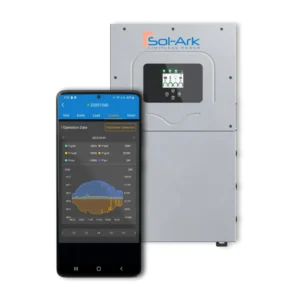
The inverter is where the magic happens, so don’t cheap out here. For premium engineering, the RS 6500W 48V Off-grid Solar Inverter offers tiered backup options and rock-solid reliability. The SolarEdge Home Hub shines on complex roofs with shading issues, thanks to module-level optimizers.
For value without compromise, the Sungrow SH-RS delivers UPS-class switching and broad battery compatibility. And if you’re hunting for an affordable home solar hybrid system, the Growatt SPH packs modern features into a wallet-friendly package.
3. Battery Storage: LiFePO4 Is the Gold Standard
Why are lithium-iron-phosphate batteries dominating the residential hybrid solar kit market? Simple: they’re safer, last longer, and handle deep discharges better than traditional lithium-ion or lead-acid alternatives.
A quality 10 kWh LiFePO4 battery now costs between $3,000-$5,000 and typically carries a 10-year warranty. That’s roughly $300-$500 per year for peace of mind—less than most families spend on streaming services and takeout combined.
How Much Does a Hybrid Solar Kit For Home Really Cost?
Let’s talk numbers because nobody likes surprise expenses, especially when they involve five-figure investments.
In 2026, a complete Hybrid Solar Kit For Home ranges from $8,000 for a basic 3 kW starter system to $35,000+ for a premium 15 kW whole-home setup. Here’s the rough breakdown:
- Solar panels: 30-40% of total cost
- Hybrid inverter: 15-20%
- Battery storage: 25-35% (the big variable)
- Installation labor: 10-15%
- Permits and soft costs: 5-10%
The good news? The federal solar tax credit (ITC) still offers a 30% credit through 2026, and many states pile on additional rebates like candy on Halloween. That $20,000 system suddenly becomes $14,000—and sometimes less, depending on where you live.
ROI and Payback Period: When Will You Break Even?
Most homeowners see payback periods between 6 and 10 years, depending on local electricity rates and sun exposure. After that, your solar energy is essentially free for the remaining 15-20 years of the system’s life.
Think of it as a 10-15% annual return on investment that beats the stock market with far less volatility. Plus, homes with a Hybrid Solar Kit for Home sell faster and for higher prices—buyers absolutely love the idea of inheriting tiny electric bills.
Installation: Can You DIY a Hybrid Solar Kit?
Here’s the million-dollar question: should you install it yourself or hire a pro? The answer depends on your comfort level, local laws, and how much free time you have.
For off-grid cabins and RVs, DIY installation is common and relatively straightforward. Many DIY hybrid solar kit packages come with detailed manuals and pre-wired components that snap together like adult Legos. However, for grid-tied residential hybrid solar kits, you’ll likely need a licensed electrician and proper permits. Utility interconnection agreements, net metering setup, and safety inspections aren’t exactly weekend warrior territory.

When to Call a Professional Installer
If your system is larger than 3 kW, if you’re connecting to the grid, or if your roof is steep and complex, call a professional. The peace of mind—and warranty protection—is worth the extra cost. A poorly installed hybrid inverter can void your warranty faster than you can say “short circuit.” Plus, professionals know how to navigate local utility paperwork, which can save you months of headaches.
Smart Features and AI Energy Management in 2026
Welcome to the future, where your house is smarter than some smartphones. The best Hybrid Solar Kit For Home in 2026 isn’t just hardware—it’s software. AI-driven energy management systems now learn your household patterns and automatically optimize when to charge batteries, when to sell back to the grid, and when to run your appliances for maximum savings.
Virtual Power Plant (VPP) programs are exploding in popularity. These programs let you earn money by allowing the utility to tap your battery during peak demand.
Your home isn’t just consuming energy anymore; it’s trading it like a mini Wall Street firm. Some homeowners are earning $500-$1,500 annually just by participating in grid services. Your battery becomes an income-generating asset, not just a backup plan.
Common Mistakes to Avoid When Buying Your First Hybrid Solar Kit
I’ve seen too many homeowners stumble over the same hurdles, and honestly, it hurts to watch. Don’t be one of them.
First, don’t buy based on price alone. The cheapest hybrid solar kit often uses bottom-tier inverters and batteries that fail in three years, leaving you with an expensive roof decoration.
Second, don’t ignore your roof condition. Installing 400-pound solar arrays on aging shingles is like putting a new engine in a rusted car—fix the foundation first.
Third, size your battery properly. A 5 kWh battery won’t run your whole home through a weekend blackout; be realistic about your critical loads. Finally, check local regulations. Some HOAs and municipalities have strict rules about panel placement, battery placement, and grid interconnection that can derail your project.
Conclusion
A Hybrid Solar Kit For Home is more than a purchase—it’s an investment in your family’s comfort, security, and financial future. In 2026, the technology has matured, prices have dropped to historic lows, and the federal incentives remain strong.
Whether you’re looking to slash your electric bill, survive the next blackout with your sanity intact, or simply do right by the planet, a residential hybrid solar system puts you in the driver’s seat. So, what’s stopping you? The sun is shining, the batteries are waiting, and your future self—the one enjoying air conditioning during a grid failure—will absolutely thank you.
FAQs About Hybrid Solar Kit For Home
The solar panels typically last 25-30 years with minimal degradation. Hybrid inverters usually need replacement after 10-15 years, and LiFePO4 batteries last 10-12 years depending on usage cycles. Many manufacturers offer 25-year panel warranties and 10-year battery warranties for peace of mind.
It depends on your battery capacity and inverter size. A properly sized system (8+ kW with 15+ kWh battery) can power most homes. However, many homeowners opt for "critical loads" backup—keeping essentials like refrigerators, lights, and medical devices running while temporarily shedding high-draw items like pool pumps and electric dryers.
During extended cloudy periods, your batteries will eventually deplete. However, because you're still grid-connected, the utility picks up the slack automatically. For true multi-day autonomy without grid support, you'd need an oversized battery bank or a backup generator—more typical of off-grid setups than standard hybrid configurations.
Absolutely. Most homeowners use solar loans, leases, or Power Purchase Agreements (PPAs). Many installers offer zero-down financing, and the 30% federal tax credit applies to purchased systems. Some states also offer Property Assessed Clean Energy (PACE) financing that attaches the loan to your property rather than your personal credit.
Yes, grid-tied and hybrid systems almost always require electrical permits and utility interconnection agreements. Your installer typically handles this paperwork as part of their service. If you're going the DIY route, contact your local building department and utility company before ordering equipment to avoid costly compliance issues.
You Might Also Like