
Hybrid Solar Power System: The Complete Buyer’s Guide for 2026
In this guide, we’re going to walk through everything you need to know: what these systems actually are, what’s inside them, who sells them, how much they cost, and whether they’re really worth the investment. Grab a coffee. Let’s get into it.
What Is a Hybrid Solar Kit, and How Does It Function?
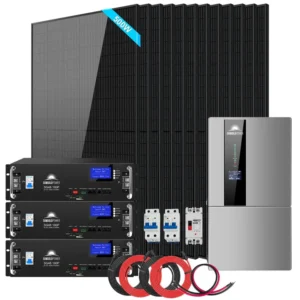
Hybrid Solar Power System: What is a hybrid solar kit, and how does it function? In plain English, a hybrid solar kit is a solar power setup that lets you stay connected to the utility grid while also storing extra energy in batteries for later use. It’s not purely off-grid (where you’re totally disconnected and self-reliant), and it’s not purely grid-tied (where you have zero backup when the power goes out). It’s a hybrid; literally the name gives it away.
The Basic Flow of Energy
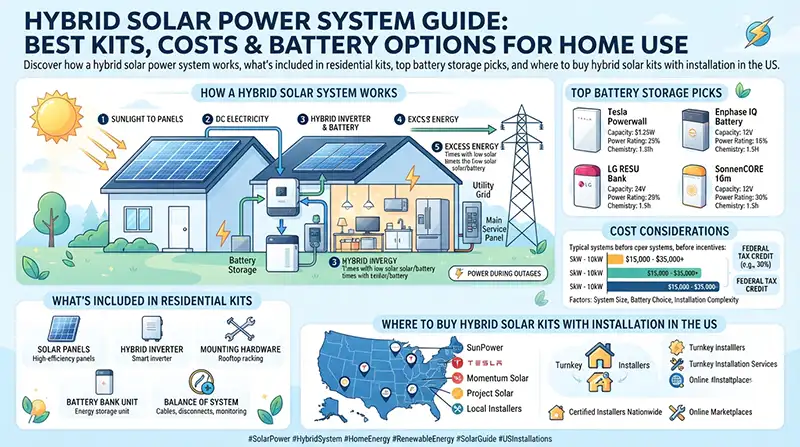
Here’s the simple version: your solar panels soak up sunlight during the day and convert it into DC electricity. A hybrid inverter then does the heavy lifting; it converts that DC power into usable AC power for your home, charges your battery bank with any leftover energy, and can pull from the grid when needed. It’s kind of like a traffic cop directing electricity where it needs to go, moment by moment, based on what your home actually needs.
Why “Hybrid” Actually Matters
The magic here is flexibility. On a sunny day, you’re running your home on solar and topping off your batteries. At night, you’re pulling from those batteries instead of the grid. And if a storm knocks out power in your neighborhood? Your hybrid system can often switch to battery backup automatically, keeping your fridge running and your lights on while your neighbors are stuck in the dark.
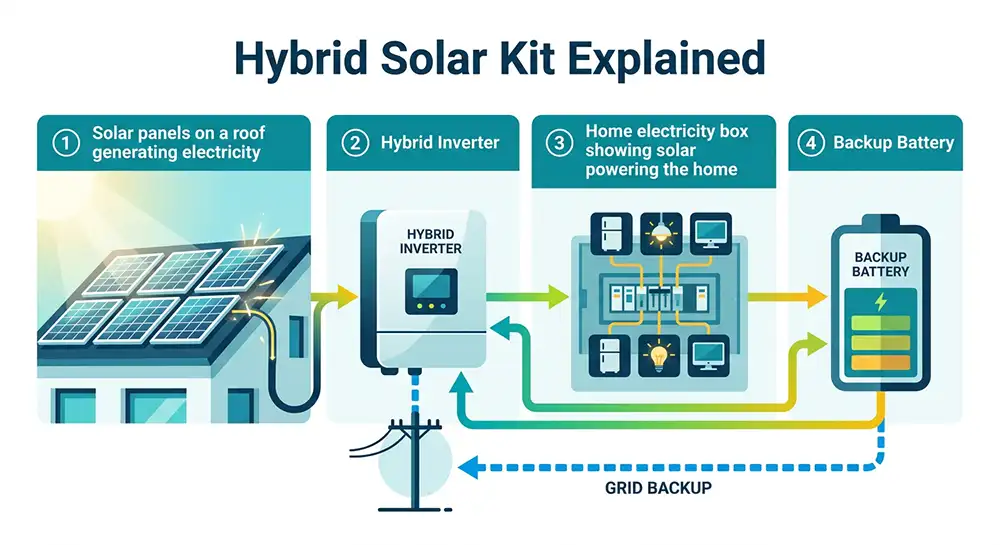
Components Included in a Standard Residential Hybrid Solar Kit
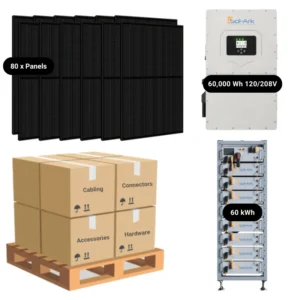
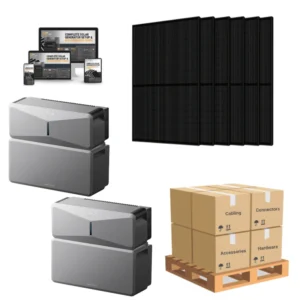
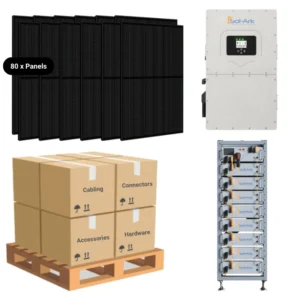
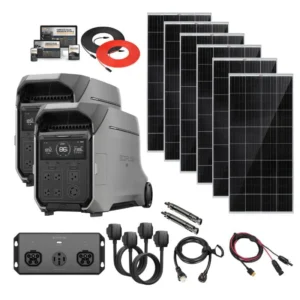
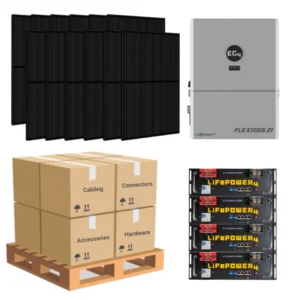
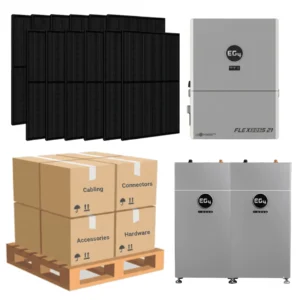
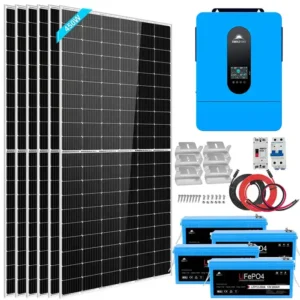
Components included in a standard residential hybrid solar kit vary a bit by brand, but most kits share the same core building blocks. Let’s break them down one by one.
- Solar Panels
These are the workhorses. Monocrystalline panels are the most common choice for residential hybrid kits because they offer better efficiency in tighter roof spaces, which matters if you don’t have acres of open roofline to work with. - Hybrid Inverter
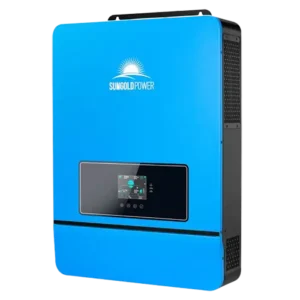
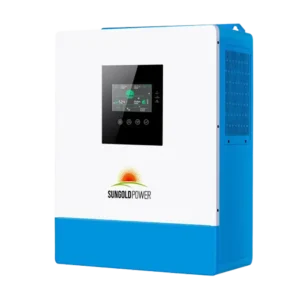
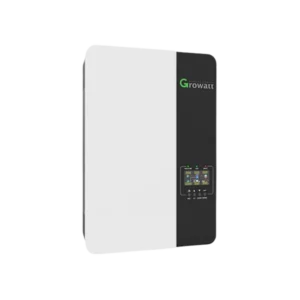
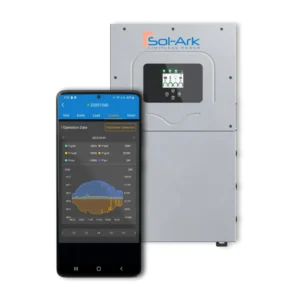
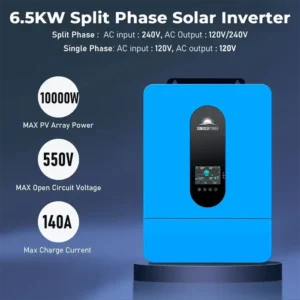
This is the brain of the whole operation. It manages the conversion of DC to AC, coordinates battery charging, and handles the switch between grid and battery power. Not all inverters are created equal; some support higher surge loads, which matters if you’re running power-hungry appliances like an AC unit or a well pump. - Battery Storage
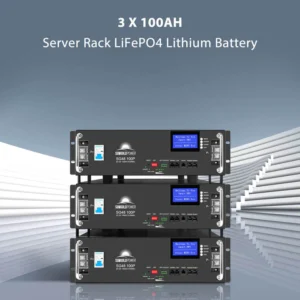
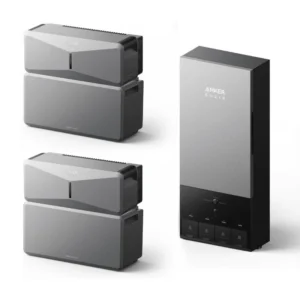
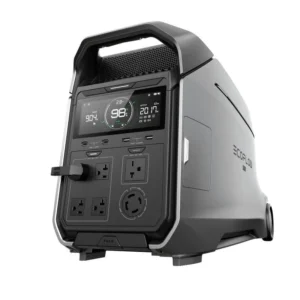
This is what separates hybrid systems from plain old grid-tied setups. Lithium iron phosphate (LiFePO₄) batteries dominate the residential market right now because they’re safer, last longer, and handle more charge cycles than older lead-acid options. - Charge Controller
If your kit is built around off-grid-style architecture, a charge controller regulates how much voltage and current flow from the panels to the batteries, protecting them from overcharging. - Mounting Hardware and Wiring
Not glamorous, but absolutely essential. Racking, conduit, breakers, and disconnects all need to be rated correctly for your setup, or you’re asking for trouble down the line. - Monitoring System
Most modern kits include an app or dashboard so you can watch your energy production and consumption in real time. Honestly, this part is oddly satisfying; it’s like a fitness tracker, but for your house.
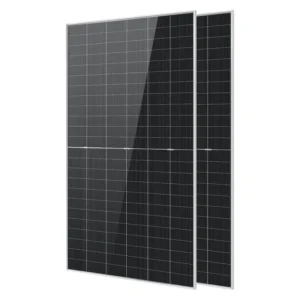
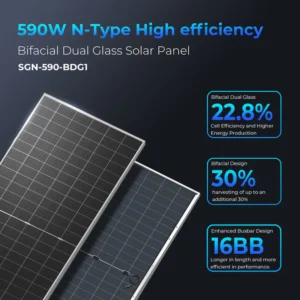
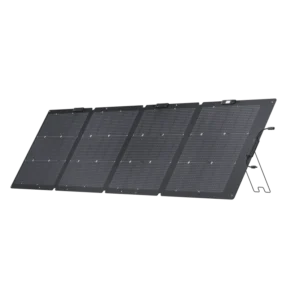
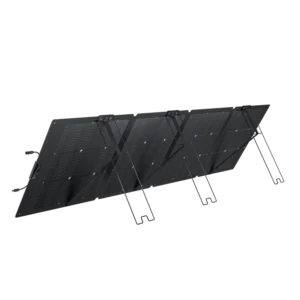

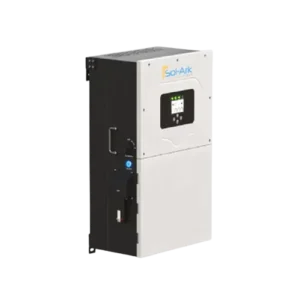
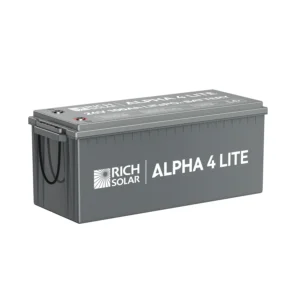
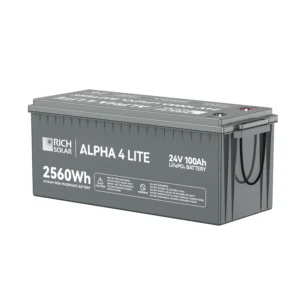
Best Hybrid Solar Kits Available for Home Use
What are the best hybrid solar kits available for home use? This really depends on your home size, budget, and how much backup power you want. That said, a few standout options consistently show up at the top of homeowner recommendations.
| Kit Type | Typical System Size | Battery Capacity | Best For |
|---|---|---|---|
| Compact Hybrid Kit | 5–8 kW | 5–10 kWh | Small homes, apartments with solar rights |
| Mid-Size Hybrid Kit | 8–12 kW | 10–20 kWh | Average 3- 4 bedroom homes |
| Whole-Home Hybrid Kit | 12–20 kW+ | 20–40 kWh+ | Large homes, homes wanting full backup |
Smaller kits are great if your main goal is trimming your electric bill. Bigger kits make more sense if you want serious peace of mind during outages, the kind where you don’t even notice the power went out until the neighbor texts you asking to borrow your fridge.
How Do Hybrid Solar Kits Compare to Traditional Solar Panel Systems?
How do hybrid solar kits compare to traditional solar panel systems? Traditional grid-tied solar systems are simpler and usually cheaper upfront, but here’s the catch: most of them shut off automatically during a grid outage for safety reasons. That means if the power goes out, your solar panels do too, even if the sun is shining bright overhead. Frustrating, right?
Hybrid systems solve that problem by adding battery storage into the mix. You get the cost savings of solar plus a safety net when the grid goes down. Yes, hybrid kits cost more initially, but for a lot of homeowners, that backup capability is worth every extra dollar, especially if you live somewhere prone to storms or rolling blackouts.
How Do Hybrid Solar Kits Differ from Off-Grid Solar Systems?
How do hybrid solar kits differ from off-grid solar systems? Off-grid systems are designed to operate completely independently from the utility grid. No grid connection at all. That means your battery bank and solar array need to be sized generously enough to cover you through cloudy stretches, because there’s no fallback option if you run short.
Hybrid systems, on the other hand, keep that grid connection as a safety net. If your batteries run low and the sun isn’t cooperating, you simply draw from the grid like normal. It’s a much more forgiving setup for most homeowners; think of off-grid as running a marathon with no water stations, while hybrid is that same marathon but with support crews scattered along the route.
Benefits of Installing a Hybrid Solar Power System for Homes
Benefits of installing a hybrid solar power system for homes go well beyond just saving money, though that’s certainly part of the appeal.
- Lower Electricity Bills
By generating and storing your own power, you reduce how much you pull from the grid, especially during peak pricing hours. - Backup Power During Outages
This one’s huge. No more scrambling for flashlights or worrying about spoiled groceries when a storm rolls through. - Energy Independence
You’re less at the mercy of utility rate hikes. Prices go up, sure, but your solar production doesn’t care about that. - Environmental Impact
Every kilowatt-hour you generate from sunlight is one less pulled from fossil fuels. Small choices add up. - Increased Home Value
Homes with solar and battery backup tend to sell faster and at a premium in many markets, since buyers see it as a built-in upgrade rather than a project they’ll need to tackle themselves.
Where Can I Buy Hybrid Solar Kits with Installation Services in the US?
Where can I buy hybrid solar kits with installation services in the US? You’ve got a few solid paths here, and which one fits best depends on how hands-on you want to be.
- National Solar Installers
Companies with nationwide reach typically handle everything: permits, design, installation, and warranty support. This is the easiest route if you’d rather not touch a single wire yourself. - Regional and Local Installers
Smaller, local companies often know your area’s permitting quirks and utility interconnection rules better than the big national names. They can sometimes offer more personalized service too. - Online Retailers with DIY-Friendly Kits
If you’re comfortable with a bit of hands-on work (or you’re hiring a local electrician just for the final hookup), several online retailers sell complete hybrid kits shipped straight to your door, often at a lower total cost than going through a full-service installer.
Complete Hybrid Solar System Package Supplier
| Name | Price Range | Discount |
|---|---|---|
| Sun Gold Power | $5,774 – $31,853.00 | 👉 Get Special Offers |
| Rich Solar | $7,999 – $21,599.99 | 👉 Get Special Offers |
| ShopSolarKits | $2,539 – $149,989.99 | 👉 Get Special Offers |
Which Companies Offer Affordable Hybrid Solar Kits for Residential Use?
Which companies offer affordable hybrid solar kits for residential use? Affordability really comes down to comparing per-watt and per-kWh pricing rather than just sticker price. A few things to look for:
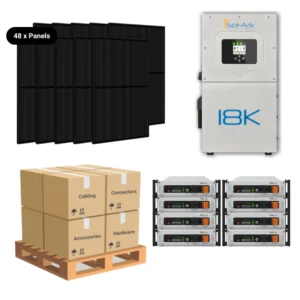
- Manufacturers offering bundled kits (panels + inverter + battery) tend to be cheaper than piecing components together separately.
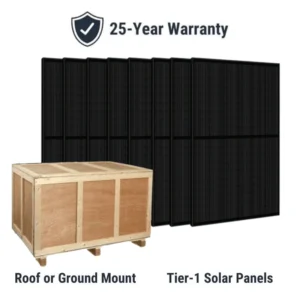
- Brands with strong warranties (10+ years on batteries, 25 years on panels) often save you money long-term even if the upfront cost is slightly higher.
- Companies offering financing or leasing options can make hybrid systems accessible even without a large upfront budget.
Shopping around and comparing at least three quotes is honestly the single best thing you can do here. Prices vary more than people expect.
Can I Get Hybrid Solar Kits with Battery Storage Included?
Can I get hybrid solar kits with battery storage included? Absolutely; in fact, most kits marketed specifically as “hybrid” already include battery storage bundled in, rather than being sold as an add-on. That said, some retailers do sell the solar and inverter portion separately from the battery, letting you scale up storage later as your budget allows.
If you’re just starting out, it’s worth asking directly whether the battery is included in the base price or quoted separately, since this is one of the most common points of confusion (and sticker shock) for first-time buyers. 
Best Battery Storage Options for Hybrid Solar Power Setups
The best battery storage options for hybrid solar power setups usually come down to a short list of well-proven technologies.
- Lithium Iron Phosphate (LiFePO₄)
The current gold standard for residential storage. Long cycle life, strong thermal stability, and generally safer than older chemistries. - Lithium-Ion (NMC)
Slightly more energy-dense but a bit less thermally stable than LiFePO₄. Still used in some systems, though less common in newer residential kits. - Modular Stackable Batteries
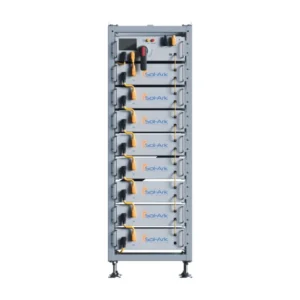
A growing trend: buy one battery module now, and add more later as your needs grow. Great if you’re not sure exactly how much storage you’ll need right away.
A Quick Note on Sizing
A general rule of thumb: most homes do well with 10-20 kWh of storage for partial backup (fridge, lights, wifi, a few outlets), while full whole-home backup during extended outages often calls for 20-40 kWh or more, depending on your appliance load.
Making the Final Decision
At the end of the day, choosing a hybrid solar power system comes down to three questions: How much do you want to spend upfront? How important is backup power to you? And how much of your home do you actually want covered during an outage? Answer those honestly, and the right kit tends to reveal itself pretty quickly.
Conclusion of Hybrid Solar Power System
A hybrid solar power system isn’t just a trendy upgrade; it’s a genuinely practical way to lower your bills, protect your home from outages, and reduce your reliance on an increasingly unpredictable grid. Whether you go with a compact starter kit or a full whole-home setup with 30+ kWh of battery storage, the core idea stays the same: you get the reliability of the grid and the independence of solar, without having to fully commit to either one alone.
If you’ve been on the fence about making the switch, hopefully this guide gave you enough to make a confident, informed decision.
FAQs About Hybrid Solar Power System
Yes, as long as your battery has charge. The hybrid inverter automatically switches to battery power when it detects the grid is down, keeping your essential circuits running.
Most LiFePO4 batteries are rated for 10-15 years or several thousand charge cycles, though actual lifespan depends on usage patterns and climate.
In most cases, yes — especially with modular battery systems designed for expansion. It's worth confirming compatibility with your specific inverter before buying.
Almost always, yes. Most US jurisdictions require permits and utility interconnection approval before installation, even for DIY kits.
Generally, yes, due to the added cost of battery storage and a more advanced inverter. However, many homeowners find the backup capability and long-term savings worth the higher upfront investment.
You Might Also Like