



The Complete Solar Kit Sale: Your 2026 Guide to Budget-Friendly Solar Independence
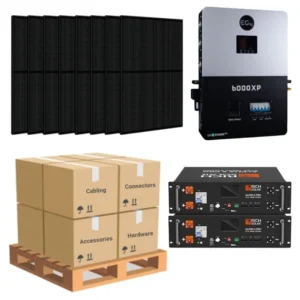
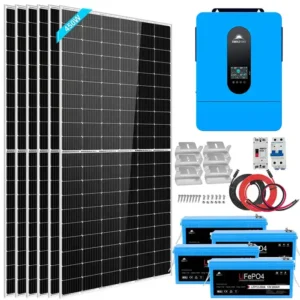
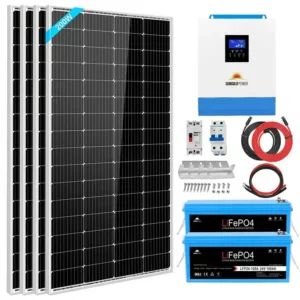
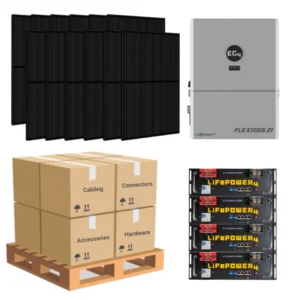
A complete solar kit is not just a discount bundle of mismatched panels someone slapped together in a warehouse. It’s a fully engineered package where every component—panels, inverter, charge controller, wiring, mounting hardware, and sometimes batteries—has been selected to work in harmony.
Complete Solar Kit Sale – The global solar kit market has exploded. In 2026, approximately 17.5 million home solar kits were produced worldwide, with an average unit price of around $4,000. That scale has triggered a pricing race to the bottom for high-quality hardware, and today you can find a turnkey kit for your home, RV, or cabin at a fraction of what it would have cost just five years ago.
By the time you reach the end of this guide, you’ll know not only where the hottest complete solar kit sales are hiding, but also how to separate the gems from the duds and walk away with a system that actually powers your life.
What Exactly Is a Complete Solar Kit?
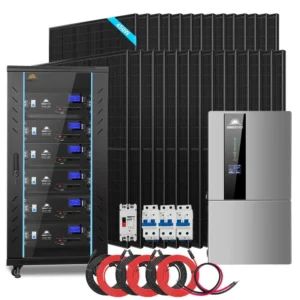
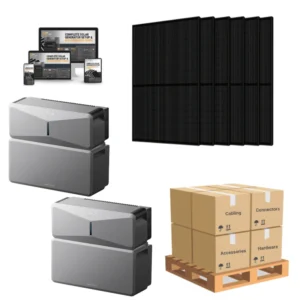
 Let’s clear up a common misconception right out of the gate. A complete solar kit is not just a discount bundle of mismatched panels someone slapped together in a warehouse. It’s a fully engineered package where every component—panels, inverter, charge controller, wiring, mounting hardware, and sometimes batteries—has been selected to work in harmony.
Think of it like a recipe: you can buy flour, sugar, and eggs separately and hope for a cake, or you can buy the pre-measured box mix that guarantees a predictable result. A solar kit is your box mix for energy independence.
The Anatomy of a Solar Kit
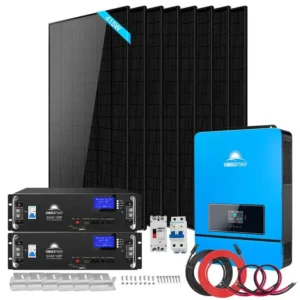
To shop smart, you need to speak the language. Every reputable complete solar kit for sale will contain the following building blocks:
- Solar Panels: The muscle of the operation. In 2025 residential kits, you’ll typically see monocrystalline panels rated between 100 W and 500 W each. Monocrystalline tech now routinely hits 20 – 22% efficiency, squeezing more juice out of every ray of sun.
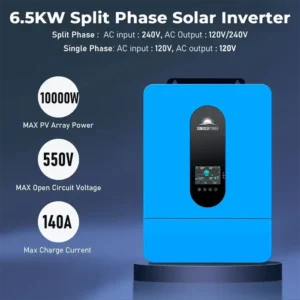
- Inverters: The translator. Your panels produce direct current (DC), but your home speaks alternating current (AC). String inverters handle the whole array at once, while microinverters attach to each panel individually — boosting output by 15–25% if your roof catches partial shade from a chimney or tree.
- Charge Controller: The gatekeeper. It prevents your batteries from being overcharged and overheated. Modern MPPT (Maximum Power Point Tracking) controllers can improve energy harvest by 20–30% compared to older budget alternatives.
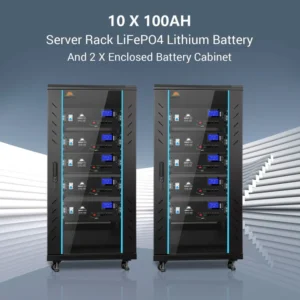
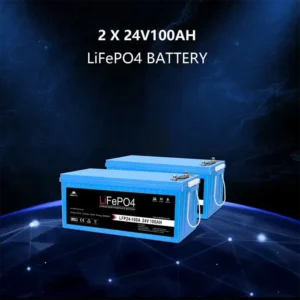
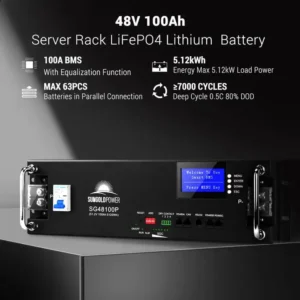
- Batteries (Optional but Life-Changing): Storage turns your solar system from a daytime-only generator into a 24/7 power plant. Lithium iron phosphate (LiFePO₄) is the current star, prized for safety and a lifespan that can exceed 4,000 cycles.
- Racking, Cables, and Monitoring: The skeleton and nerves of the system. Don’t overlook these — cheap aluminum rails or undersized cables can kneecap an otherwise brilliant installation.
Most Popular
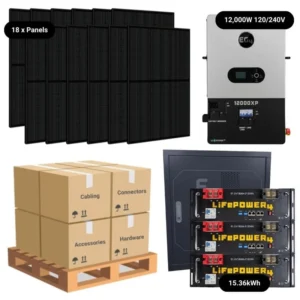
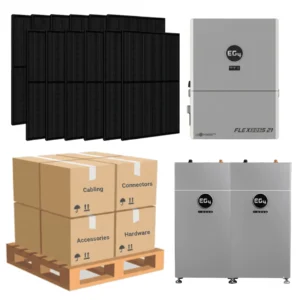
Solar Kit 10.6kW
EG4 18kPV Inverter
$16,939.00
$19,989.00
- Total Solar Wattage: 10,560W
- Total Battery Capacity: 28.6 – 32kWh
- System Voltage: 48VDC
- Inverter Rated Power: 12,000W Continuous Output
- Solar Input Capacity: Up to 21,000W Max Solar Input
- Solar Panel Warranty: 25 Years
Most Popular
15.8kW
Sol-Ark 15K Inverter
$21,489.00
$25,529.00
- Total Solar Wattage: 15,840W
- Total Battery Capacity: 30.72 – 32.2kWh
- System Voltage: 48VDC
- Inverter Rated Power: 12,000W Continuous (Battery Only) / 15,000W (with PV)
- Solar Input Capacity: Up to 19,500W Max Solar Input
- Solar Panel Warranty: 25 Years
Most Popular
Solar Kit 7.92kW
Sol-Ark 15K Inverter
$15,689.00
$17,579.00
- Total Solar Wattage: 7,920W
- Total Battery Capacity: 20.48 – 32.2kWh
- System Voltage: 48VDC
- Inverter Rated Power: 12,000W Continuous (Battery Only) / 15,000W (with PV)
- Solar Input Capacity: Up to 19,500W Max Solar Input
- Solar Panel Warranty: 25 Years
Why Now Is the Perfect Time for a Complete Solar Kit Sale
If you have been sitting on the fence, consider this your gentle push. We are in the middle of a perfect storm of affordability, performance, and expiring incentives.
1. Falling Prices, Rising Efficiency
Solar panels now cost roughly 70% less than they did a decade ago. That headline-grabbing statistic translates to real savings on your kitchen table. A system that carried a 40,000 price tag in 2015 might now land closer to $12,600 after all incentives are accounted for. Kits specifically offer an additional edge: because they’re pre-bundled at wholesale volumes, you typically save another 20–40% versus sourcing each component individually.
Prices have largely stabilized through 2023–2024, which means waiting isn’t going to magically unlock another 20% price drop. Meanwhile, every month you delay is another month you pay your utility company instead of investing in your own asset.
2. The 30% Federal Tax Credit Is Still Here (At Least for Now)
Here’s where the urgency meter should jump. The federal Residential Clean Energy Credit allows you to deduct 30% of your total system cost directly from your federal income tax bill—dollar for dollar. On a 15,000 solar kit installation, that’s 4,500 back in your pocket.
Completing a complete solar kit sale purchase and installation before that New Year’s Eve deadline could mean the difference between a 10,500netcostanda15,000 net cost for the exact same equipment. If you’re even remotely interested, this year is the time to move.

Types of Complete Solar Kits (And Which Sale Is Right for You)
Not every home needs a sprawling roof array, and not every camper wants to drag a generator through the mud. The market has branched into several distinct categories. Below is a quick-reference comparison to help you zero in.
| Kit Type | Best For | Average Kit Cost | Battery Included? | Installation Difficulty | Key Perk |
|---|---|---|---|---|---|
| Grid-Tie Home Kit | Suburban homeowners with net metering | 7,000–18,000 before tax credit | Rarely | Professional recommended | Lowest long-term payback period |
| Off-Grid Cabin Kit | Remote cabins, tiny homes, RVs | 1,500–10,000+ | Almost always | Advanced DIY or pro | Total energy independence |
| Hybrid Home Kit | Homes in areas with frequent outages | 10,000–25,000 | Yes | Professional recommended | Backup power + grid savings |
| Portable Solar Generator | Camping, tailgating, emergency prep | 500–3,500 | Built-in lithium battery | Plug-and-play | True portability, no wiring |
| Balcony Solar Kit | Apartment dwellers, renters | 500–1,300 (€449 base) | Optional add-on | Simple DIY | No roof penetration, landlord-friendly |
1. Grid-Tie Kits
These remain the bread and butter of residential solar. They feed your home during the day and push surplus electricity back to the utility grid, spinning your meter backward. The catch? When the grid goes down, so does your solar—unless you’ve added a battery. Grid-tie kits often appear during complete solar kit sale events with deep discounts on premium panels.
2. Off-Grid Kits
Off-grid is where the romance of solar truly lives. Whether you’re powering a hunting cabin or a converted school bus, these kits are sized for complete self-sufficiency. Expect a heavy emphasis on battery storage—most off-grid designs aim for 3–5 days of autonomy without any sun at all. The BioLite SolarHome 625, for example, packs lighting and device charging into a shoebox-sized package that deploys in minutes.
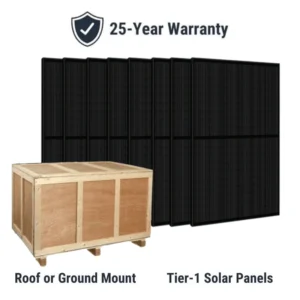
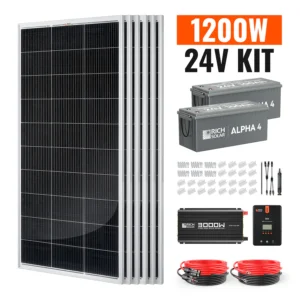
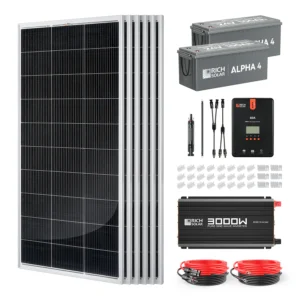
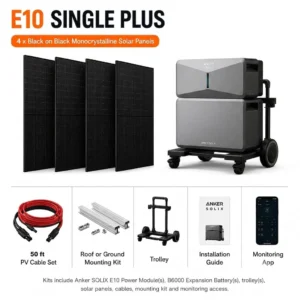
3. Hybrid Kits
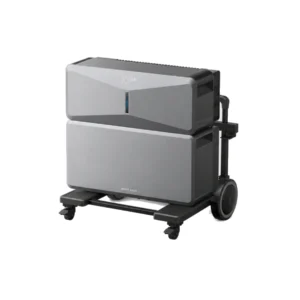
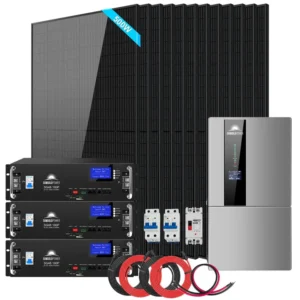
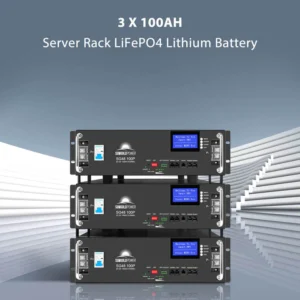
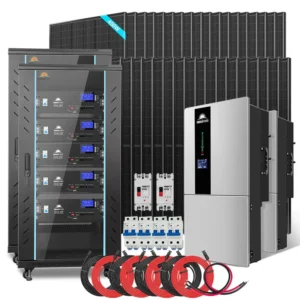
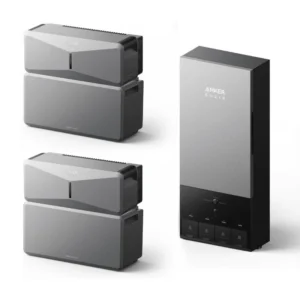
Can’t decide? A hybrid solar panel kit for sale gives you the grid connection of a grid-tie system plus battery backup. When the neighborhood goes dark, your home stays lit. The Maple Leaf 9.6 kW hybrid inverter kit, for instance, can scale up to 27.8 kWh of total storage, enough to keep critical loads running for days.

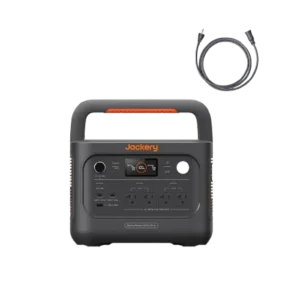
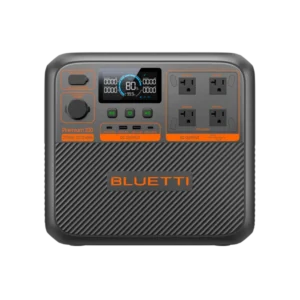
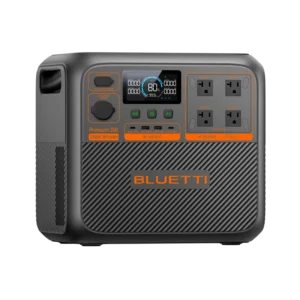
4. Portable Solar Generators
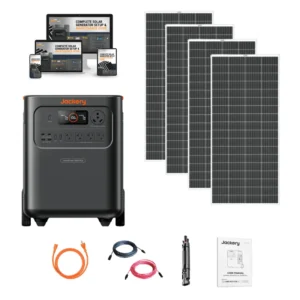
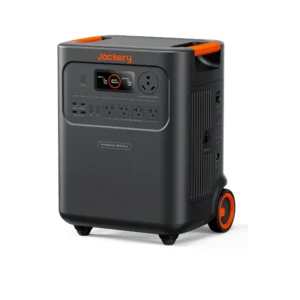
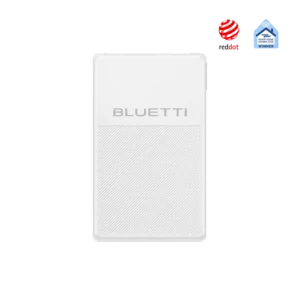
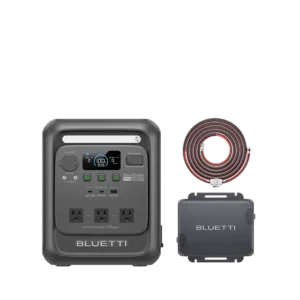
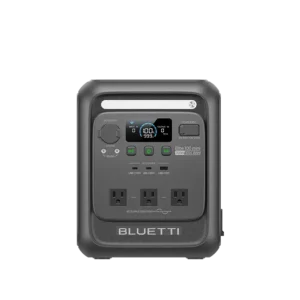
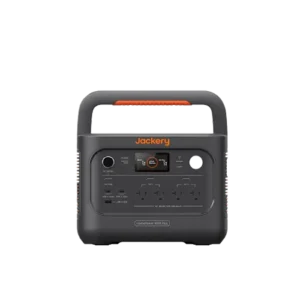
These all-in-one power stations have exploded in popularity. Jackery, BLUETTI, and Goal Zero lead the pack with units that combine a LiFePO₄ battery, inverter, and charge controller into a suitcase-like form factor. The BLUETTI Elite 100 V2, for example, packs a 200 W portable panel and a 1,024 Wh station, fully charging in about 7 hours of sun.

5. Balcony Solar Kits
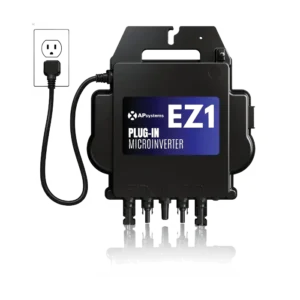
Europe has embraced the balcony revolution, and it’s creeping into North America. Jackery HomePower 2000 Ultra Solar Balcony Kit launched in Germany at €1,498.00, offering two 2.800 W modules, an 800 W microinverter, and a mounting kit—all designed to hang on a balcony railing and plug into a standard wall outlet. For renters or condo dwellers, this is a genuinely low-barrier entry point.
How Much Does a Complete Solar Kit Cost in 2026?
Let’s talk real numbers, because sticker shock can hit hard if you’ve never priced a system before.
1. Breaking Down the Numbers
In 2026, the national average for a professionally installed solar system runs between 3.50 per watt before incentives. That means a typical 6 kW grid-tie system might be quoted at 21,000. But here’s where the solar kit sale magic happens: if you purchase a complete DIY kit and handle the labor yourself, you can slash the installation portion—which accounts for roughly 30% of the total cost—right off the top.
After the 30% federal credit, many homeowners see their net out-of-pocket cost between 10,500 and 14,700 for that same 6 kW system. In regions with additional state incentives—like New York, California, or Massachusetts—the final number can dip even lower.
Where to Find the Best Complete Solar Kit Sale Deals
The hunt is half the fun. Here’s where to aim your browser during a complete solar kit sale event.
| Name | Price Range | Details |
|---|---|---|
| SunGoldPower | $5,774 – $31,853.00 | View Collections |
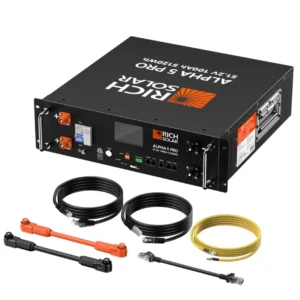
| Rich Solar | $7,999 – $25,99.99 | View Collections |
| ShopSolarKits | $2,539 – $149,989.99 | View Collections |
DIY vs. Professional Installation: Which Route Saves More?
This is the fork in the road that determines your final price tag—and your long-term satisfaction.
1. The DIY Advantage
If you’re handy, own a drill, and can follow a wiring diagram, a DIY solar kit can save you 10–30% of the total project cost by eliminating labor fees for an 8 kW system, which translates to roughly $7,000 in savings. Plus, there’s an undeniable pride in flipping that inverter switch for the first time and watching the meter spin backward, knowing you built that.
2. The Professional Edge
The hidden danger of DIY is that mistakes compound. An array tilted at the wrong angle, undersized wiring that overheats, or a single loose MC4 connector can transform your bargain into a fire risk. Professional installers bring engineered designs, licensed electricians, workmanship warranties, and knowledge of local permitting codes. They also maximize output through optimized panel placement and shading analysis.
3. The Sweet Spot: Hybrid Approach
Here’s a strategy that’s gaining traction: buy the complete solar kit yourself to capture the hardware discount, then pay a local NABCEP-certified electrician 1,500 for a final inspection, grid interconnection, and sign-off. You capture the wholesale hardware pricing while still sleeping soundly, knowing a pro blessed the work.
How to Choose the Right Complete Solar Kit for Your Needs
Don’t click “add to cart” until you’ve run through these four steps.
- Step 1: Audit Your Energy Use
Pull your last 12 months of utility bills. Divide your total annual kilowatt-hours (kWh) by 365. The average American household consumes about 29 kWh per day. An RV or small cabin might only need 2–5 kWh. Your kit must be sized to match. - Step 2: Evaluate Your Site
Hours of peak sun matter enormously. A 400 W panel in sun-drenched Arizona (6 peak sun hours) will produce about 2.4 kWh daily; that same panel in cloudy Seattle (3.5 peak sun hours) ekes out just 1.4 kWh. Use NREL’s PVWatts calculator to get a realistic forecast for your zip code. - Step 3: Set a Budget
Factor in the federal tax credit and any state or utility rebates. In Florida, for example, solar equipment is exempt from sales tax, and Duke Energy offers a rebate that can stack with the federal credit. Your net cost is what matters, not the sticker price. - Step 4: Compare Components
Monocrystalline beats polycrystalline. MPPT charge controllers beat PWM. LiFePO₄ batteries beat standard lithium-ion on cycle life. Kit descriptions can be dense, so look for these specific keywords—they signal higher-quality engineering.
Common Mistakes to Avoid When Buying a Solar Kit
Before you open your wallet, sidestep these landmines:
- Undersizing the system: Many first-time buyers think a single 100 W panel will run their entire RV air conditioner. It won’t. Be ruthless with your energy audit.
- Ignoring local codes: Some municipalities require a licensed electrician to pull the permit. Skipping this step can void your insurance.
- Neglecting battery maintenance: Even “maintenance-free” lithium packs need to be kept within their voltage window and stored properly during freezing winters.
- Buying a kit without monitoring: You can’t manage what you can’t measure. A kit that includes a mobile app or web portal will save you countless headaches when troubleshooting.
- Waiting too long: The 30% federal residential credit is set to vanish after December 31, 2025. If you delay, that’s 7,000 you’ll never see again.
The Future of Solar Kits: What’s on the Horizon?
The technology pipeline is glittering. Perovskite solar cells—lighter, more flexible, and potentially cheaper than silicon—are inching toward commercial viability within the next 5–7 years. Bifacial panels that capture light on both sides are already boosting ground-mount installations by 10–20%. And solid-state batteries promise even safer, denser energy storage for off-grid warriors.
On the integration side, bidirectional EV charging could soon let your electric car serve as a rolling battery pack for your home, reducing the need for standalone storage. Virtual power plants—where utilities pay you to access your stored energy during peak demand—are already being piloted across the country.
Smart home energy optimization is also maturing. Imagine a system that reads the weather forecast, pre-charges your battery before a storm, and automatically shifts your dishwasher cycle to when the sun is beaming. These capabilities are not science fiction; they’re being shipped in 2026 software updates.
Conclusion
Landing a great complete solar kit sale is about more than just hunting for a coupon code—it’s about timing, education, and matching the hardware to your real-world lifestyle. Prices have never been leaner, technology has never been smarter, and the 30% federal tax credit is dangling in front of homeowners for what could be its final act.
Whether you’re aiming to power a suburban split-level, a weekend camper, or a quiet cabin in the woods, there’s a bundled system out there with your name on it. Do your energy homework, compare the kit types we’ve covered, and if you’re serious, pull the trigger before December 31. Your future self—and your bank account—will thank you.
FAQs About Complete Solar Kit
Can I install a complete solar kit myself and still claim the federal tax credit?
Absolutely. The Residential Clean Energy Credit applies to the total qualified cost of your system regardless of who installs it, as long as you own the equipment and the system is placed in service before the credit expires.
What’s the difference between a solar kit and buying components separately?
A kit is pre-engineered for compatibility and typically costs 20–40% less than piecing the same components together individually. Kits also save you the headache of returns when you accidentally order the wrong voltage charge controller or incompatible connectors.
Are battery-inclusive complete solar kits worth the extra cost?
If you live in an area with frequent outages or don’t have net metering, yes—the ability to store excess daytime energy for nighttime use dramatically improves your payback. Even grid-tie customers are adding batteries as time-of-use rates become more common.
How long does a solar panel kit actually last?
Quality monocrystalline panels carry 25-year performance warranties and often keep producing at 80%+ capacity well past that mark. LiFePO₄ batteries typically endure 4,000–7,000 cycles, translating to 10–15 years of daily use. Inverters tend to be the weakest link, with lifespans of 10–15 years.
Do I need a permit for a DIY solar kit?
In most jurisdictions, yes. Even a ground-mounted off-grid system may require an electrical permit. Rooftop installations almost always do. Check with your local building department—a solar kit that includes a permit design package can simplify this process considerably.
You Might Also Like