



EcoFlow Power Station Prices This Year: A Buyer’s Guide to Cost, Value, and Finding Your Perfect Match
EcoFlow Power Station Prices – So, you’re thinking about joining the world of portable power? Maybe you’re tired of the lights flickering out during a storm, or you dream of camping with all the comforts of home. Perhaps you just want to break free from the wall outlet and power your creative projects anywhere. Whatever your reason, you’ve likely stumbled upon EcoFlow, a brand that’s been making waves with its sleek, powerful, and fast-charging power stations.
But then you look at the EcoFlow power station prices, and your eyes might go wide. You see numbers that could buy a fancy dinner and others that look more like a down payment on a car. It’s a wide spectrum, and it can be downright confusing. Why the huge range? What are you actually paying for?
Well, you’ve come to the right place. Think of me as your friendly power station consultant. We’re going to dive deep into the world of EcoFlow costs in 2025, not just to look at the price tags, but to understand the value behind them. By the end of this guide, you’ll know exactly which model speaks to your needs and your wallet. Let’s demystify this together, shall we?

Understanding the EcoFlow Price Spectrum: It’s Not Just a Number
First things first, let’s tackle the big question head-on. Why does one power station cost $299 and another $3,999? It’s a bit like asking why a compact car costs less than a heavy-duty truck. They both get you from A to B, but their capabilities, size, and power are worlds apart.
The cost of an EcoFlow power station is directly tied to three core components: battery capacity (measured in watt-hours, or Wh), power output (measured in watts, or W), and the technology inside. A bigger battery (more Wh) means you can run your devices longer. A higher power output (more W) means you can run more demanding appliances, like a microwave or power tool. It’s that simple.
But EcoFlow also packs in proprietary tech like their X-Stream charging, which lets you refill a station in a little over an hour from a wall outlet, and their solar charging efficiency. You’re not just paying for a battery in a box; you’re paying for engineering innovation that saves you time and expands your possibilities.
| Product Name | Capacity | Price Range | Detail |
|---|---|---|---|
| EcoFlow River Series | |||
| EcoFlow RIVER 3 Plus | 286 Wh Capacity – 600 W Output | $269 – $299 | View Product |
| EcoFlow RIVER 3 | 245 Wh Capacity – 300 W Output | $209 – $239 | View Product |
| EcoFlow RIVER 2 Pro | 768 Wh Capacity – 800 W Output | $359 – $599 | View Product |
| EcoFlow RIVER 2 Max | 512 Wh Capacity – 500 W Output | $269 – $469 | View Product |
| EcoFlow RIVER 2 | 256 Wh Capacity – 300 W Output | $198 – $239 | View Product |
| EcoFlow Delta Series | |||
| EcoFlow DELTA 3 Max | 2 kWh Capacity – Anderson Port with 95% Efficiency – 2400~3000W Output |
$799 – $1,499 | View Product |
| EcoFlow DELTA 3 Ultra | 3 kWh Capacity – Anderson Port with 95% Efficiency – 3600W Output |
$1,599 – $2,899 | View Product |
| EcoFlow DELTA 3 Classic | 1kWh Capacity – Ready in Just 45 Mins – 1800W Output | $409 – $599 | View Product |
| EcoFlow DELTA 3 Ultra Plus | 3072 Wh Capacity – 3600 W Output – Smart Output Priority | $1,599 – $2,899 | View Product |
| EcoFlow Delta Pro Series | |||
| EcoFlow DELTA Pro Ultra X | Whole-Home Backup Power | From $500.00 | View Product |
| EcoFlow DELTA Pro Ultra | 6-90 kWh Capacity | 7.2-21.6 kW Output | $4,199 – $6,098 | View Product |
| EcoFlow DELTA Pro 3 | 4-48 kWh Capacity | 4 kW-12 kW Output | $2,499 – $3,699 | View Product |
| EcoFlow DELTA Pro | 3.6-25 kWh Capacity | 3600 W Output | $1,399 – $3,699 | View Product |
The Entry-Level Champions: EcoFlow River Series Prices
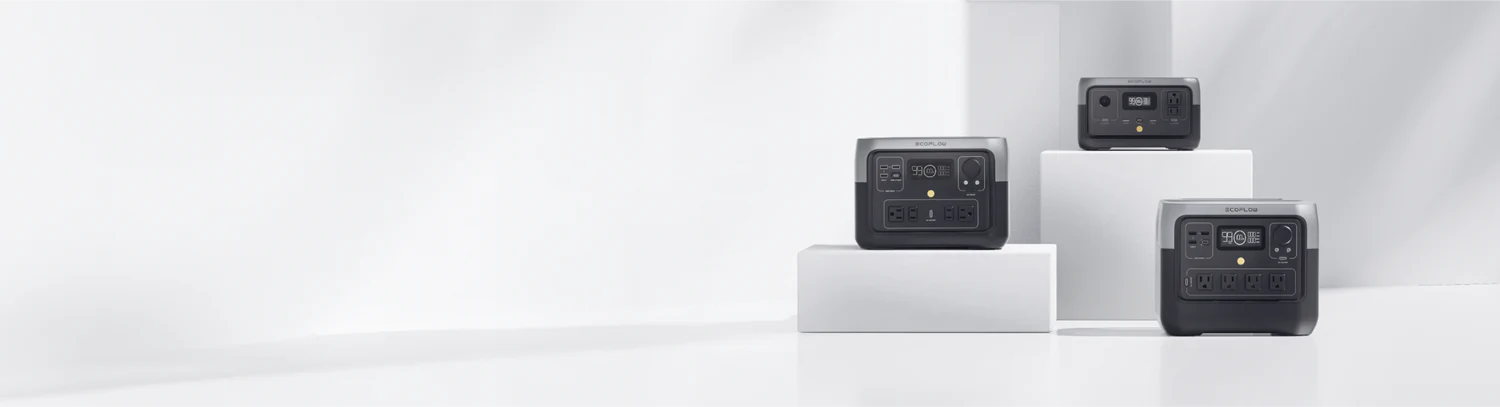
Let’s start with the most accessible end of the pool. The River series is EcoFlow’s answer for the mobile professional, the weekend camper, and the person who needs reliable power for small to medium devices. If you’re looking for a budget-friendly solar generator to dip your toes into the portable power world, this is where you begin.
1. EcoFlow River 3: The Compact Powerhouse
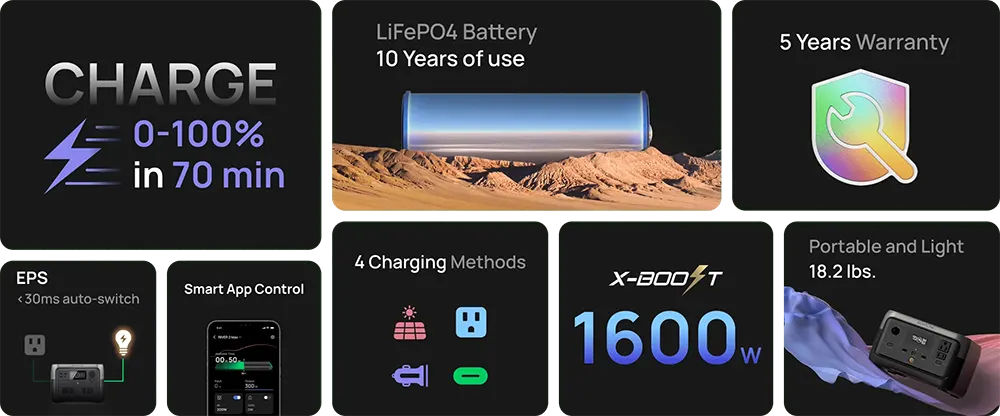
RIVER 3 Plus is a beast in the small power station game, cranking out up to 600W of rated power. Its X-Boost technology can continuously handle 1200W heating devices without breaking a sweat, keeping 90% of home appliances running smoothly. With an additional built-in light, you’ll never get left in the dark.
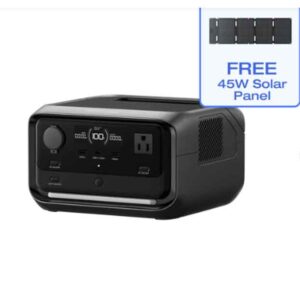
Equipped with a 286Wh capacity and 600W output, RIVER 3 Plus can power a 3W Wi-Fi router for up to 35 hours. Plus, it can run pretty much any office appliance, including 600W computers for at least 21 minutes, allowing a safe shutdown and completion of ongoing tasks.
Who is it for? Imagine you’re a digital nomad working from a coffee shop or a parent needing to power a CPAP machine for a night during an outage. The River 2 is your discreet, reliable buddy. It’s lightweight, quiet, and gets the job done without any fuss.
2. EcoFlow River 2 Pro: The Capacity King of the River Family
Need a bit more juice? The EcoFlow River 2 Pro steps up the game. With a 768 Wh capacity and an 800 W output (1600W with X-Boost), this model is for those who find the base model a tad limiting. Prices in 2025 typically hover between $359 and $509.
What does that extra cost get you? Significantly more runtime. You could power a 40W TV for over 15 hours or run a small electric grill for a backyard party. The EcoFlow River 2 Pro price is justified for anyone who needs sustained power for multiple devices or longer trips without access to grid power.
The Mid-Range Mavericks: EcoFlow Delta Series Prices
Now we’re getting into the serious stuff. The Delta series is the workhorse of the EcoFlow lineup, beloved by homeowners, serious campers, and content creators alike. This is where the portable power station pricing starts to reflect true home backup and heavy-duty outdoor capability.
1. EcoFlow Delta 3 Max: Automotive-Grade Full-Tab LFP Cells
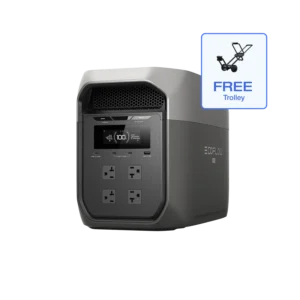
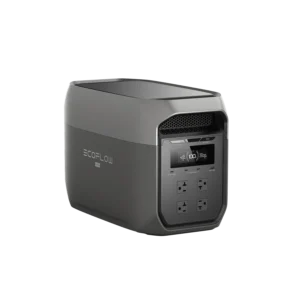
EcoFlow DELTA 3 Max (2048 Wh) delivers 2400 W AC-rated output. With X-Boost™ 3.0 technology, it supports devices up to 3400W—effortlessly taking on your heavy-duty appliances. The inverter samples AC voltage and current every 33 μs with high precision using a DSP chip, ensuring pure sine wave output with beyond-grid-level stability—ideal for powering sensitive electronics reliably.
From battery chemistry to structural design, DELTA 3 Max (2048Wh) is engineered for extreme durability, environmental resilience, and whisper-quiet performance. Lightweight and easy to carry, DELTA 3 Max (2048Wh) fits into any setting—from home to the great outdoors. Weighing just 20.3 kg, it’s 13% lighter for effortless portability while still packing serious power.

2. EcoFlow Delta 2: The Sweet Spot for Versatility
The Delta 2 is arguably one of EcoFlow’s most popular models for a reason. It hits a remarkable balance between capacity, power, and price. In 2025, the standard Delta 2 sits comfortably in the $699 to $899 range. You get a 1 kWh (1024Wh) battery with a 1800W output, surgeable to 2700 W.
This is the model that can power your refrigerator during a 4-hour blackout, run your power tools on a remote job site, or become the heart of a robust RV setup. When people ask, “Is EcoFlow worth the money?”, they are often looking at the Delta 2 as the benchmark. Its value proposition is incredibly strong.
The Heavy-Duty Titans: EcoFlow Delta Pro Series Prices
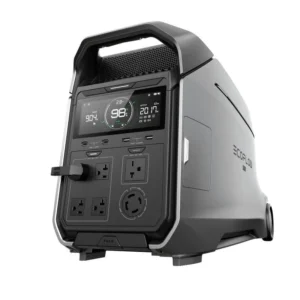
Welcome to the big leagues. The Delta Pro is EcoFlow’s flagship model, designed not just to power your devices but to power your life during an outage or to serve as a complete off-grid energy solution. The cost of an EcoFlow Delta Pro is high, but so is its capability.
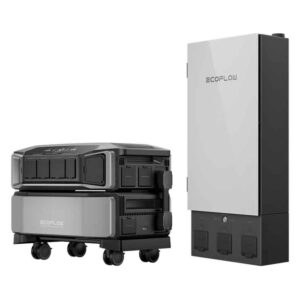
1. The Single Delta Pro Ultra: Whole-Home Backup Foundation
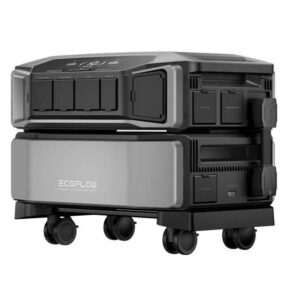
A single Delta Pro Ultra unit in 2025 will set you back approximately $2,999 to $3,399. For that investment, you get a monstrous 3.6 kWh capacity and a 3,600 W output (7,200 W with X-Boost). This single unit can power 99% of high-wattage appliances, from washing machines to well pumps. It’s the foundation upon which you can build an entire home ecosystem.
2. Scaling Infinity: The Cost of a Delta Pro Ecosystem
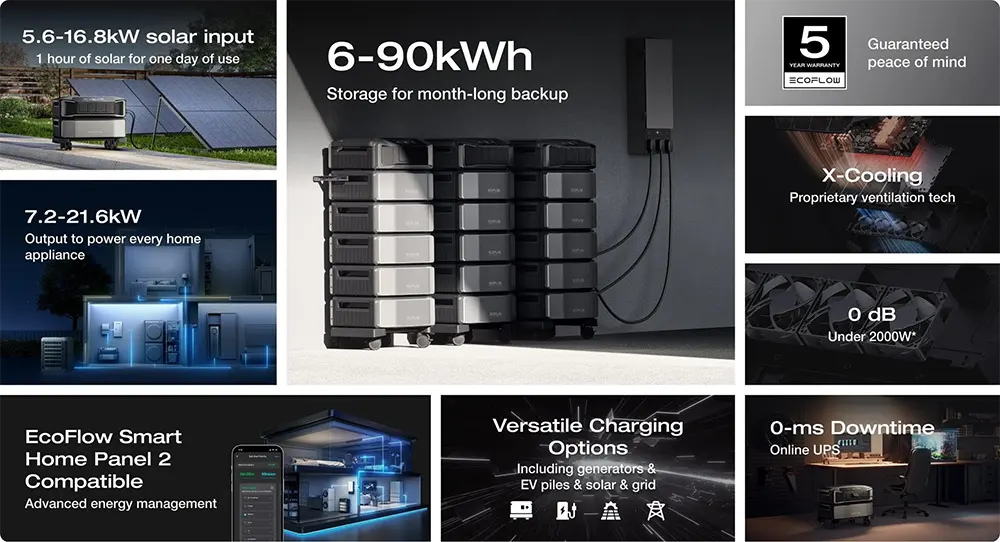
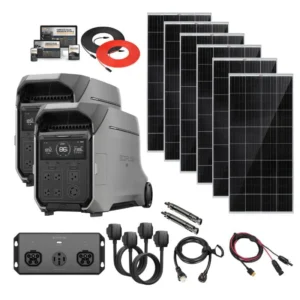
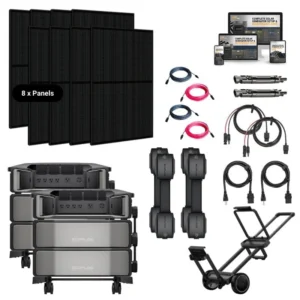
Here’s where the EcoFlow power station prices truly explode in scale, not just cost. The Delta Pro is modular. You can add extra battery modules (each around $1,999) to double or triple its capacity. You can connect two Delta Pros for a 7.2 kWh, 7200 W output. You can add the Smart Home Panel for seamless automatic transfer switching during a blackout.
A fully kitted-out system with two Delta Pros, two extra batteries, and the Smart Home Panel can easily surpass $10,000. This isn’t just a power station; it’s a permanent, whole-home backup solution that can rival traditional gasoline generators in output and surpass them in silence, cleanliness, and ease of use.
Breaking Down the Value: What Are You Really Paying For?
Seeing those numbers, it’s fair to ask, “Is this just an expensive battery?” The answer is a resounding no. You’re paying for a synthesis of advanced technology and user-centric design.
- The Battery Chemistry: EcoFlow uses Lithium Iron Phosphate (LFP) batteries in their newer models (River 2 series, Delta 2, Delta Pro). This isn’t just jargon. LFP batteries are safer, last much longer (3,000+ cycles vs. 500-800 on older Li-ion), and are more stable. You’re paying for longevity and safety.
- The Charging Speed: That X-Stream technology I mentioned? It’s not a small feature. Charging a 1kWh Delta 2 from 0-80% in under 50 minutes is revolutionary. You’re paying for your time back.
- The Ecosystem & Smart Features: The ability to monitor and control your unit from your phone, the seamless integration of solar, and the modular expansion options—this is sophisticated energy management software, not just hardware.
Conclusion: Investing in Peace of Mind and Possibility
Navigating EcoFlow power station prices is ultimately about understanding your own needs and the value of resilience. It’s not just a purchase; it’s an investment. An investment in unforgettable camping trips without sacrificing comfort. An investment in keeping your family safe, fed, and connected during a storm. An investment in the freedom to work and create, untethered from the grid.
Start by asking yourself, “What do I truly want to power, and for how long?” Let that answer guide you through the River, Delta, and Delta Pro lineups. Whether you spend $250 or $3,000, you’re buying more than a product. You’re buying peace of mind, adventure, and a little slice of independence. And in our unpredictable world, that might just be priceless.
FAQs About EcoFlow Power Station Prices
- What is the most cost-effective EcoFlow model for a first-time buyer?
For someone new to portable power, the EcoFlow River 2 Pro offers the best balance of price and performance. It’s affordable, capable of handling most small devices and short trips, and introduces you to EcoFlow’s core technology without a major financial commitment. - How much does it typically cost to add solar panel charging to an EcoFlow power station?
The cost varies by the panel’s wattage. A single 160W solar panel typically costs between $399 and $499, while a more powerful 220W panel can range from $549 to $649. Buying a solar bundle with the power station initially is almost always cheaper than adding panels later. - Are EcoFlow’s LFP batteries really worth the higher price compared to older models?
Absolutely. While the upfront cost of an EcoFlow power station with an LFP battery might be slightly higher, the long-term value is undeniable. LFP batteries last for 3,000+ charge cycles before degrading to 80% capacity, meaning they will last for a decade or more of daily use, far outliving older Li-ion batteries. - Can an EcoFlow power station realistically power my entire home during an outage?
Yes, but it depends on the model and your setup. A single EcoFlow Delta Pro can power essential circuits (refrigerator, lights, modem, sump pump) for hours. With a double Delta Pro setup and the Smart Home Panel, you can realistically back up most, if not all, of your home’s critical circuits for a day or more, depending on your energy usage. - Besides the unit itself, what other costs should I budget for?
Remember to factor in the cost of any additional cables, parallel connection cables for linking units, the Smart Home Panel for whole-home backup, a carrying case for portability, and, of course, solar panels if you plan to recharge off-grid. These accessories can add several hundred to a few thousand dollars to your total system cost.
EcoFlow Stores
| United Kingdom | Italy | France | Spain | Germany | Canada | Australia | USA |
 |
 |
 |
 |
 |
 |
 |
 |
| Visit Here | Visit Here | Visit Here | Visit Here | Visit Here | Visit Here | Visit Here | Visit Here |
You Might Also Like