The Ultimate Guide to Off Grid Solar Power Systems for Homes: Unplug and Power Up!
The dream of energy independence is alive and well, and it starts with understanding off grid solar power systems for homes.
The Basics: What Exactly Are We Talking About?
Off Grid Solar Power Systems – Before we start sizing up roof spaces and calculating wattages, we need to get our terminology straight. The solar industry loves its jargon, but at the end of the day, it’s just about catching sunlight and turning it into juice for your toaster.
What is a off grid solar system? Think of it as your very own personal, self-sustaining power island. A completely independent energy setup that generates electricity from the sun and stores it in batteries for when you need it, without ever connecting to the local utility company’s power lines. You are the utility company now!
What is solar off grid? People use this phrase interchangeably with the previous one. It simply means your solar setup operates entirely independently of the municipal electrical grid. You generate your own juice, you store it, and you use it. No backup from the city, no monthly bills from the power company.
What is off grid solar energy? This refers to the actual electrical power harvested from the sun and stored in a standalone battery bank. It is raw, unadulterated, self-generated electricity that exists purely within the boundaries of your private property and your private electrical ecosystem.
What does off grid solar panel mean? When someone says this, they are referring to a solar panel specifically utilized in a standalone setup. Unlike grid-tied panels that push excess power back to the utility, these panels send all their harvested energy directly into your local battery bank for immediate or later use.
What are off grid solar panels? Physically, they are the exact same glass-and-silicon rectangles you see on regular roofs. However, in this context, they are the “hungry mouths” of your system, specifically chosen for their high efficiency to ensure your battery bank gets fully charged before the sun goes down.
Under the Hood: How the Magic Happens
Alright, so we know what the pieces are. But how do they actually play together? Let’s pop the hood and look at the engine.
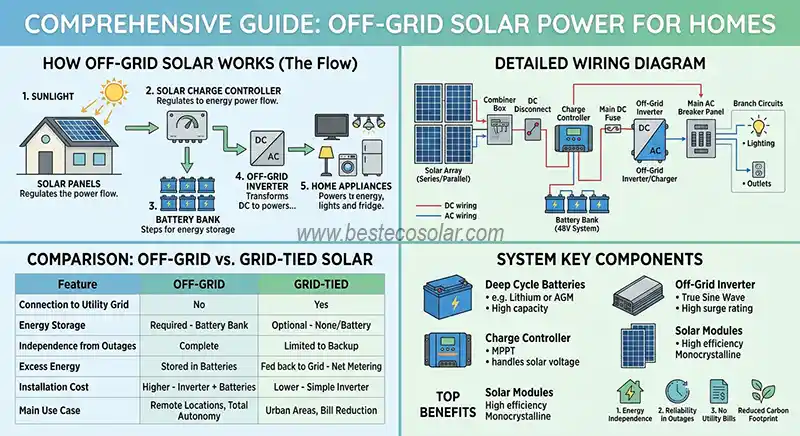
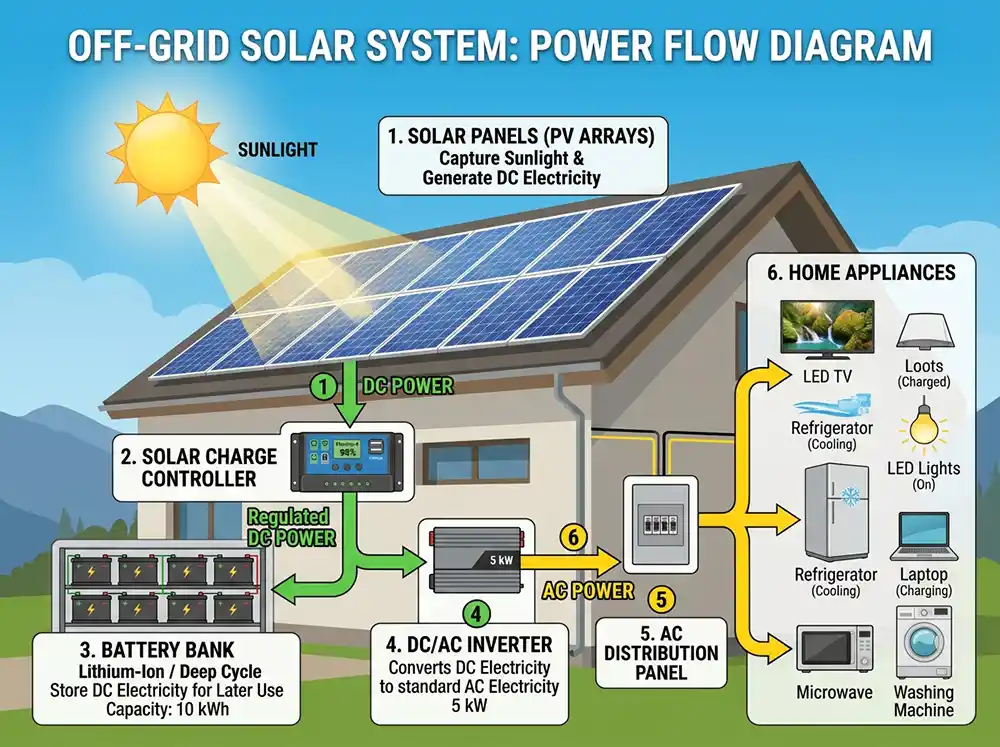
How do off grid solar systems work? Imagine a relay race. The solar panels grab the baton (sunlight) and pass it as direct current (DC) electricity to the charge controller. The charge controller acts like a smart bouncer, making sure the batteries don’t get overcharged. The batteries store the energy. Finally, the inverter takes that stored DC power and translates it into alternating current (AC) power, which is the language your household appliances actually speak.
How do off grid solar panels work? It all comes down to the photovoltaic effect. Sunlight is made of tiny energy packets called photons. When these photons smash into the silicon cells of the panel, they knock electrons loose. These freed electrons flow through the wiring, creating a direct electrical current. It’s basically physics doing the heavy lifting for you!
How does off grid solar panels work? To add a little more nuance, the panels themselves don’t actually “store” the power. They only generate it in real-time. The magic of how they work in an off-grid scenario relies entirely on the immediate transfer of that generated current into your battery bank, ensuring that the energy captured at noon is available to run your lights at midnight.
Getting Down to Business: The Setup Process
So, you’ve bought the gear. Now what? You can’t just throw panels on the grass and hope for the best. Let’s talk about putting it all together.
Off the grid solar set up? The physical setup starts with mounting the panels. They need to face true south (in the Northern Hemisphere) at an angle that matches your latitude to catch the maximum amount of sunlight. You’ll need sturdy racking, proper grounding, and heavy-duty wiring to bring that power down from the roof into your home’s electrical panel.
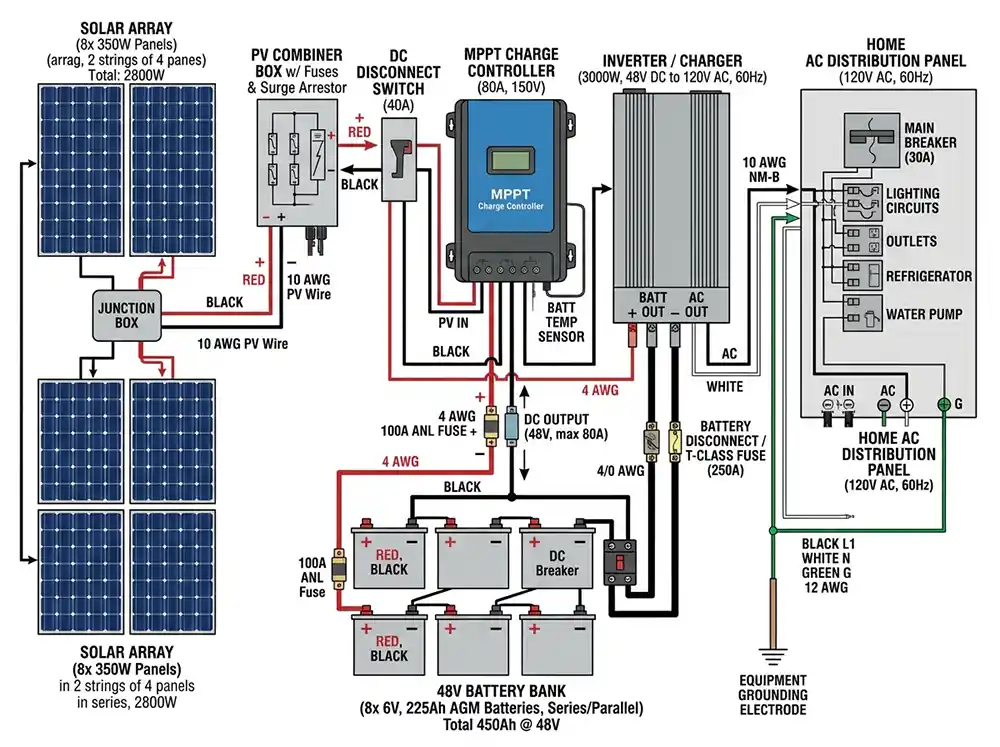
Solar off grid set up? Once the panels are up, the indoor setup begins. This is where you install your charge controller and inverter close to your battery bank to minimize power loss over long wire runs. You’ll connect the batteries in series or parallel to achieve your desired voltage, hook up the inverter to convert DC to AC, and finally, integrate a backup generator for those long, cloudy winter weeks. Safety disconnects and proper fusing are absolutely non-negotiable here!
The Great Debate: Is It Right for You?
Going off-grid isn’t just a technical decision; it’s a lifestyle choice. Let’s weigh the pros and cons and see if it aligns with your personal goals.
Is off grid solar worth it? If you value absolute independence, resilience against grid failures, and the deep satisfaction of powering your life with the sun, then yes, it is incredibly worth it. However, if you just want to save a few bucks on your monthly bill and don’t care about total independence, a simple grid-tied system might be a better financial fit.
Why off grid living? People choose this lifestyle for a myriad of reasons. Some want to escape the rising costs of utility monopolies. Others want to reduce their carbon footprint to absolute zero. Many are drawn by the resilience it offers—when the neighborhood goes dark during a storm, your lights stay on. It’s about taking control of your own destiny and not relying on infrastructure that might fail when you need it most.
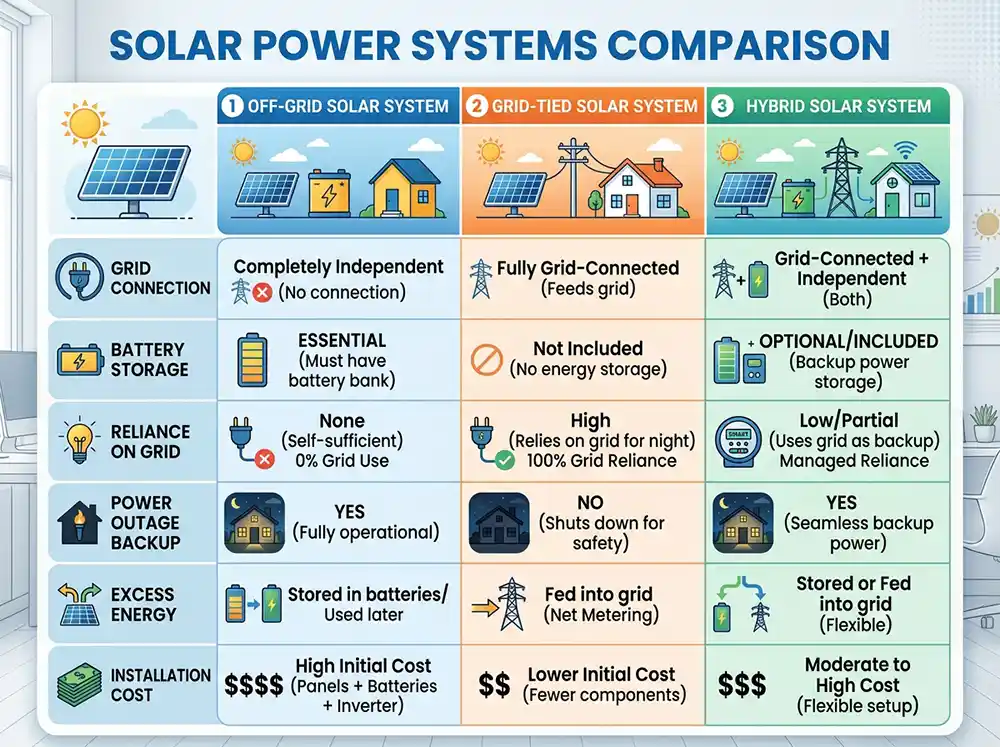
Solar panels off grid vs grid? Grid-tied systems are cheaper upfront, require less maintenance, and don’t need expensive batteries. But when the grid goes down, your solar goes down too. Off-grid systems cost more initially and require battery maintenance, but they offer 100% uptime and total freedom from utility rate hikes. It’s the classic battle between convenience and independence.
Is off grid solar cheaper? In the short term, absolutely not. The upfront cost of batteries and oversized inverters makes it a hefty investment. But in the long term? Once the system is paid off, your electricity is essentially free forever. You are trading high initial capital for zero monthly operating costs.
Is off grid solar better? “Better” is highly subjective. If you live in a remote cabin in the woods, off-grid is infinitely better because grid power isn’t even an option. If you live in a dense suburb, grid-tied is probably better for your wallet. Off-grid is better for self-reliance; grid-tied is better for pure financial return on investment.
Location, Location, Location
Where you live dictates everything from how many panels you need to what permits you have to pull. Geography is destiny in the solar world.
Can you have off grid solar in California? Yes, you absolutely can, but be prepared for a bureaucratic maze. California has some of the strictest fire codes, building permits, and electrical inspections in the country. You’ll need to prove your battery bank is safely housed, your wiring is up to code, and your system won’t pose a fire risk. It’s totally doable, but you’ll need patience and probably a good local contractor.
Where can I go off grid? Technically, you can go off-grid anywhere the sun shines, and you have space to mount panels. However, it makes the most financial and practical sense in rural areas where running a utility power line to your property would cost tens of thousands of dollars. Places with high “solar insolation” (like the American Southwest, Australia, or parts of Southern Europe) are the absolute best locations for maximum efficiency.
Complete Off-grid Solar System Package Supplier
| Name | Price Range | Discount |
|---|---|---|
| Sun Gold Power | $5,774 – $31,853.00 | 👉 Get Special Offers |
| Rich Solar | $7,999 – $21,599.99 | 👉 Get Special Offers |
| ShopSolarKits | $2,539 – $149,989.99 | 👉 Get Special Offers |
Shopping for the Sun: Buying Guide
Ready to open your wallet? The market is flooded with options, from cheap internet kits to premium, custom-engineered setups. Let’s navigate the shopping aisles.
Where to buy off grid solar system? You have a few solid avenues. You can buy direct from major manufacturers, purchase from specialized online renewable energy retailers, or hire a local turnkey installer. For DIYers, specialized online retailers are usually the sweet spot for getting good gear at fair prices with actual technical support.
Solar off grid companies? When looking for companies, you want to distinguish between the “big box” retailers who just sell boxes, and the specialized renewable energy companies that actually understand system design. Look for companies that offer design services, warranty support, and have a track record of standing behind the equipment they sell.
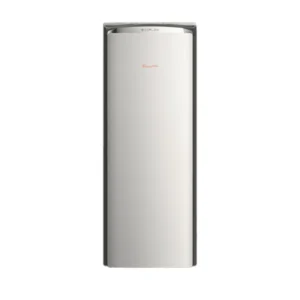
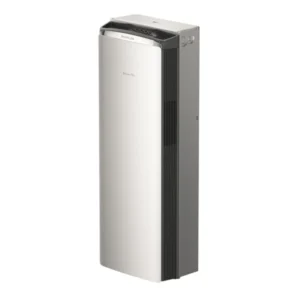
What is the best off grid solar system? There is no single “best” system because every home has different energy needs. However, the best components usually come from industry heavyweights. A top-tier system would feature Victron Energy or OutBack Power inverters, a massive Lithium Iron Phosphate (LiFePO4) battery bank, and high-efficiency panels. The “best” system is the one perfectly sized for your specific daily load.
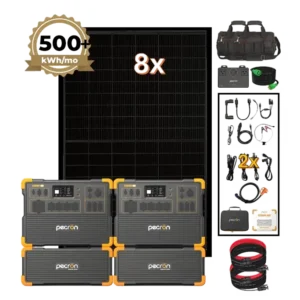
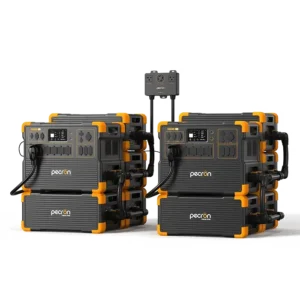
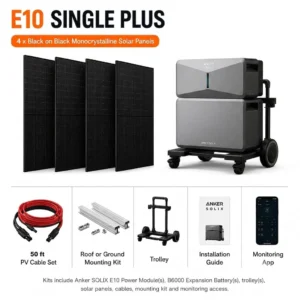
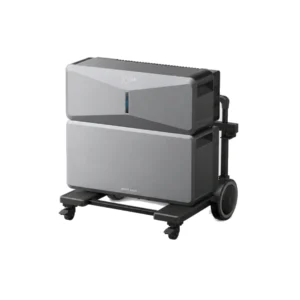
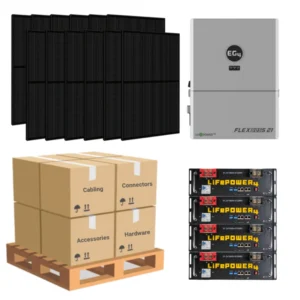
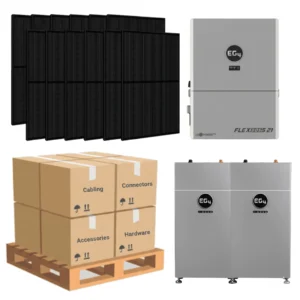
Best off grid solar packages? When shopping for pre-made packages, look for kits that include matched components. A good package won’t just throw random parts in a box; it will include an inverter and charge controller that communicate seamlessly, properly sized wiring, and a battery bank that matches the inverter’s voltage requirements.
What is the best off grid solar kit? The best kits for beginners are all-in-one solutions that include a comprehensive manual and access to phone support. Brands that offer “smart” kits with built-in monitoring apps are fantastic, allowing you to see exactly how much power you are generating and consuming right from your smartphone.
What are the best off grid solar panels? You want panels with high efficiency and low degradation rates. Top-tier brands like SunPower, REC, and Canadian Solar are fantastic choices. Monocrystalline panels are the gold standard here because they perform better in low-light conditions and take up less roof space compared to their polycrystalline cousins.
Crunching the Numbers: Costs and Sizing
Let’s talk money and math. This is where the dream meets reality. You need to know exactly what you need and what it will cost before you buy a single wire.
How much are off grid solar panels? Prices fluctuate, but generally, you are looking at about $0.70 to $1.20 per watt for high-quality residential panels. So, a standard 400-watt panel will cost you anywhere from $280 to $480. Remember, the panels are actually the cheapest part of the whole off-grid puzzle!
How much do off grid solar systems cost? Brace yourself. A basic, modest off-grid setup for a small home might start around $20,000. A comfortable, modern home with all the normal appliances, AC, and a robust battery bank can easily run between $40,000 and $70,000 or more. The batteries and the heavy-duty off-grid inverters are where the bulk of your money will go.
How much off grid solar? To figure this out, you need to calculate your daily energy consumption in kilowatt-hours (kWh). Look at your past utility bills, find your average daily usage, and then add about 20% to account for system inefficiencies and cloudy days. That number is your daily target.
How many solar panels for off grid house? Let’s do some quick math. If your average home uses 30 kWh a day, and you get 5 peak sun hours, you need a 6 kW (6,000 watt) solar array. If you use 400-watt panels, you would need exactly 15 panels. But because off-grid systems need to charge batteries quickly and account for winter days, you usually oversize the array by 25% to 50%. So, for a standard house, you are likely looking at 20 to 30 panels.
How many solar panels for off grid cabin? Cabins are the sweet spot for solar! If your cabin only runs LED lights, a small fridge, a water pump, and charges a few laptops, you might only use 5 kWh a day. For that, a 1 kW to 1.5 kW array is plenty. That means you only need 3 to 5 high-quality solar panels to keep the lights on and the beer cold.
Longevity and Reliability: Will It Last?
You’re making a massive investment. Naturally, you want to know how long this thing is going to keep your fridge running and your lights on.
How long do off grid solar systems last? The solar panels themselves are the workhorses; they will easily last 25 to 30 years, still producing about 80% of their original power at the end of that time. The inverters and charge controllers usually last about 10 to 15 years before they might need replacing. The battery bank is the wildcard, depending heavily on the chemistry you choose.
How reliable are off grid solar systems? If designed correctly, they are incredibly reliable. The secret to reliability is not just having enough solar panels, but having a properly sized battery bank and a backup generator. When you design your system to handle three days of autonomy (meaning the batteries can run the house for three days with zero sun), your reliability shoots up to near 100%.
How long do off grid solar batteries last? This depends entirely on the chemistry. Traditional lead-acid or AGM batteries will last about 3 to 5 years if you use them daily. Lithium Iron Phosphate (LiFePO4) batteries are the modern gold standard; they are more expensive upfront but will easily last 10 to 15 years, handling thousands of deep discharge cycles without breaking a sweat.
Conclusion
Deciding to install off grid solar power systems for homes is a monumental step toward true energy independence. It’s not just about saving money on your electric bill; it’s about taking control of your power, reducing your reliance on fragile infrastructure, and embracing a more resilient way of living.
Yes, the upfront costs are steep, and yes, the learning curve can feel like climbing a mountain. But the payoff—waking up every morning knowing your home is powered entirely by the sun—is a feeling of freedom that is hard to beat. Take your time, do your math, size your system correctly, and don’t be afraid to ask for help when you need it.
The sun is shining, the technology is better than ever, and your off-grid dream is closer than you think. Unplug, power up, and enjoy the glow of your own hard work!
FAQs
While you don't strictly need one, it is highly recommended. Solar power is intermittent. If you experience a week of heavy snow or continuous rain in the dead of winter, your batteries will drain. A propane or diesel generator acts as an insurance policy, kicking in to charge your batteries when the sun refuses to show up, ensuring you never sit in the dark.
You can, but it will drastically increase the size and cost of your system. Air conditioners are massive energy hogs. If you want AC off-grid, you will need a much larger solar array, a massive battery bank, and a high-capacity inverter. Most off-gridders opt for highly efficient mini-split heat pumps or simply rely on passive cooling and ceiling fans to keep their energy demands manageable.
If the panels are covered in snow, they stop producing electricity. However, because panels are usually mounted at an angle, snow tends to slide off relatively quickly once the sun comes out. During the storm, your system will rely entirely on your battery bank. This is exactly why off-grid systems are designed with "days of autonomy" to handle bad weather without dropping your power.
Modern off-grid systems are surprisingly low maintenance. Solar panels just need to be kept relatively clean and free of heavy debris like thick layers of leaves. The main maintenance item is the battery bank. If you use lithium batteries, maintenance is practically zero. If you use lead-acid, you’ll need to occasionally check water levels and ensure the terminals are clean and tight.
Absolutely! In fact, this is how many people start. You can begin with a small kit powering just your essentials—like lights, a small fridge, and phone chargers. As your budget allows, you can add more panels to the array and expand your battery bank. Just make sure you buy an inverter and charge controller that are modular and can handle the increased capacity when you decide to scale up.
You Might Also Like