
Best RV Solar Kit: Your Complete Guide to Off-Grid Freedom
In this comprehensive guide, we’ll dive deep into everything you need to know about choosing the Best RV Solar Kit for recreational vehicles. Whether you’re a weekend warrior or a full-time nomad, I’ve got you covered with real-world advice, honest comparisons, and practical tips that actually work. Let’s turn your RV into a self-sufficient powerhouse!
Best RV Solar Kit – When it comes to finding the best RV solar kit, one size definitely doesn’t fit all. Your power needs depend on your lifestyle, your RV size, and how much boondocking you plan to do. Let’s break down the top contenders that are dominating the market.
What Is the Best RV Solar Kit?
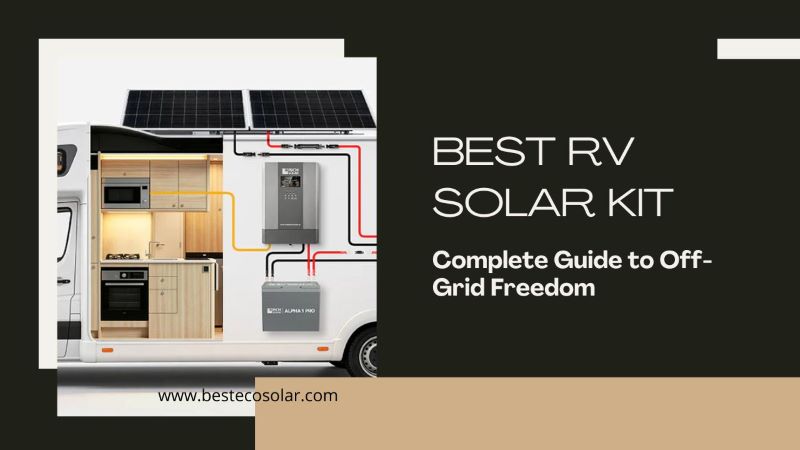
The best RV solar kit for most RV owners is a 400W system with an MPPT charge controller, mounting hardware, and properly sized wiring. A 200W kit is often enough for weekend camping, while 600W to 800W systems are better suited to serious boondocking and full-time RV living. The right choice depends on your daily electricity usage, available roof space, battery capacity, and budget.
Before we jump into specific products, let’s talk about what separates a mediocre kit from a truly exceptional one. It’s not just about the number of watts printed on the box.
- Efficiency matters more than raw power. A 200W panel with 23% efficiency will outperform a 300W panel running at 15% efficiency, especially on cloudy days. Look for monocrystalline panels—they’re the gold standard for the best solar panels for camper vans and motorhomes.
- The charge controller is the brain of your system. A cheap PWM controller will waste 20-30% of your solar harvest. MPPT (Maximum Power Point Tracking) controllers squeeze every drop of energy from your panels, and in 2026, they’re more affordable than ever.
- Durability isn’t negotiable. Your panels will face hail, high winds, road vibrations, and temperature swings from freezing nights to scorching afternoons. The best RV solar panel kit uses ETFE coating instead of cheap PET film and robust aluminium frames that won’t warp after one season.
- Expandability is crucial. Start with 200W today, but choose a system that lets you add panels without replacing your entire setup. Smart RVers think three years ahead.
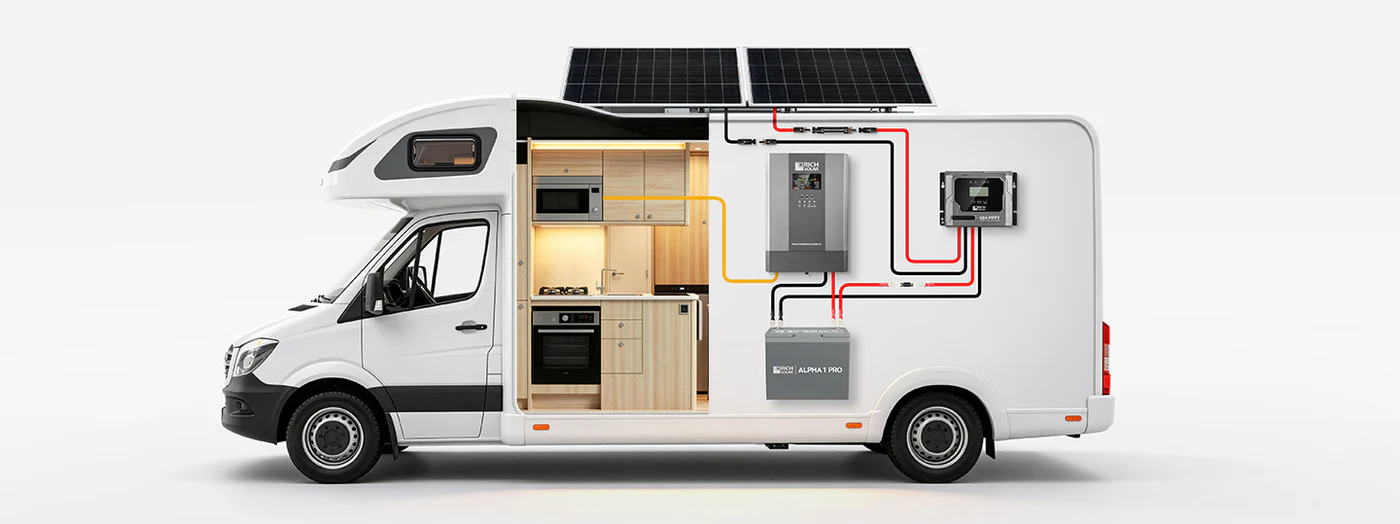
Best RV Solar Kits comparison table
| RV Solar Kit | Best For | Solar Power | Battery | Inverter | Complete System? | Verdict |
|---|---|---|---|---|---|---|
| 400W RV Solar Kit | Most RV owners | 400W | Optional | Optional | Mostly | Best Overall |
| 600W RV Solar Kit | Boondocking | 600W | 100Ah+ | Optional | Varies | Best Value |
| 800W RV Solar Kit | Full-time RVers | 800W | 200Ah+ | Optional | Varies | Best for Full-Time Living |
| 1200W RV Solar Kit | High power use | 1200W | 400Ah+ | Recommended | Varies | Best High-Power System |
| Portable Solar Kit | Flexible camping | 200W–400W | Power station dependent | Built-in | Yes/Varies | Best Portable Option |
Top Tier: Premium RV Solar Kits for Serious Boondockers
1. Rich Solar 1600 Watt RV Solar Kit with MPPT Controller
Rich Solar has been the darling of the RV solar world for years, and their 1600W premium kit shows why. This isn’t just a collection of parts—it’s a thoughtfully engineered system.
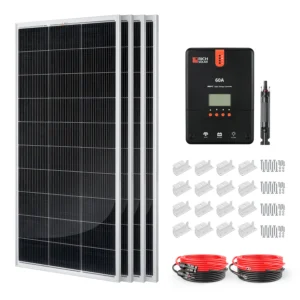
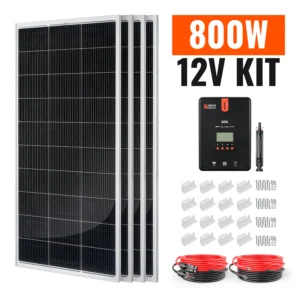
The eight 200W monocrystalline panels use PERC (Passivated Emitter and Rear Cell) technology, pushing efficiency to 22%. The included 40A Rover MPPT controller is programmable and features Bluetooth monitoring through your smartphone. Want to know exactly how many amp-hours you harvested yesterday? There’s an app for that.
Installation is surprisingly straightforward thanks to pre-drilled corners and included Z-brackets. The wiring is UV-resistant and properly gauged—something cheaper kits often skimp on. At around $2,399, it’s an investment, but one that pays dividends in reliability.
Real-world performance: Users consistently report 25-30 amp-hours daily in full sun, enough to keep a residential refrigerator running alongside lights and devices. For the best complete RV solar kit in the premium category, Rich Solar remains the benchmark.
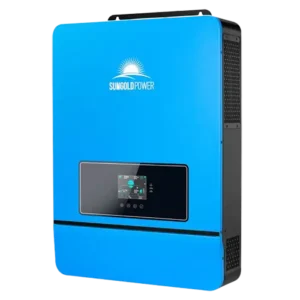
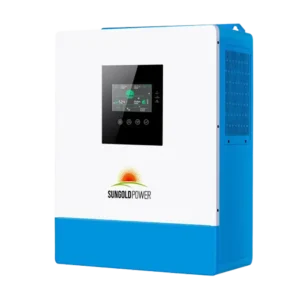
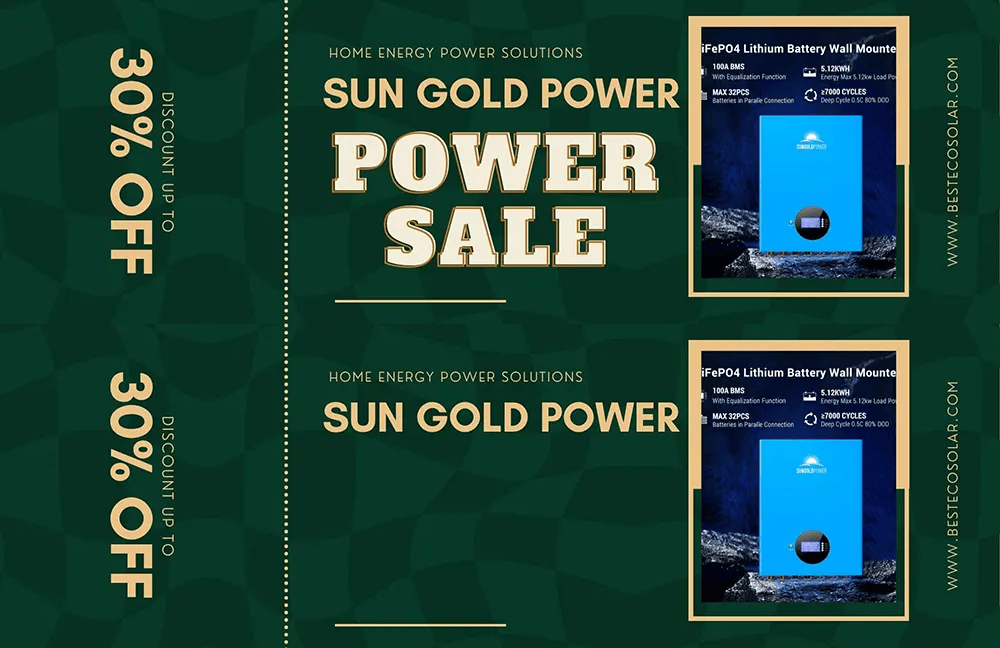
2. Sun Gold Power RV Solar Kit 3000W 24V Inverter 120V
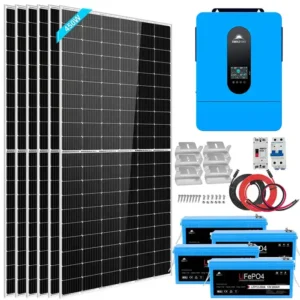
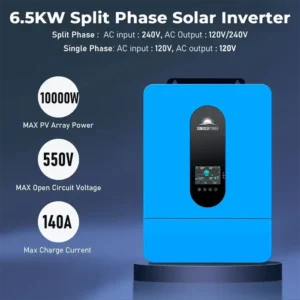
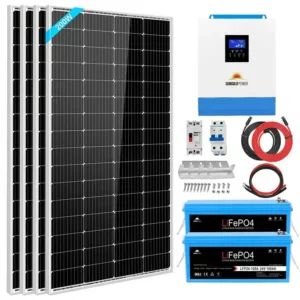
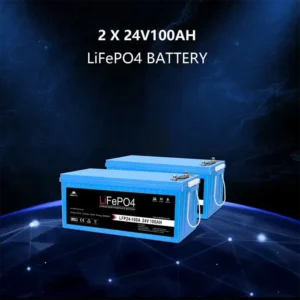
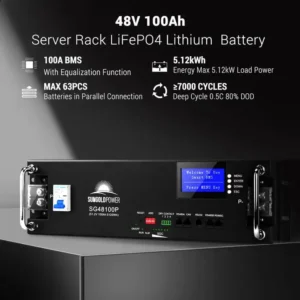
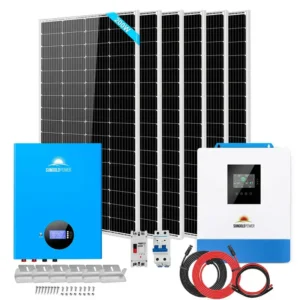
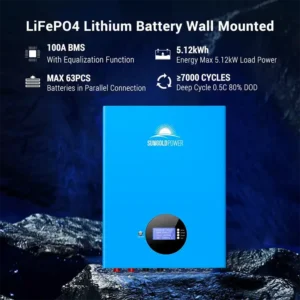
This is an all-in-one solar kit for home applications, creating 120V to power standard household appliances during short-term utility outages. It includes a 3000W 24V AC 120V output solar inverter, 4 PCS 200-watt solar panels, 2 pcs 24V 100AH lithium batteries, and other accessories. The solar kit is powerful for RVs or home appliances.
It is widely used in off-grid homes, solar systems, and emergency backup systems! You can extend your system by adding more solar panels or batteries in the future!
Where this kit shines is in value. You’re getting a complete power station for roughly $2,485. The panels are slightly less efficient than Renogy’s, but the difference is marginal in real-world use. If you’re building the best premium RV solar kit collection without sacrificing completeness, Sun Gold Power deserves serious consideration.
Mid-Range Champions: Best Value RV Solar Kits
Not everyone needs (or can afford) a premium setup. These mid-tier options deliver 80% of the performance at 50% of the price.
| Model | System Wattage | Battery Type | Key Features | |
|---|---|---|---|---|
| 1200 Watt RV Solar Kit | 1200 Watt Solar Input | Compatible with various deep-cycle battery options | Automatically detects 12V/24V/36V/48V DC system voltages. | RV Solar Kits |
| 800 Watt RV Solar Kit | 800 Watt Solar Input | Compatible with various deep-cycle battery options | Fast and easy installation thanks to 14 pre-drilled holes; compatible with standard Z-brackets, ground mounts, side pole mounts, and tilt mounts. | RV Solar Kits |
| 600 Watt RV Solar Kit | 600 Watt Solar Input | 100AH 12V Lithium batteries | Built with strong, high-transmission “anti-reflective” coated tempered glass and an anodised aluminium frame. | RV Solar Kits |
| 400 Watt RV Solar Kit | 400 Watt Solar Input | 200AH 12V Lithium battery | High-quality components that work seamlessly together. | RV Solar Kits |
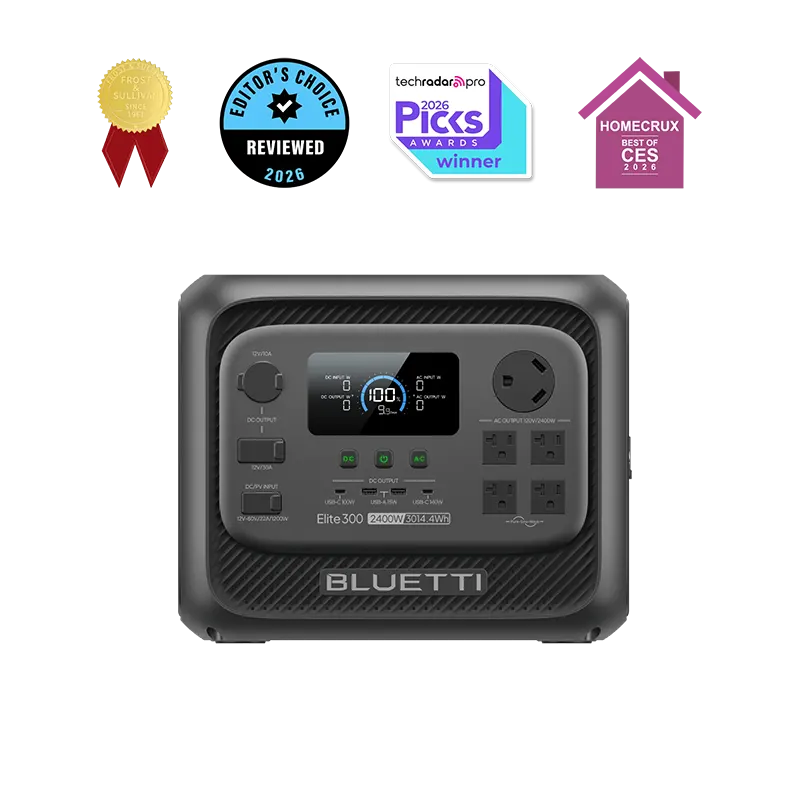
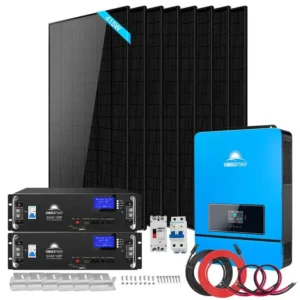
| BLUETTI RVSolar 48V System | Up to 3,000W Solar Input | Expandable B4810 48V LiFePO4 (up to 122 kWh total!) | 5-in-1 power hub, 30-minute install, IP65-rated batteries, AI diagnostics. The futuristic, luxury option. | Tech enthusiasts and luxury RV owners want maximum power and seamless integration. |
Portable Power: Best Flexible and Foldable RV Solar Kits
1. Jackery SolarSaga 200W Portable Solar Panel
Jackery revolutionised portable power, and their SolarSaga panels are the perfect companions for their power stations. But here’s a secret: they work beautifully with traditional RV battery systems too.
The 200W panel folds into a briefcase-sized package weighing just 17.6 pounds. Unfold it, angle it toward the sun using the built-in kickstands, and you’re harvesting clean energy in 60 seconds. The ETFE-laminated cells are incredibly durable—I’ve seen these panels survive being accidentally stepped on (not recommended, but impressive).
At $549, it’s pricier per watt than rigid panels. But for the best portable solar kit for RV travellers who value convenience, it’s unmatched. Digital nomads working from their rigs love the plug-and-play simplicity.
2. BLUETTI PV200 Solar Panel | 200W
Built with monocrystalline solar cells, the PV200 can convert up to 23.4% of sunlight into solar energy, charging your solar generators even in bad weather. Unfold the PV200, snap the kickstands, and adjust the angle to maximise the amount of sunlight, and you’re ready to harness solar energy for your generators.
The ETFE coating and IP65 junction box are designed to withstand scratches and water splashes, perfect for camping, fishing, hiking, and much more. (Prevents exposure to rain or soaking in water).
3. EcoFlow 400W Solar Panel
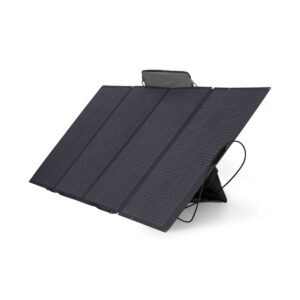 The EcoFlow 400W solar panel is the gold standard in foldable solar panel technology. It features a unique one-piece design that delivers better water resistance than any other foldable solar panel on the market. It’s foldable, has a 22.4% energy conversion efficiency, and you can connect three with the DELTA Pro to achieve up to a huge 1200W input.
Pair your 400W portable solar panels with an EcoFlow power station for a reliable power supply. Using MPPT technology, the generator adjusts its efficiency levels to offer a high 22% conversion rate.
Best RV Solar Kit for Most RV Owners
Recommend a 400W system.
Explain why:
- Good balance between price and performance.
- Enough power for lights, fans, laptops, water pumps, and moderate refrigerator usage.
- Suitable for many weekend and regular campers.
- Easier to install than very large systems.
A 400W tier is also the core recommendation made by one of the strongest competing pages.
Best Budget RV Solar Kit
Recommend a 200W–400W system.
Target users who:
- Camp on weekends.
- Use LED lights and small electronics.
- Do not operate large inverter appliances.
Best RV Solar Kit for Boondocking
Recommend a 600W system with lithium battery storage.
Target users who:
- Spend several days off-grid.
- Run laptops and multiple appliances.
- Need stronger daily solar production.
Best RV Solar Kit for Full-Time Living
Recommend an 800W–1200W system with LiFePO₄ batteries and a pure sine wave inverter.
How We Choose the Best RV Solar Kits
We evaluate each RV solar kit based on:
- Solar power and daily energy production — 25%
- Component quality — 20%
- System completeness — 15%
- Value for money — 15%
- Battery and inverter compatibility — 10%
- Ease of installation — 5%
- Expandability — 5%
- Warranty and support — 5%
Understanding Your RV Solar Needs: A Practical Guide
Here’s where most articles fail you—they throw products at you without helping you understand what YOU actually need. Let’s fix that.
1. How Much Solar Power Does Your RV Really Need?
| RV Lifestyle | Recommended Solar | Recommended Battery |
|---|---|---|
| Weekend camping | 200W–400W | 100Ah LiFePO₄ |
| Regular camping | 400W–600W | 200Ah LiFePO₄ |
| Serious boondocking | 600W–800W | 200Ah–400 Ah, LiFePO₄. |
| Full-time RV living | 800W–1200W+ | 400Ah + LiFePO₄ |
| High-power appliances | 1200W–2000W+ | 400Ah + LiFePO₄ |
This is the million-dollar question, and the answer is: it depends. But we can get surprisingly close with some simple math.
- Step 1: Calculate your daily power consumption. List every electrical device you use, its wattage, and how many hours you run it daily. A 12V LED light drawing 3 watts for 5 hours = 15 watt-hours. A 120V laptop using 60 watts through an inverter for 4 hours = 240 watt-hours. Add everything up.
- Step 2: Convert to amp-hours. Divide the total watt-hours by 12 (your battery voltage). If you consume 600 watt-hours daily, that’s 50 amp-hours.
- Step 3: Account for inefficiencies. Inverters waste 10-15% when converting DC to AC. Batteries shouldn’t be discharged below 50% (for lead-acid) or 20% (for lithium). Add a 25% buffer for cloudy days.
Real example: Sarah and Mike are full-time in a 30-foot Class C. Their daily needs: refrigerator (60Ah), lights (10Ah), devices (15Ah), water pump (5Ah), TV (8Ah). Total: 98 Ah. With inefficiencies and a buffer, they need to generate roughly 130 Ah daily.
In sunny Arizona, a 400W system produces about 120-140Ah in summer. In cloudy Oregon? Maybe 60-80Ah. This is why many full-timers oversize their systems or carry portable panels as backup.
The Battery-Solar Relationship: Why Your Storage Matters
Solar panels are only half the equation. Without proper battery storage, you’re generating power you can’t use when the sun goes down.
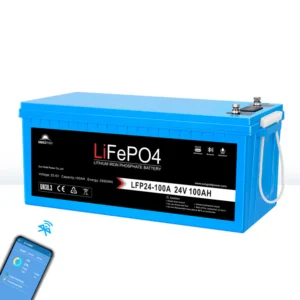

- Lead-acid batteries (AGM, gel, and flooded) are affordable but heavy. A 100Ah AGM battery weighs 65 pounds and provides only 50Ah of usable capacity. They also charge slowly and hate being deeply discharged.
- Lithium iron phosphate (LiFePO₄) batteries are game-changers. A 100Ah lithium battery weighs 30 pounds, provides 80-100Ah usable capacity, charges 3x faster, and lasts 5-10x longer. Yes, they cost 3x upfront ($400-800 vs $200), but the best lithium battery and solar kit for RV setups pays for itself within 3-4 years.
Here’s the kicker: lithium batteries can accept charge rates up to 1C (100 amps for a 100Ah battery). Your solar panels become the bottleneck, not the battery. This means you can actually use that massive solar array you’re considering.
Roof Space Reality Check: Will It Even Fit?
Before falling in love with a 600W system, grab your tape measure. RV roofs are crowded real estate.
A standard 100W rigid panel measures approximately 47 x 21 inches. A 200W panel is roughly 58 x 26 inches. Now map your roof: air conditioners, vents, antennas, satellite domes, and existing solar pre-wiring all consume space.
Pro tip: Many RV manufacturers leave a “solar-ready” zone near the front cap. This is often pre-wired for 10A systems—barely enough for trickle charging. Don’t assume “solar-ready” means “solar sufficient”.
For smaller rigs like camper vans and truck campers, flexible panels that conform to curved roofs are lifesavers. The best flexible RV solar kit options from brands like SunPower and Renogy can be adhered directly to your roof, saving inches of clearance and reducing wind resistance.
Installation Insights: DIY vs. Professional Setup
Should you install your best RV solar kit yourself or hire a pro? Let’s weigh the options honestly.
1. The DIY Route: Empowering but Not for Everyone
Installing a basic 200W system is genuinely achievable for handy RVers. The process involves mounting panels, running wiring through the roof (the scariest part for most people), connecting the charge controller, and wiring to batteries.
- Tools you’ll need: Drill with metal bits, waterproof sealant (Dicor self-levelling lap sealant is the gold standard), wire cutters/strippers, crimping tool, multimeter, and basic hand tools.
- The roof penetration dilemma: Every hole in your RV roof is a potential leak. Use proper cable entry glands (not just caulked holes) and check seals annually. Many experienced DIYers report their solar installs are their most leak-free roof penetrations because they obsess over sealing.
- Common DIY mistakes: Undersized wiring (voltage drop kills efficiency), poor grounding, mounting panels too close to vents (heat reduces output), and skipping the fuse between battery and controller (fire hazard).
If you’re comfortable with basic electrical work and have a weekend to spare, DIY saves $500-1500 in labour costs. Plus, you’ll intimately understand your system when troubleshooting is needed at 11 PM in a remote campground.
2. When to Call the Professionals
Some situations scream “hire a pro”. Complex systems over 600W, lithium battery upgrades requiring inverter/charger replacements, or RVs with intricate roof layouts (slide toppers, multiple AC units) often need expert hands.
Professional installers charge $75-150 per hour, with typical installs running 4-8 hours. They bring expertise in: proper wire gauge calculations, code compliance, warranty preservation, and troubleshooting gremlins that would take you days to diagnose.
Red flag: Any installer who won’t explain their work, provide a detailed quote, or wants payment upfront. Reputable RV solar specialists exist in most major metro areas, and many will travel to your location.
Maximising Your Solar Investment: Tips from the Road
 Buying the best RV solar kit is just the beginning. Here’s how to squeeze every electron from your investment.
1. Panel Positioning: The Art of Angle and Orientation
Fixed roof panels are convenient but rarely optimal. The sun’s angle changes dramatically with seasons and latitude. In winter, flat panels might lose 30% efficiency compared to properly angled ones.
- Adjustable tilt mounts are worth every penny for stationary RVers. For $40-60 per panel, you can angle your array toward the sun, boosting winter harvest by 25-40%. If you move frequently, the hassle of adjusting may outweigh the gains.
- Portable panels solve the positioning problem beautifully. Park in the shade (keeping your RV cool) and place panels in the sun. It’s like having a remote power plant that follows the light.
2. Maintenance: Keep Those Panels Happy
Solar panels are low-maintenance, not no-maintenance. Dust, pollen, bird droppings, and tree sap create a film that blocks photons. A 10% dirty panel acts like a 10% smaller system.
- Cleaning routine: Rinse with water monthly; use mild soap quarterly. Avoid abrasive cleaners that scratch the anti-reflective coating. Check mounting hardware seasonally—road vibrations loosen bolts over time.
- Winter wisdom: Snow blocks all light. If you’re winter camping, keep a soft brush handy to clear panels after storms. Never use metal tools that could scratch cells. Some RVers install panels at steeper angles specifically to encourage snow shedding.
3. Monitoring and Optimisation: Know Your Numbers
Flying blind with solar is like driving without a fuel gauge. Modern charge controllers offer Bluetooth monitoring, showing real-time wattage, daily amp-hours, battery voltage, and system health.
- What to watch: If your daily harvest suddenly drops 30% with similar weather, investigate immediately. Common culprits: loose connections, failing panels, or controller issues. Catching problems early prevents dead batteries and spoilt food.
- Load management: The most sophisticated solar setup can’t overcome wasteful habits. Switch to LED lighting (90% less power than incandescent), use propane for heating and cooking when possible, and consider a 12V refrigerator instead of energy-hungry residential models.
Troubleshooting Common RV Solar Problems
Even the best RV solar kit hiccups occasionally. Here’s your field repair guide.
1. “My Panels Aren’t Charging!”
Before panicking, check the obvious: Are panels connected? Is the battery switch on? Is there actually sun?
- Systematic diagnosis: Use a multimeter to check panel voltage at the controller input (should read 18-22V for 12V panels in the sun). Check battery voltage at controller output. If input voltage exists but there is no output, your controller may be fried—surprisingly common after electrical storms.
- Shading issues: Even partial shade on one panel can dramatically reduce the entire array output if panels are wired in series. Parallel wiring isolates shading impact but requires thicker wire. It’s a trade-off many installers get wrong.
2. “My Batteries Die Overnight”
This usually indicates insufficient solar harvest or battery degradation, not necessarily a panel problem.
- Test your batteries: After a full day of charging, let the batteries rest (no load) for 2 hours. Measure voltage: 12.6V+ is healthy, 12.2V is 50% discharged, and below 12.0V indicates replacement time. A load tester provides more definitive answers.
- Phantom loads: RVs have parasitic drains—propane detectors, radio memories, and inverter idle consumption—that slowly suck power. These can total 2-5Ah daily, enough to kill neglected batteries over a week. Disconnect batteries during long storage periods.
The Future of RV Solar: What’s Coming Next
The best RV solar kit of 2026 is already impressive, but the horizon holds exciting developments.
- Bifacial panels capture light from both sides, boosting output by 10 – 20% when mounted over reflective surfaces. They’re hitting RV-friendly sizes and prices now.
- Perovskite solar cells promise 30%+ efficiency at potentially lower manufacturing costs. Several startups are targeting the mobile market specifically.
- Integrated systems from RV manufacturers are finally improving. Winnebago’s latest models feature factory-installed 300W+ systems with lithium batteries and smart energy management. The gap between aftermarket and OEM solar is narrowing.
- Vehicle-integrated photovoltaics (VIPV) embed solar cells into RV roofs and sidewalls, eliminating traditional panels entirely. It’s still early, but concept vehicles suggest 500W+ from body-integrated cells within this decade.
Conclusion: Powering Your Adventures, Your Way
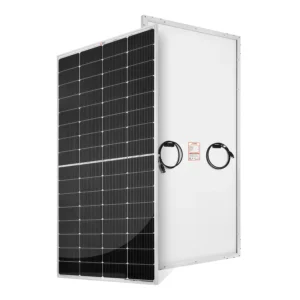
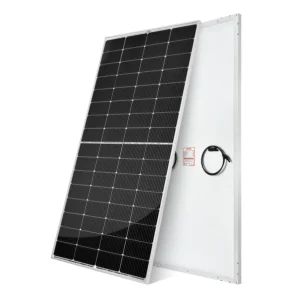
Choosing the best RV solar kit isn’t about finding the most expensive or most powerful option—it’s about finding YOUR perfect match. Weekend warriors thrive with simple 200W setups like the Rich Solar or Sun Gold Power kits. Full-time nomads need the robust performance of the Renogy premium system. Digital nomads and spontaneous travellers will love the flexibility of Jackery’s portable panels.
Remember, solar isn’t just about electricity. It’s about freedom. The freedom to camp where you want, when you want, without the drone of a generator or the anxiety of a dying battery. It’s about waking up to birdsong instead of engine noise and watching the sunset, knowing your batteries are happily charging for tomorrow.
Start with an honest assessment of your power needs, choose quality components that won’t leave you stranded, and don’t be afraid to start small and expand. The sun isn’t going anywhere, and neither should your adventures be limited by a power cord.
So, what’s stopping you? The open road is calling, and now you have the knowledge to answer with clean, quiet, abundant solar power. Happy trails, and may your batteries always be full!
FAQs About Best RV Solar Kit
Running a standard RV air conditioner (13,500-15,000 BTU) requires approximately 1,500-2,000 watts of continuous power. You'd need 2,000+ watts of solar panels, a massive battery bank (400Ah+ lithium), and a large inverter. While technically possible, it's rarely practical for most RVers. Consider soft-start devices, energy-efficient mini-splits, or generator supplementation for AC needs.
Quality monocrystalline panels typically carry 25-year warranties and often perform well beyond that, albeit with gradually decreasing output (usually 80% efficiency at year 25). Charge controllers last 10-15 years, while lithium batteries provide 3,000-5,000 cycles (8-15 years depending on usage). Inverters generally need replacement every 7-10 years. Your initial investment pays dividends for decades.
Yes, but with reduced efficiency. Panels produce 10-25% of their rated output on heavily overcast days. Winter performance drops due to shorter days, lower sun angle, and potential snow coverage. However, cold temperatures actually improve panel efficiency—if you can keep them clear of snow and angled properly, winter harvest can surprise you. Always size your system for worst-case scenarios.
Absolutely, but use proper techniques. Never screw directly into rubber membranes—use lap sealant around mounting brackets with butyl tape underneath. Better yet, consider adhesive-mounted flexible panels designed for membrane roofs. Some RVers install panels on aluminum racks that distribute weight and minimize penetrations. When in doubt, consult a professional familiar with your specific roof type.
Parallel wiring is generally preferred for RVs. While series wiring reduces wiring costs and works better with MPPT controllers in certain conditions, it creates a major shading vulnerability—if one panel is partially shaded, the entire string's output plummets. Parallel wiring isolates panels, so shading affects only the shaded panel. Given RVs park near trees and deal with roof obstructions, parallel wiring's redundancy usually wins.
You Might Also Like