


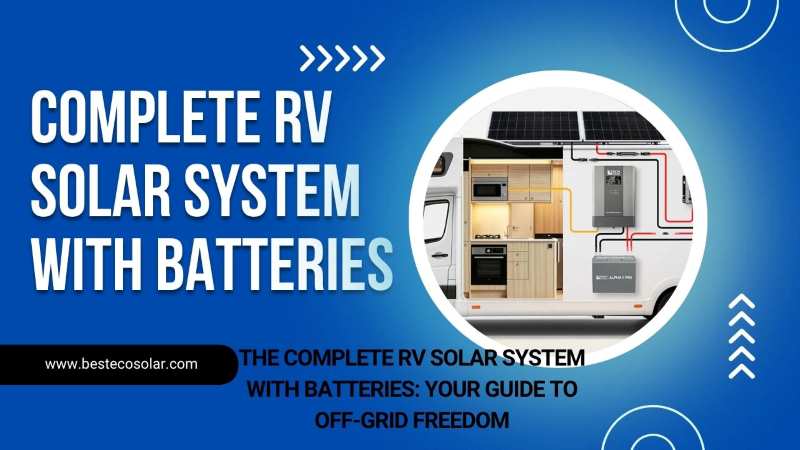
The Complete RV Solar System With Batteries: Your Guide to Off-Grid Freedom
Have you ever woken up in a remote desert campsite, coffee maker humming, laptop charging, and not a single generator rumble in earshot? That silence is golden. And in 2026, achieving it is easier than ever with a complete RV solar system with batteries. Whether you’re a weekend warrior or a full-time nomad, the right setup turns your rig into a self-sufficient powerhouse. Let’s dive into everything you need to know—no engineering degree required.
Why Every RVer Needs a Complete RV Solar System With Batteries
Let’s be honest. Hookups are great until they’re not. Campground fees keep climbing, prime spots fill up fast, and the best views? They’re usually miles from the nearest electrical pedestal. A complete RV solar system with batteries hands you the keys to true boondocking freedom. Think of it as your personal power plant perched on the roof, quietly sipping sunshine while you sip your morning coffee.
In 2026, solar efficiency has jumped again. Monocrystalline panels now push past 22.5% efficiency in premium models, and lithium battery prices have stabilized after years of volatility.
Translation: Your dollar stretches further today than it did even two years ago. Plus, with rising fuel costs, running a generator for hours gets expensive—and noisy. Solar? It’s whisper-quiet and fuels itself. Why tether yourself to a post when the sky offers unlimited, free energy?

What Exactly Is a Complete RV Solar System With Batteries?
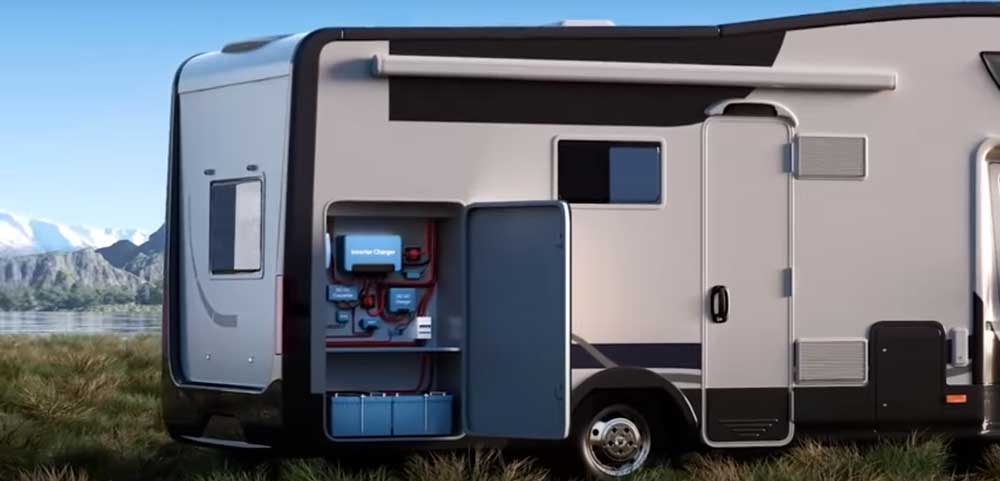
Before you start adding items to your cart, let’s break down what “complete” actually means. A complete RV solar system with batteries isn’t just slapping a panel on your roof and calling it a day. It’s an ecosystem where every component plays a specific role. Miss one, and you’ll be sitting in the dark wondering what went wrong.
1. Solar Panels: The Heart of Your Energy Harvest
Your panels are the workhorses. They convert photons into electrons, giving you DC electricity to work with. For RVs in 2026, monocrystalline panels remain the gold standard.
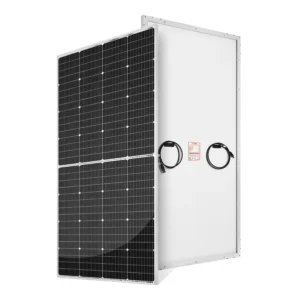
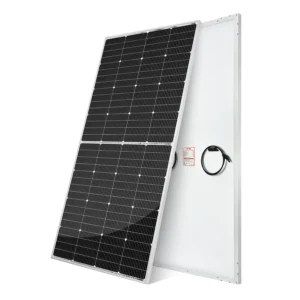
They’re space-efficient, durable, and perform better in low-light conditions than polycrystalline alternatives. Flexible panels are also trending for curved RV roofs, though they trade some efficiency for versatility.
Here’s the kicker: roof real estate is limited. Most RVs can fit 400–600 watts comfortably, while larger Class A motorhomes might squeeze in 800 watts or more. If you’re energy-hungry, every square inch matters. High-efficiency panels let you harvest more juice from the same footprint. It’s like having a bigger fuel tank without taking up more space.
2. The Hidden Hero: Why Your Charge Controller Matters More Than You Think
Panels without a charge controller are like a car without brakes. The controller regulates voltage and current flowing into your batteries, preventing overcharging that can fry your expensive lithium bank. In 2026, MPPT (Maximum Power Point Tracking) controllers will have become the norm for serious RVers.
1. MPPT vs. PWM: The Efficiency Gap
MPPT controllers extract up to 30% more energy from your panels compared to older PWM controllers, especially during morning, evening, or partially shaded conditions. Imagine filling your water tank with a wide hose versus a narrow straw—that’s the difference. Some newer MPPT units even include Bluetooth monitoring, letting you track performance from your phone while you hike. It’s like having a fuel gauge for your sunshine.

3. Battery Bank: Your Energy Reservoir
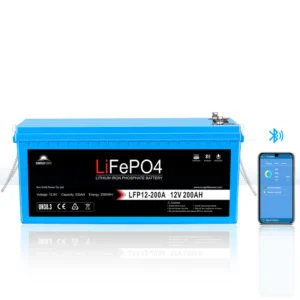
Here’s where the magic stores up for later. A complete RV solar system with batteries needs a robust battery bank to carry you through cloudy afternoons and starlit evenings. Think of your batteries as a water tank: solar panels fill it during the day, and you draw from it whenever you need power.
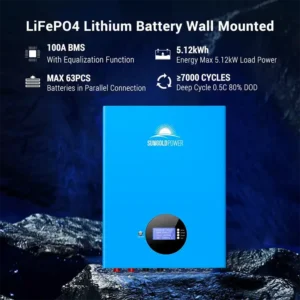
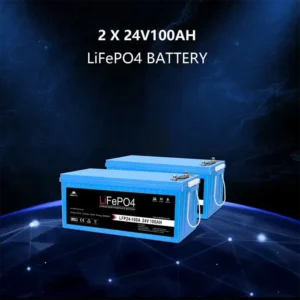
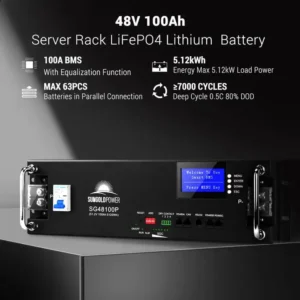
Battery technology has evolved rapidly. Lithium iron phosphate (LiFePO4) batteries now dominate the market, offering 2–3 times the usable capacity of lead-acid alternatives while weighing 50–70% less. Those weight savings matter when every pound affects your fuel economy. Plus, lithium batteries charge faster and last 3,000–5,000 cycles compared to 500–1,000 for AGM. Would you rather buy a battery once or three times?
4. Inverter: Turning Sun Power Into Usable Electricity
Most of your RV appliances- microwave, TV, coffee maker—run on AC power, not DC. Your inverter bridges that gap. A pure sine wave inverter is non-negotiable in 2026 if you value your electronics.
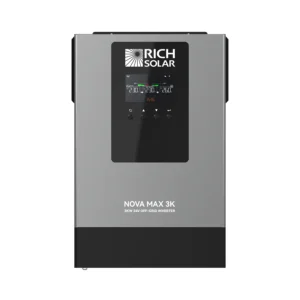
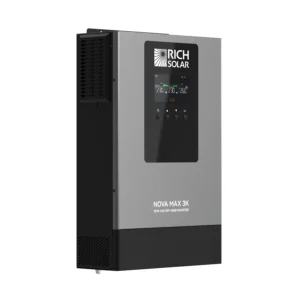
Modified sine wave inverters might save you $50 upfront, but they can damage sensitive devices like laptops and CPAP machines. Don’t gamble with a $2,000 laptop to save a few bucks.
Sizing matters here too. A 1,000-watt inverter handles basics like charging and small appliances, while 2,000–3,000 watts let you run a microwave or induction cooktop. Just remember: your battery bank must support whatever your inverter demands. It’s like having a powerful engine but a tiny gas tank—one won’t work without the other.
5. Wiring and Monitoring: The Nervous System
Quality wiring, fuses, breakers, and monitoring systems tie everything together. Undersized cables create resistance, which wastes power and generates heat—sometimes dangerously so.
Most quality kits now include 10 AWG or thicker wiring, along with waterproof roof entry glands to prevent leaks. A battery monitor or shunt gives you real-time data on the state of charge, so you’re never guessing how much juice remains. Flying blind is for birds, not battery banks.
Lithium vs. AGM: Choosing the Right Battery for Your RV Solar Setup
This is the debate that splits campgrounds. Do you spring for lithium or stick with tried-and-true AGM? Let’s settle it once and for all.
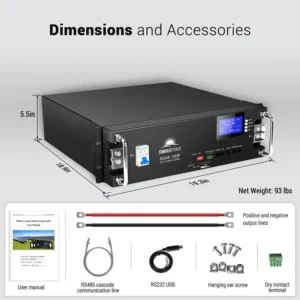
1. Why Lithium Iron Phosphate (LiFePO4) Dominates in 2026
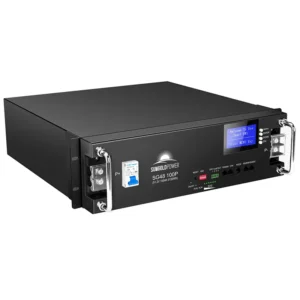
Lithium isn’t just a buzzword anymore—it’s the practical choice. A LiFePO4 battery lets you use 80–90% of its rated capacity without damage. AGM batteries, by contrast, should only be discharged to 50% if you want them to last. That means a 100Ah lithium battery delivers roughly the same usable energy as a 200Ah AGM bank, but at half the weight.
Modern lithium batteries also include built-in Battery Management Systems (BMS) that protect against overcharging, overheating, and short circuits. Some 2026 models even feature self-heating for cold-weather charging—a game-changer for winter campers.
Brands like Battle Born, Epoch, and Redodo have refined their offerings, making lithium more accessible than ever. It’s like upgrading from a flip phone to a smartphone; once you make the switch, you’ll never go back.
2. When AGM Batteries Still Make Sense
AGM isn’t dead yet. If you’re a casual weekender who uses shore power 90% of the time, AGM’s lower upfront cost might fit your budget. AGM also performs slightly better in freezing temperatures without needing heating elements.
For intermittent RVers who don’t need deep discharge cycles, AGM remains a solid, maintenance-free option. Just know you’ll replace them sooner and haul more weight. Sometimes the old horse still gets you to the barn, even if it’s slower.
| Feature | AGM Battery | Lithium (LiFePO4) |
|---|---|---|
| Upfront Cost (100Ah) | $200–$300 | $700–$1,200 |
| Usable Capacity | ~50% | 80–100% |
| Cycle Life | 300–600 cycles | 3,000–6,000+ cycles |
| Weight | 60–70 lbs | 25–30 lbs |
| Charge Efficiency | ~85% | ~95–99% |
| Lifespan | 3–5 years | 10–15 years |
| Cold Weather Charging | Better | Requires heating below 32°F |
How to Size Your Complete RV Solar System With Batteries
Size your system wrong, and you’ll either waste money or run out of power at midnight. Neither is fun. Let’s walk through the math—don’t worry, it’s simpler than it looks.
Step 1: Calculate Your Daily Watt-Hour Appetite
Grab a notepad and list everything you power. LED lights, refrigerator, water pump, laptop, phone chargers, fans. Each device has a wattage rating; multiply that by hours used daily. A 60-watt fridge running for 8 hours consumes 480 watt-hours. A 45-watt laptop for 3 hours adds 135. Tally it all up.
Most Class C motorhomes use 20,000–30,000 watt-hours daily, while smaller trailers might sip only 800–1,500 watt-hours. Be honest about your habits. If you can’t live without a hair dryer or electric coffee grinder, account for it. Guessing low is the fastest way to a dead battery. It’s like ordering a small pizza for a football team—someone’s going hungry.
Step 2: Size Your Battery Bank for Real-World Conditions
Once you have your daily watt-hours, convert to amp-hours using your system voltage. For a 12V system: Amp-hours = Watt-hours ÷ 12. If you need 2,000 watt-hours daily, that’s roughly 167Ah. But here’s where it gets real.
You need at least two days of autonomy—meaning no sun—for reliable boondocking. That doubles your requirement to 334Ah. With lithium, you can use 80% depth of discharge, so divide by 0.8: about 418Ah of lithium capacity.
With AGM, you’d need to double again because of the 50% discharge limit, pushing you toward 800+ Ah. See why lithium wins? It’s not just marketing; it’s math.
| Daily Usage | Recommended Battery |
|---|---|
| Weekend Trips | 100Ah |
| Moderate Camping | 200Ah |
| Full-Time RV | 300Ah |
| Heavy Appliance Use | 400Ah+ |
Step 3: Match Your Solar Panels to Your Energy Hunger
Your panels must replenish what you use. Divide your daily watt-hours by peak sun hours—typically 4–6 hours depending on location and season. If you consume 2,000 watt-hours and get 5 peak hours, you need 400 watts of panels minimum.
Add 20–25% for efficiency losses, cloudy days, and panel aging. In consistently cloudy regions like the Pacific Northwest, bump that margin to 30–40%. Think of it as packing extra snacks for a road trip; better safe than sorry.
| Daily Energy | Recommended Panels |
|---|---|
| 1 kWh | 300W |
| 2 kWh | 600W |
| 3 kWh | 800W |
| 5 kWh | 1200W |
Top RV Solar Kits With Batteries Compared
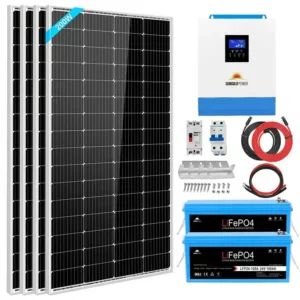
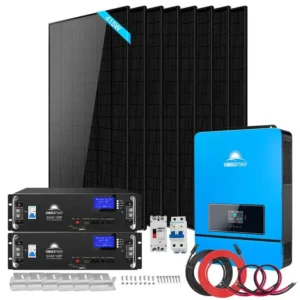
Not everyone wants to piece together a custom build. Kits simplify the process by bundling matched components. Here’s how the leading 2026 options stack up:
1. Portable RV Solar Kits
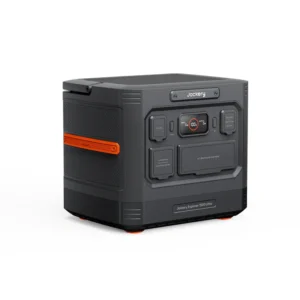
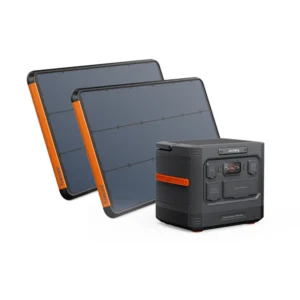
1. Jackery Explorer 1500 Ultra + SolarSaga
The Jackery Explorer 1500 Ultra is IP65-rated dustproof and waterproof, level 9 seismic shockproof, and one-meter drop-resistant, ensuring durability and reliability in the harshest conditions. It’s an industry-leading Titanium-Alloy cooling structure and a patented bottom-drainage design. Whether it’s a dusty construction site or a heavy downpour, the IP65-rated enclosure ensures your power stays protected and operational.
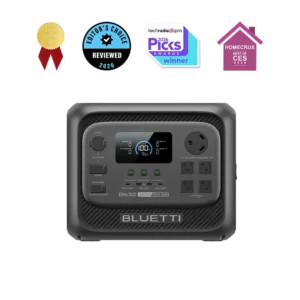
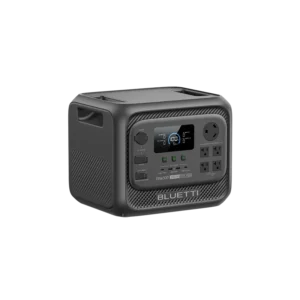
2. BLUETTI Elite 300 + Solar Panel
The Bluetti Elite 300 Portable Power Station is a versatile energy solution for those who need reliable power on the go. With an impressive capacity of 3,014Wh and a consistent output of 2,400W, this portable power station is designed to handle heavy loads with ease.
Whether you’re camping, conducting outdoor events, or in need of a reliable backup during emergencies, this power station is engineered to meet your power requirements efficiently.
Charge your RV directly with the TT‑30 port and run your RV devices with the 12 V/30 A DC output. Keep your fridge, lights, fans, and water pump running while charging phones, laptops, and routers — all without complicated adapters.
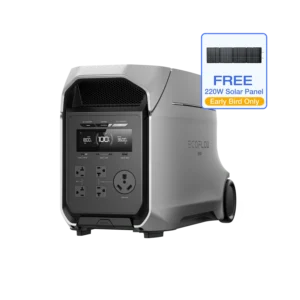
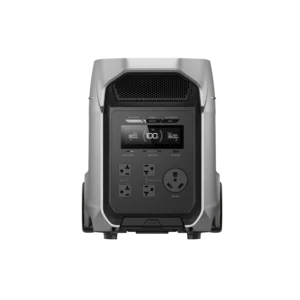
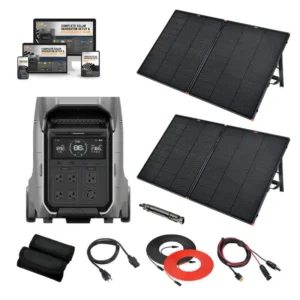
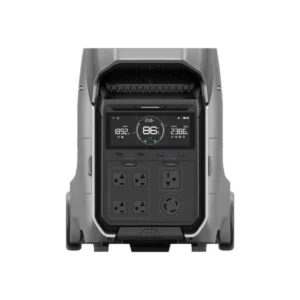
3. EcoFlow DELTA 3 Ultra Plus
EcoFlow DELTA 3 Ultra Plus delivers 3600W rated output (7200W surge), with X-Boost™ 3.0 technology; it supports devices up to 4600W—effortlessly handling heavy-duty appliances. The inverter samples AC voltage and current every 33μs with high precision with a DSP chip, ensuring a pure sine wave output with grid-level stability—ideal for powering sensitive electronics reliably.
Pair DELTA 3 Ultra Plus with an EcoFlow Smart Generator to achieve longer runtime—automatically switching between fuel and battery to keep you powered through multi-day outages or off-grid adventures.
| Feature | Jackery Explorer 1500 Ultra | EcoFlow DELTA 3 Ultra Plus | BLUETTI Elite 300 |
|---|---|---|---|
| Battery Capacity | 1,536Wh | 3,072Wh | 3,014Wh |
| Battery Chemistry | LiFePO₄ (LFP) | LiFePO₄ (LFP) | LiFePO₄ (LFP) |
| Rated AC Output | 1,800W | 3,600W | 2,400W |
| Surge Output | 3,600W | 7,200W | 4,800W |
| UPS Switching | <20 ms | <10 ms | <20 ms |
| Solar Input | Up to 800W | Up to 1,600W | Up to 2,400W |
| AC Charging | Fast AC charging | 1,800W AC input | High-speed AC charging |
| Expandable Capacity | No | Yes (up to 11kWh) | Yes (with expansion batteries) |
| Cycle Life | 4,000+ cycles (80%) | 4,000+ cycles (80%) | 4,000+ cycles (80%) |
| Weight | 17.5 kg (38.6 lb) | 33.7 kg (74.3 lb) | ~29 kg (64 lb) |
| Weather Resistance | IP65 Water & Dust Resistant | Indoor use | Indoor use |
| Connectivity | Wi-Fi & Bluetooth App | Wi-Fi & Bluetooth App | Wi-Fi & Bluetooth App |
| USB-C Output | Yes | Up to 140W | Up to 140W |
| 12V DC Output | Yes | Yes | Yes |
| Best For | Camping, job sites, outdoor adventures | Whole-home backup, RV, off-grid living | Home backup, RV, high-capacity portable power |
Quick Comparison
| Category | Winner | Why |
|---|---|---|
| Most Portable | Jackery Explorer 1500 Ultra | Nearly half the weight of the other two and built with an IP65 rugged design. |
| Largest Output Power | EcoFlow DELTA 3 Ultra Plus | Delivers 3,600W continuous and 7,200W surge, making it suitable for heavy appliances. |
| Largest Battery | EcoFlow DELTA 3 Ultra Plus | 3,072Wh, slightly larger than the BLUETTI Elite 300. |
| Fastest Solar Charging | BLUETTI Elite 300 | Supports up to 2,400W solar input, allowing very rapid solar recharging. |
| Best Weather Protection | Jackery Explorer 1500 Ultra | IP65-rated against water and dust, plus shock-resistant construction. |
| Best UPS Performance | EcoFlow DELTA 3 Ultra Plus | Under 10 ms UPS switchover for sensitive electronics. |
| Best Expandability | EcoFlow DELTA 3 Ultra Plus | Scales from 3kWh to approximately 11kWh with expansion batteries. |
2. DIY RV Solar Kits
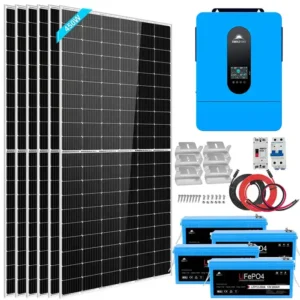
| Model | System Wattage | Battery Type | Key Features | |
|---|---|---|---|---|
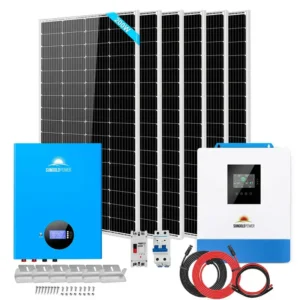
| 1200 Watt RV Solar Kit | 1200 Watt Solar Input | Compatible with various deep-cycle battery options | Automatically detects 12V/24V/36V/48V DC system voltages. | RV Solar Kits |
| 800 Watt RV Solar Kit | 800 Watt Solar Input | Compatible with various deep-cycle battery options | Fast and easy installation thanks to 14 pre-drilled holes; compatible with standard Z-brackets, ground mounts, side pole mounts, and tilt mounts. | RV Solar Kits |
| 600 Watt RV Solar Kit | 600 Watt Solar Input | 100AH 12V Lithium batteries | Built with strong, high-transmission “anti-reflective” coated tempered glass and an anodized aluminum frame. | RV Solar Kits |
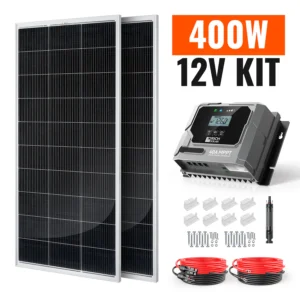
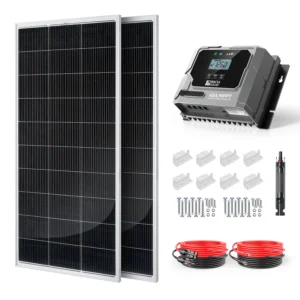
| 400 Watt RV Solar Kit | 400 Watt Solar Input | 200AH 12V Lithium battery | High-quality components that work seamlessly together. | RV Solar Kits |
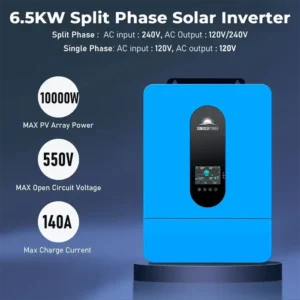
| BLUETTI RVSolar 48V System | Up to 3,000W Solar Input | Expandable B4810 48V LiFePO4 (up to 122kWh total!) | 5-in-1 power hub, 30-minute install, IP65-rated batteries, AI diagnostics. The futuristic, luxury option. | Tech enthusiasts and luxury RV owners want maximum power and seamless integration. |
What Does a Complete RV Solar System Cost?
Let’s talk numbers. A budget-friendly complete RV solar system with batteries, say, 200W of panels, a basic PWM controller, and a single 100Ah AGM battery, can run as low as $600–$900 if you install it yourself. But that’s a starter setup, not a full off-grid solution.
For a mid-range complete RV solar system with batteries featuring 400W monocrystalline panels, a 40A MPPT controller, 200Ah of LiFePO4 capacity, and a 1,000W pure sine wave inverter, expect to invest $1,200–$1,800. Professional installation adds another $500–$1,500 depending on roof complexity and electrical work.
Premium builds with 600W+ panels, Victron controllers, 300Ah lithium banks, and 3,000W inverters can push $3,000–$6,000 or more. But consider the payback: eliminating generator fuel, reducing campground fees, and the sheer freedom of unlimited remote stays. Most full-timers break even in two to three seasons. It’s an investment, not an expense.
Installation: DIY or Pro?
Here’s the truth: installing a complete RV solar system with batteries isn’t rocket science, but it is roof science. Drilling holes, sealing penetrations, and managing electrical loads require care. If you’re handy with tools and patient with wiring diagrams, a DIY install saves hundreds. Renogy and Go Power! Include excellent manuals that walk you through step-by-step.
However, if your roof is curved, covered in obstacles, or you’re uncomfortable working with 12V electrical systems, hire a pro. Water damage from a poorly sealed panel mount costs far more than professional labor. Many RV service centers now specialize in solar installs, and the peace of mind is worth the premium for some. Know your limits; there’s no shame in calling an expert.
Conclusion: Power Your Adventures With Confidence
Building a complete RV solar system with batteries in 2026 is one of the smartest investments you can make as a traveler. The technology has matured, prices have stabilized, and the freedom of off-grid living has never been more accessible.
Whether you choose a plug-and-play kit or a custom lithium-powered beast, the key is sizing honestly, buying quality components, and installing with care.
Stop letting generator noise drown out the crickets. Stop paying premium prices for crowded campgrounds with full hookups. The sun is handing out free energy every single day—it’s time your RV started collecting. Here’s to silent mornings, endless horizons, and a battery bank that never leaves you stranded. Ready to unplug and explore?
FAQs About Complete RV Solar System With Batteries
Not practically on a standard 400W setup. A rooftop AC unit draws 1,200–1,500 watts continuously. You'd need at least 800W of panels, a massive lithium bank (400Ah+), and a 3,000W inverter. For occasional use, consider a 12V DC air conditioner or stick to generator/shore power.
Quality LiFePO4 batteries last 8–10 years or 3,000–5,000 cycles. AGM batteries typically last 3–5 years with 500–1,000 cycles. While lithium costs more upfront, the cost per lifecycle is significantly lower—often just $0.19 per kWh versus $0.71 for AGM.
For modern electronics, pure sine wave is essential. Modified sine wave inverters can damage laptops, CPAP machines, and sensitive appliances. The small upfront savings aren't worth the risk of frying your gear.
Keep panels clean and free of debris—dirt reduces efficiency by 10–20%. For lithium batteries, there's virtually no maintenance. AGM batteries may need terminal cleaning. Always check connections seasonally and ensure your charge controller settings match your battery chemistry.
Absolutely. Start with panels and a controller sized for future expansion. Many MPPT controllers handle 40–60 amps, giving you room to add panels. Lithium battery banks also parallel easily, letting you scale capacity as your needs grow. Future-proofing is always cheaper than replacing.
You Might Also Like