






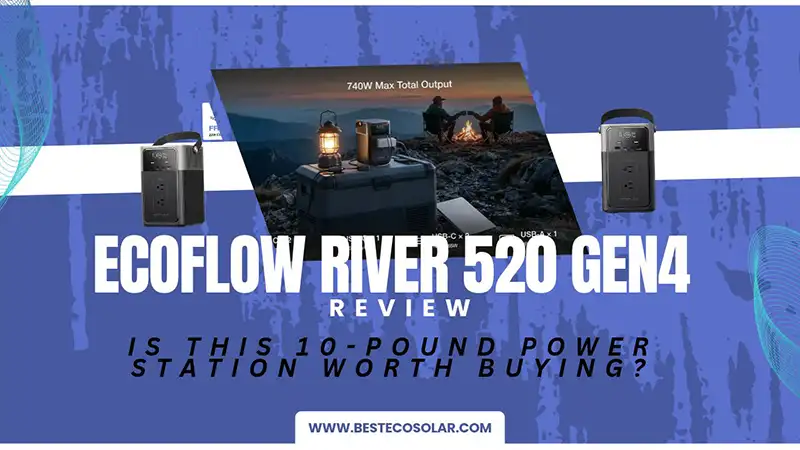
EcoFlow RIVER 520 Gen4 Review: Is This 10-Pound Power Station Worth Buying?
Portable power stations have a weight problem. Most of them started as bricks and stayed bricks, and you’ve probably lugged one from a car trunk to a campsite while quietly regretting every choice. So when EcoFlow says its new EcoFlow RIVER 520 Gen4 is roughly 59% smaller than the RIVER 2 Max, we pay attention.
Quick Verdict: EcoFlow RIVER 520 Gen4 at a Glance
EcoFlow RIVER 520 Gen4 Review: Short on time? Here’s the gist. The RIVER 520 Gen4 keeps the same 512Wh battery as its predecessor but wraps it in a much smaller, lighter body. It fast-charges to 80% in about 50 minutes, supports UPS switchover, and offers six outputs. It’s built for weekend campers, remote workers, van lifers, and anyone who wants a small backup box for short outages.
It isn’t a whole-home battery, and it won’t run a space heater all night. Think of it as a very capable Swiss Army knife, not a chainsaw.
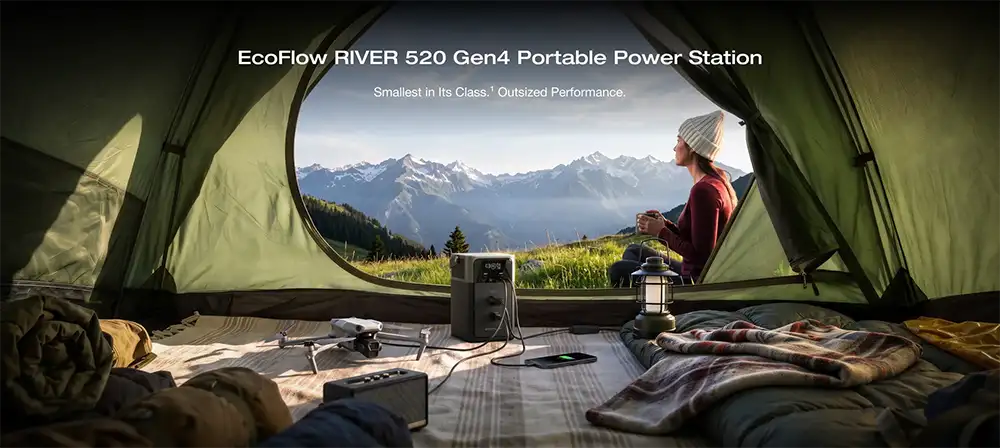
What Is the EcoFlow RIVER 520 Gen4?
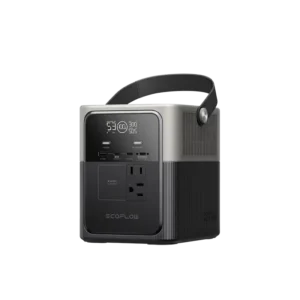
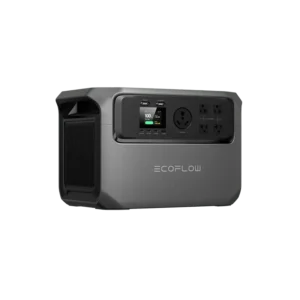
The RIVER 520 Gen4 is the larger of two compact units in EcoFlow’s fourth-generation RIVER line. EcoFlow says the RIVER 520 Gen4 is about 59.1% smaller and 23.5% lighter than the RIVER 2 Max. The smaller sibling, the RIVER 260 Gen4, holds 256Wh.
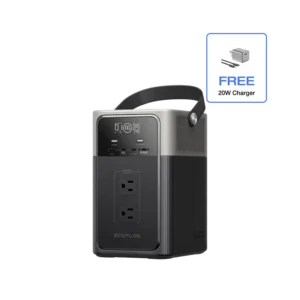
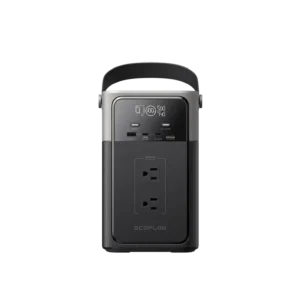
EcoFlow’s pitch is simple: stop chasing bigger batteries and make the useful ones easier to carry. The units also use a proprietary stacking design and ship with removable carrying straps.
Who Makes It and When Can You Buy It?
EcoFlow is one of the bigger names in portable power, and the RIVER line is its entry-level family. The RIVER 520 Gen4 rolled out in stages. Early European coverage pointed to a first-quarter 2027 arrival for this model, with pricing announced closer to sale. The US picture is moving faster, and availability differs by region, so check EcoFlow’s regional store before you plan around a date.
EcoFlow RIVER 520 Gen4 Specs and Key Features
Specs are the skeleton of any power station review, so let’s lay the bones out.
Capacity and AC Output
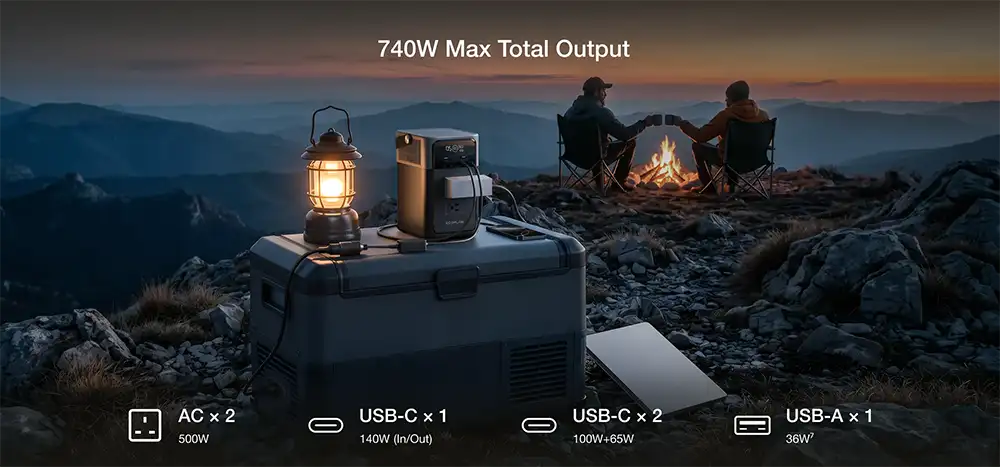
You get 512Wh of storage. EcoFlow rates the AC output at 500W continuous, with a maximum combined output of 740W when AC and both USB-C ports run together. That 740W figure is useful to know because it describes the real ceiling when you’re powering a laptop, a lamp, and a phone at once.
X-Boost Explained
Ever plugged a hairdryer into a small power station and watched it shut down? That’s an overload trip. X-Boost lets the RIVER 520 Gen4 push to 1,000W for compatible devices. It does this by limiting the output voltage so resistive loads, like a kettle or a heater, can run within the box’s limits. The catch: a device that needs more than the rated power to start still has to be a good match. Check the label before you trust it.
Ports and Simultaneous Output
The RIVER 520 Gen4 has six outputs. One USB-C port supports up to 140W, and the second handles up to 100W. That’s enough to fast-charge a modern laptop and a phone at the same time. It’s a nice touch that EcoFlow didn’t trade ports for size.
How We Tested
Honesty matters more than hype, so here’s our method.
The RIVER 520 Gen4 only just reached the market, and we haven’t put a retail unit on a bench. This review is built on three things: EcoFlow’s published specs and support documentation, cross-checking those figures against multiple independent outlets, and our own runtime math using standard efficiency assumptions.
Here’s what we’re doing with that foundation:
- Verified against the manufacturer: capacity, rated and peak output, charging times, and standby draw.
- Calculated, not measured: real-world runtimes. We assume roughly 85% of the 512 Wh is usable once inverter losses are counted. That’s a rule of thumb, not a lab result.
- Not yet tested: fan noise under load, surface temperature, solar input in real sun, and long-term capacity retention.
When we get hands-on time, we’ll log actual discharge tests with a wattmeter, time a full charge from a wall outlet, and run a camping-style load for a full day. Until then, treat every runtime in this article as an informed estimate.
Design and Portability: A Shoebox With a Brain
At around 10 pounds, the RIVER 520 Gen4 is the kind of unit you can carry one-handed across a parking lot. EcoFlow lists the weight at approximately 10.1 lbs. The old RIVER 2 Max had the same capacity in a bigger, heavier body, so this is mostly an engineering win, not a battery win.
Why does that matter? Because the best power station is the one you actually bring. A 30-pound unit sits in the garage “just in case.” A 10-pound one rides in the backpack seat of your car.
We’d still want to check the build in person. Compact designs often run warm, and we want to know how the handle and straps feel after 20 minutes of walking.
Charging Speed: 0 to 80% in 50 Minutes
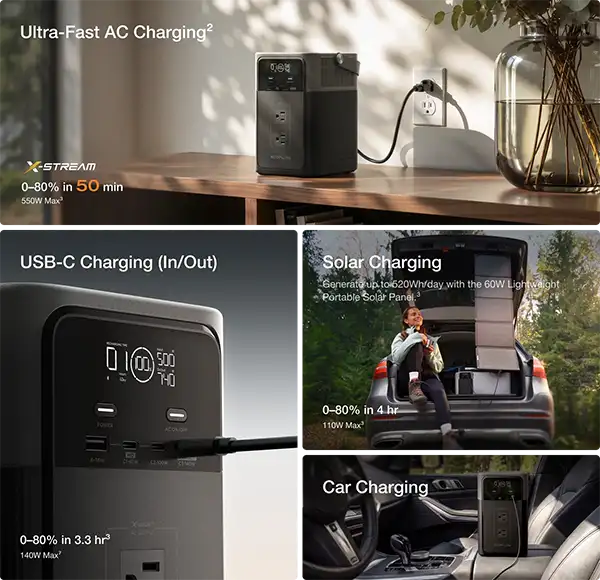
Charging is where the RIVER 520 Gen4 tries to impress. On AC power alone, it reaches 80% in roughly 50 minutes. That’s about the length of a long lunch and a coffee. EcoFlow credits its X-Stream 4.0 charging tech and active thermal management.
The final 20% almost always crawls, which is normal for lithium batteries. Don’t expect a full charge in 50 minutes, because the 80% figure is a milestone, not the finish line.
Solar and USB-C Charging
For off-grid use, flexibility counts. EcoFlow’s own calculation puts AC plus solar at about 41 minutes to 80%, though it labels that as theoretical. The 140W USB-C port is bidirectional, so it can take power in from DC, solar, or a car. That’s handy on a road trip, where you can top up while you drive.
If you plan to rely on solar, remember that panel output swings with clouds and angle. Treat the manufacturer’s best-case numbers as a ceiling, not a promise.
EcoFlow RIVER 520 Gen4 Review: What Can 512Wh Actually Power?
Here’s the back-of-the-napkin math. With roughly 435Wh usable, a few common loads look like this:
- Phone (about 15Wh per charge): roughly 25 to 30 full charges.
- Laptop (about 60W draw): around 7 hours.
- Wi-Fi router (about 15W): close to a full day and a half.
- Small 12V-style cooler or compact fridge (about 40W average, cycling): roughly 10 hours.
One detail people skip: idle draw. With the AC output switched on, the unit draws about 6.6W, and in standby it uses roughly 1W. Leave the AC running with nothing plugged in for a day, and you’d burn around 158 Wh. That’s nearly a third of your battery doing nothing. Switch AC off when you don’t need it.

Camping and Overlanding
For a weekend trip, the RIVER 520 Gen4 is a sweet spot. It’ll keep phones, a camera, LED lighting, and a small cooler alive without drama. Two nights is realistic if you’re not running anything power-hungry.
- Starlink (43W) ≈ 8.7 hours
- Speaker (10W) ≈ 39.6 hours
- Air pump (40W) ≈ 10.6 hours
- Camp Lantern (5W) ≈ 72.9 hours
- Portable Fan (31W) ≈ 11.6 hours
- Fishing Light (10W) ≈ 28.3 hours
- Fish Finder (10W) ≈ 32.4 hours
- Portable Fridge (60W) ≈ 11.9 hours
- Phone (18W) ≈ 22.9 charges
- Camera (16W) ≈ 23.8 charges
- Drone (40W) ≈ 10.6 charges
Remote Work and Laptops
A 140W USB-C port that can charge a laptop directly is a real convenience. Working from a park bench or a power-cut apartment suddenly feels doable. Pair it with a router, and you’ve got a mini office that runs for most of a workday.
- Wi-Fi Router (5W) ≈ 43.1 hours
- Display (18W) ≈ 18.3 hours
- Fan (31W) ≈ 11.6 hours
- Laptop (60Wh) ≈ 7.1 charges
Home Backup and Power Outages
Here’s where expectations need managing. EcoFlow recommends AC refrigerators rated up to 150W for the RIVER 520 Gen4. A modern, efficient fridge can often fit. Older, hungrier ones won’t. For an outage lasting a few hours, it’s a solid bridge. For multi-day blackouts, you’d want something much larger.
UPS Mode and Emergency Reserve
The RIVER 520 Gen4 can act like a tiny uninterruptible power supply. EcoFlow lists a 10ms UPS switchover, which keeps connected electronics running through interruptions. A desktop PC, a router, or a modem can ride through a flicker without rebooting.
There’s also a safety-net feature. EcoFlow says it keeps a small emergency reserve of about 2 Wh on this model, enough to push a phone up by 5 to 10 percent. It’s not much, but when you’re at zero and need to make one call, it’s a quiet lifesaver.
EcoFlow RIVER 520 Gen4 vs RIVER 2 Max vs RIVER 260 Gen4
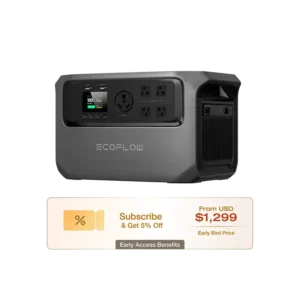
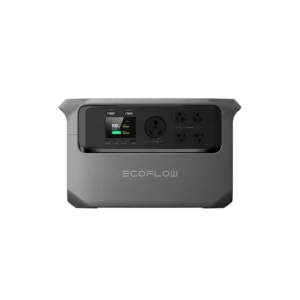
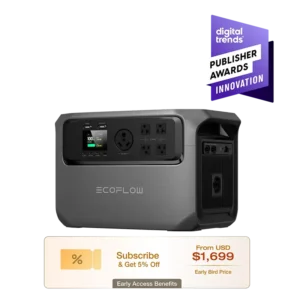
How does it stack up against its relatives? Here’s a side-by-side using the figures we could verify.
| Feature | RIVER 520 Gen4 | RIVER 260 Gen4 | RIVER 2 Max |
|---|---|---|---|
| Capacity | 512 Wh | 256 Wh | 512 Wh |
| Rated AC output | 500W | 300W | Not compared here |
| X-Boost peak | 1,000W | 600W | Not compared here |
| Weight | About 10.1 lb | About 6.6 lb | EcoFlow says the 520 Gen4 is 23.5% lighter. |
| Size | Compact | Compact | EcoFlow says the 520 Gen4 is 59.1% smaller. |
| Outputs | 6 | 5 | Not compared here |
| 0–80% charge (AC) | About 50 min | About 42 min | Slower, per EcoFlow’s pitch |
| View Details | View Details | View Details |
The takeaway? If you already own a RIVER 2 Max and it works, the upgrade is about convenience, not capability. If you’re buying new, the Gen4 is the more sensible choice.
Pros and Cons
What we like
- Same 512Wh capacity in a far smaller, lighter body
- Fast AC charging, with 80% in about 50 minutes
- 140W bidirectional USB-C for laptops and flexible charging
- UPS mode with a quick switchover
- Very low standby draw
What gives us pause
- Real-world noise, heat, and solar results are still unverified
- 500W continuous output limits what you can run
- Idle draw with AC on adds up over long trips
- Pricing and regional availability are still settling
Price and Availability
We won’t quote a number we can’t confirm. EcoFlow’s US Black Friday sales run from November 2 through December 7, so deals may be live, but check EcoFlow’s official store for the current RIVER 520 Gen4 price before you buy. Prices shift by region, and early-bird bundles can look generous while hiding the actual per-watt-hour cost.
A good rule: divide the price by 512 to get your cost per watt-hour, then compare that against similar compact stations. It’s the fastest way to tell a deal from a gimmick.
EcoFlow Stores
| United Kingdom | Italy | France | Spain | Germany | Canada | Australia | USA |
|---|---|---|---|---|---|---|---|
 |  |  |  |  |  |  |  |
| View Special Offers | View Special Offers | View Special Offers | View Special Offers | View Special Offers | View Special Offers | View Special Offers | View Special Offers |
Who Should Buy the RIVER 520 Gen4 (and Who Should Skip It)
Buy it if you:
- Camp, van-camp, or travel light and want real power without the weight
- Work remotely and want a quiet, portable battery for your laptop
- Need a small UPS-style backup for a router and a few essentials
Skip it if you:
- Need to run high-wattage appliances like a microwave or space heater for hours
- Want whole-home backup for multi-day outages
- Already own a RIVER 2 Max that meets your needs
Final Verdict: Is the EcoFlow RIVER 520 Gen4 Worth It?
EcoFlow RIVER 520 Gen4 Review: On paper, the EcoFlow RIVER 520 Gen4 is a smart, focused update. It doesn’t try to be everything. It takes a proven 512Wh capacity, shrinks the package dramatically, speeds up charging, and keeps the ports that matter. For campers, remote workers, and anyone who wants a grab-and-go backup, that’s a compelling mix.
The big question mark is real-world behavior. Noise, heat, solar performance, and long-term durability all need hands-on proof. Our advice? If the price looks right, it’s a strong buy for portable use. If you want to wait for independent bench tests, that’s a perfectly reasonable move too. Either way, the RIVER 520 Gen4 is one of the more interesting compact power stations of the year.
Score Box (Provisional: Based on Published Specs, Pending Bench Testing)
| Category | Score |
|---|---|
| Design & Portability | 9.0 / 10 |
| Output & Ports | 8.5 / 10 |
| Charging Speed | 9.0 / 10 |
| Efficiency (standby/idle) | 8.5 / 10 |
| Value (price unconfirmed) | 8.0 / 10 |
| Overall | 8.6 / 10 |
We’ll update this score after hands-on testing of noise, heat, solar input, and real discharge runtime.
FAQs About EcoFlow RIVER 520 Gen4
Only if portability matters a lot to you. The battery capacity is the same at 512Wh, but the Gen4 is far smaller and lighter, and it charges quickly. If your RIVER 2 Max already does the job, there's no urgent reason to switch.
Often, yes, if the fridge is efficient. EcoFlow recommends AC refrigerators rated up to 150W. A compact fridge or cooler is a comfortable match, while a large older fridge may not be.
EcoFlow quotes about 50 minutes to reach 80% on AC power. The last 20% takes longer, as with most lithium batteries. AC plus solar is quoted as faster, but that figure is theoretical.
Yes. EcoFlow lists a 10ms switchover, which suits routers, modems, and many desktop setups. As always, test it with your own gear before trusting it for anything critical.
You Might Also Like