Solar Power Panels for Home: The No-Nonsense 2026 Guide to Finally Ditching High Electric Bills
Electricity rates keep climbing, the sun keeps shining for free, and the math is starting to make sense. This guide walks you through everything — costs, panel types, incentives, batteries, and how to actually pick the right home solar panels.
What Are Solar Power Panels for Home, Really?
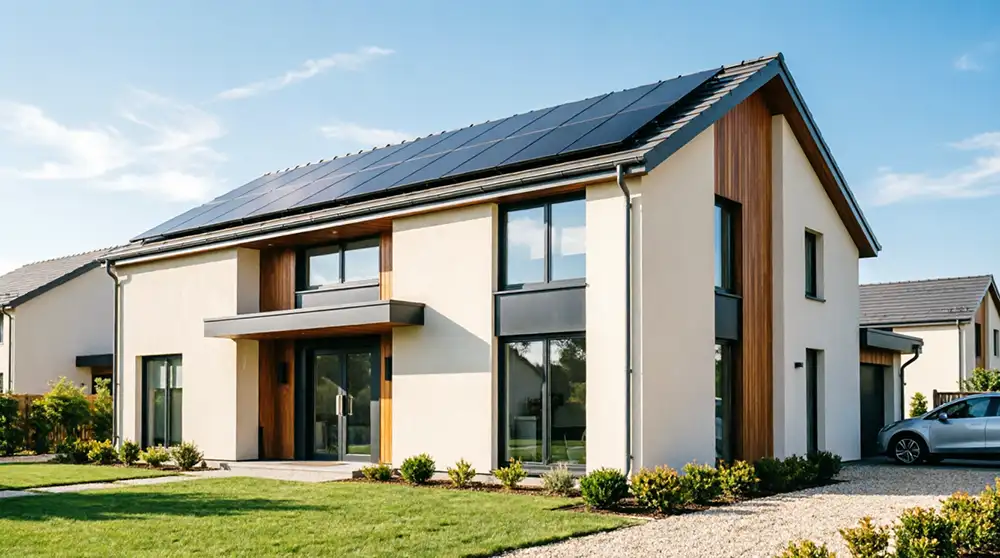
Solar power panels for home systems are a set of photovoltaic (PV) modules mounted on your roof or in your yard that catch sunlight and turn it into usable electricity. Think of each panel as a tiny army of solar cells, all quietly converting photons into electrons every single day the sun is up — rain or shine, though obviously they perform best when it’s sunny.
That electricity either powers your home directly, gets stored in a battery, or flows back into the grid depending on how your home solar power system is set up.
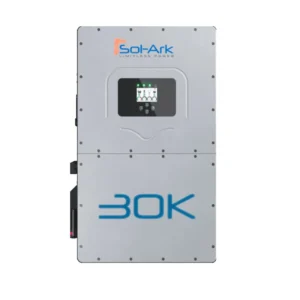
Here’s the thing people miss: a residential solar panel system isn’t just “panels”. It’s panels plus an inverter, plus wiring, plus (often) a battery, plus a monitoring app that tells you exactly how much power you’re generating. It’s a full ecosystem, not a single gadget you bolt onto your roof and forget about.
Why Homeowners Are Rushing to Install Solar Panels for Home in 2026
1. Rising Electricity Costs Are the Real Trigger
Utility rates have climbed roughly a third over the past decade, and they show no sign of slowing down. When your neighbour casually mentions their $12 power bill, that’s not a fluke — that’s what home solar panels paired with the right system size can actually do. You’re essentially locking in your energy price for the next 25-plus years instead of riding the rollercoaster of utility rate hikes.
2. Energy Independence Matters More Than Ever
Ever sat through a blackout wondering why you’re paying a monthly bill for power that just… isn’t there? A solar power system for your home, especially one paired with a battery, means outages become a lot less dramatic. You’re not entirely at the mercy of the grid anymore.
3. The Environmental Upside Is Real, Not Just Marketing
Every kilowatt-hour your solar panels for home produce is one less kilowatt-hour pulled from a fossil-fuel power plant. It’s not going to single-handedly fix the climate, sure, but multiply that by five million-plus U.S. households already running residential solar, and it adds up fast.
How Do Solar Power Panels for Home Actually Work?
Picture your roof as a solar-powered battery charger for your entire house. Sunlight hits the silicon cells inside each panel, which knocks electrons loose and creates a flow of direct current (DC) electricity. An inverter — the unsung hero of any home solar panel system — then converts that DC power into the alternating current (AC) power your appliances actually use. If you’re on a grid-tied setup, any extra electricity you don’t use gets sent back to the utility, often earning you credits through net metering. Simple in concept, genuinely clever in execution.
Types of Solar Panels for Home: Which One Fits Your Roof?
Not all solar panels for homes are created equal, and picking the wrong type can leave real money on the table.
1. Monocrystalline Panels
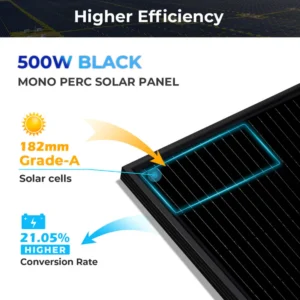
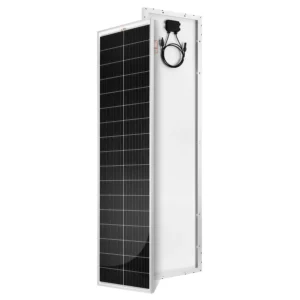
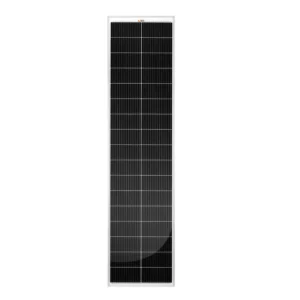
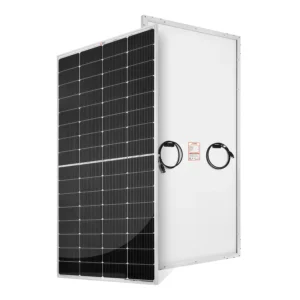
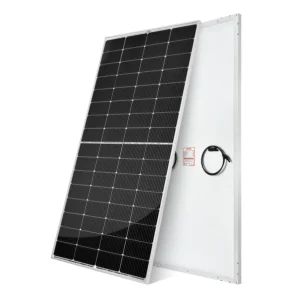
These are the gold standard for most residential solar panel projects. Made from a single continuous silicon crystal, they’re the most space-efficient option, typically hitting 20–23% efficiency. If your roof space is limited, monocrystalline panels squeeze more output out of every square foot.
2. Polycrystalline Panels
A budget-friendlier cousin to monocrystalline, these panels are made from multiple silicon fragments melted together. They’re slightly less efficient (usually 15–17%) but cost less upfront — a fair trade-off if you’ve got plenty of roof real estate.
3. Thin-Film Panels
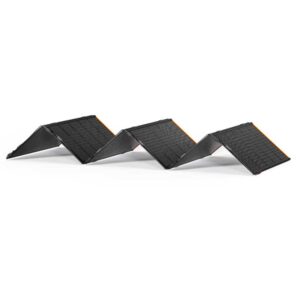
Lightweight and flexible, thin-film panels are less common for home solar power setups but shine (pun intended) on unconventional surfaces like curved roofs or RVs. They’re the least efficient of the three, so most homeowners skip them unless they have a specific reason.
Here’s the panel type comparison:
| Feature | Monocrystalline | Polycrystalline | Thin-film |
|---|---|---|---|
| Efficiency | 20–23% | 15–17% | 10–13% |
| Best for | Small or limited roof space | Larger roofs, budget-conscious buyers | Curved or unconventional surfaces |
| Upfront cost | Highest | Moderate | Lowest |
| Appearance | Uniform black cells | Blue, speckled cells | Flexible, sleek panels |
| Lifespan | 25–30+ years | 25 years | 10–20 years |
| Typical residential use | Most common choice for homes | Common on large residential roofs | Rare for standard homes, more for RVs/cabins |
Monocrystalline wins when roof space is tight since it squeezes the most output per square foot — worth the higher price tag if you’re working with a small footprint. Polycrystalline is the practical middle ground for homeowners with plenty of roof real estate who want to keep costs down. Thin film rarely makes sense for a standard home, but it’s the go-to for curved roofs, RVs, or speciality installs where rigid panels just won’t fit.

How Many Solar Panels Does Your Home Need?
This is the question everyone asks first, and the honest answer is: it depends. Your home’s energy usage, roof orientation, local sunlight hours, and panel wattage all factor in. As a rough starting point, the average U.S. home needs a system somewhere between 3kW and 11kW, translating to roughly 20–30 standard 400-watt panels. A quick look at your last 12 months of utility bills combined with a solar calculator gets you a solid estimate before you ever talk to an installer.
Number of panels = Annual electricity usage ÷ Production ratio ÷ Panel wattage
Example:
Annual electricity usage = Daily 3000 Wh x 365 = 1.095 kWh
Production ratio = 1.1 or 1.6
Panel wattage = 300 W
Number of panels = 1.095 kWh ÷ 1.1 ÷ 300 W = 4 (round up)
Home Solar Panels: Cost, Output, and Best-Fit Comparison
| System Type | Avg. Cost (Before Incentives) | Typical Output | Best For |
|---|---|---|---|
| Grid-Tied Solar Panels for Home | $18,000–$20,000 | Covers 70–100% of usage | Homeowners staying on the grid, wanting net metering |
| Hybrid Solar System (Panels + Battery) | $25,000–$35,000 | Covers usage + backup power | Areas with frequent outages or weak net metering |
| Off-Grid Home Solar System | $30,000–$45,000+ | Fully self-sufficient | Rural properties with no grid access |
| Small Cabin/Shed Solar Kit | $2,000–$8,000 | Powers essentials only | Cabins, sheds, small backup needs |
What’s the Real Cost of Solar Power Panels for a Home?
Nobody likes vague pricing, so let’s talk real numbers. A typical home solar panel installation runs between $18,000 and $20,000 before incentives, though your actual price swings based on system size, panel brand, and local labour costs. The upside?
Most homeowners save around $1,500 a year on electricity, and the system usually pays for itself within roughly a decade. After that, you’re essentially generating free power for another 15–20 years. That’s the long game solar plays, and it’s a game worth being patient for.
Federal Tax Credits and Incentives for Home Solar Panels
Here’s where the math gets a lot friendlier. The Residential Clean Energy Credit currently lets you deduct 30% of your total solar power system cost from your federal taxes, with no cap on the amount. That’s a massive chunk of change back in your pocket. On top of that, many states stack their own rebates and net metering programmes on top, so it’s worth checking what’s available where you live before you sign anything. Skipping this research step is like leaving a stack of cash on the table — don’t do it.
Solar Batteries: Do You Need One With Your Home Solar Panel System?
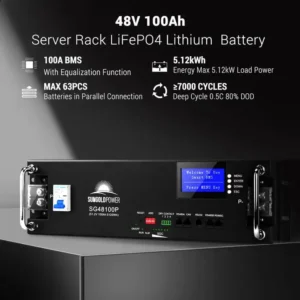
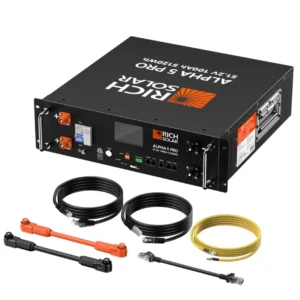
This is where opinions split. A battery isn’t strictly required for solar panels for your home to work, but it changes the entire experience. Without one, excess power just gets fed back to the grid, and you’re still dependent on the utility at night. With a battery, you store that daytime surplus and use it after sunset or during an outage — true energy independence, not just a lower bill. Batteries add roughly $10,000–$15,000 to your total cost, so weigh that against how often your area loses power and how aggressive your local net metering policy actually is.
Grid-Tied vs Off-Grid Home Solar Systems
Think of grid-tied systems as having a safety net — you’re still connected to the utility, so if your panels underperform on a cloudy week, the grid picks up the slack. Off-grid systems, on the other hand, cut the cord entirely, relying on battery storage and sometimes a backup generator. Most homeowners choose grid-tied solar panels for home setups because they’re cheaper and simpler, while off-grid makes more sense for remote properties without utility access at all.
How to Choose the Best Solar Power Panels for Your Home
- Efficiency Rating
Higher efficiency means more power from less roof space. If you’re working with a smaller roof, prioritise monocrystalline panels with efficiency north of 20%. - Warranty
Most manufacturers back their home solar panels with a 25-year product and performance warranty. Anything shorter should raise an eyebrow. - Installer Reputation
Your panels are only as good as the crew that installs them. Get at least two or three quotes, check reviews, and confirm certifications before committing.
DIY vs Professional Installation
Can you install solar power panels for your home yourself? Technically, yes — smaller kits exist for exactly that purpose. But full-scale residential systems usually involve electrical permitting, roof structural considerations, and utility interconnection paperwork that’s genuinely easier to hand off to a licensed installer. DIY can save money on labour, sure, but it also shifts all the risk (and troubleshooting) onto you.
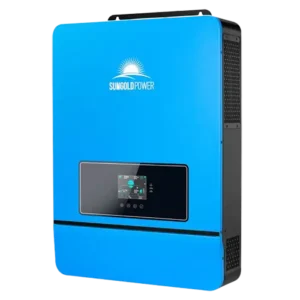
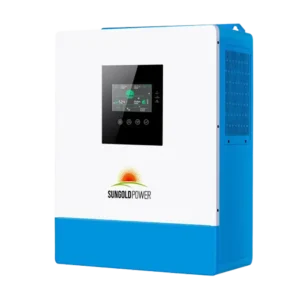
Complete Grid-Tied Solar Kit System Package Supplier
| Name | Price Range | Discount |
|---|---|---|
| Sun Gold Power | $5,774 – $31,853.00 | 👉 Get Special Offers |
| Rich Solar | $7,999 – $2,599.99 | 👉 Get Special Offers |
| ShopSolarKits | $2,539 – $149,989.99 | 👉 Get Special Offers |
Maintenance: Keeping Your Home Solar Panels Running Strong
Good news — solar panels for home systems are refreshingly low-maintenance. Occasional cleaning to remove dust, pollen, or debris, plus a yearly visual inspection, is usually enough. Most panels degrade at less than 0.5% per year, meaning even after three decades, they’re still cranking out the vast majority of their original output.
Common Mistakes Homeowners Make When Going Solar
It’s easy to trip up here. Oversizing your system wastes money; undersizing leaves you still writing checks to the utility. Skipping multiple quotes means you might overpay. And ignoring your roof’s condition before installation is asking for trouble — nobody wants to rip panels off a roof mid-warranty to fix a leak underneath. Slow down, do the homework, and these mistakes are entirely avoidable.
Solar Panels for Home vs. Solar Panel Kits: What’s the Difference?
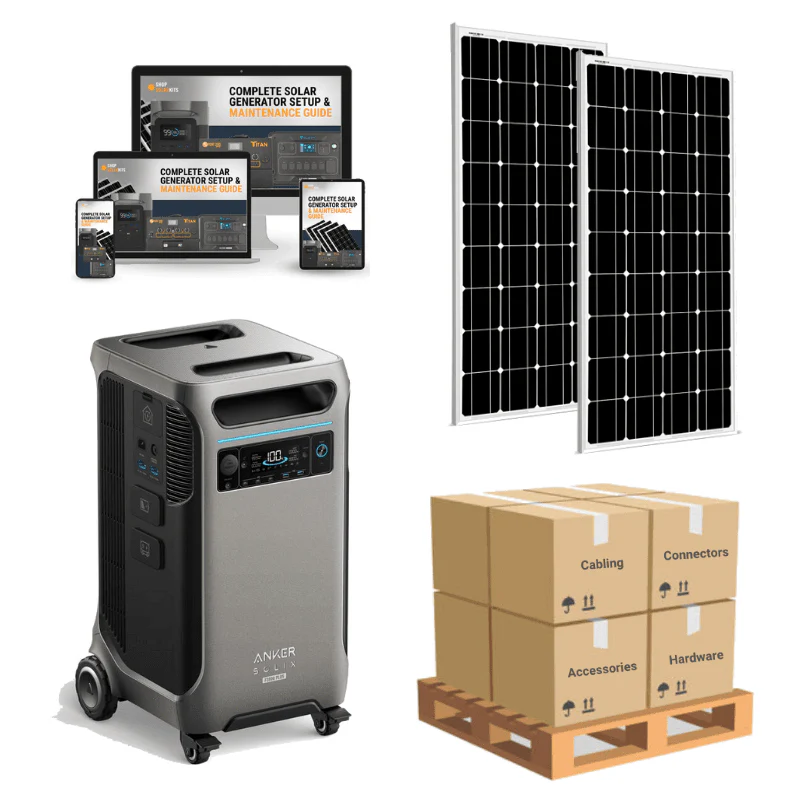
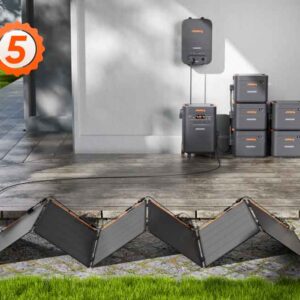
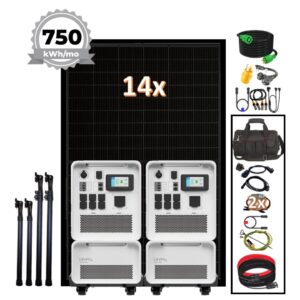
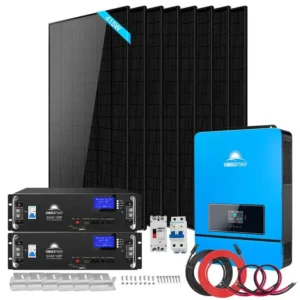
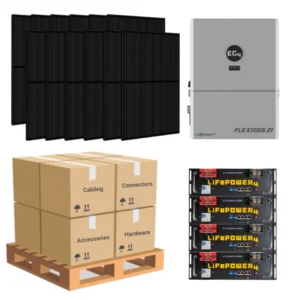
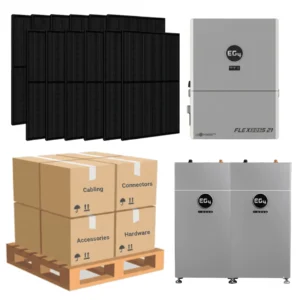
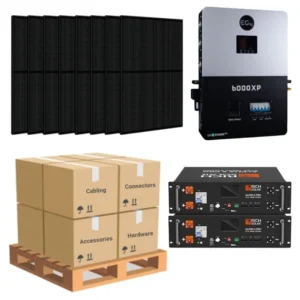
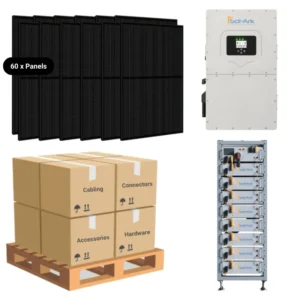
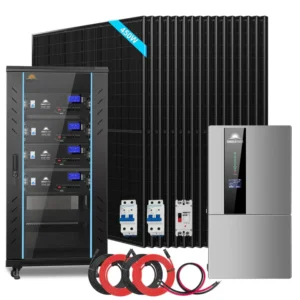
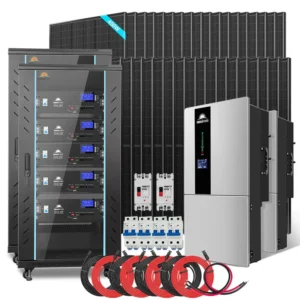
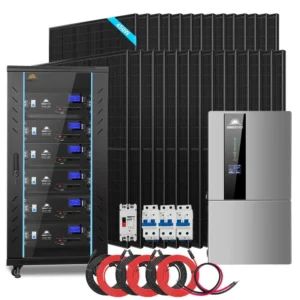
Here’s a distinction that trips up a lot of first-time buyers. A full-service home solar panel installation typically includes design, permitting, and a crew that handles everything from mounting to inspection. A solar panel kit, on the other hand, ships you the components — panels, an inverter, mounting hardware, and sometimes a battery — and leaves the assembly to you or a contractor you hire separately.
Kits tend to run cheaper since you’re skipping the installer’s labour markup, but they demand more hands-on know-how. If you’re comfortable with basic electrical work (or you’re outfitting a cabin rather than a full house), a kit-based solar power system for home use can be a smart way to stretch your budget further.
Is Your Roof Actually Ready for Solar Panels?
Before you get too far down the rabbit hole of comparing home solar panels, take a hard look at your roof itself. Age matters — if your roof is nearing the end of its lifespan, it makes more sense to replace it first rather than removing panels later to fix shingles underneath.
Orientation matters too: south-facing roofs in the Northern Hemisphere catch the most consistent sunlight, though east- and west-facing roofs still work fine with a slightly larger system. And don’t forget shading — a few mature trees casting afternoon shadows can quietly tank your home solar power output more than most homeowners expect. A quick shade analysis from your installer usually catches this before it becomes an expensive surprise.
Conclusion
At the end of the day, solar power panels for home use aren’t some futuristic gadget anymore — they’re a proven, mainstream way to cut your electric bill, protect yourself from rate hikes, and add real value to your property. Whether you go grid-tied, add a battery, or build a full off-grid setup, the right home solar panel system pays for itself and then keeps paying you back for decades. The sun’s not sending you a bill anytime soon, so why not put it to work?


FAQs About Solar Power Panels for Home
Most residential systems run between $18,000 and $20,000 before incentives, though size, panel type, and location shift that number.
Yes, though at reduced output. Panels still generate electricity from diffused sunlight — just less than on a clear, sunny day.
Most panels carry a 25-year warranty and continue producing meaningful power for 30 years or more, degrading less than 0.5% annually.
Not required, but a battery adds backup power during outages and helps you use your own stored energy at night instead of relying solely on the grid.
Generally yes — homes with owned (not leased) solar systems tend to sell for a premium and attract buyers looking to avoid high utility costs.
You Might Also Like