

Cabin or Tiny House Solar Kits: The Complete 2026 Buyer’s Guide to Off-Grid Power
Cabin or tiny house solar kits have become the go-to solution for people who want reliable power without waiting on a utility company that may never show up.
What Exactly Are Cabin or Tiny House Solar Kits?
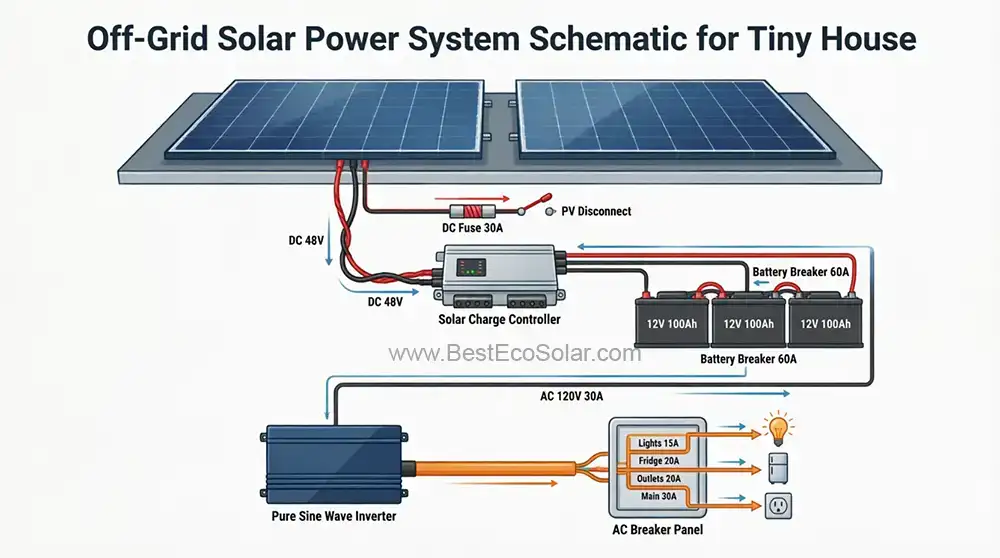
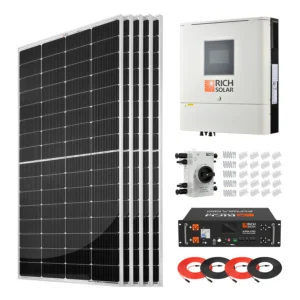
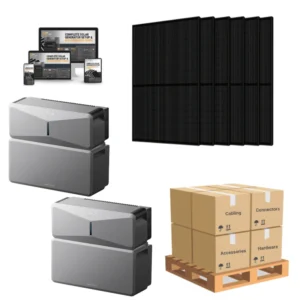
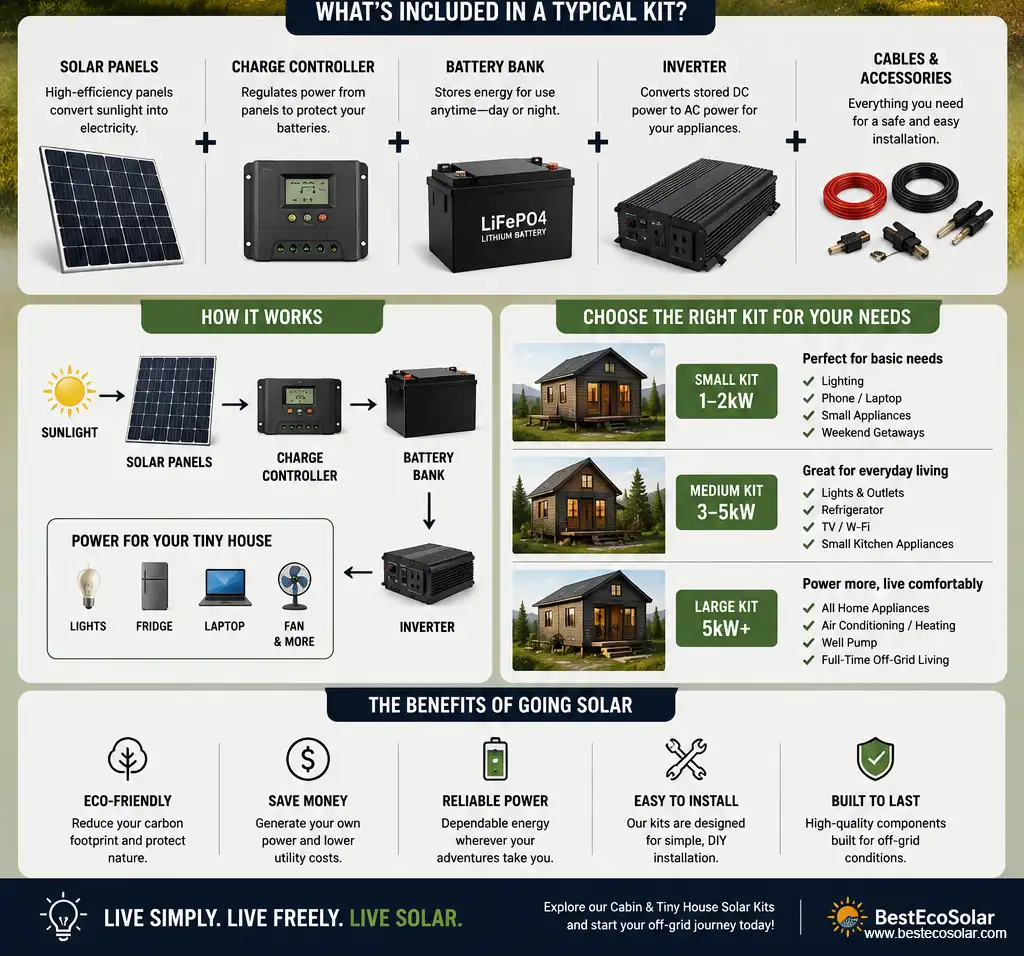
At the core, cabin or tiny house solar kits are bundled systems that include everything you need to generate, store, and use electricity without a grid connection. Think of it like a meal kit, but instead of chopped vegetables and a recipe card, you get solar panels, a charge controller, a battery bank, and an inverter — pre-matched so the components actually talk to each other.
Why does that matter? Because buying parts separately is like assembling a bike from three different manufacturers and hoping the gears line up. A proper tiny house solar kit takes the guesswork out of compatibility, which is a big deal if you’re not an electrician.
Why More People Are Choosing Solar Kits for Cabins and Tiny Homes
Let’s be real — nobody wants a five-figure electric bill from running a mile of utility line to a remote cabin. Cabin solar kits sidestep that entirely. You’re not fighting a utility company’s timeline, you’re not paying monthly rate hikes, and once the system is paid off, your power is essentially free (aside from the occasional maintenance).
There’s also a lifestyle angle here. Tiny house solar kits appeal to people who want independence — the ability to park a tiny home somewhere remote and still run lights, a fridge, and a laptop charger without begging a neighbour for an extension cord.
Key Components Inside Every Tiny House Solar Kit
Every cabin solar kit worth buying is built from four core pieces. Skip understanding any one of them, and you’re basically buying blind.
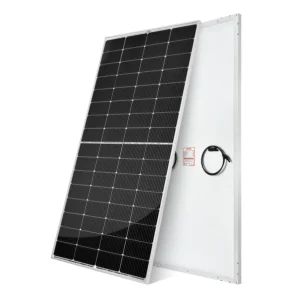
Solar Panels: Monocrystalline vs Polycrystalline
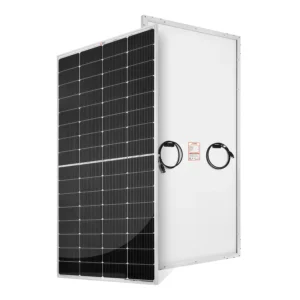
Monocrystalline panels are the premium option, and for good reason — they typically hit 20%+ efficiency ratings, meaning they squeeze more power out of less roof space. That’s a big deal for tiny homes, where roof real estate is about as scarce as counter space in the kitchen. Polycrystalline panels are cheaper but bulkier per watt, which makes more sense if your cabin has room to spare.
Charge Controllers: MPPT vs PWM
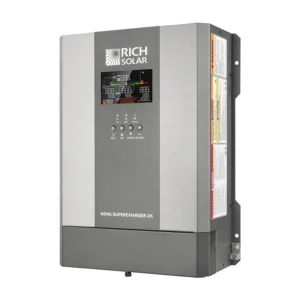
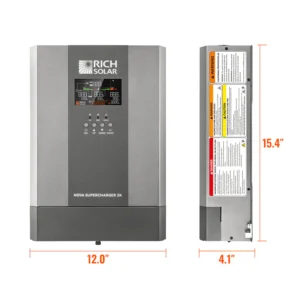
The charge controller is the traffic cop of your system — it regulates how much power flows from the panels into the battery so you don’t fry anything. MPPT (Maximum Power Point Tracking) controllers are more efficient, especially in cooler or partly cloudy conditions, and they’re the standard in most modern cabin or tiny house solar kits. PWM controllers are cheaper but leave some power on the table.
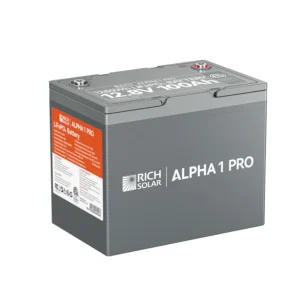
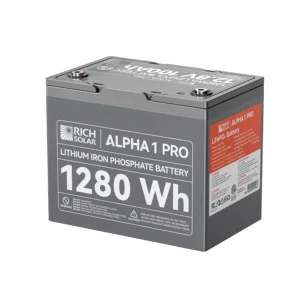
Battery Banks: Why LiFePO₄ Wins for Cabin Solar Kits
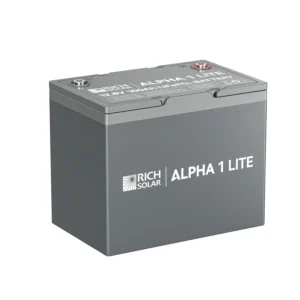
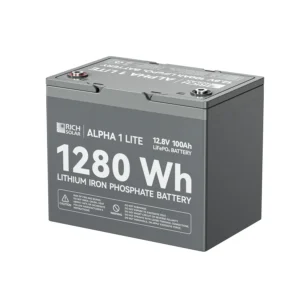
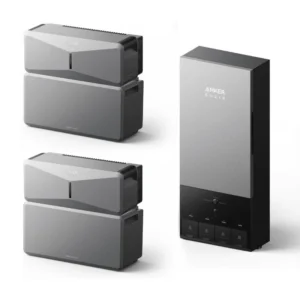
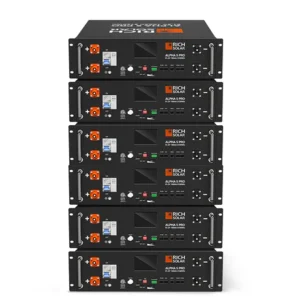
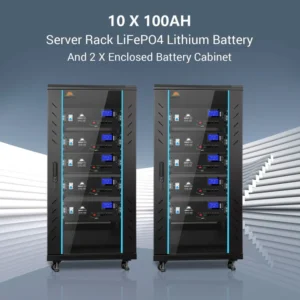
Lithium iron phosphate (LiFePO₄) batteries have basically taken over the tiny house solar kit market, and it’s not hype. They last longer, handle deeper discharge cycles, and don’t require the babysitting that old-school lead-acid batteries do. If your budget allows it, LiFePO₄ is the difference between replacing your battery bank every 3-4 years versus barely thinking about it for a decade.
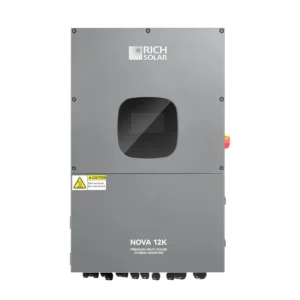
Inverters: Matching Output to Your Cabin’s Needs
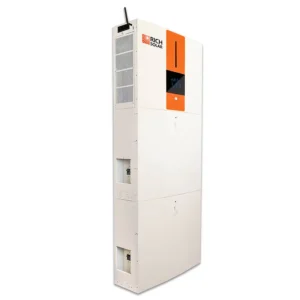
The inverter converts the battery’s stored DC power into the AC power your appliances actually use. Undersize it, and your coffee maker will trip the whole system. A good rule of thumb: check the surge wattage (the initial jolt of power) on your biggest appliance, not just its running wattage, and size your inverter around that number.
How to Size a Cabin or Tiny House Solar Kit
This is where most people get it wrong, and it’s the single biggest predictor of whether you’ll be happy with your setup six months from now.
- Step 1: Audit Your Daily Wattage Needs
Grab every appliance you plan to run — lights, fridge, laptop, water pump, whatever — and add up their daily watt-hour (Wh) consumption. This is your baseline. Skip this step, and you’re basically buying a kit blindfolded. - Step 2: Calculate Battery Storage for Days of Autonomy
“Days of autonomy” just means how many cloudy days your battery bank can cover without a recharge. Two days is a reasonable minimum for most cabin or tiny house solar kits, though if you live somewhere with long grey stretches (hello, Pacific Northwest), you’ll want more buffer. - Step 3: Match Panel Wattage to Sun Hours
Once you know your daily WH needs, divide by your location’s average peak sun hours to figure out how many watts of panels you need to fully recharge your battery each day. This is also where orientation matters — panels should generally face true south in the U.S., tilted roughly at your latitude for balanced year-round output.
Cabin Solar Kits vs Tiny House Solar Kits: What’s the Difference?
They overlap a lot, but the framing is slightly different. Cabin solar kits tend to be sized for seasonal, fluctuating use — heating in winter, refrigeration in summer, and guests dropping by on weekends. Tiny house solar kits, on the other hand, usually need to be compact and lightweight, especially if the tiny home is on wheels and roof space (or weight capacity) is genuinely limited. If you’re building for a stationary cabin, you have more flexibility.
If you’re outfitting a mobile tiny house, every pound and every square foot counts.
Best Wattage Tiers for Cabin or Tiny House Solar Kits
Not every setup needs the same firepower. Here’s how the tiers generally break down.
- 100W-200W Starter Kits
These are entry-level tiny house solar kits — good for lights, phone charging, and maybe a laptop. Think weekend cabin, not full-time living. - 400W Mid-Size Kits
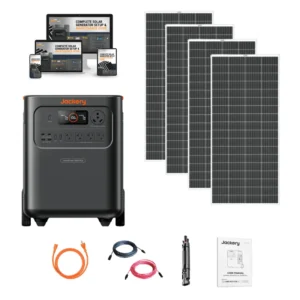
The sweet spot for a lot of people. A 400W cabin solar kit can typically deliver 1.6-2 kWh daily in decent sun, enough to run a small fridge, LED lighting, Wi-Fi, and some electronics. - 1000W+ Complete Off-Grid Kits
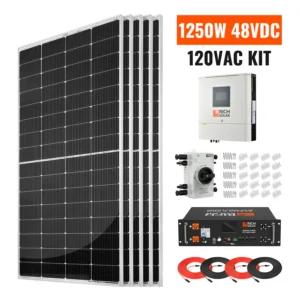
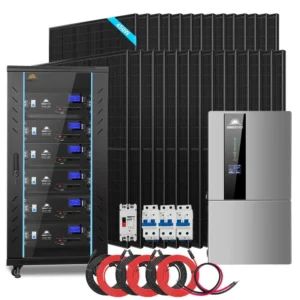
This is where you get into serious cabin solar kit territory — enough to run power tools, larger refrigeration, and multiple appliances at once. These systems usually pair with larger LiFePO₄ battery banks in the 10-20 kWh range.
Comparison Table: Popular Cabin or Tiny House Solar Kit Sizes
| Kit Size | Daily Output (Est.) | Best For | Battery Recommendation |
|---|---|---|---|
| 100W-200W | 0.4-0.8 kWh | Lights, phone charging, weekend use | 50-100Ah LiFePO₄ |
| 400W | 1.6-2 kWh | Small fridge, Wi-Fi, laptops, LED lighting | 100-200Ah LiFePO₄ |
| 1000W-1500W | 4-6 kWh | Full-time small cabin, moderate appliance load | 200-400Ah LiFePO₄ |
| 2500W+ | 10+ kWh | Full-time tiny home or cabin, heating/cooling loads | 10-20 kWh LiFePO₄ bank |
Roof Mount vs Ground Mount for Tiny Home Solar Kits
If your tiny house is mobile, roof mounting is basically your only option — but it comes with trade-offs, mainly weight and the shading risk from trees or nearby structures. Ground mounts, on the other hand, work well for stationary cabins and let you angle panels for maximum seasonal exposure without worrying about roof pitch.
If you’ve got the land, ground mounting gives you more control; if you’re rolling down the highway, roof mounting is non-negotiable.
Common Mistakes People Make with Off-Grid Solar Kits for Cabins
I’ll be blunt — most of the regret I see comes down to a handful of avoidable errors. Mixing panel brands is one of the big ones; different panels have different voltage characteristics, and mismatched strings drag your whole array down to the weakest link, kind of like a relay race where one runner refuses to sprint.
Undersizing the battery bank is another classic — people budget for sunny days and forget that three cloudy days in a row will happen eventually. And skipping a backup plan (like a small fuel generator for extended storms) leaves you stuck if the weather doesn’t cooperate.
Portable Power Stations vs Fixed Cabin Solar Kits
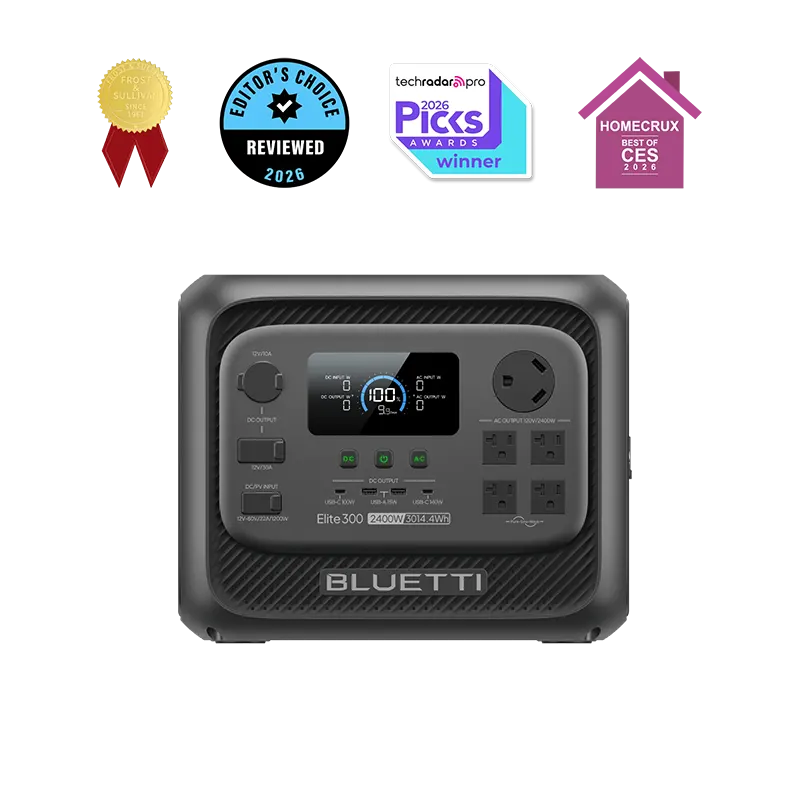
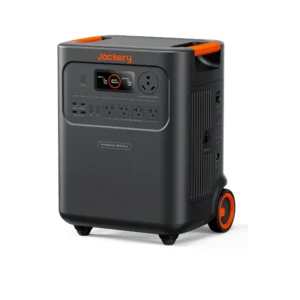
Not everyone wants to wire a system into the wall. Portable power stations paired with foldable panels are a legitimate alternative to a hardwired cabin solar kit — no installation, no permits, just plug and play. They’re great for weekend cabins or if you’re not ready to commit to a permanent setup.
The tradeoff is capacity: portable units generally can’t match the total output of a properly sized fixed tiny house solar kit, so if you’re living off-grid full-time, a fixed system usually wins long-term.
Maintenance Tips to Keep Your Tiny House Solar Kit Running Strong
Solar kits are low-maintenance, not no-maintenance. Wipe your panels down a few times a year — dust and pollen buildup can quietly tank your output. Check your connections and wiring for corrosion, especially in humid climates. And keep an eye on your battery’s state of charge through whatever monitoring app or Bluetooth module came with your kit; catching a problem early beats discovering a dead battery bank in January.
How Much Does a Cabin or Tiny House Solar Kit Cost?
Prices swing wildly based on size. A basic 100W starter kit might run you a few hundred dollars, while a full 2500W+ cabin solar kit with a 10-20 kWh LiFePO₄ battery bank can climb into the $8,000-$10,000+ range. It sounds steep until you compare it to the cost of trenching utility lines to a remote property — at that point, a solar kit often pays for itself surprisingly fast.
| Cabin or Tiny House Solar Kit Cost Supplier |
 |
Is a DIY Tiny House Solar Kit Right for You?
Here’s the honest answer: if you’re comfortable following a wiring diagram and using basic tools, most cabin or tiny house solar kits are designed to be homeowner-friendly, not electrician-exclusive. That said, if your system is large or you’re tying into anything resembling a home’s main electrical panel, it’s worth having a licensed electrician handle the final connections.
Think of DIY installation like assembling flat-pack furniture — most of it you can do yourself, but sometimes you still want a second set of hands for the tricky parts.
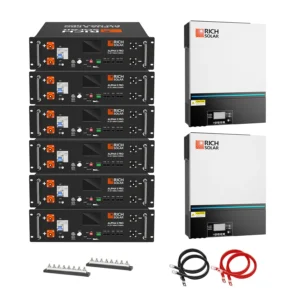
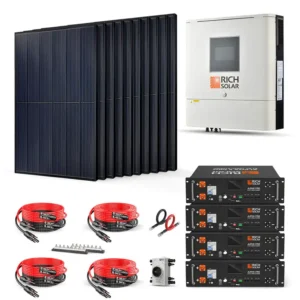
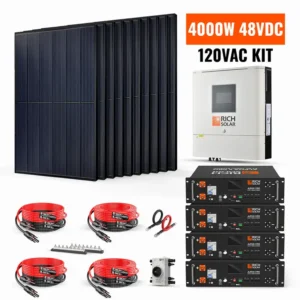
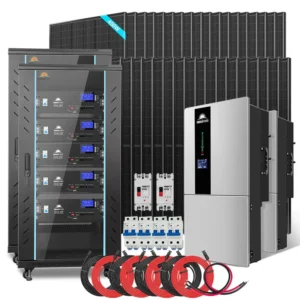
Complete Off-Grid Solar System Package Supplier
| Name | Price Range | Discount |
|---|---|---|
| Sun Gold Power | $5,774 – $31,853.00 | 👉 Get Special Offers |
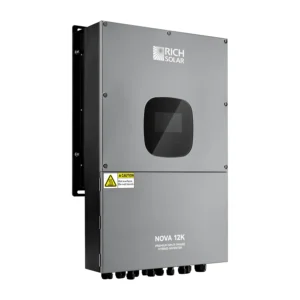
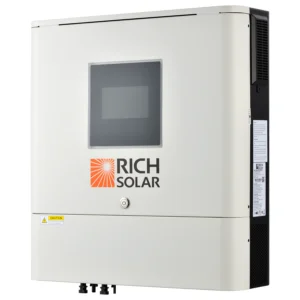
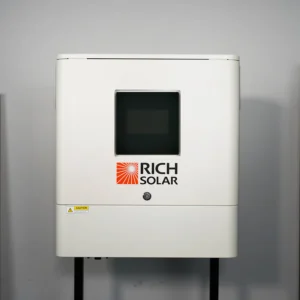
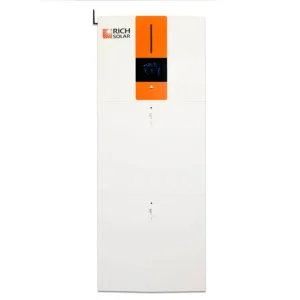
| Rich Solar | $7,999 – $2,599.99 | 👉 Get Special Offers |
| ShopSolarKits | $2,539 – $149,989.99 | 👉 Get Special Offers |
Choosing a Reliable Brand for Your Cabin Solar Kit
Not all kits are created equal, and this is where a lot of the top-ranking guides put their emphasis. Look for a warranty that stretches beyond five years, real customer support (not just a contact form that vanishes into a void), and components — especially batteries — that use proven LiFePO₄ chemistry. A cheap kit that dies in two years isn’t actually cheap; it’s just deferred cost.
Conclusion
Cabin or tiny house solar kits aren’t just a trend—they’re a genuinely practical way to power a remote or off-grid life without depending on a utility company that may never reach you. The key is matching the kit to your actual needs: audit your daily power use, size your battery bank with buffer days built in, and don’t skimp on panel quality or battery chemistry.
Whether you land on a modest 400W setup for weekend getaways or a full 2500W+ system for full-time living, the right cabin solar kit turns “off-grid” from a scary idea into a comfortable, sustainable reality.

FAQs About Cabin or Tiny House Solar Kits
It depends entirely on your daily wattage use, but most small cabins do well with a 400W-1000W kit paired with a 100-200Ah LiFePO4 battery, assuming moderate appliance use and a couple days of battery autonomy.
Yes — with the right sizing. A properly calculated tiny house solar kit, especially one in the 1000W+ range with a robust battery bank, can power lights, refrigeration, electronics, and even small appliances full-time.
MPPT is generally the better choice, especially in cooler climates or less-than-ideal sun conditions, since it captures more usable power from your panels than a PWM controller does.
Two days of autonomy is a common minimum, but if you live somewhere with extended cloudy stretches, aim higher to avoid running out of stored power during a string of gray days.
In most cases, yes. LiFePO4 batteries last significantly longer than lead-acid options and handle deeper discharges without degrading, which usually makes them cheaper over the system's lifetime despite the higher upfront price.
You Might Also Like