How Many Solar Panels Does It Take to Power a House? The Complete 2026 Answer Guide
So you’re staring at your electric bill, wondering if solar is the escape hatch you’ve been looking for. Good news: you’re not alone, and yes, there are real answers here—not just marketing fluff. Let’s walk through this together, question by question, the way I’d explain it to a neighbor over the fence.
How Many Solar Panels Does It Need to Power a House?
How many solar panels power does it need to power a house? Most U.S. homes need somewhere between 17 and 25 solar panels to cover their electricity use. Why the range? Because your usage, your roof’s sun exposure, and the panel wattage you choose all shake hands to determine the final number.
Think of it like ordering coffee. A “medium” isn’t the same size everywhere—it depends on the shop. Same with solar: a 400-watt panel does more heavy lifting than a 300-watt one, so you’d need fewer of them. The average American household burns through roughly 10,500 kWh a year, and with today’s panels producing around 1.5 to 2 kWh per day each (depending on sunlight hours), the math lands you in that 17-25 panel neighborhood for most single-family homes.
What Factors Change the Panel Count?
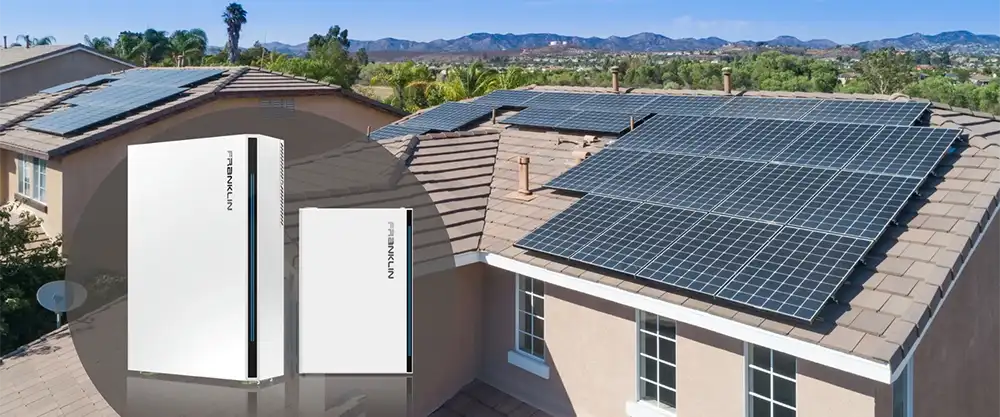
Your location matters more than you’d think. A house in Arizona soaks up far more sun than one in Seattle, so the Arizona homeowner needs fewer panels for the same output. Roof angle, shading from trees, and even your HVAC habits all nudge the number up or down.
How Much Would Solar Panels Cost for a 2000 Sq Ft Home?
How much would solar panels cost for a 2000 sq ft home? For a typical 2,000 square foot home, expect to pay somewhere between $18,000 and $28,000 before incentives, or roughly $12,600 to $19,600 after the federal solar tax credit is applied.
That’s a big range, I know. It swings based on your system size (usually 6-10 kW for a home this size), the panel brand you pick, and whether you’re bundling in battery storage. Here’s a rough breakdown to make it less abstract:
Number of Panels = (Annual Electricity Usage in kWh) / (Production Ratio) / (Panel Wattage in W)
| System Size | Estimated Panels Needed | Cost Before Incentives |
|---|---|---|
| 6 kW | 15-18 panels | $15,000 – $18,000 |
| 8 kW | 20-23 panels | $20,000 – $24,000 |
| 10 kW | 25-28 panels | $25,000 – $30,000 |
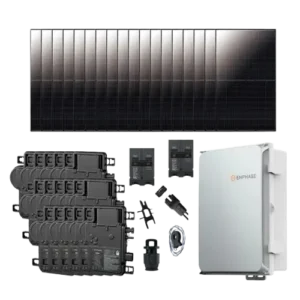
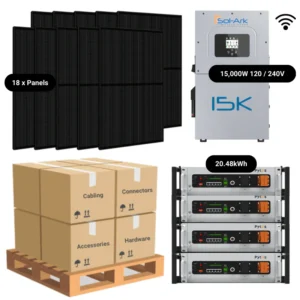
Battery backup, like a home energy storage system, adds another $8,000-$15,000 if you want to keep the lights on during outages.
Can a House Run 100% on Solar?
Can a house run 100% on solar? Technically, yes—but practically, it depends on your setup. A grid-tied system without batteries still leans on the utility grid at night or during cloudy stretches. If you want true 100% solar independence, you need enough panels plus enough battery storage to carry you through the dark hours and low-sun days.
Picture your solar system as a bucket collecting rainwater. During the day, the bucket fills up. At night, you’re drinking from that bucket. If it’s not big enough, you run dry before morning. That’s exactly why off-grid setups oversize both the panel array and the battery bank—usually by 20-30% more than a grid-tied system would need.
What Are 5 Disadvantages of Solar Power?
What are 5 disadvantages of solar power? No technology is perfect, and solar’s no exception. Here are the five that trip people up most:
- High upfront cost—even with incentives, it’s a real chunk of money.
- Weather dependency—cloudy days and winter months mean lower output.
- Roof compatibility issues—not every roof is built for panels (more on that below).
- Space requirements—smaller roofs may not fit enough panels to cover full usage.
- Long payback period—it usually takes 6-10 years to break even, depending on your electricity rates.
Are These Disadvantages Deal-Breakers?
Not usually. Most of these are manageable with the right planning—like sizing your system correctly or pairing it with a battery for cloudy-day backup. But you should walk in with eyes open, not just dollar signs.
Why Is My Electric Bill So High If I Have Solar?
Why is my electric bill so high if I have solar? This one frustrates people constantly, and it usually boils down to one of a few culprits: your system is undersized for your actual usage, net metering credits don’t fully offset your bill, or you’re still paying fixed utility fees regardless of how much solar you generate.
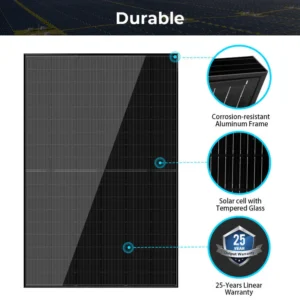
Utilities often charge a “grid connection fee” just for staying hooked up, even if you generate more power than you use. Add in a system that was sized for last year’s usage (before you bought that EV or window AC unit), and suddenly your bill looks a lot less impressive than the sales pitch promised.
Is There a Downside to Having Solar Panels?
Is there a downside to having solar panels? Beyond the disadvantages already mentioned, yes—there are a few sneaky ones. Insurance costs can tick up slightly. Your roof warranty might get complicated if panels need removal for repairs. And if you’re financing through a lease or PPA (power purchase agreement), you don’t actually own the system—which brings us to a much bigger headache.
What Is the 33% Rule for Solar Panels?
What is the 33% rule for solar panels? The 33% rule is an unofficial guideline many solar installers use, suggesting your solar investment shouldn’t cost more than about 33% of your total home value in improvements—otherwise you risk over-improving relative to your neighborhood’s resale ceiling.
It’s less of a strict formula and more of a common-sense check. If your home is worth $300,000, spending $100,000 on solar plus every add-on imaginable probably won’t pay off dollar-for-dollar at resale.
Why Is It Difficult to Sell a House With Solar Panels?
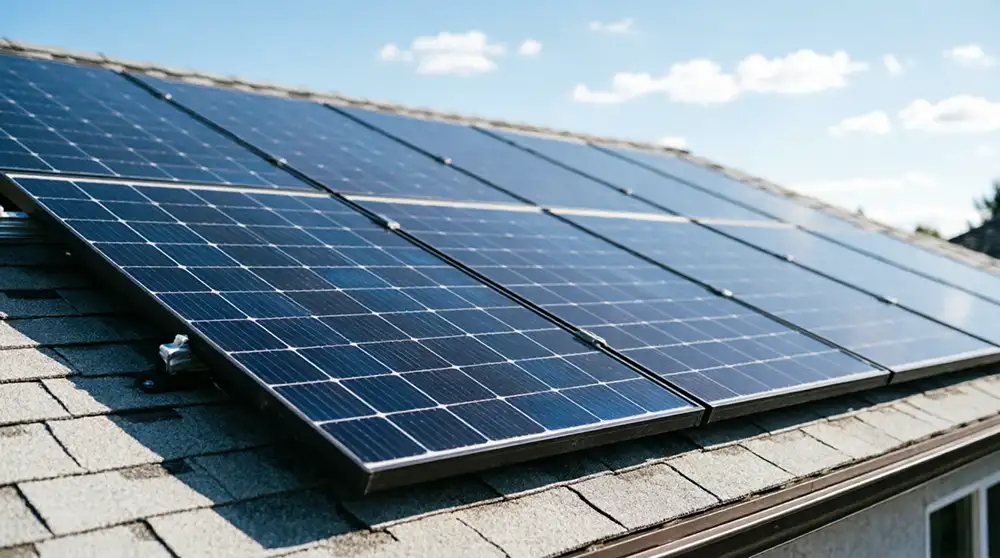
Why is it difficult to sell a house with solar panels? The friction usually comes from financing arrangements, not the panels themselves. Leased systems or those with an outstanding loan lien can scare off buyers because they’d need to either take over the payments, qualify for the loan transfer, or ask you to pay it off before closing. Owned, paid-off systems, on the other hand, tend to be a selling point, not a sticking point.
What Is the 120% Rule for Solar Power Systems?
What is the 120% rule for solar power systems? This is actually an electrical code guideline (found in NEC 705.12), not a marketing term. It caps how much solar power can feed into your home’s main electrical panel—specifically, the sum of your main breaker and your solar breaker can’t exceed 120% of the panel’s busbar rating. It’s a safety rule to prevent overloading your home’s wiring.
If your panel isn’t rated high enough, you might need an electrical panel upgrade before your solar installation can move forward—a cost that catches a lot of homeowners off guard.
Can You Legally Get Out of a Solar Contract?
Can you legally get out of a solar contract? Usually yes, especially within the “cooling-off” period—typically 3 business days after signing, mandated in many states. After that window closes, it gets trickier and depends on the contract’s cancellation clauses, whether it’s a loan, lease, or PPA, and your state’s consumer protection laws. Always read the fine print before signing, and don’t be shy about asking a lawyer to glance at anything long-term.
What Type of Roof Is Not Good for Solar Panels?
What type of roof is not good for solar panels? Roofs made of wood shake, slate, or those already near the end of their lifespan (think 15+ years old asphalt shingles) tend to be poor candidates. Wood shake and slate are fragile and expensive to work around, while an aging roof means you’d likely need to replace it soon anyway—and nobody wants to remove and reinstall a solar array just a few years after going solar.
How Common Are Roof Leaks With Solar Panels?
How common are roof leaks with solar panels? Leaks are relatively rare when installation is done correctly—most reputable installers report leak rates under 5%. The leaks that do happen usually trace back to poor flashing work or mounting hardware that wasn’t sealed properly. Choosing a certified, experienced installer is your best insurance here.
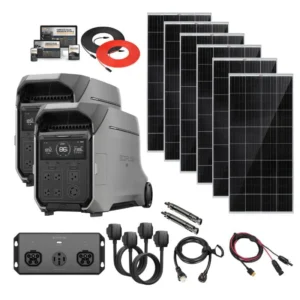
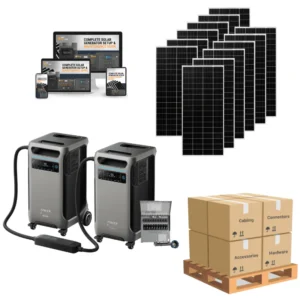
Complete Off-Grid Solar System Package Supplier
| Name | Price Range | Discount |
|---|---|---|
| Sun Gold Power | $5,774 – $31,853.00 | 👉 Get Special Offers |
| Rich Solar | $7,999 – $21,599.99 | 👉 Get Special Offers |
| ShopSolarKits | $2,539 – $149,989.99 | 👉 Get Special Offers |
Can I Run AC With a Solar Panel?
Can I run AC with a solar panel? Absolutely, as long as your system is sized to handle it. Central air conditioning is one of the biggest energy hogs in a home, often pulling 3,000-5,000 watts when running. Your solar array (and battery, if you have one) needs enough capacity to cover that load on top of everything else humming along in your house.
How Much Does Just a Solar Panel Cost?
How much does just a solar panel cost? A single residential solar panel typically runs $200 to $400, depending on wattage and brand. Higher-efficiency panels (like premium monocrystalline options) sit at the top of that range.
Can You Buy Just One Solar Panel?
Can you buy just one solar panel? Yes, you can buy a single panel—plenty of retailers sell them individually, especially for smaller projects like RVs, sheds, or off-grid cabins. But for powering a whole house, you’ll need the full array plus an inverter, mounting hardware, and wiring, which is where a professional installation quote becomes worth getting.
Is Solar Really Cheaper Than Electricity?
Is solar really cheaper than electricity? Over the long haul, yes, for most homeowners. While the upfront cost is steep, solar panels typically pay for themselves within 6-10 years and then generate essentially free electricity for another 15-20 years of their lifespan. It’s a bit like buying a car outright versus paying rent on one forever—the math favors ownership eventually.
Is It Cheaper to Buy Solar Panels Yourself?
Is it cheaper to buy solar panels yourself? A DIY solar install can shave 30-50% off the total cost since you’re skipping labor fees. But it demands real electrical know-how, permitting knowledge, and comfort working on a roof. For most homeowners, it’s a gamble that trades savings for risk—professional installation guarantees code compliance and often comes with warranties; DIY setups don’t.
Is Solar Worth It Financially?
Is solar worth it financially? For most homeowners in sunny states with high electricity rates, yes. If you live somewhere with cheap electricity and limited sun, the math gets shakier. It really comes down to your local utility rates, available incentives, and how long you plan to stay in the home.

What Are the Three Types of Solar Panels?
What are the three types of solar panels? The three main types are monocrystalline, polycrystalline, and thin-film. Monocrystalline panels are made from single silicon crystals, giving them the highest efficiency and sleekest black look. Polycrystalline panels use multiple silicon fragments melted together, making them cheaper but slightly less efficient. Thin-film panels are the lightweight, flexible option—great for unconventional surfaces but the least efficient of the three.
Which Solar Panel Type Is Best?
Which solar panel type is best? For most residential rooftops, monocrystalline wins on efficiency and lifespan, even though it costs more upfront. If budget is your top priority and roof space isn’t tight, polycrystalline can still get the job done.
What Are the Disadvantages of Monocrystalline Panels?
What are the disadvantages of monocrystalline panels? The main knock is cost—monocrystalline panels are typically 10-20% pricier than polycrystalline options. Manufacturing also generates more waste since the silicon is cut from cylindrical ingots, leaving scraps behind.
What Is the Newest Type of Solar Panel?
What is the newest type of solar panel? Perovskite solar cells are the buzzworthy newcomer, often paired with silicon in “tandem” cells to push efficiency past what traditional panels can achieve alone. They’re still mostly in research and early commercial stages, but they’re worth watching over the next few years.
Which Type of Solar Panel Is More Powerful?
Which type of solar panel is more powerful? Monocrystalline panels currently lead in real-world power output per square foot, with tandem perovskite-silicon cells showing promise to eventually overtake them in lab settings.
Is There Anything Better Than Solar Panels?
Is there anything better than solar panels? For most homes, solar remains the most practical renewable option available today. Alternatives like small wind turbines or geothermal systems can work in specific situations, but they usually require more land, more upfront investment, or very specific climate conditions to make sense.
How Many Watts Is a Good Solar Panel?
How many watts is a good solar panel? For residential use, panels in the 350-450 watt range are considered solid performers today. Anything above 400 watts is generally viewed as high-efficiency for a standard rooftop installation.
Conclusion
Solar power isn’t a magic fix, but it’s also not the confusing maze it sometimes feels like. Once you break it down—panel count, cost, contracts, roof compatibility, and panel types—the decision becomes a lot less intimidating. The honest answer is that solar works great for a lot of homeowners, and it’s a poor fit for others, and the difference usually comes down to your roof, your usage, and your local sun exposure.
Do your homework, get a few quotes, and read every contract line twice, and you’ll be in a solid position to make the call that’s actually right for your house.
FAQs About How Many Solar Panels Power
It depends on your monthly kWh usage, roof size, and sun exposure, but most homes land between 17 and 25 panels. A professional energy audit gives you the exact number for your situation.
Yes, though at reduced output — usually 10-25% of normal capacity, since panels still capture diffused sunlight even without direct rays.
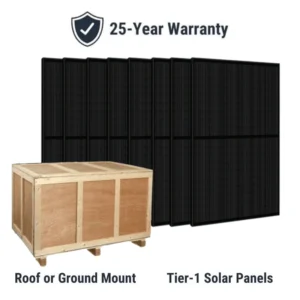
Most panels carry a 25-year performance warranty, though many continue producing usable power for 30+ years, just at slightly reduced efficiency.
In many states, no — solar installations are exempt from property tax increases thanks to specific renewable energy exemptions, though this varies by location.
Without a battery, grid-tied systems automatically shut off during outages for safety reasons. With a battery backup, your home can keep running on stored solar power.
You Might Also Like