
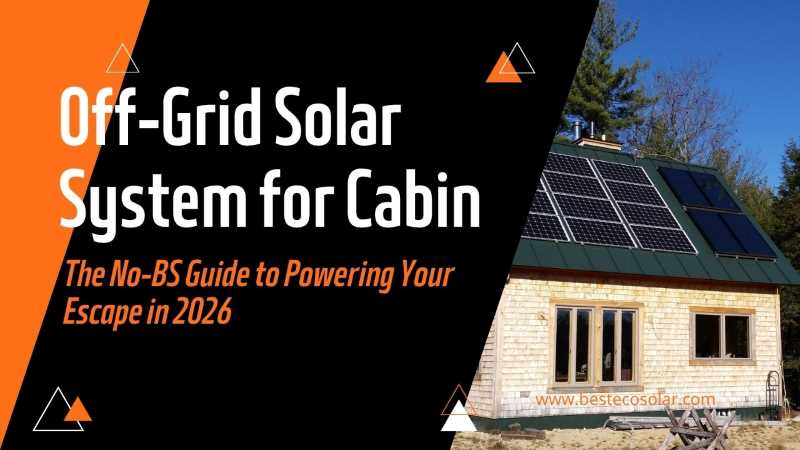
Off-Grid Solar System for Cabin: The No-BS Guide to Powering Your Escape in 2026
A well-designed off-grid solar system for cabin use isn’t some fringe survivalist fantasy anymore — it’s a mature, well-understood piece of engineering that thousands of weekend warriors and full-timers are running right now.
What Exactly Is an Off-Grid Solar System for a Cabin?
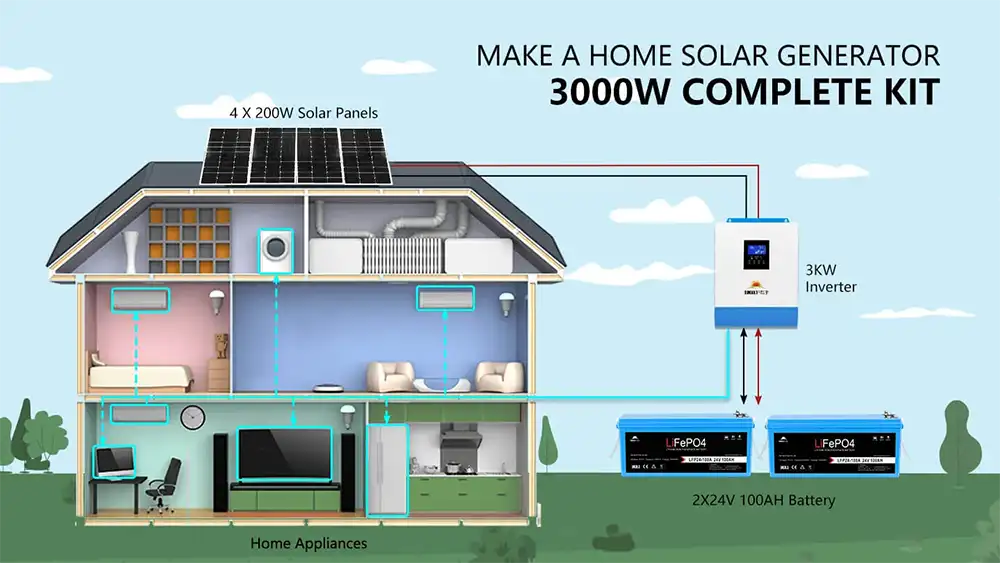
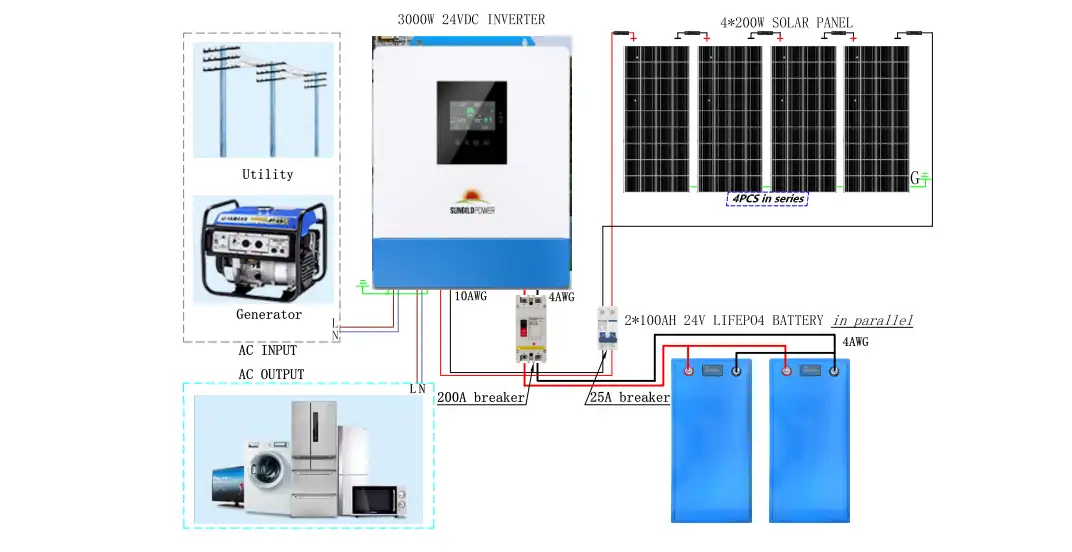
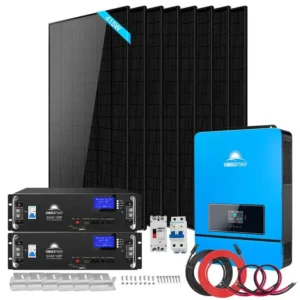
At its core, an off-grid cabin solar system is a self-contained power plant. No utility poles, no meter, no monthly bill. Solar panels catch sunlight and turn it into DC electricity, a charge controller feeds that electricity into a battery bank without frying it, and an inverter flips the stored DC power into the AC power your coffee maker and laptop charger actually want.
Think of it like a water tank on a hillside. Rain (sunlight) fills the tank (battery), and you draw water (electricity) whenever you need it, day or night, rain or shine. The bigger your tank and the more consistent the rain, the less you worry about running dry.
Why More Cabin Owners Are Going Off-Grid in 2026
There’s a reason this topic is trending harder than it was five years ago. A few things changed:
- Lithium battery prices dropped hard. LiFePO₄ cells that cost a fortune a decade ago are now genuinely affordable, and they last far longer than the old lead-acid batteries your uncle swore by.
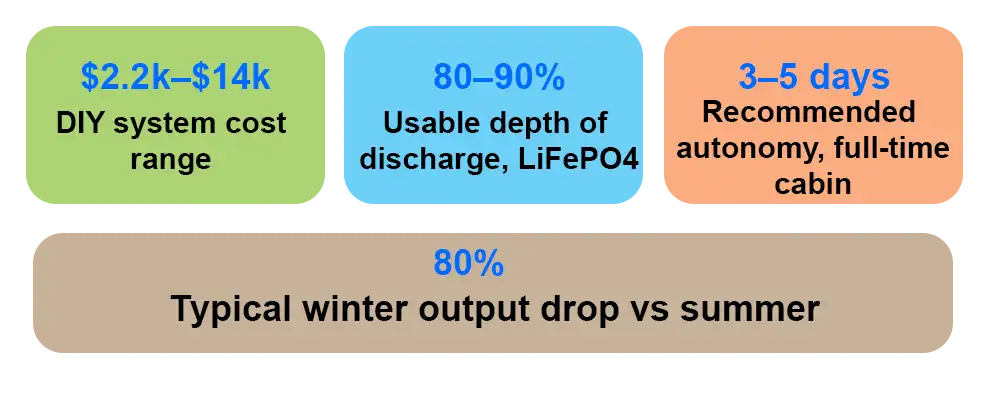
- Running a grid line is brutally expensive. Utility companies often quote $10,000 to $40,000+ just to extend poles and wire to a remote property — sometimes more than the solar system itself.
- Off-grid living is trending. Analysts now expect a meaningful share of American households to live fully off-grid within the next decade, and cabins are the easiest entry point.
- Components got smarter. Charge controllers, inverters, and battery management systems talk to each other now, which means fewer surprises and less guesswork for a DIYer.
Grid-Tied vs Off-Grid vs Hybrid: Which Fits Your Cabin?
Before you commit to a full off-grid solar setup for your cabin, it’s worth knowing what you’re choosing between.
- Grid-Tied Systems
These stay connected to the utility grid and often let you sell excess power back. Great for a primary home in the suburbs. Mostly irrelevant for a cabin that has no grid access to begin with. - Off-Grid Systems
Completely independent. You generate it, you store it, and you use it. This is the setup this entire article focuses on, and it’s the only real option when there’s no utility line anywhere near your property. - Hybrid Systems
A blend — grid-connected but with battery backup, so you get resilience during outages plus the ability to draw from the grid when your battery runs low. Not applicable to a true remote cabin, but worth knowing if your “cabin” is actually close enough to the road for a utility hookup.
For a genuinely remote cabin, off-grid is really the only game in town, so that’s where we’re spending the rest of this guide.
The Core Components of an Off-Grid Cabin Solar System
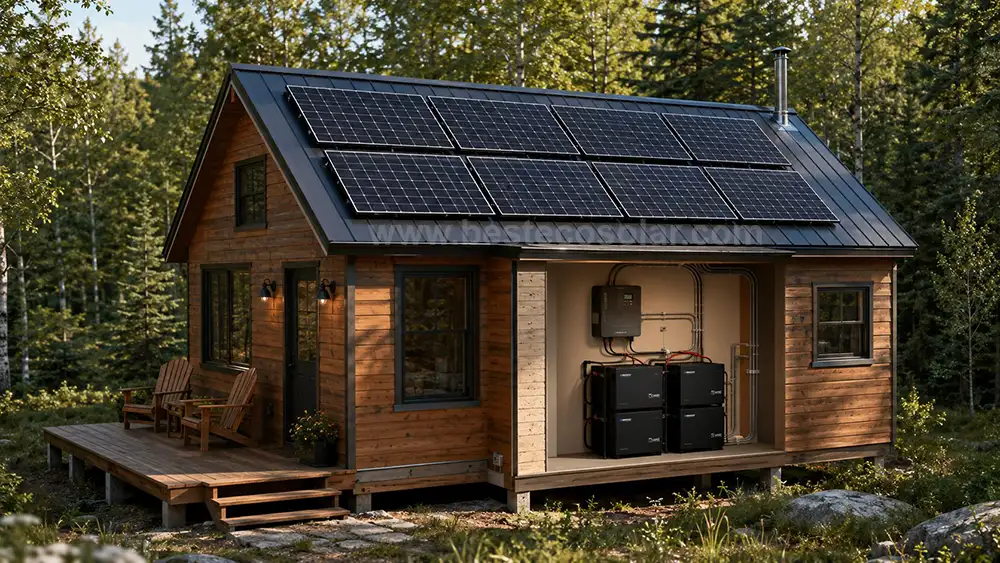
Every off-grid solar power system for a cabin boils down to five parts working together like a relay team.
Solar Panels
These are your energy harvesters. Monocrystalline panels dominate the cabin market now because they squeeze more watts out of less roof space — often 20%+ efficiency — which matters when your roof is small and your budget isn’t unlimited. Panel wattage typically ranges from 250W to 400W+ per panel.
Batteries: LiFePO₄ vs Lead-Acid
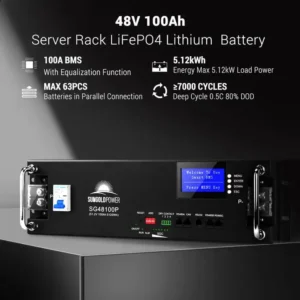
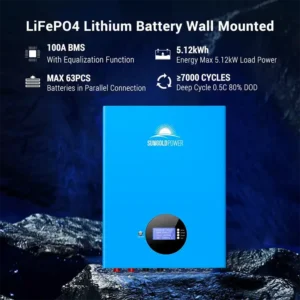
This is where most of your budget goes — usually half to two-thirds of the total system cost. LiFePO₄ (lithium iron phosphate) batteries have basically taken over the cabin space, and for good reason:
| Feature | LiFePO₄ (Lithium) | Lead Acid (AGM/Flooded) |
|---|---|---|
| Usable depth of discharge | 80–90% | 50% |
| Typical lifespan | 3,000–6,000+ cycles | 300–800 cycles |
| Weight (for same capacity) | Roughly 1/3 the weight | Heavy |
| Cold-weather performance | Needs heating below freezing | Handles cold better but loses capacity |
| Maintenance | Virtually none | Regular watering/checking (flooded) |
| Upfront cost | Higher per unit | Lower per unit |
| Cost per usable kWh over 10 years | Usually cheaper long-term | Often more expensive over time |
If you’re building a cabin system meant to last, lithium wins almost every time unless upfront budget is your absolute hard constraint.
Charge Controllers: MPPT vs PWM
The charge controller sits between your panels and battery, regulating the flow so you don’t cook your battery bank. MPPT (Maximum Power Point Tracking) controllers are the smarter, more efficient choice — they squeeze extra power out of your panels, especially on cloudy days when every watt counts. PWM controllers are cheaper but noticeably less efficient. For anything beyond a tiny starter kit, MPPT is worth the extra money.
Inverters
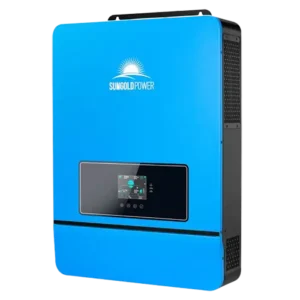
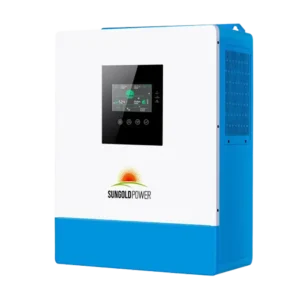
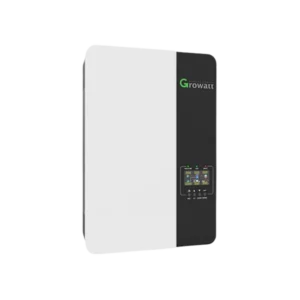
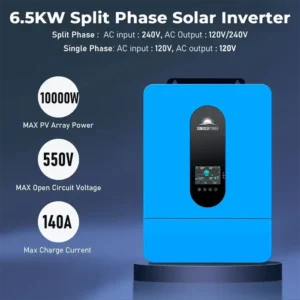
The inverter converts stored DC battery power into the AC power your appliances expect. Size this for surge, not just running watts — a well pump might only draw 1,200W running, but it can spike well past that on startup, and an undersized inverter will trip or fail right when you need it most.
Backup Generator
Optional, but strongly recommended. Even a generous battery bank can get drained by two weeks of solid winter cloud cover. A propane or gas generator wired into your inverter’s generator input is cheap insurance against a dead battery and a dark cabin.
How to Size an Off-Grid Solar System for Your Cabin
This is the step people rush through, and it’s the step that determines whether your system actually works.
- Step 1: Run an Energy Audit
List every device you’ll run — lights, fridge, water pump, laptop, TV, phone chargers — and its wattage. Nothing fancy, just a spreadsheet or even a notepad. - Step 2: Calculate Your Daily Watt-Hours
Multiply each device’s wattage by the hours you’ll use it daily, then add it all up. A weekend cabin might land around 1.5–2.5 kWh/day. A full-time small cabin with a well pump can push 5–8 kWh/day. - Step 3: Factor in Days of Autonomy
“Days of autonomy” is how many cloudy days your battery bank needs to cover without any sun at all. Weekend cabins that recharge all week can get away with 1–3 days. Full-time cabins should plan for 3–5 days, plus a 20–30% buffer so you’re never draining the battery to zero, which shortens its life dramatically. - Step 4: Match Panel Wattage to Sun Hours
Divide your daily watt-hour need by your region’s average peak sun hours (usually 4–6 depending on climate), then divide by your system’s overall efficiency (typically about 85% once you account for wiring loss, inverter loss, and panel soiling). That gives you the solar array size you actually need.
Off-Grid Solar System for Cabin: 2026 Cost Breakdown
Prices have shifted a lot as lithium batteries got cheaper, and one thing changed for 2026 specifically: the federal 30% tax credit for standalone residential installs was phased out for new installs starting this year, so budget accordingly.
| Cabin Type | Daily Usage | Panel Size | Battery Bank | Inverter | Estimated Cost (DIY) |
|---|---|---|---|---|---|
| Weekend retreat | 1.5–2.5 kWh/day | ~600W | 4 kWh LiFePO₄ | 1,500W | $2,200–$3,500 |
| Small full-time cabin | 3–5 kWh/day | 1.2–1.5kW | 10 kWh LiFePO₄ | 3,000W | $5,500–$10,000 |
| Full-time cabin w/ well pump | 5–8 kWh/day | 2–2.5kW | 15 kWh LiFePO₄ | 4,000W | $8,000–$14,000 |
Professionally installed versions of these same systems typically run 30–60% higher once labour, permitting, and mounting hardware get added in. A pre-built, cabin-ready kit in the 2kW range often starts around $5,500 before any remaining local incentives.

12V vs 24V vs 48V: Choosing the Right System Voltage
This trips up a lot of first-timers. Here’s the simple version: the more power you’re pulling, the higher your system voltage should be.
- 12V — Fine for small weekend cabins under roughly 1,000W daily usage. Simple, cheap components.
- 24V — A good middle ground for moderate loads without a full-time well pump.
- 48V — Necessary for full-time cabins pulling 3,000W+ regularly. Higher voltage means lower amperage for the same power, which means thinner, cheaper wiring and better inverter efficiency.
Getting this wrong means either paying for oversized wire you didn’t need or dealing with voltage drop and overheating because you undersized it.
DIY Installation vs Professional Installation
Can you install an off-grid solar system for your cabin yourself? Plenty of people do, especially at the smaller end. A basic 12V or 24V weekend-cabin system is genuinely approachable for anyone comfortable with basic electrical work and a multimeter.
Where it gets trickier: full 48V systems, anything involving a permanently wired well pump, or any setup where local code requires permitting and inspection. If you’re not confident reading a wiring diagram or calculating amperage safely, hiring an installer for at least the electrical portions is money well spent. A miswired battery bank isn’t just an inconvenience — it’s a fire risk.
Common Mistakes Cabin Owners Make With Off-Grid Solar
Nobody plans to mess up their system, but the same handful of mistakes show up over and over:
- Sizing for a sunny afternoon instead of a three-day blizzard. Most systems fail during bad weather, not good weather — design for the worst realistic stretch, not the best one.
- Undersizing the inverter for surge loads. That well pump or power tool will trip a too-small inverter the moment it starts up.
- Skipping the generator input. It’s the single most common regret among experienced cabin owners.
- Ignoring cold-weather battery performance. Lithium batteries lose charging ability below freezing and need insulation or heating in cold climates.
- Draining the battery too deep, too often. This is the fastest way to shorten a lithium battery’s lifespan even though it can technically handle 80–90% depth of discharge.
Winterising Your Off-Grid Cabin Solar System
If your cabin sees real winter, plan for it specifically rather than hoping your summer-sized system carries through. Snow cover and shorter days can slash panel output by a huge margin — some owners see production drop as much as 80% in the darkest months. A few fixes:
- Add a 20–50% buffer to your panel sizing to cover seasonal shortfalls.
- Mount panels at a steeper angle so snow sheds naturally instead of piling up.
- Insulate or lightly heat your battery closet — most lithium batteries won’t charge safely below freezing.
- Keep a generator on hand as your winter safety net, not just an emergency backup.
Maintenance Tips to Keep Your System Running for Decades
The beauty of a good off-grid cabin solar system is that it’s genuinely low-maintenance compared to, say, a generator you have to service constantly. Still, a little upkeep goes a long way:
- Inspect panels once or twice a year for dirt, debris, or physical damage.
- Check all electrical connections for corrosion, especially near the coast or in humid climates.
- Monitor your battery management system’s app or display for cell imbalance.
- Keep vents around your inverter and charge controller clear so they don’t overheat.
Off-Grid Solar Kits vs Building Your Own System
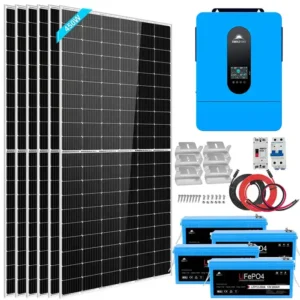
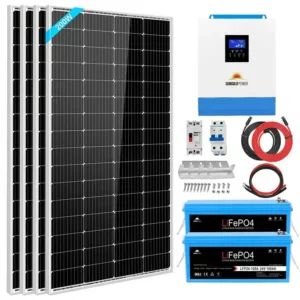
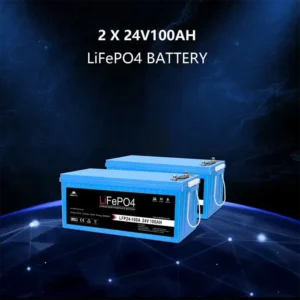
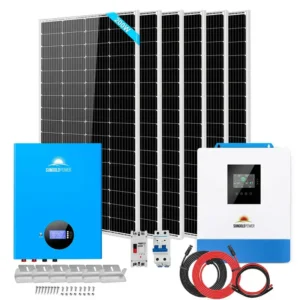
Pre-built kits have gotten dramatically better in the last couple of years. Instead of sourcing panels, a battery, an inverter, and a controller from five different vendors and crossing your fingers they play nice, a matched kit ships as one warrantied unit. That’s a real advantage for anyone who doesn’t want to become an amateur electrical engineer.
Building your own system piece by piece can save money and give you more control over exact specs, but it demands more research and more comfort with the math from the sizing section above. If you’re handy and enjoy the process, DIY is rewarding. If you’d rather spend your weekends fishing instead of debugging voltage drop, a kit is the smarter call.
Is an Off-Grid Solar System Worth It for a Cabin?
Here’s the honest answer: it depends on your alternative. If running a utility line would cost you $20,000+, and your usage is modest, solar pays for itself fast and then keeps paying you back for 20-plus years with no monthly bill at all. If you’d only use the cabin a few weekends a year, a smaller, cheaper system pairs perfectly with that light usage pattern.
Where it’s less clear-cut: if your cabin already has cheap, easy grid access, solar becomes more about independence and resilience than pure cost savings. That’s still a valid reason — plenty of people love not depending on a utility company that can black out during a storm — but it’s a different calculation than “no grid access at all”.
Complete Off-Grid Solar System Package Supplier
| Name | Price Range | Discount |
|---|---|---|
| Sun Gold Power | $5,774 – $31,853.00 | 👉 Get Special Offers |
| Rich Solar | $7,999 – $21,599.99 | 👉 Get Special Offers |
| ShopSolarKits | $2,539 – $149,989.99 | 👉 Get Special Offers |
Conclusion
Building an off-grid solar system for a cabin isn’t rocket science, but it does reward people who take sizing seriously instead of guessing. Run your energy audit honestly, size your battery bank for your worst week rather than your best afternoon, don’t skimp on the inverter, and keep a generator on standby just in case. Do that, and you’ll have a cabin that keeps the lights on, the fridge cold, and the Wi-Fi router humming, no matter how far you are from the nearest power pole.
Whether you go with a slick pre-built kit or piece together your own system from scratch, the fundamentals stay the same. Get those right, and the sun genuinely does the rest.
FAQs About Off-Grid Solar System for Cabin
It depends entirely on usage. A weekend cabin using 1.5–2.5 kWh/day can get by with roughly a 600W panel array and a 4 kWh battery. A full-time cabin running a well pump might need 2–2.5kW of panels and a 15 kWh battery bank.
Yes, and most cabin owners do. A standard AC fridge draws a modest continuous load, but its startup surge is what really matters — make sure your inverter can handle the compressor kicking on. Many people also choose efficient 12V DC fridges to reduce the load further.
It's not strictly required, but it's highly recommended, especially in climates with long cloudy stretches or real winters. Think of it as insurance for the two-week stretch of bad weather your battery bank wasn't designed to survive alone.
In almost every case, yes. Lithium batteries offer far deeper usable capacity, last many times longer in terms of cycle count, and need essentially zero maintenance. The higher upfront price usually works out cheaper per usable kWh over the system's lifetime.
A basic weekend-cabin kit typically runs $2,200–$3,500 DIY. A small full-time cabin system lands closer to $5,500–$10,000, and a full-time cabin with a well pump can run $8,000–$14,000. Professionally installed versions cost more once labor and permitting are added.
You Might Also Like