


The Complete Guide to Hybrid Inverter Solar Kits: Costs, Benefits & Installation
What Exactly is a Hybrid Inverter Solar Kit?
Hybrid Inverter Solar Kit – Imagine having your own personal power plant that not only generates electricity from the sun but also stores backup energy for when you need it most, all while staying connected to the main grid as a safety net. That’s precisely what a hybrid inverter solar kit offers!
In 2025, these all-in-one systems are revolutionizing how homeowners approach solar energy, combining the best of grid-tied and off-grid worlds into one intelligent package.
But what makes these systems so special? Unlike traditional solar setups that either feed exclusively to the grid or operate completely off-grid, hybrid systems give you the ultimate flexibility. They automatically juggle between solar power, battery storage, and grid electricity based on your needs, availability, and even electricity rates.

Think of it as having a smart energy manager that constantly works to optimize your power usage and savings.
The global solar market continues to explode, with hybrid functionality expected to be included in over 45% of new installations by 2025, according to industry forecasts.
Why this surge in popularity? It’s simple: homeowners are tired of being at the mercy of rising utility rates and unpredictable power outages. They want independence without sacrificing reliability. Hybrid inverter solar kits deliver exactly that – a pathway to energy resilience that adapts to your lifestyle and local conditions.
Why 2025 is the Perfect Year to Go Hybrid
This year marks a significant tipping point for solar technology. With advancements in battery chemistry, smart inverter capabilities, and more affordable components, hybrid systems are no longer just for early adopters. They’ve entered the mainstream, offering better performance and faster returns on investment than ever before.
Whether you’re looking to slash your electricity bills, gain backup power during outages, or simply reduce your carbon footprint, there’s never been a better time to explore what a hybrid solar kit can do for your home.



How Does a Hybrid Inverter Solar Kit Actually Work?
1. The Brain of Your Solar System: Hybrid Inverter Explained
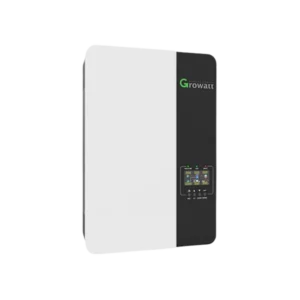
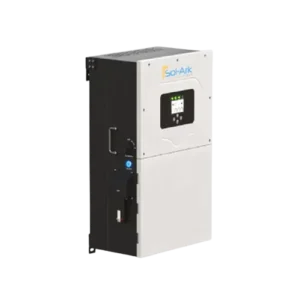
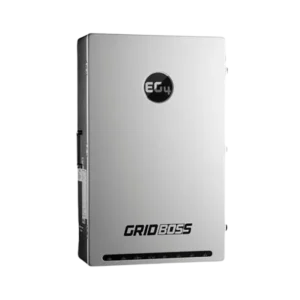
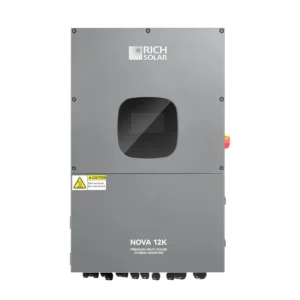
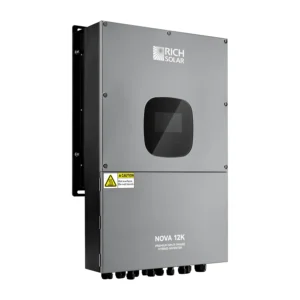
At the heart of every hybrid solar kit lies the hybrid inverter – the true maestro of your power ecosystem. But what makes it different from other inverters? While traditional solar inverters simply convert DC electricity from your panels to AC electricity for your home, hybrid inverters pull double (and triple!) duty.

They manage power flow between your solar panels, battery storage, home appliances, and the grid simultaneously, making intelligent decisions every second of the day.
Here’s where the magic happens: a hybrid inverter can convert DC to AC for immediate use, but it can also convert AC from the grid back to DC to charge your batteries when solar isn’t available. This bi-directional capability is what sets hybrid systems apart and enables their incredible flexibility.
2. The Day in the Life of Your Hybrid System
Let’s walk through a typical day to see how seamlessly these systems operate:
- Morning: As the sun rises, your solar panels begin generating electricity. The hybrid inverter converts this DC power to AC and powers your home’s morning energy needs – brewing coffee, running appliances, and charging devices.
- Midday: When solar production exceeds your consumption, instead of sending all excess power to the grid, the inverter directs it to charge your battery storage system. This stored energy becomes your personal reserve for later use.
- Evening: As the sun sets and energy demand peaks, your system automatically switches to battery power. You’re now running on stored sunlight rather than buying expensive grid electricity during peak rate hours.
- Night: Once battery reserves are depleted (or if you’ve programmed them to maintain a backup reserve), the system seamlessly draws from the grid, though at minimal levels since your daytime consumption was largely offset by solar.
- Outage Scenario: When the grid goes down, your hybrid system instantly disconnects from the utility (safety first!) and continues powering your essential loads using solar and battery storage. No more spoiled food, no more fumbling for flashlights – just uninterrupted power.
Table: Hybrid System Operations Throughout the Day
| Time of Day | Power Source | System Priority |
|---|---|---|
| Morning | Solar panels | Power home + charge batteries |
| Peak Sun Hours | Solar panels | Power home + charge batteries + export to grid (if allowed) |
| Evening | Batteries + solar | Power home from storage |
| Night | Grid + batteries (if programmed) | Power home from the grid while maintaining a backup reserve |
| Power Outage | Batteries + solar | Power essential loads only, isolate from the grid |

Why Homeowners Are Choosing Hybrid Systems: Key Benefits
1. Energy Independence Without the Anxiety
Remember the last power outage in your neighborhood? While others were scrambling for candles and worrying about spoiled food, homeowners with hybrid systems barely noticed the disruption. That’s because hybrid inverter solar kits provide what many value most: reliable backup power when the grid fails.
But it’s not just about emergency preparedness. These systems significantly reduce your dependence on the utility grid, with most homeowners slashing their grid reliance by up to 80%. That means you’re insulated from rising electricity rates and time-of-use pricing schemes that seem designed to maximize utility profits at your expense.
2. Maximum Financial Returns from Your Solar Investment
Why just save on electricity when you can optimize every kilowatt-hour? Hybrid systems take financial efficiency to the next level through:
- Peak shaving: Using stored battery power during expensive peak rate hours
- Increased self-consumption: Using your solar generation rather than exporting it at lower rates
- Net metering optimization: Managing when you export and import to maximize credits
The numbers speak for themselves: most hybrid systems achieve ROI within 6-8 years while providing 25+ years of clean energy. Plus, studies show homes with solar-plus-storage systems command 4-6% higher resale values.
3. Smart Energy Management That Works While You Sleep
Modern hybrid systems come with sophisticated monitoring that lets you track production, consumption, and storage in real-time through smartphone apps. But beyond just showing pretty graphs, these systems actively work to optimize your energy usage based on your habits, weather forecasts, and even utility rate schedules.
Imagine your system automatically charging your batteries from the grid during off-peak overnight rates (if you have that option), then using that stored power during expensive peak hours the next day. Or receiving alerts when your energy usage patterns change significantly. This isn’t science fiction – it’s what today’s hybrid solar kits can deliver right out of the box.
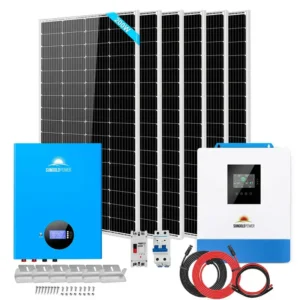
What’s Inside Your Hybrid Solar Kit? Component Breakdown
1. The Heart: Hybrid Inverter
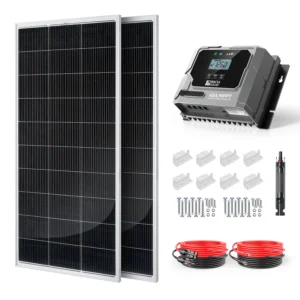
Your hybrid inverter isn’t just another component – it’s the brain and nervous system of your entire energy setup. Modern hybrid inverters boast efficiency ratings of 95-98% and come with multiple Maximum Power Point Trackers (MPPTs) to optimize solar harvest from different roof orientations.
These technological marvels continuously monitor and manage energy flow, making split-second decisions about where power should come from and where surplus should go.
When selecting your inverter, you’ll encounter different types:
- Inverter/Charger Hybrids: Most common, perfect for homes, with advanced grid interaction capabilities
- Integrated Hybrid Systems: Space-saving designs with built-in MPPTs (less common)
- Grid-Tied Hybrid Inverters: Full grid interaction with backup power capabilities
2. The Muscle: Solar Panels
Today’s hybrid kits typically include premium monocrystalline panels with efficiencies exceeding 22%. Some advanced kits even feature bifacial panels that capture light from both sides, boosting energy production by utilizing reflected sunlight from surrounding surfaces.

In 2025, we’re seeing exciting panel technologies making their way into hybrid kits:
- PERC cells: Enhanced light absorption for better performance in low-light conditions
- Bifacial designs: Capturing reflected light for additional energy gains
- Half-cell configuration: Reduced shading impact and improved durability
3. The Safety Net: Battery Storage
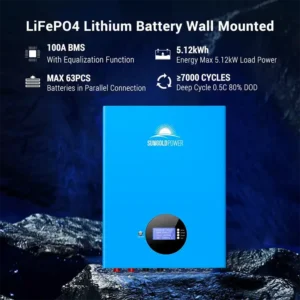
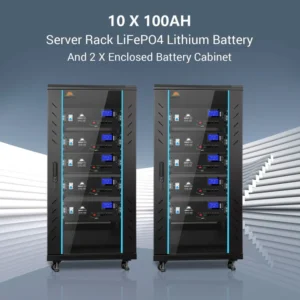
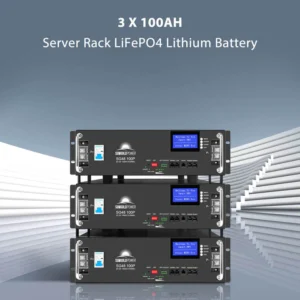
This is where your energy independence truly takes shape. Modern hybrid kits predominantly use lithium-ion batteries, specifically LiFePO4 (lithium iron phosphate), which offer superior safety, longer lifespan (10-15 years), and deeper usable capacity (90% depth of discharge) compared to older lead-acid technologies.
A typical household might install 10-30 kWh of battery storage, enough to power essential loads through the night or during extended outages. The beauty of hybrid systems is their scalability – you can start with minimal storage and expand as your needs and budget allow.
4. The Supporting Cast: Essential Accessories
Rounding out your kit are crucial components that ensure safety, performance, and compliance:
- Mounting systems: Professional-grade rails and brackets designed for your specific roof type
- Monitoring systems: WiFi or cellular connectivity for real-time performance tracking
- Safety equipment: DC isolators, surge protectors, and rapid shutdown devices
- Wiring & connectors: MC4 connectors and PV-rated cabling for durability and safety
Choosing the Right Hybrid Inverter Solar Kit: A Practical Guide
1. Sizing Your System: Questions to Consider
Getting the size right is crucial for maximizing your investment. Ask yourself these key questions:
- What’s your current energy consumption? Check your utility bills – the average U.S. household uses about 30 kWh daily.
- What are your backup power priorities? Just essentials (refrigerator, lights, internet) or whole-home backup?
- What’s your roof space and orientation? South-facing roofs with minimal shading are ideal, but modern systems work well on east-west orientations too.
- What future energy needs do you anticipate? Electric vehicle? Pool pump? Central air? Factor these into your planning.
Table: Hybrid Solar Kit Sizing Guide
| Home Size | Daily Energy Use | Recommended Solar Array | Battery Storage | Typical Hybrid Inverter |
|---|---|---|---|---|
| Small Home/Apartment | 15-20 kWh | 3-4 kW | 5-10 kWh | 3-5 kW |
| Average Family Home | 25-35 kWh | 6-8 kW | 10-15 kWh | 5-8 kW |
| Large Home | 35-50 kWh | 10-12 kW | 15-25 kWh | 8-12 kW |
| Energy-Intensive Estate | 50+ kWh | 15+ kW | 25+ kWh | 15+ kW |
2. Key Selection Criteria for Your 2025 System
Not all hybrid kits are created equal. Here’s what to look for:
- Battery compatibility: Ensure the inverter works with your preferred battery technology and brand
- MPPT capabilities: Multiple trackers for complex roof layouts
- Grid compliance: UL1741 certification for seamless grid connection
- Monitoring features: User-friendly apps with detailed analytics
- Warranty coverage: 10+ years for inverters, 25+ years for panels
- Scalability: Room for future expansion as your needs evolve
3. Understanding Your Hybrid Inverter’s Specifications
When comparing hybrid inverters, you’ll encounter several technical specifications. Here are the key ones that matter:
- Efficiency rating: Look for 95% or higher – this represents how much DC power is successfully converted to AC
- MPPT voltage range: Wider ranges accommodate more panel configurations
- Surge capacity: Important for starting motors (like well pumps or AC compressors)
- IP rating: IP65 or higher for outdoor installation durability
- Operating temperature range: Ensures performance in your local climate
Hybrid Inverter Solar Kit Costs in 2025: A Transparent Breakdown

1. Upfront Investment vs. Long-Term Savings
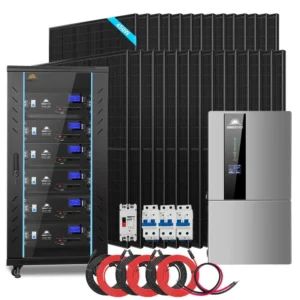
Let’s talk numbers – because your solar investment should make financial sense. In 2025, a complete hybrid solar kit installation typically ranges from $14,000 for a basic 3kW system with battery to $42,000+ for premium whole-home solutions. After the 30% federal tax credit, these costs drop to $9,800-$29,400, respectively.
But what exactly are you paying for? Here’s how the costs typically break down:
- Solar panels: 25-30% of total system cost
- Hybrid inverter: 10-15% of total cost
- Battery storage: 25-35% (the significant variable)
- Mounting & cabling: 10-15%
- Labor & permits: 15-20%
- Other (permits, etc.): 5-10%
2. Breaking Down the Component Costs
Understanding where your money goes helps you make smarter choices:
- Hybrid inverters: $2,000-$4,000 for residential units, depending on capacity and features
- Solar panels: $0.80-$1.00 per watt for premium monocrystalline panels
- LiFePO4 batteries: $6,000-$9,000 for a 10 kWh battery bank
- Balance of system: $1,500-$3,000 for mounting, wiring, and essential safety equipment
3. The Real Return on Your Hybrid Investment
While hybrid systems cost more upfront than grid-tied only systems, they deliver superior value through:
- Faster payback: Typically 6-8 years due to optimized self-consumption
- Ongoing savings: Drastically reduced electricity bills for 25+ years
- Increased home value: $3.90-$6.40 per watt added to your home’s value
- Protection against rate hikes: Insulation from rising utility costs
Installation Insights: What to Expect When Going Hybrid

1. Planning Your Hybrid System Installation
Proper planning is the foundation of a successful solar installation. The process typically unfolds in these stages:
- Site assessment: A professional evaluates your roof condition, electrical system, and energy needs
- System design: Custom engineering to maximize production and meet your specific goals
- Permitting: Navigating local building departments and utility interconnection agreements
- Installation: Physical installation of components, typically taking 2-5 days
- Inspections & commissioning: Final approvals and system activation
2. Professional Installation vs. DIY: Making the Right Choice
While some experienced homeowners consider DIY installation to save money, hybrid systems involve complex electrical work that typically requires professional expertise. The grid connection alone demands specialized knowledge and certifications that most DIYers don’t possess.
Professional installation, while adding to upfront costs, ensures:
- Code compliance: Meeting all local building and electrical codes
- Utility approval: Successful grid interconnection and net metering
- Warranty protection: Maintaining manufacturer warranties that might be voided with DIY installs
- Safety assurance: Proper installation of high-voltage DC and AC systems
- Optimal performance: Correct sizing and configuration for maximum efficiency

3. Navigating Permits and Utility Requirements
Each municipality and utility has unique requirements for solar-plus-storage systems. Your installer should handle this paperwork, but it helps to understand what’s involved:
- Building permits: Ensuring the structural integrity of your roof mounting system
- Electrical permits: Verifying safe integration with your home’s electrical panel
- Utility interconnection agreement: Permission to connect to the grid and export energy
- Net metering contract: Terms for crediting exported electricity (where available)
The Future of Hybrid Solar Technology: 2025 and Beyond
1. Emerging Trends in Hybrid Systems
The solar industry never stands still, and 2025 brings exciting advancements to hybrid technology:
- AI-powered energy management: Systems that learn your habits and automatically optimize settings
- Vehicle-to-home (V2H) integration: Using your EV battery as additional home storage
- Advanced battery chemistries: Solid-state and other innovations promising longer life and safety
- Grid services participation: Getting paid for supporting grid stability during demand peaks
- Modular designs: Easier expansion and component replacement
2. Smart Home Integration and IoT Connectivity
Your hybrid system is becoming the energy hub of your smart home. Modern systems integrate with home automation platforms, allowing scenarios like:
- Automatically adjusting thermostat settings based on solar production
- Scheduling energy-intensive tasks (like EV charging) for when solar is abundant
- Receiving proactive maintenance alerts before issues arise
- Participating in utility demand-response programs automatically

Hybrid Solar Kit Supplier
| Name | Price Range | Details |
|---|---|---|
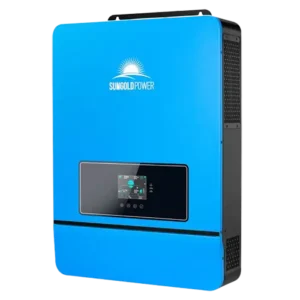
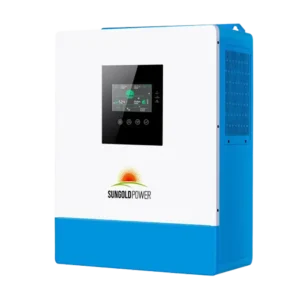
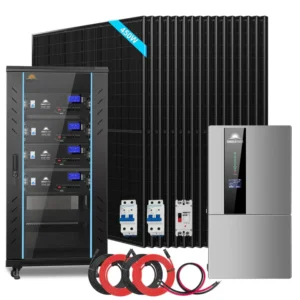
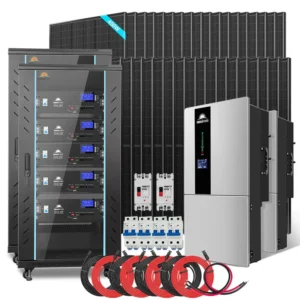
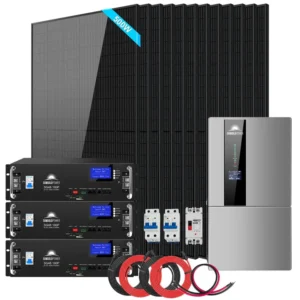
| SunGoldPower | $5,774 – $31,853.00 | View Collections |
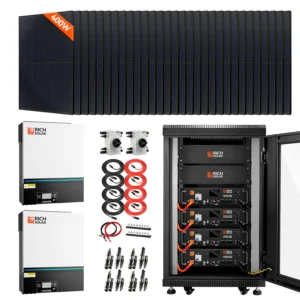
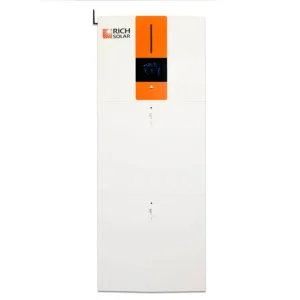
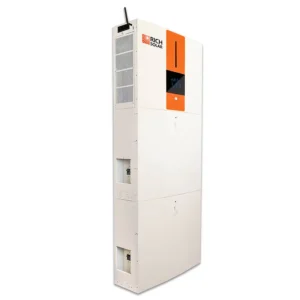
| Rich Solar | $7,999 – $25,99.99 | View Collections |
| ShopSolarKits | $2,539 – $149,989.99 | View Collections |
Conclusion: Is a Hybrid Inverter Solar Kit Right for You?
As we’ve explored, hybrid inverter solar kits represent the pinnacle of residential solar technology in 2025. They offer an unprecedented combination of independence, resilience, and intelligence that simple grid-tied systems can’t match. By generating, storing, and managing your own power, you’re not just saving money – you’re taking control of your energy future.

The question isn’t whether hybrid technology is valuable – it’s whether it’s valuable FOR YOU. If you experience frequent power outages, face time-of-use billing rates, or simply want to maximize your energy independence, a hybrid system likely justifies its premium cost.
Suppose you live in an area with stable grid power and favorable net metering policies. In that case, a simpler grid-tied system might suffice – though you’ll miss out on the backup power and advanced management capabilities.
What’s clear is that solar technology has evolved from a niche environmental statement to a practical home upgrade that delivers tangible financial and lifestyle benefits. With the 30% federal tax credit available through 2032, strong manufacturer warranties, and increasingly attractive financing options, there’s never been less risk and more reward in going solar.
Your energy independence journey starts with understanding your options. Now that you’re equipped with comprehensive knowledge about hybrid inverter solar kits, you’re ready to have informed conversations with installers and make the decision that best fits your home, your budget, and your vision for a more resilient future.
Frequently Asked Questions About Hybrid Inverter Solar Kits
- How long does a hybrid inverter typically last?
Most hybrid solar inverters have a lifespan of 10-15 years, which is shorter than solar panels (25-30 years) but comparable to other power electronics. You may need to replace your inverter once during the life of your solar system. Quality brands often come with 10-year warranties that can sometimes be extended. - Can I expand my hybrid solar system later?
Yes! One of the key advantages of quality hybrid systems is their scalability. You can start with a smaller system and add more panels or batteries later. However, it’s crucial to choose an inverter with extra capacity and multiple MPPT inputs from the beginning to accommodate future expansion. - Will a hybrid solar kit power my entire house during an outage?
This depends on how your system is sized and configured. Most hybrid systems are designed to power essential loads during outages – things like refrigerators, lights, internet routers, and medical equipment. Whole-home backup requires a larger system and sufficient battery storage (typically 20-30 kWh for an average home). - What’s the difference between hybrid and off-grid systems?
Hybrid systems maintain a connection to the utility grid for backup and net metering benefits, while off-grid systems operate completely independently. Hybrids typically require smaller battery banks since they can use the grid as backup, making them more cost-effective for most homeowners. - Are hybrid inverters compatible with all battery types?
Most modern hybrid inverters work with various battery technologies, including lithium-ion (LiFePO4, NMC), lead-acid, and newer technologies. However, compatibility varies by brand and model, so it’s essential to verify that your chosen inverter works with your preferred battery type before purchasing.


You Might Also Like