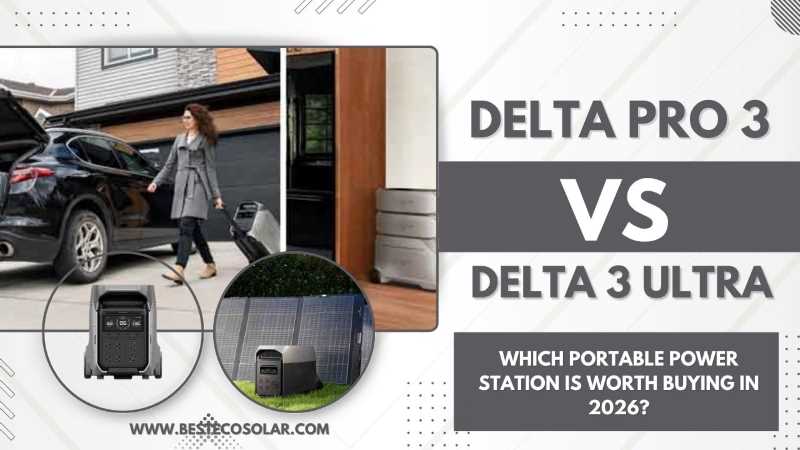
EcoFlow Delta Pro 3 vs Delta 3 Ultra: Which Portable Power Station Is Worth Buying in 2026?
Choosing a premium portable power station isn’t as simple as picking the one with the biggest battery anymore. EcoFlow has expanded its lineup with several powerful options, and two of the most talked-about models are the EcoFlow Delta Pro 3 and the EcoFlow Delta 3 Ultra.
Delta Pro 3 vs Delta 3 Ultra – At first glance, they appear remarkably similar. Both deliver impressive AC output, support fast charging, integrate with EcoFlow’s smart ecosystem, and can serve as reliable backup power during outages. Yet once you dig deeper, you’ll discover meaningful differences in battery architecture, scalability, intended use, portability, and overall value.
The Battle of the EcoFlow Titans
So, which one deserves your investment?
In this comprehensive Delta Pro 3 vs Delta 3 Ultra comparison, we’ll break down every important feature—from battery technology and inverter performance to charging speed, solar compatibility, smart controls, and real-world applications. Whether you’re preparing for emergencies, living off-grid, traveling in an RV, or simply looking for dependable backup power, this guide will help you choose the right EcoFlow power station.
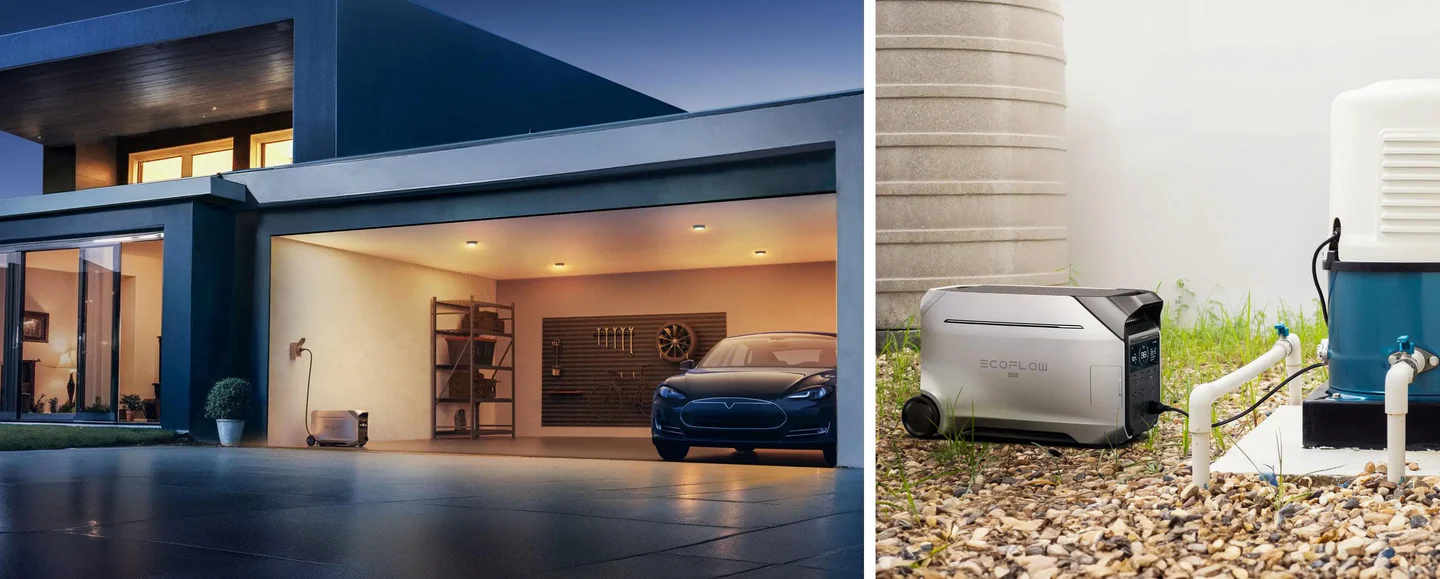
Delta Pro 3 vs Delta 3 Ultra at a Glance
If you’re short on time, here’s a quick overview of how these two flagship power stations compare.
| Feature | EcoFlow Delta Pro 3 | EcoFlow Delta 3 Ultra |
|---|---|---|
| Battery Chemistry | LiFePO₄ | LiFePO₄ |
| Base Battery Capacity | Larger capacity designed for whole-home backup | Modular expandable battery system |
| AC Output | High continuous output suitable for heavy appliances | High continuous output with an expandable ecosystem |
| Surge Output | Excellent for starting motors | Excellent for high-startup appliances |
| Solar Input | High-watt solar charging support | High-efficiency solar charging |
| AC Charging | Ultra-fast charging | Ultra-fast charging |
| Expandable Capacity | Multiple extra batteries supported | Highly modular expansion system |
| UPS Function | Yes | Yes |
| Smart App | EcoFlow App | EcoFlow App |
| Whole Home Backup | Excellent | Excellent |
| RV Use | Excellent | Excellent |
| Weight | Heavier | Slightly more modular |
| Best For | Long-duration backup and demanding users | Users wanting maximum flexibility and scalability |
| View Details | View Details |
Although both models share many similarities, they’re designed with slightly different priorities in mind.
Why Compare the Delta Pro 3 and Delta 3 Ultra?
EcoFlow has become one of the industry’s leading innovators in portable energy storage. Each new generation introduces meaningful improvements instead of minor cosmetic updates.
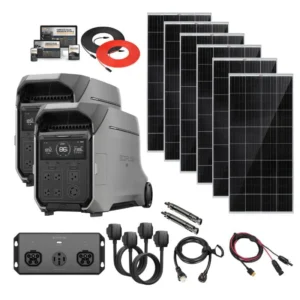
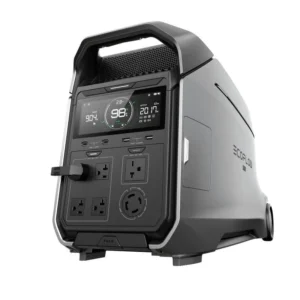
- The Delta Pro 3 focuses on delivering an all-in-one powerhouse capable of supporting large homes, workshops, RVs, and emergency preparedness.
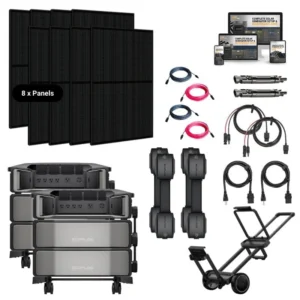
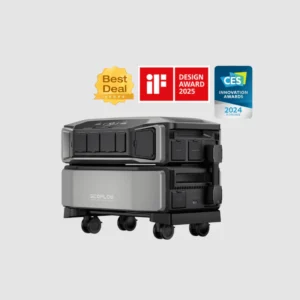
- Meanwhile, the Delta 3 Ultra emphasises flexibility through a highly modular design, allowing users to build a customised energy storage solution over time.
That difference alone can dramatically influence which model makes more sense for your situation.
1. Design and Build Quality
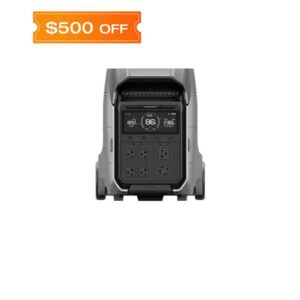
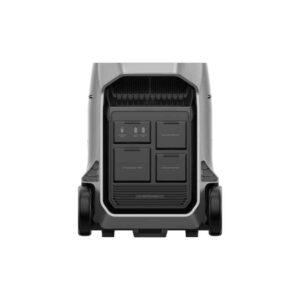
Both power stations showcase EcoFlow’s premium industrial design. The sturdy construction, reinforced handles, integrated wheels on larger configurations, and durable outer shells make them suitable for both indoor and outdoor environments.
The Delta Pro 3 continues EcoFlow’s tradition of rugged engineering with improved airflow, quieter cooling, and better internal component layout. The Delta 3 Ultra adopts a modular philosophy. Instead of focusing solely on a single large battery, it allows users to create an energy storage system that grows with their needs.
If portability matters, neither unit is lightweight. However, the modular nature of the Delta 3 Ultra can make transportation and installation more manageable depending on your configuration.
2. Battery Technology
One of the biggest reasons consumers trust EcoFlow products is the company’s use of modern LiFePO₄ (lithium iron phosphate) battery chemistry. Compared to traditional lithium-ion batteries, LiFePO₄ offers several important advantages:
- Longer lifespan
- Greater thermal stability
- Improved safety
- Better cycle durability
- Lower long-term ownership costs
Both models are engineered for thousands of charging cycles while maintaining a high percentage of their original battery capacity. That means you can expect years of dependable performance, even with frequent daily use.
3. Battery Capacity Explained
Battery capacity is often the first specification buyers examine—and for good reason. Think of battery capacity as the size of a fuel tank.
A larger battery allows you to:
- Power appliances longer
- Survive extended outages
- Reduce charging frequency
- Store more solar energy
The Delta Pro 3 ships with a substantial built-in capacity designed to support high-demand households from day one. The Delta 3 Ultra, however, shines through scalability. Users who anticipate increasing energy needs over time may appreciate its modular architecture, enabling gradual expansion without replacing the original system.
This makes the Delta 3 Ultra particularly attractive for homeowners planning future solar installations.
4. Power Output and Inverter Performance
Raw battery capacity is only part of the equation. Just as important is how much power the inverter can deliver. Both models are capable of running demanding household appliances, including:
- Refrigerators
- Freezers
- Air conditioners
- Washing machines
- Power tools
- Microwave ovens
- Coffee makers
- Electric grills
- Medical equipment
- Desktop computers
Their pure sine wave inverters ensure sensitive electronics receive clean, stable electricity comparable to utility power. Whether you’re running multiple appliances simultaneously or powering heavy startup loads, both systems perform exceptionally well.
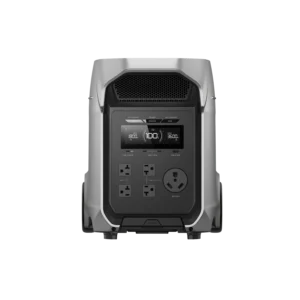
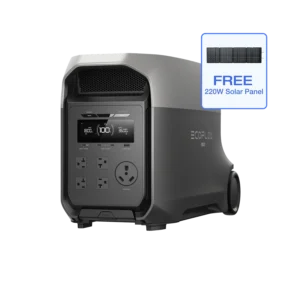
Delta Pro 3 vs Delta 3 Ultra: Can They Power an Entire Home?
This is perhaps the most common question buyers ask. The answer depends on your home’s electrical demand. If you’re looking to keep essential appliances running during outages—such as lighting, refrigeration, internet equipment, medical devices, and kitchen appliances—both units are excellent choices.
When integrated with EcoFlow’s home backup ecosystem, either system can provide automatic backup power within milliseconds. For users with larger homes or higher energy consumption, expandable battery options make both products capable of supporting longer outages.
Charging Speed: Faster Than Most Competitors
One area where EcoFlow consistently outperforms many competitors is charging speed. Traditional power stations often require six to twelve hours to recharge fully from an AC outlet. EcoFlow’s advanced charging technology dramatically reduces downtime.
Both the Delta Pro 3 and Delta 3 Ultra support:
- Fast AC charging
- Solar charging
- Vehicle charging
- Generator charging
- Hybrid charging combinations
This flexibility means you’re rarely limited to a single charging method. For off-grid users, solar charging remains one of the most appealing features, allowing virtually endless renewable energy when weather conditions cooperate.
Solar Charging Performance
For many buyers, solar compatibility is the deciding factor when comparing the Delta Pro 3 vs Delta 3 Ultra. Whether you’re preparing for extended power outages or building an off-grid energy system, efficient solar charging can dramatically reduce your reliance on the electrical grid.
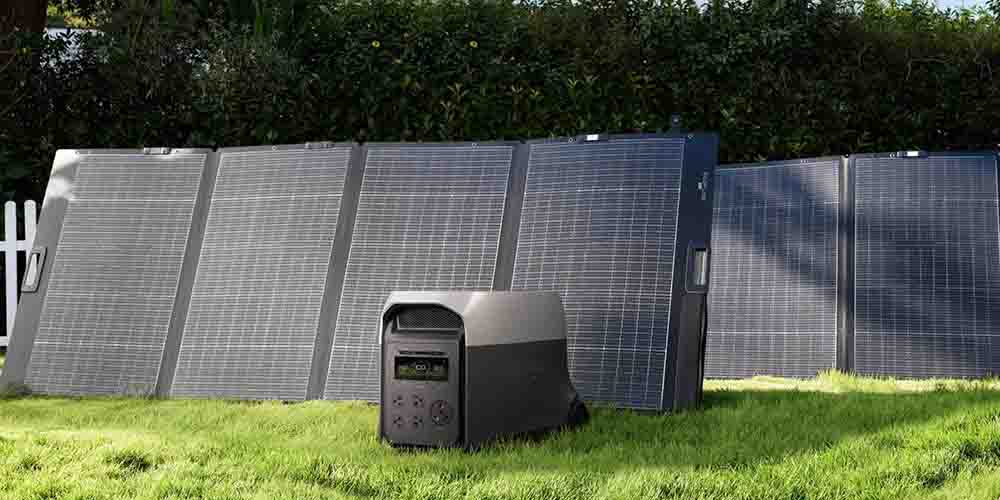
Both models support high-wattage solar input and feature advanced MPPT (Maximum Power Point Tracking) technology. This intelligent system continuously adjusts the charging process to capture the maximum amount of energy from connected solar panels, even when sunlight conditions change throughout the day.
1. Delta Pro 3 Solar Charging
The Delta Pro 3 is designed for users who want a powerful all-in-one solution. It accepts a substantial amount of solar input, allowing the battery to recharge quickly when paired with compatible solar panels. This makes it ideal for:
- Whole-home backup
- RV travel
- Remote cabins
- Construction sites
- Emergency preparedness
Its large battery capacity means you can collect significant amounts of solar energy during daylight hours and use that stored power overnight.
2. Delta 3 Ultra Solar Charging
The Delta 3 Ultra takes flexibility one step further. Because it’s built around a modular energy ecosystem, users can gradually expand both battery storage and solar generation as their energy needs grow. This makes the Delta 3 Ultra particularly attractive for homeowners planning to install larger rooftop solar arrays over time.
Winner: Tie. Both offer excellent solar charging capabilities, with the Delta Pro 3 focusing on immediate high performance and the Delta 3 Ultra emphasising long-term scalability.
Battery Expansion and Scalability
One of the biggest differences in this Delta Pro 3 vs Delta 3 Ultra comparison is how each system grows with your energy needs. Energy requirements rarely stay the same forever. Maybe you want to add an electric vehicle, purchase an RV, install more solar panels, or simply want longer backup during outages. That’s where expandability becomes essential.
1. Delta Pro 3 Expansion Options
The Delta Pro 3 supports additional batteries, allowing users to significantly increase total storage capacity without replacing the main unit. This approach works well for people who already know they’ll need a large amount of backup power from the beginning.
Benefits include:
- Simple expansion process
- Increased runtime
- Better home backup capability
- More stored solar energy
2. Delta 3 Ultra Expansion Options
The Delta 3 Ultra is designed with modularity at its core. Instead of treating expansion as an optional upgrade, EcoFlow built the system to grow naturally over time.
Advantages include:
- Highly customizable capacity
- Easier long-term upgrades
- Better scalability for solar systems
- Lower initial investment with room to expand later
If future-proofing matters, the Delta 3 Ultra has a slight advantage.
Uninterruptible Power Supply (UPS) Performance
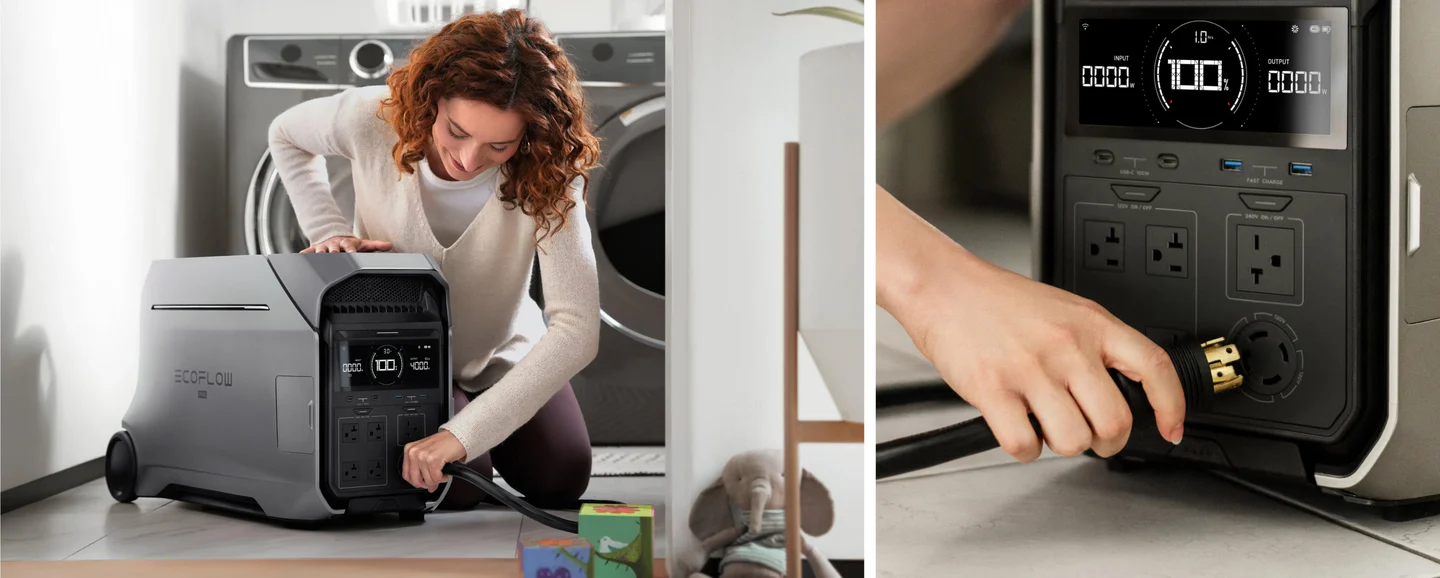
Power outages don’t always give you advance warning. Sometimes electricity disappears in the middle of important work, online meetings, gaming sessions, or medical equipment operation. Fortunately, both EcoFlow systems include UPS functionality. When grid power fails, they automatically switch to battery power within milliseconds.
That rapid transition helps prevent interruptions for devices such as:
- Desktop computers
- Wi-Fi routers
- NAS storage systems
- Security cameras
- CPAP machines
- Smart home hubs
For households that work remotely, UPS capability can be one of the most valuable features.
Smart App and Remote Monitoring
Modern portable power stations are no longer just giant batteries—they’re smart energy management systems. Both models connect to the EcoFlow mobile app, allowing users to monitor and control their power station from virtually anywhere.
Key app features include:
- Real-time battery percentage
- Input and output wattage
- Charging status
- Solar production
- Estimated runtime
- Firmware updates
- Charging schedules
- Remote power control
The interface is intuitive and beginner-friendly, making it easy to manage your energy usage even if you’ve never owned a portable power station before.
Output Ports and Connectivity
Another important consideration when comparing the Delta Pro 3 vs Delta 3 Ultra is the variety of available output ports. Both units are designed to power multiple devices simultaneously, making them suitable for everything from camping trips to whole-home emergency backup.
Typical output options include:
- AC outlets
- USB-A ports
- USB-C fast charging
- DC outputs
- Car charging socket
- Anderson port (depending on configuration)
This versatility means you can charge smartphones, laptops, drones, cameras, power tools, kitchen appliances, and even larger household equipment—all from a single power station. For users who rely on a mix of modern USB-C devices and traditional AC appliances, either model offers an excellent selection of ports.
Noise Levels During Operation
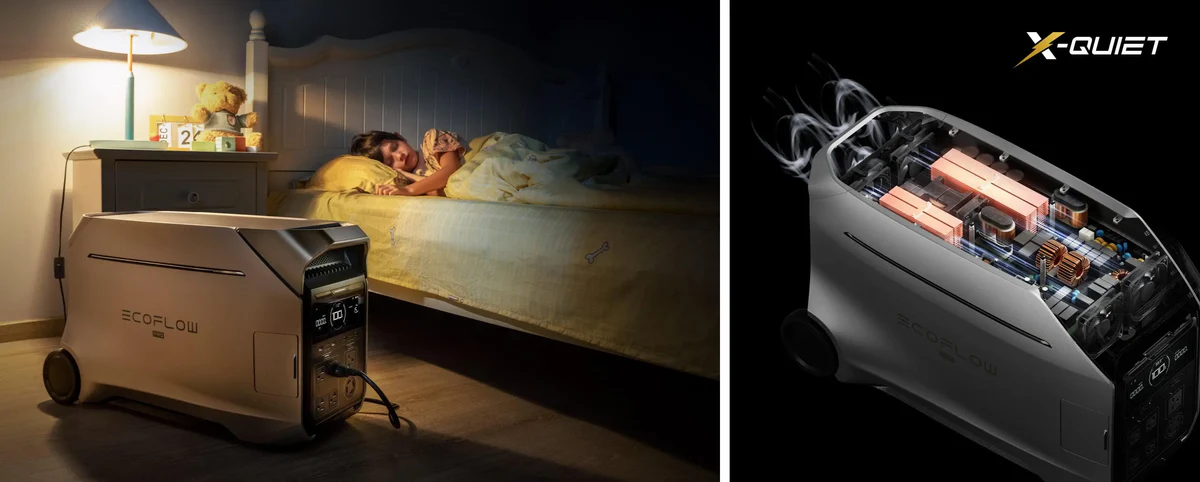
No one wants a backup power station that sounds like a gas generator. Thankfully, EcoFlow has significantly improved cooling efficiency in its latest products.
- Delta Pro 3: The Delta Pro 3 uses intelligent variable-speed cooling fans that remain relatively quiet during light and moderate loads. Fan speeds increase only when the system is under heavy demand or charging at maximum speed.
- Delta 3 Ultra: The Delta 3 Ultra benefits from optimised thermal management as well. Its modular architecture helps distribute heat efficiently, contributing to quieter operation under many everyday scenarios.
Both models are suitable for indoor use, home offices, bedrooms, and RVs without creating excessive noise.
Home Backup Integration
If your primary goal is protecting your home from unexpected blackouts, both power stations are excellent choices. When paired with EcoFlow’s compatible home backup accessories, they can automatically supply electricity to essential household circuits.
Common appliances supported include:
- Refrigerators
- Freezers
- Internet routers
- Lights
- Ceiling fans
- Televisions
- Medical equipment
- Kitchen appliances
For homeowners seeking longer backup durations, expandable battery options allow both systems to provide extended runtime during prolonged outages. The Delta Pro 3 is particularly well-suited for users who want substantial backup capacity right out of the box, while the Delta 3 Ultra offers more flexibility for those planning gradual system expansion.
Real-World Performance
Specifications tell only part of the story. What really matters is how these power stations perform in everyday situations.
- Camping: Both units can power portable refrigerators, induction cooktops, coffee makers, lights, and charging devices for extended trips. The Delta 3 Ultra’s modular design may be advantageous for users who tailor their setup based on trip length.
- RV Living: Reliable power is essential for RV enthusiasts. Either model can handle air conditioners (depending on startup requirements), microwaves, entertainment systems, and other onboard appliances.
- Home Emergencies: During outages, both systems provide dependable backup for essential household devices. Their fast UPS functionality and expandable battery options make them practical alternatives to traditional fuel-powered generators.
- Professional Use: Contractors, photographers, videographers, and event organisers can benefit from the high continuous output and multiple charging options offered by both models, ensuring equipment stays powered on job sites or remote locations.
Safety Features
Safety is one of EcoFlow’s strongest selling points. Both the Delta Pro 3 and Delta 3 Ultra include multiple layers of protection designed to safeguard both the user and connected devices.
Key safety features include:
- Battery Management System (BMS)
- Over-voltage protection
- Overcurrent protection
- Short-circuit protection
- Temperature monitoring
- Overload protection
- Low-voltage protection
- Automatic cooling management
Combined with durable LiFePO₄ battery chemistry, these protections contribute to long-term reliability and peace of mind.
Energy Efficiency and Long-Term Value
A premium portable power station is a long-term investment, so efficiency matters. Both models are engineered to minimise energy loss during charging and discharging, helping users get more usable power from each charging cycle.
The LiFePO4 batteries also offer thousands of charge cycles before experiencing significant capacity loss, reducing replacement costs over time. For homeowners investing in solar energy, this long lifespan enhances the overall return on investment.
Head-to-Head Specs Table: Delta Pro 3 vs Delta 3 Ultra
I know you love seeing numbers side by side, so here’s a crisp comparison to make the Delta Pro 3 vs Delta 3 Ultra differences pop.
| Feature | EcoFlow DELTA Pro 3 | EcoFlow DELTA 3 Ultra |
|---|---|---|
| Battery Capacity | 4,096 Wh (4 kWh) | 3,072 Wh (3 kWh) |
| Battery Chemistry | LiFePO₄ (LFP) | LiFePO₄ (LFP) |
| Battery Life | 4,000+ cycles to 80% | 4,000+ cycles to 80% |
| AC Output | 4,000W continuous | 3,600W continuous |
| Surge Power | Up to 8,000W | Up to 7,200W |
| X-Boost Output | Up to 8,000W (varies by region) | Up to 4,600W |
| Expandable Capacity | Up to 12 kWh with extra batteries | Base model: No expansion; Ultra Plus expands to 11 kWh. |
| Solar Input | Up to 2,600W | Up to 1,600W |
| AC Charging Speed | 0–80% in approximately 50–60 min | 0–80% in approximately 1.5 hours |
| UPS Switching | <10 ms | <10 ms |
| Voltage Support | 120V/240V split-phase | 120V only |
| Smart Home Integration | Yes | Limited (Ultra Plus adds more features) |
| Weight | ~51.5 kg (113.5 lb) | ~32.7 kg (72 lb) |
| Best For | Whole-home backup, large appliances, workshops, RVs | Camping, portable home backup, travel, smaller homes |
| Price Category | Premium | Mid-range |
| View Details | View Details |

Key Differences
| Category | Winner | Reason |
|---|---|---|
| Capacity | 🏆 DELTA Pro 3 | 33% more battery capacity (4,096Wh vs 3,072Wh) |
| Output Power | 🏆 DELTA Pro 3 | 4,000W output supports more demanding appliances. |
| Solar Charging | 🏆 DELTA Pro 3 | Up to 2,600W solar input for faster off-grid charging |
| Portability | 🏆 DELTA 3 Ultra | About 19 kg (42 lb) lighter and easier to move |
| Whole-Home Backup | 🏆 DELTA Pro 3 | Native 120V/240V support and larger expansion capability |
| Camping & RV | 🏆 DELTA 3 Ultra | Smaller, lighter, and easier to transport |
| Value | 🏆 DELTA 3 Ultra | Delivers strong performance at a lower price point |
Delta Pro 3 Pros and Cons
No portable power station is perfect for everyone. The right choice depends on your power needs, budget, and future plans. Here’s a balanced look at the strengths and limitations of the Delta Pro 3.
| Pros | Cons |
|---|---|
| Large built-in battery capacity for extended runtime | Higher upfront investment |
| Powerful inverter capable of running heavy appliances | Heavy to move without wheels |
| Excellent solar charging performance | May offer more capacity than casual users actually need |
| Fast AC charging with minimal downtime | |
| Long-lasting LiFePO4 battery chemistry | |
| Reliable UPS functionality for home backup | |
| Smart app with remote monitoring and control | |
| Supports battery expansion for longer backup | |
| Durable construction designed for indoor and outdoor use |
Best For: Homeowners, RV owners, emergency preparedness, professionals, and anyone seeking a powerful all-in-one backup solution.
Delta 3 Ultra Pros and Cons
The Delta 3 Ultra shares many premium features with the Delta Pro 3 but stands out thanks to its modular ecosystem.
| Pros | Cons |
|---|---|
| Highly expandable battery system | Expansion may increase the total system cost |
| Flexible configuration for changing energy needs | Modular setup may require more planning |
| Excellent compatibility with larger solar installations | Not every user needs maximum scalability |
| Premium LiFePO4 battery technology | |
| Fast charging through multiple methods | |
| Quiet operation under typical household loads | |
| Intelligent energy management via the EcoFlow app | |
| Great option for future home energy expansion | |
Best For: Users building a long-term home energy system, solar enthusiasts, and homeowners who want the flexibility to expand gradually.
Who Should Buy the Delta Pro 3?
The Delta Pro 3 is an excellent choice if you want substantial backup power immediately without building your system piece by piece. It’s especially well-suited for:
- Homeowners preparing for extended power outages
- Families needing reliable emergency backup
- RV travellers using multiple high-powered appliances
- Contractors powering tools on remote job sites
- Small businesses requiring dependable backup power
If you prefer a straightforward, high-capacity solution that performs exceptionally well right out of the box, the Delta Pro 3 is hard to beat.
Who Should Buy the Delta 3 Ultra?
The Delta 3 Ultra shines when flexibility and long-term growth are priorities. It may be the better choice if you:
- Plan to expand your solar energy system
- Want to increase battery capacity over time
- Prefer a modular approach to energy storage
- Expect your household energy demands to grow
- Value future-proofing over maximum initial capacity
Instead of purchasing more power than you currently need, the Delta 3 Ultra allows you to build your system gradually.
Delta Pro 3 vs Delta 3 Ultra: Which Offers Better Value?
Value isn’t simply about the purchase price—it’s about what you receive for your investment over the years. The Delta Pro 3 delivers outstanding value for users who need significant backup power immediately. Its larger built-in capacity means fewer upgrades and a ready-to-use solution for demanding applications.
The Delta 3 Ultra, however, offers exceptional long-term value for buyers who appreciate flexibility. Its modular design allows you to expand storage as your budget or energy needs increase, making it a practical option for evolving home energy systems.
Ultimately, the better value depends on how you intend to use your power station.
Final Verdict: Delta Pro 3 vs Delta 3 Ultra
When comparing the Delta Pro 3 vs Delta 3 Ultra, it’s clear that EcoFlow has created two outstanding premium power stations designed for different types of users.
Choose the Delta Pro 3 if you want:
- A high-capacity all-in-one solution
- Excellent performance from day one
- Reliable whole-home backup
- Minimal setup and straightforward operation
Choose the Delta 3 Ultra if you want:
- Maximum expandability
- A modular home energy system
- Greater flexibility for future upgrades
- A scalable solution that grows with your energy needs
Either option provides fast charging, dependable LiFePO₄ battery technology, robust solar compatibility, intelligent app controls, and excellent reliability. For buyers focused on immediate high-performance backup, the Delta Pro 3 is an outstanding choice. For those planning a long-term energy ecosystem with gradual expansion, the Delta 3 Ultra has the edge.
Conclusion
The decision between the Delta Pro 3 vs Delta 3 Ultra comes down to your energy goals rather than which model is objectively “better”. Both represent the latest advancements in portable power technology, offering fast charging, durable LiFePO₄ batteries, intelligent energy management, and reliable performance for home backup, RV adventures, off-grid living, and emergency preparedness.
If you want a ready-to-use powerhouse with substantial capacity from the start, the Delta Pro 3 is likely the better fit. On the other hand, if you value flexibility and expect your energy needs to grow over time, the Delta 3 Ultra’s modular architecture makes it a compelling long-term investment.
Whichever model you choose, you’ll be investing in one of the most capable portable power stations available in 2026.
FAQs About EcoFlow Delta
Both models offer high continuous output suitable for demanding appliances. The primary difference lies in their design philosophy: the Delta Pro 3 emphasizes large out-of-the-box capacity, while the Delta 3 Ultra focuses on modular expansion and flexibility.
Both are excellent for home backup. The Delta Pro 3 is ideal if you need substantial backup capacity immediately, while the Delta 3 Ultra is better if you plan to expand your system over time.
Yes. Both the Delta Pro 3 and Delta 3 Ultra support high-wattage solar charging and use MPPT technology to maximize energy collection from compatible solar panels.
Yes. Both units use LiFePO4 battery chemistry and include advanced Battery Management Systems (BMS), making them safe for indoor use when operated according to EcoFlow's guidelines.
If you want maximum performance immediately, the Delta Pro 3 offers exceptional value. If your priority is scalability and building a future-ready energy system, the Delta 3 Ultra is the stronger long-term investment.
You Might Also Like