

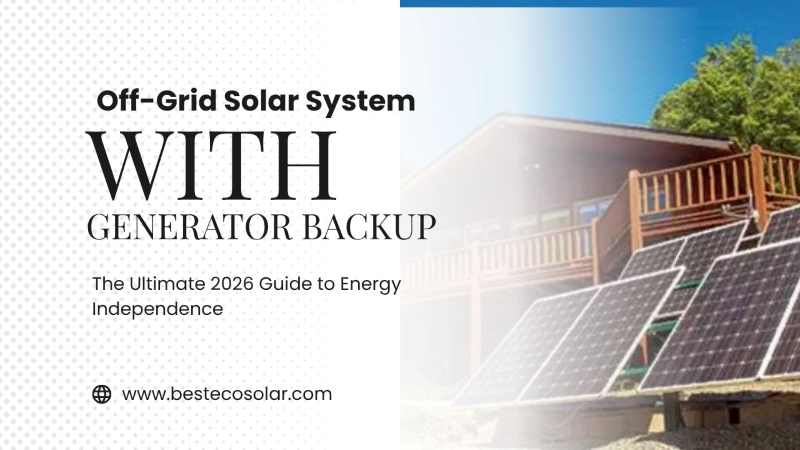
Off-Grid Solar System with Generator Backup: The Ultimate 2026 Guide to Energy Independence
If you’ve been tossing and turning over the same questions, you’re in the right place. I’m going to walk you through everything I’ve learned about building, sizing, and maintaining an off-grid solar setup with backup generator support. No fluff. No jargon overload. Just the real talk you need to make a confident decision.
What Exactly Is an Off-Grid Solar System with Generator Backup?
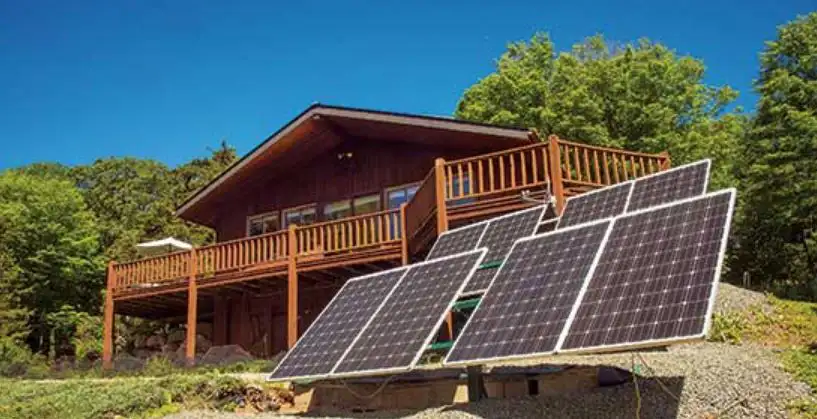
Think of an off-grid solar system with generator backup as your personal power plant. You’ve got solar panels soaking up sunlight, batteries storing that energy, and an inverter converting it into usable electricity for your home. But here’s the kicker: when the weather turns ugly or your energy demand spikes beyond what the sun can provide, a backup generator kicks in to fill the gap.
Unlike grid-tied systems that lean on the utility company as their safety net, this hybrid off-grid solar generator system makes YOU the utility company. The generator isn’t the star of the show—it’s the understudy waiting in the wings, ready to perform only when the lead actor (the sun) calls in sick.
In 2026, with solar panel efficiency pushing past 23% and lithium iron phosphate (LiFePO4) batteries lasting over 6,000 cycles, an off-grid solar power system with generator backup has never been more reliable or affordable.
Why You Absolutely Need a Generator Backup for Your Off-Grid Solar Setup
Let me paint a picture. It’s December in Montana. You’ve had five overcast days. Your battery bank is sitting at 15% capacity. Your kids need heat, your fridge needs power, and your well pump isn’t going to run itself. Without a backup, you’re in trouble.
A solar generator backup system solves this exact nightmare. Here’s why it matters:
- Weather unpredictability: Solar panels need sunlight. Period. Clouds, snow cover, and shorter winter days slash your production.
- Peak demand surges: Running a washing machine, space heater, and oven simultaneously can drain batteries faster than panels can replenish them.
- Battery longevity protection: Deep-discharging batteries repeatedly kills them. A generator prevents you from hitting that dangerous 0% mark.
- Peace of mind: Knowing you’ve got a fallback means you actually enjoy off-grid living instead of stressing over every kilowatt-hour.
I’ve talked to dozens of off-gridders over the years, and the ones who skipped the generator backup almost always regret it within the first winter. Don’t be that person.
Key Components of an Off-Grid Solar and Generator Combo
Building an off-grid solar installation with generator backup isn’t just slapping panels on a roof and calling it a day. You need a well-orchestrated team of components working together. Let me break down the lineup.
Solar Panels and Charge Controllers
Your solar panels are the front door where energy enters your system. For a typical off-grid solar system with generator backup powering a 2,000-square-foot home, you’re looking at roughly 6 to 10 kW of panels. Monocrystalline panels dominate the 2025 market thanks to their superior efficiency in low-light conditions.
The charge controller (go MPPT, not PWM—trust me on this) regulates the voltage coming from the panels before it hits your batteries. It’s like a traffic cop, making sure nothing crashes into your battery bank at the wrong speed.
Battery Bank: The Beating Heart of Your System
If panels are the front door, batteries are the living room where energy hangs out until you need it. LiFePO₄ batteries have become the gold standard for any solar-powered off-grid system with generator backup. They’re lighter, last longer, and handle deeper discharge cycles than their lead-acid ancestors.
For a comfortable off-grid life, aim for 2 to 3 days of autonomy in your battery bank. That means enough stored energy to run your home for 48 to 72 hours without any solar input or generator help.
The Generator: Your Reliable Safety Net
Here’s where the “generator backup” part of the equation shines. You’ve got options:
- Propane generators: Clean-burning, long shelf life for fuel, quieter operation.
- Diesel generators: Fuel-efficient, built for heavy loads, and ideal for larger off-grid solar and generator combo setups.
- Inverter generators: Compact, fuel-efficient, perfect for topping off batteries rather than running the whole house.
The generator connects to your system through an automatic transfer switch or a battery charger, meaning it can recharge your bank without you lifting a finger.
Inverters, Wiring, and Balance of System
The inverter converts DC battery power into AC power your appliances actually use. For an off-grid solar system with generator backup, a hybrid inverter that handles solar input, battery management, and generator integration simultaneously is your best friend. Add proper wiring, breakers, fuses, and a grounding system, and you’ve got a complete setup.

How Does an Off-Grid Solar System Actually Work?
The daily dance goes something like this:
- Sunrise: Panels start producing. The charge controller feeds energy to the batteries and powers daytime loads.
- Peak sun hours: Excess energy fills the battery bank.
- Evening and night: Batteries take over. The inverter draws from stored energy to keep lights on and appliances running.
- Low battery alert: If batteries dip below a set threshold (usually 50-60% for lithium), the system signals the generator.
- Generator kicks in: It recharges the batteries and/or powers critical loads directly until batteries hit a comfortable level.
- Generator shuts off: The system returns to solar and battery operation.
It’s seamless. It’s automatic. And honestly? It’s kind of beautiful once you see it running.
Sizing Your Off-Grid Solar System with Generator Backup Correctly
Getting the size wrong is the number one mistake I see people make. Too small, and you’re running the generator daily (defeating the purpose). Too big, and you’ve burned through your budget unnecessarily.
Here’s my simple framework:
- Calculate your daily kWh usage. Add up every appliance, light, and device. Most off-grid homes use between 10 and 30 kWh per day.
- Size your solar array. Divide daily usage by your area’s peak sun hours (check the NREL database). Add a 25-30% buffer for losses.
- Size your battery bank. Multiply daily usage by desired days of autonomy. Convert to amp-hours based on system voltage.
- Size your generator. It should handle your surge loads and recharge batteries within 4-6 hours. Typically, 3 kW to 7 kW covers most off-grid solar battery and generator system needs.
When in doubt, consult a certified installer. I learned this the hard way after undersizing my first system by 20%.
Off-Grid Solar System with Generator Backup vs. Grid-Tied Systems: A Comparison
Still on the fence? Let me lay it out for you in plain terms.
| Feature | Off-Grid Solar with Generator Backup | Grid-Tied Solar System |
|---|---|---|
| Energy Independence | 100% self-sufficient | Dependent on utility grid |
| Backup During Outages | Yes (generator + batteries) | No (unless battery add-on installed) |
| Upfront Cost (2025 avg.) | $25,000 – $55,000+ | $15,000 – $30,000 |
| Monthly Utility Bill | $0 | Reduced but not eliminated |
| Maintenance | Panels, batteries, generator | Panels + occasional inverter |
| Best For | Remote cabins, rural homes, energy freedom seekers | Urban/suburban homes with grid access |
| ROI Timeline | 8–14 years | 6–10 years |
| Fuel Cost | Occasional propane/diesel for generator | Grid electricity rates |
If you crave total freedom and live where grid connection costs $30,000+ just for the hookup, the off-grid solar system with generator backup wins by a landslide.
Benefits of Going Off-Grid with Solar and Generator Backup
Why do people do this? I’ll tell you why I did it.
- No more utility bills. Ever. That monthly $200-$400 expense just vanishes.
- Immunity to grid outages. While neighbors scramble during storms, you’re sipping coffee in a warm, lit house.
- Increased property value. Off-grid capable homes are in growing demand.
- Environmental impact. You slash your carbon footprint dramatically, even accounting for occasional generator use.
- Energy price protection. Grid rates climbed 8% on average in 2024. Your solar system doesn’t care about inflation.
There’s also a psychological benefit that’s hard to quantify. Knowing your power comes from the sun above your roof? That’s a quiet, powerful kind of freedom.
Best Off-Grid Solar System for Home Use in 2026
The “best” system depends on your climate, household size, and budget. That said, here are configurations I’d recommend:
- Small cabin (1-2 people): 4 kW solar, 10 kWh LiFePO4 battery, 3 kW inverter generator. Budget: ~$18,000-$25,000.
- Family home (3-5 people): 8 kW solar, 20-30 kWh battery bank, 5 kW inverter, 5 kW propane generator. Budget: ~$35,000-$50,000.
- Large homestead or workshop: 12+ kW solar, 40+ kWh batteries, 8 kW hybrid inverter, 7 kW diesel generator. Budget: $50,000-$75,000.
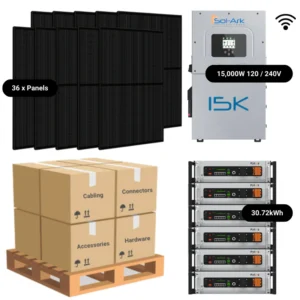
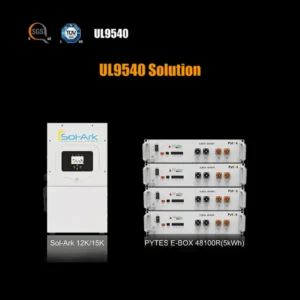
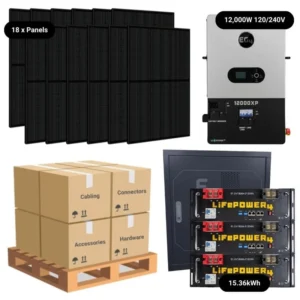
Brands like Victron Energy, EG4, Sol-Ark, and Generac dominate the 2025 off-grid solar setup with backup generator market for good reason—reliability and solid warranties.
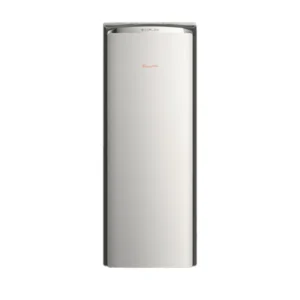
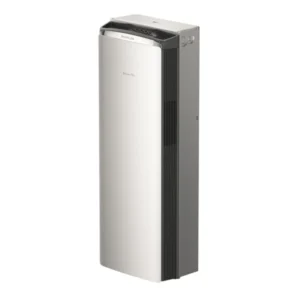
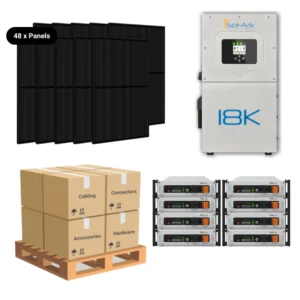
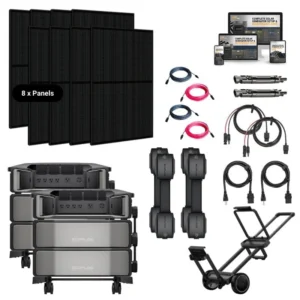
Complete Off-Grid Solar System Package Supplier
| Name | Price Range | Discount |
|---|---|---|
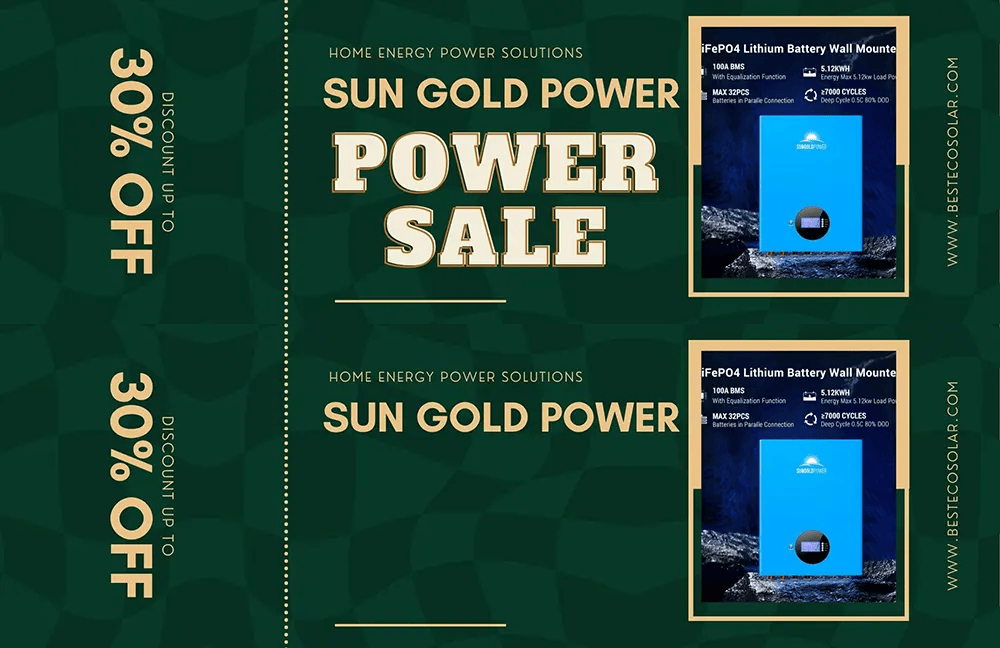
| Sun Gold Power | $5,774 – $31,853.00 | 👉 Get Special Offers |
| Rich Solar | $7,999 – $21,599.99 | 👉 Get Special Offers |
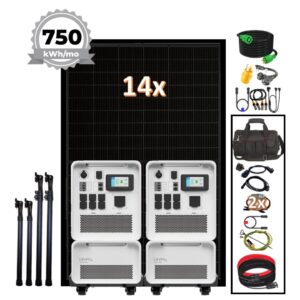
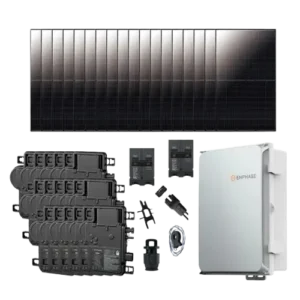
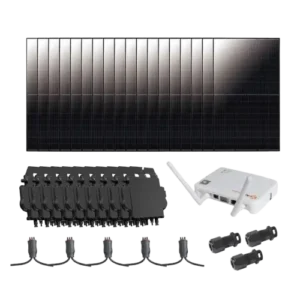
| ShopSolarKits | $2,539 – $149,989.99 | 👉 Get Special Offers |
Off-Grid Solar System with Generator Backup Cost Breakdown
Let’s talk dollars. Here’s where your money goes in a typical 8 kW residential system:
- Solar panels (8 kW): $8,000 – $12,000
- LiFePO4 battery bank (20 kWh): $8,000 – $14,000
- Hybrid inverter and charge controller: $3,000 – $5,500
- Backup generator (5 kW propane): $2,500 – $5,000
- Wiring, mounting, breakers, misc: $2,000 – $4,000
- Professional installation (if not DIY): $5,000 – $10,000
Total: roughly $28,500 – $50,500 before any state incentives or the 30% federal solar tax credit (which still applies in 2026).
Yes, it’s a chunk of change. But do the math against 25 years of utility bills, and the off-grid solar system with generator backup pays for itself—then keeps paying you back.
How to Set Up an Off-Grid Solar System with Generator Backup: Step-by-Step
Ready to pull the trigger? Here’s your roadmap:
- Audit your energy needs. Track usage for 30 days if possible.
- Design the system. Use tools like PVWatts or hire a designer.
- Secure permits. Most counties require electrical and building permits.
- Install mounting hardware and panels. South-facing, tilted to your latitude.
- Wire the charge controller and battery bank. Follow NEC codes religiously.
- Install the hybrid inverter. This is the brain connecting everything.
- Set up the generator and transfer switch. Place the generator outdoors with proper ventilation.
- Program your thresholds. Set the generator auto-start at 50% battery, auto-stop at 85%.
- Test everything. Simulate a cloudy day. Pull the plug. Make sure the generator fires up.
- Monitor and tweak. Use your system’s app to fine-tune performance over the first few weeks.
If you’re not comfortable with high-voltage wiring, hire a licensed electrician for steps 5 through 8. Seriously. Electricity doesn’t forgive mistakes.
Common Mistakes to Avoid with Your Solar Generator Backup System
I’ve seen (and made) my share of blunders. Learn from them:
- Undersizing the battery bank. Two days of autonomy is the bare minimum. Three is better.
- Ignoring generator ventilation. Carbon monoxide kills. Period.
- Skipping the transfer switch. Backfeeding can fry your inverter or injure a lineman.
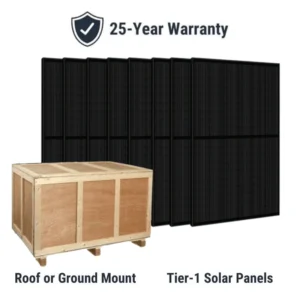
- Buying cheap panels. You get what you pay for. A 25-year warranty means nothing if the company vanishes in year three.
- Forgetting future expansion. Wire your system so you can add panels or batteries later without ripping everything apart.
Maintenance Tips for Your Off-Grid Solar Installation
Your system isn’t “set it and forget it.” A little TLC goes a long way:
- Panels: Clean every 3-6 months (more often in dusty areas). Inspect for cracks or hot spots annually.
- Batteries: Check terminal connections quarterly. Monitor cell balance through your BMS app.
- Generator: Run it under load for 30 minutes monthly. Change oil every 100 hours or annually. Replace spark plugs and air filters per manufacturer schedule.
- Inverter and wiring: Inspect for corrosion, loose connections, and unusual heat once or twice a year.
- Charge controller: Update firmware when available. Verify settings seasonally (winter and summer profiles differ).
Treat your off-grid solar and generator combo like a car. Regular maintenance prevents expensive breakdowns.
Is an Off-Grid Solar System Right for You?
Here’s the honest truth: this setup isn’t for everyone. If you live in a city with cheap grid power and no outage issues, a grid-tied system makes more financial sense.
But if you’re in a rural area, you value self-reliance, you’re tired of rising utility rates, or you simply want the security of knowing your lights will never go out because of someone else’s infrastructure failure—then yes, an off-grid solar system with generator backup is your move.
It’s not just a power system. It’s a lifestyle choice. A declaration that you’re taking control of one of life’s most fundamental needs.
Conclusion
Building an off-grid solar system with generator backup isn’t just a home improvement project—it’s a leap toward genuine independence. Yes, it demands planning, investment, and a willingness to learn. But the reward? Waking up every morning knowing the sun powers your life, with a trusty generator whispering, “I’ve got your back if you need me.”
After years of living this way, I can tell you: the peace of mind is worth every dollar and every hour spent wiring, troubleshooting, and tuning. The technology in 2025 makes it easier, cheaper, and more reliable than ever before. So if you’ve been standing on the edge, staring into the off-grid unknown—jump. Build your system. Size it right. Add that generator backup. And never look back.
Your future self, sitting in a warm, fully powered home while the grid flickers and fails around you, will thank you.
FAQs
For a typical family home, expect to invest between $28,000 and $55,000 before incentives. The 30% federal tax credit can shave $8,000–$16,000 off that number. Smaller cabin setups start around $18,000, while large homestead systems can exceed $75,000. Costs continue to drop as battery and panel prices fall.
Absolutely—if you size it correctly. The key is matching your solar array and battery bank to your actual consumption. Most well-designed systems handle everything from refrigerators to washing machines. The generator backup ensures you never run dry during extended cloudy stretches or high-demand periods.
In most sunny climates, you might fire the generator only 5 to 15 times per year, usually during multi-day storms or deep winter. In cloudier regions, expect 30 to 50 starts annually. Proper battery sizing minimizes generator dependence significantly.
Inverter generators running on propane are the most popular choice for residential off-grid solar systems with generator backup. They're quieter, produce clean power safe for electronics, and propane stores indefinitely without degrading. For larger properties or heavy loads, a standby diesel generator offers more grunt and fuel efficiency.
Almost always, yes. Most jurisdictions require electrical permits, building permits for panel mounting, and sometimes mechanical permits for generator placement. Check with your local building department before breaking ground. Skipping permits can void insurance and create headaches if you ever sell the property.
You Might Also Like