Off-Grid Solar System Components: The Complete Beginner-to-Pro Breakdown
Maybe you’re tired of utility bills that climb every summer, or maybe your cabin in the woods doesn’t even have a power line running to it. Either way, you’ve landed in the right spot. Understanding off grid solar system components isn’t just for engineers in lab coats — it’s for regular folks like you and me who want to keep the lights on without depending on “the grid.”
Off-Grid Solar System Component – Here’s the thing: an off-grid solar system is not one single gadget you buy off a shelf. It’s a small ecosystem of off-grid solar system components, each doing its own job, working together like a band where every instrument matters. Miss one piece, and the whole song falls apart.
Let’s walk through every single component you’ll need, why it matters, and how to pick the right off-grid solar equipment without getting ripped off or overwhelmed.
What Exactly Is an Off-Grid Solar System?
Before we dive into individual off-grid solar system components, let’s set the stage. An off-grid solar system is a self-contained power setup that generates, stores, and distributes electricity completely independent of your local utility company. No power lines, no monthly bill, no blackout when a storm knocks down a transformer three towns over.
Think of it like a self-sufficient farm instead of buying groceries every week — you’re growing (generating), storing (in a pantry), and cooking (using) your own energy on your own schedule, all thanks to a well-matched set of off-grid solar system components working in harmony.
Why Understanding Off-Grid Solar Component Matters
Why bother learning the nitty-gritty of off-grid solar system components instead of just hiring someone to handle it? Simple: knowledge is leverage. When you understand what each off-grid solar component actually does, you can spot a bad deal, avoid an oversized (or undersized) quote, and troubleshoot problems yourself instead of waiting days for a technician. Isn’t that worth an afternoon of reading?
1. Solar Panels: The Foundation of Every Off-Grid Setup
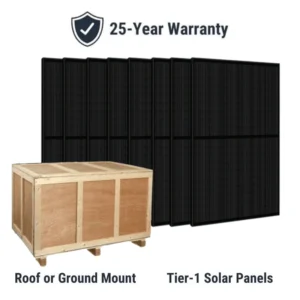
You can’t talk about components of an off-grid solar system without starting with the panels themselves. These are the workhorses that catch sunlight and convert it into usable electricity through the photovoltaic effect, and they’re often the first off-grid solar system component people picture when they hear “solar.”
Monocrystalline vs Polycrystalline Panels
Monocrystalline panels are the sleek, dark-colored ones. They’re more efficient (often 20%+ efficiency) and perform better in low-light conditions, but they cost a bit more upfront. Polycrystalline panels are the budget-friendly cousin — slightly less efficient, a bit bluer in color, but still perfectly capable for most cabins, RVs, or small homes running basic off-grid solar equipment.
How Many Solar Panels Do You Actually Need?
This depends entirely on your daily energy consumption and your local sun hours. A rough rule of thumb: if you use 10 kWh a day and get 5 peak sun hours, you’ll need roughly 2,000 watts of panel capacity, accounting for system losses. Don’t just eyeball this — run the math or get a solar calculator involved before buying any off-grid solar system components in bulk.
2. Charge Controllers: The Traffic Cop of Your Off-Grid Solar Components
Solar panels produce fluctuating voltage depending on sunlight intensity, and if you fed that raw power straight into your batteries, you’d fry them within weeks. That’s where charge controllers step in as one of the most critical off-grid solar system components in the entire lineup.
PWM vs MPPT Charge Controllers
PWM (Pulse Width Modulation) controllers are cheaper and simpler, but they’re less efficient, especially in cold weather or with higher voltage panel arrays. MPPT (Maximum Power Point Tracking) controllers, on the other hand, squeeze out an extra 20-30% more power from the same panels by constantly adjusting to find the optimal voltage and current combination.
For anything beyond a small weekend cabin, MPPT is almost always the smarter off-grid solar system component to invest in.
3. Battery Banks: Where the Sun’s Energy Goes to Rest
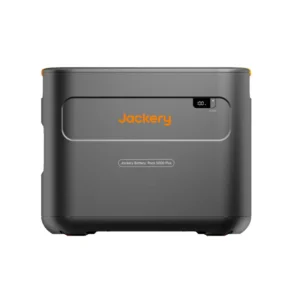
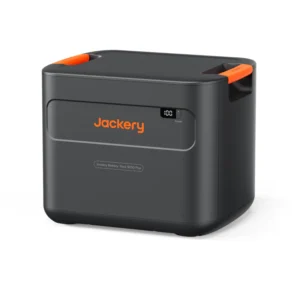
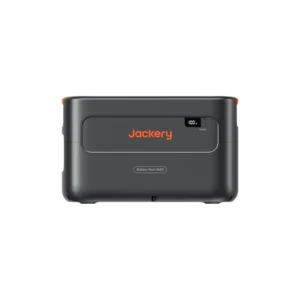
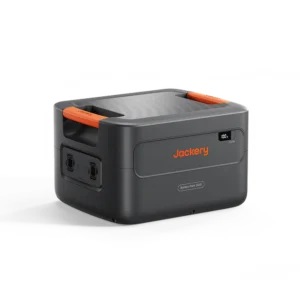
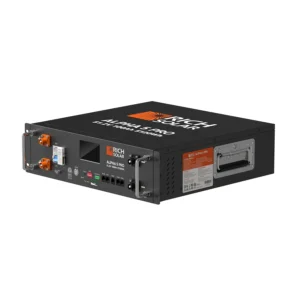
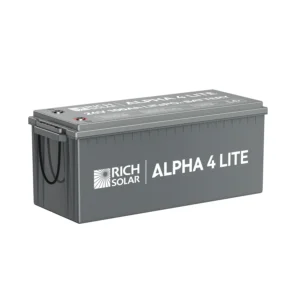
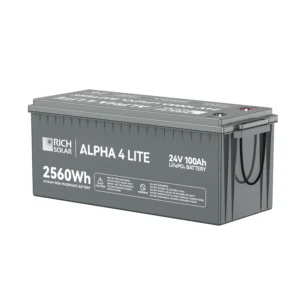
If solar panels are the farmers harvesting energy, batteries are the grain silo, and arguably the most expensive of all the off-grid solar system components you’ll buy. Without proper storage, you’d only have power when the sun’s actually shining — pretty useless once it sets.
Lithium (LiFePO4) vs Lead-Acid Batteries
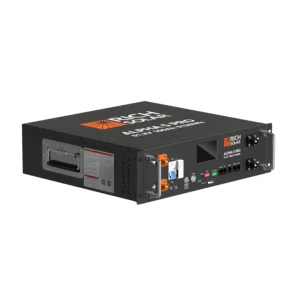
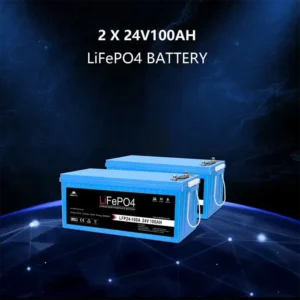
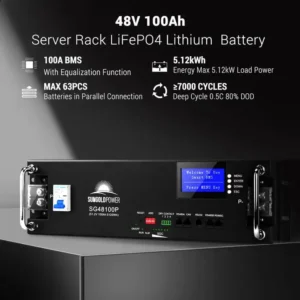
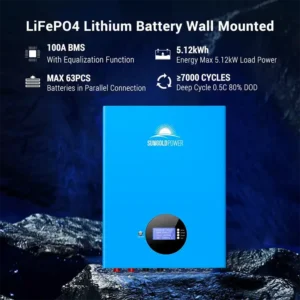
Lead-acid batteries (flooded or AGM) used to be the standard, and they’re still cheaper per unit initially. But lithium iron phosphate (LiFePO4) batteries have become the go-to choice for most new off-grid installs because they last 2-4 times longer, tolerate deeper discharges, weigh less, and require virtually zero maintenance.
As far as off-grid solar system components go, this is usually where people spend the biggest chunk of their budget.
Sizing Your Battery Bank Correctly
A common mistake people make is undersizing their battery bank to save money upfront, then regretting it during a cloudy week. As a general guideline, you want enough capacity to cover at least 2-3 days of autonomy without any sun input, especially if you live somewhere with unpredictable weather patterns. Getting this off-grid solar system component right will save you years of frustration.
4. Inverters: Turning DC Into Something Your Appliances Understand
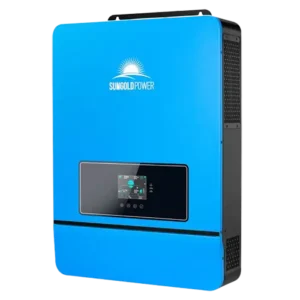
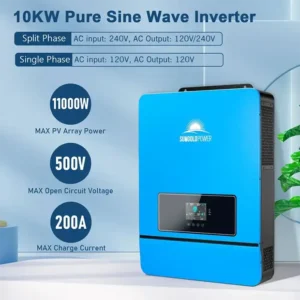
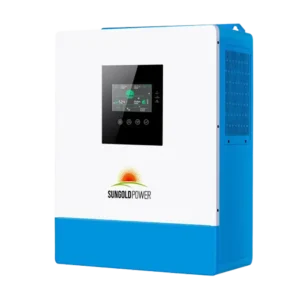
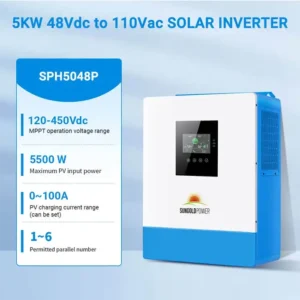
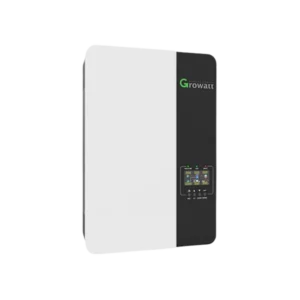
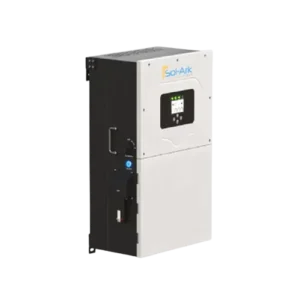
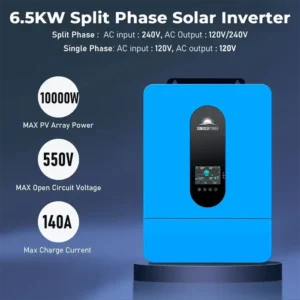
Solar panels and batteries produce direct current (DC), but most household appliances run on alternating current (AC). That conversion job falls to the inverter — arguably one of the most misunderstood off-grid solar system components out there.
Pure Sine Wave vs Modified Sine Wave Inverters
Pure sine wave inverters produce clean, smooth power that mimics what you’d get from the actual utility grid. Modified sine wave inverters are cheaper but can cause issues (buzzing, overheating, or outright failure) with sensitive electronics like medical devices, laptops, or variable-speed motors.
If you’re running anything more sophisticated than a basic light bulb, spring for pure sine wave — it’s the off-grid solar system component that determines whether your appliances actually run smoothly.

5. Racking and Mounting Systems: The Unsung Heroes of Off-Grid Solar Equipment
Nobody gets excited talking about mounting brackets, but ask anyone whose panels blew off in a windstorm how important this off-grid solar system component really is. Racking systems secure your panels to your roof, a ground mount, or a pole mount, and they need to be rated for your local wind and snow loads.
6. Wiring, Fuses, and Combiner Boxes
This is the circulatory system of your off-grid setup, and honestly one of the most overlooked off-grid solar system components on this whole list. Undersized wiring causes voltage drop and can be a genuine fire hazard. Combiner boxes bring multiple panel strings together safely, while fuses and breakers protect every stage of the system from overcurrent situations. It’s not glamorous, but skimping on these off-grid solar components is where DIY installs go sideways fast.
7. System Monitoring: Keeping an Eye on Your Energy Diet
Modern off-grid setups usually include some kind of monitoring shunt or Bluetooth/WiFi module so you can track battery state of charge, daily production, and consumption from your phone. Think of it as the dashboard in your car — you wouldn’t drive blind, so why run your off-grid solar system components blind?
8. Backup Generators: Your Insurance Policy for Off-Grid Solar Power
Even the best-designed system can run short during an extended cloudy stretch in winter. That’s why many off-grid households pair their solar array with a backup generator (propane, gasoline, or diesel) as a supplemental charging source. It’s not cheating — it’s just smart redundancy for a system built from otherwise solid off-grid solar system components.
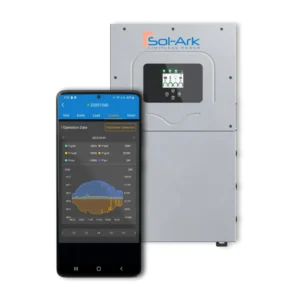
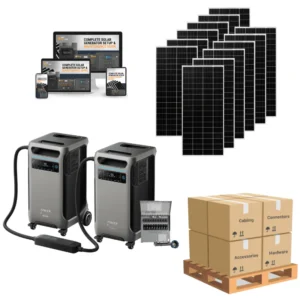
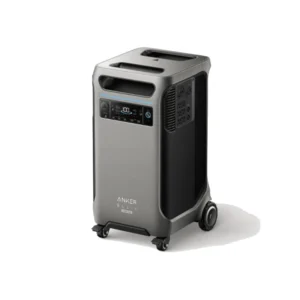
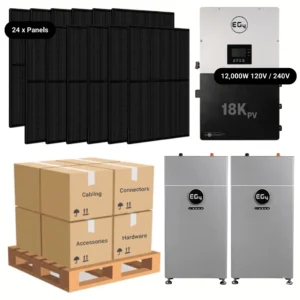
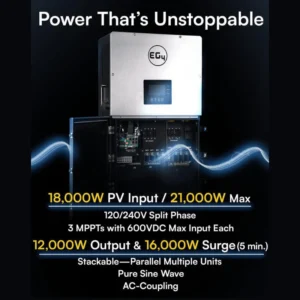
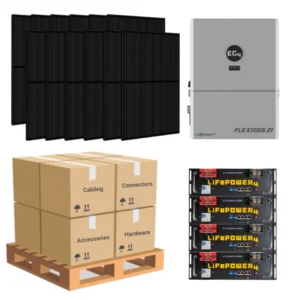
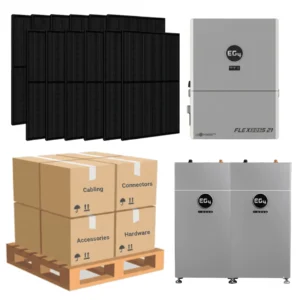
Off-Grid Solar System Components Comparison Table
| Component | Primary Function | Budget Option | Premium Option | Typical Lifespan |
|---|---|---|---|---|
| Solar Panels | Convert sunlight to DC electricity | Polycrystalline | Monocrystalline | 25-30 years |
| Charge Controller | Regulate power to batteries | PWM | MPPT | 10-15 years |
| Battery Bank | Store energy for later use | Lead-Acid AGM | LiFePO4 Lithium | 5-8 yrs (lead) / 10-15 yrs (lithium) |
| Inverter | Convert DC to AC power | Modified Sine Wave | Pure Sine Wave | 8-12 years |
| Racking/Mounting | Physically secure panels | Basic roof mount | Adjustable ground mount | 20-25 years |
| Wiring & Combiner Box | Connect and protect the system | Standard copper wiring | Fire-rated, oversized wiring | 20-25 years |
| Monitoring System | Track performance and battery health | Basic display | App-based remote monitoring | 10+ years |
| Backup Generator | Supplemental power source | Gasoline generator | Propane/diesel dual-fuel | 10-15 years |
How All These Off-Grid Solar System Components Work Together
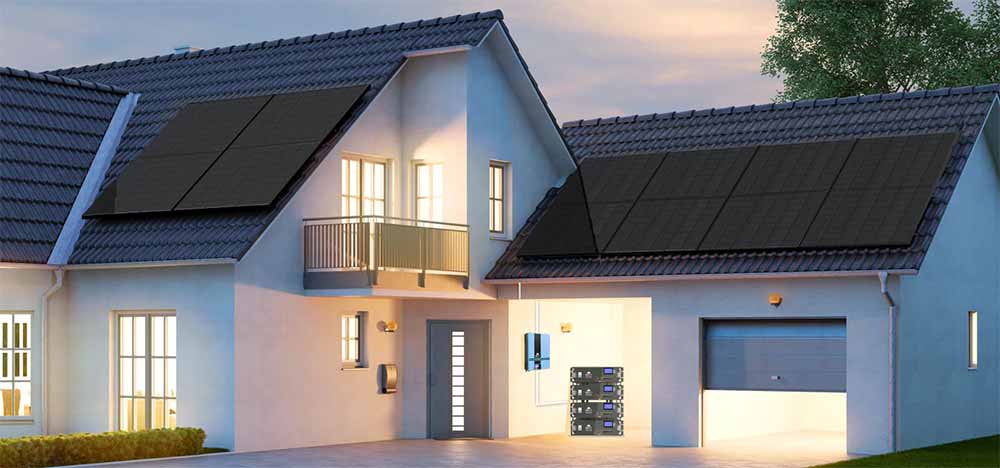
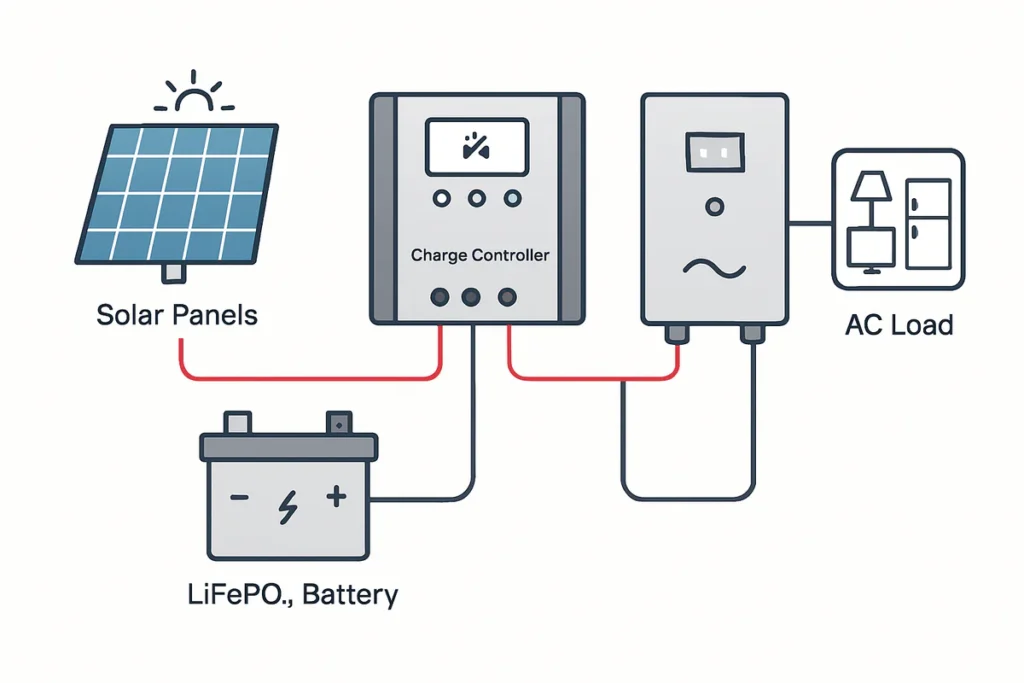
Picture a relay race. The sun hands the baton to the solar panels. The panels pass it to the charge controller, which makes sure nobody trips while running. The controller hands it to the batteries, who hold onto it patiently.
Finally, the inverter takes that stored energy and delivers it to your outlets in a form your fridge, laptop, or power tools can actually use. Every leg of that race matters — a weak link among your off-grid solar system components slows the whole team down.
Sizing Your Off-Grid Solar System Components the Right Way
Here’s a question worth asking yourself honestly: how much power do you really use in a day? Grab your appliance wattages, multiply by hours of use, and add it all up. This number drives every other decision — panel wattage, battery capacity, and inverter size.
Skipping this step is like packing for a trip without checking the weather forecast first, and it’s the single biggest factor in choosing the right off-grid solar system components for your situation.
Off-Grid Solar System Components for RVs, Vans, and Cabins
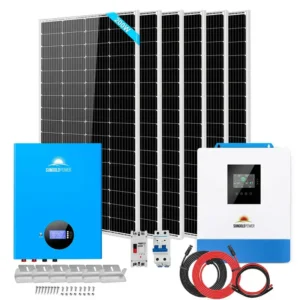
Not every off-grid setup looks the same. A weekend cabin might get away with a modest 1,000-watt array and a single lithium battery, while a full-time RV or van-life build often needs a more robust combination of off-grid solar system components to handle a fridge, laptop charging, and the occasional microwave.
The core off-grid solar components stay the same — panels, controller, battery, inverter — but the sizing and portability requirements shift dramatically depending on whether you’re bolting things to a roof that moves down the highway or a roof that stays put.
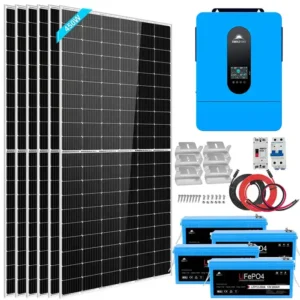
Cost Breakdown of Off-Grid Solar System Components
Budgeting for off-grid solar system components can feel like assembling a puzzle with a moving price tag. Generally speaking, batteries and panels eat up the largest share of the budget, followed by the inverter, then the charge controller, with wiring, racking, and monitoring rounding things out.
A small cabin system might run a few thousand dollars total, while a full-time off-grid home setup with several days of battery autonomy can climb into five figures. Shopping around and comparing off-grid solar equipment from reputable brands usually pays for itself many times over in reliability.
Common Mistakes People Make With Off-Grid Solar Components
- Undersizing the battery bank to save a few bucks upfront
- Using modified sine wave inverters with sensitive electronics
- Skimping on wire gauge, leading to voltage drop and heat buildup
- Forgetting a backup generator in cloudy climates
- Ignoring local permitting and code requirements for wiring and mounting
- Mixing incompatible off-grid solar system components across different voltage systems
Maintenance Tips to Extend the Life of Your Off-Grid Solar Components
Cleaning your panels every few months (dust and pollen really do cut efficiency), checking wiring connections for corrosion, and keeping an eye on battery state-of-charge trends are all simple habits that add years to your off-grid solar system components. It’s a bit like getting your car’s oil changed — a small effort now saves a massive headache later.
Newest Trends in Off-Grid Solar Components (2026 Update)
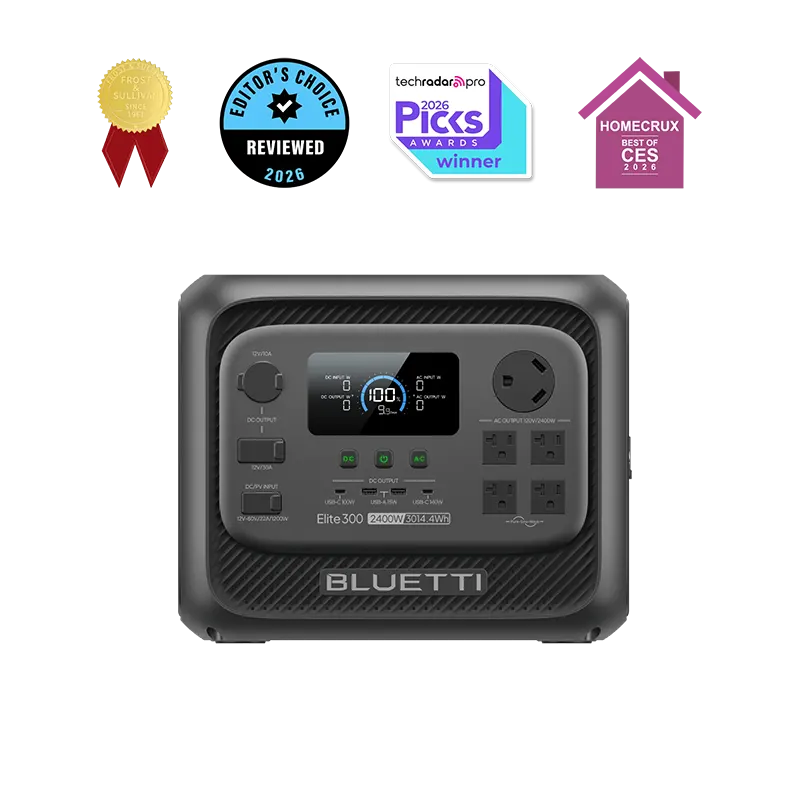
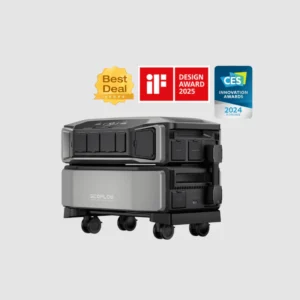
Lithium battery prices have continued dropping year over year, making LiFePO4 the default choice even for budget builds. All-in-one power stations that bundle the inverter, charge controller, and battery into a single unit have also exploded in popularity for smaller setups, cutting down on installation complexity for beginners who don’t want to source individual off-grid solar system components separately.
Meanwhile, smarter Bluetooth and app-based monitoring has become nearly standard, even on entry-level off-grid solar equipment.
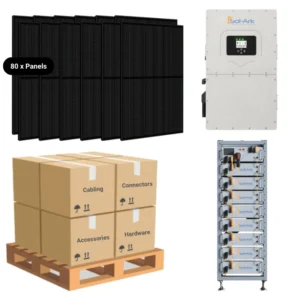
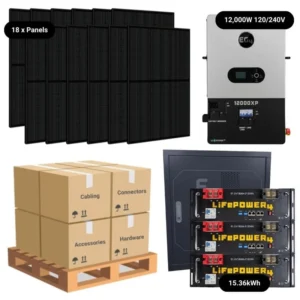
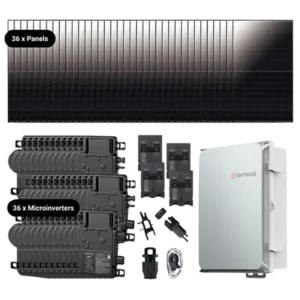
Complete Home Solar System Package Supplier
| Name | Price Range | Discount |
|---|---|---|
| Sun Gold Power | $5,774 – $31,853.00 | 👉 Get Special Offers |
| Rich Solar | $7,999 – $25,999.9 | 👉 Get Special Offers |
| ShopSolarKits | $2,539 – $149,989.99 | 👉 Get Special Offers |
Is DIY Installation of Off-Grid Solar Components Worth It?
If you’re handy and comfortable with basic electrical work, DIY can save serious money on off-grid solar system components and labor alike. But if your system is large, tied to a permanent residence, or involves complex code compliance, hiring a licensed installer for at least the wiring portion is a smart call. There’s no shame in knowing your limits — better a small hit to your wallet than a house fire.
Conclusion
At the end of the day, building a reliable off-grid power system comes down to understanding how each piece fits into the bigger picture.
From the panels soaking up sunshine to the inverter delivering clean AC power to your outlets, every one of these off-grid solar system components plays a starring role. Get the sizing right, don’t cheap out on safety-critical off-grid solar components like wiring and inverters, and you’ll have a setup built from solid off-grid solar equipment that quietly hums along for decades, rain or shine — literally.
FAQs About Off-Grid Solar System Components
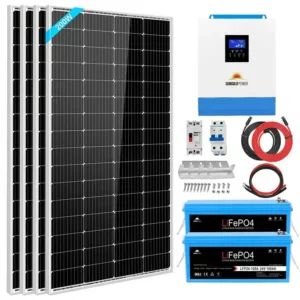
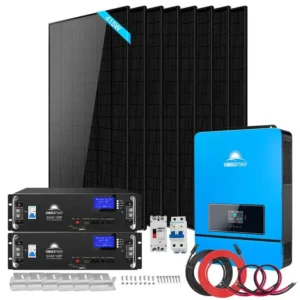
At minimum, you'll need solar panels, a charge controller, a battery bank, an inverter, wiring/fuses, and a mounting system. A backup generator is optional but highly recommended as one more off grid solar system component for peace of mind.
It depends on your daily energy usage and available sun hours, but a small cabin using 5-10 kWh per day typically needs somewhere between 1,500 and 3,000 watts of panels among its off grid solar system components.
In most cases, yes. Lithium batteries last significantly longer, handle deeper discharges without damage, and require far less maintenance, which often makes them cheaper per year of use despite the higher upfront price for this off grid solar system component.
Generally yes, as long as voltage and amperage ratings are compatible. Just double-check that your charge controller, battery bank, and inverter all operate within the same voltage system (12V, 24V, or 48V).
It's not strictly required, but it's smart insurance for extended cloudy stretches or higher-than-usual power demand, especially in winter months when sun hours are shorter.
You Might Also Like