


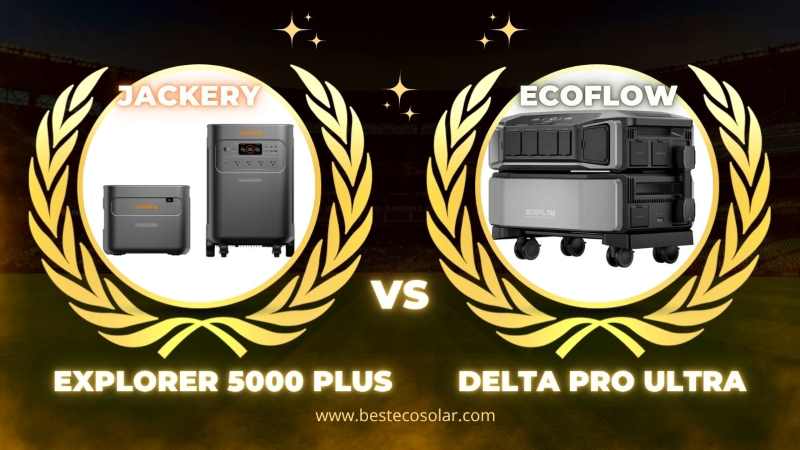
Explorer 5000 Plus vs Delta Pro Ultra: Which Whole-Home Backup Power Station Actually Wins in 2026?
I’ve dug through the specs, the real owner reviews, the price swings, and the fine print so you don’t have to. By the end of this Jackery Explorer 5000 Plus vs EcoFlow Delta Pro Ultra breakdown, you’ll know exactly which portable power station fits your life — whether that’s storm-proofing a house, running an RV off-grid, or just sleeping better during hurricane season.
Jackery Explorer 5000 Plus vs EcoFlow Delta Pro Ultra: The Quick Snapshot
Jackery Explorer 5000 Plus vs EcoFlow Delta Pro Ultra – Let’s rip the band-aid off first. If you want raw, out-of-the-box battery capacity per dollar, the Jackery Explorer 5000 Plus edges ahead. If you want higher continuous output per unit and best-in-class safety certification, the EcoFlow Delta Pro Ultra takes the lead. Neither one is “bad” — they’re just built for slightly different priorities, kind of like comparing a pickup truck to a cargo van. Both haul stuff. They just haul it differently.
What Is the Jackery Explorer 5000 Plus?
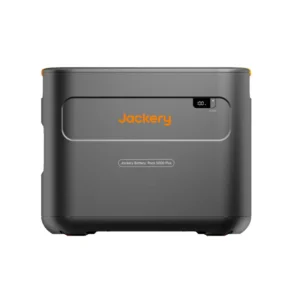
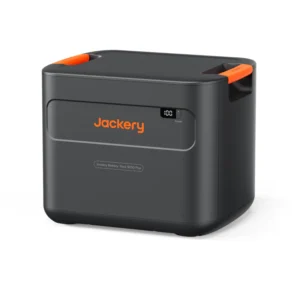
The Jackery Explorer 5000 Plus is Jackery’s flagship modular power station, and it’s designed to act like a mini electrical panel for your home. Think of it as the foundation of a house you can keep building onto — you start small and add battery packs as your budget (or your paranoia about blackouts) grows.
1. Battery Capacity and Expandability
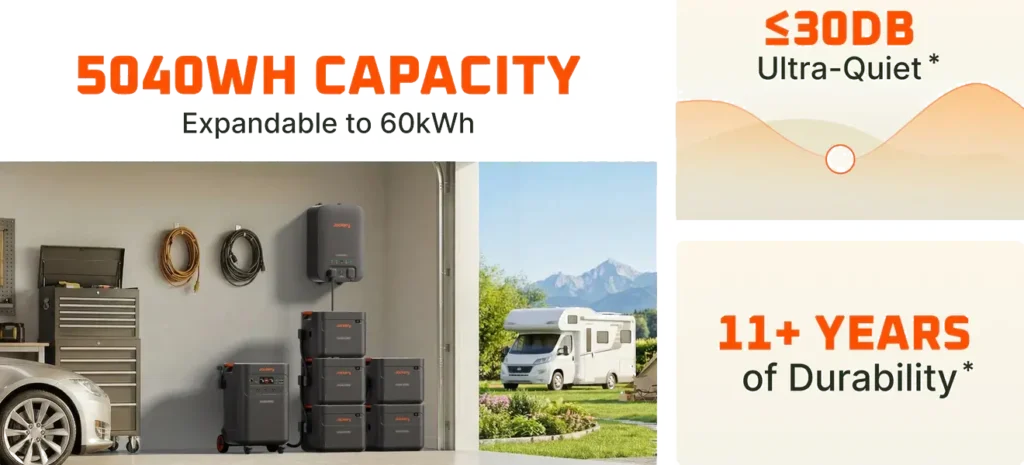
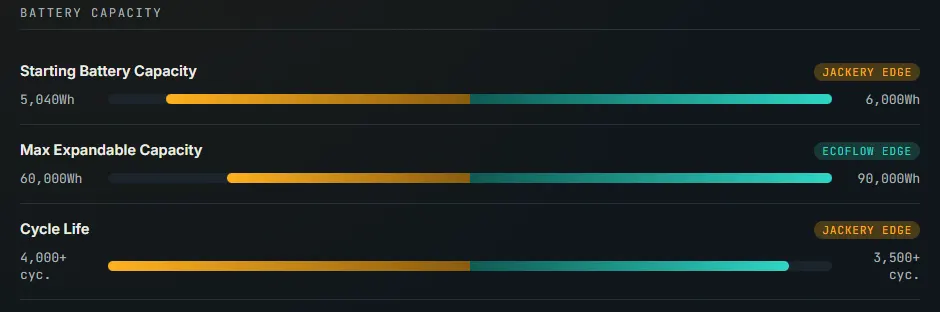
Out of the box, the Explorer 5000 Plus ships with a 5,040Wh LiFePO4 battery. That’s already a hefty number, but here’s the fun part: it scales all the way from 5kWh up to a jaw-dropping 60,000Wh when you keep adding Battery Pack 5000 Plus units. It’s a bit like Lego blocks for electricity — snap on more, get more runtime.
2. Power Output and Ports
This power station pushes 7,200W of continuous output and 14,400W peak when you pair two units together. It comes loaded with 12 total ports: four AC outlets, two USB-C, two USB-A, one DC port, and three expansion ports for extra AC or DC gear. It also boasts a 0-millisecond UPS switchover, meaning sensitive devices like routers or NAS boxes won’t even blink during an outage.
What Is the EcoFlow Delta Pro Ultra?
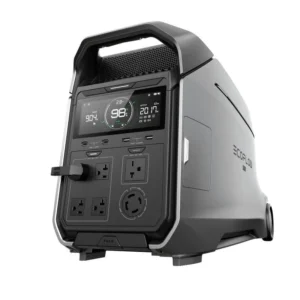
The EcoFlow Delta Pro Ultra plays in the same weight class, but it leans harder into the “engineered for the whole house” pitch. It’s the kind of unit an electrician might nod approvingly at, mostly because of its safety paperwork (more on that shortly).
1. Battery Capacity and Expandability
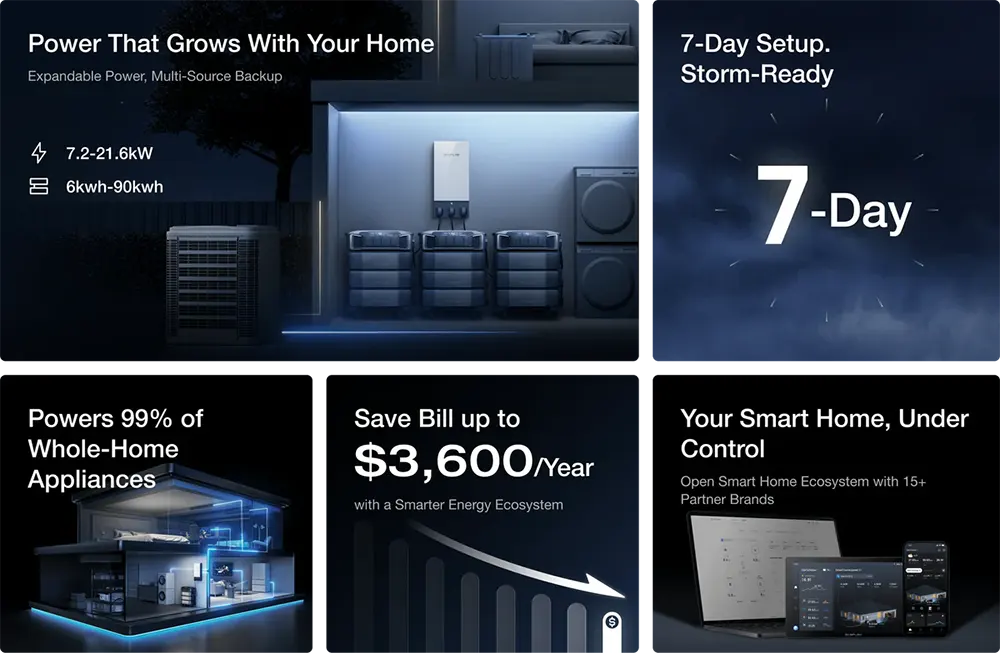
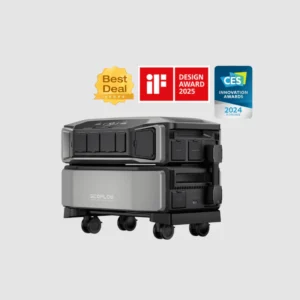
A single Delta Pro Ultra setup starts around the 6kWh mark and can expand up to roughly 90,000Wh with additional battery packs. That’s an enormous runway if you’re trying to power a home through a multi-day outage, not just a few hours of emergency lighting.
2. Power Output and Solar Charging
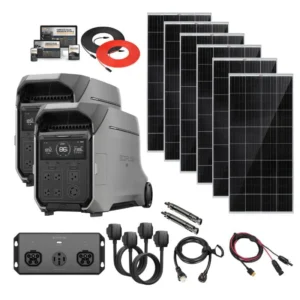
The Delta Pro Ultra delivers 7.2kW of continuous output on its own — enough to run a 3-ton central air conditioner, according to EcoFlow. Pair three inverters with the Smart Home Panel 2, and you’re looking at a monster 21.6kW AC output. Solar charging is where this thing really flexes, supporting up to 16.8kW of solar input across three 5.6kW arrays. If you’ve got the rooftop real estate, you can refill this battery scary fast.
Jackery Explorer 5000 Plus vs EcoFlow Delta Pro Ultra: Side-by-Side Comparison Table
Numbers tell a story; words sometimes fumble, so here’s the head-to-head comparison in one place.
| Feature | Jackery Explorer 5000 Plus | EcoFlow Delta Pro Ultra |
|---|---|---|
| Starting Battery Capacity | 5,040Wh LiFePO4 | ~6,000Wh LiFePO4 |
| Max Expandable Capacity | Up to 60,000Wh | Up to ~90,000Wh |
| Continuous Output | 7,200W | 7,200W |
| Peak Output (multi-unit) | 14,400W | Up to 21,600W (3 inverters) |
| Max Solar Input | 4,000W | 16,800W |
| UPS Switching Speed | 0 milliseconds | Near-instant (sub-20ms typical) |
| Safety Certification | UL-listed battery | UL 1973 & UL 9540 |
| Whole-Home Add-On | Smart Transfer Switch | Smart Home Panel 2 |
| Typical Street Price | $2,799–$4,299 | $4,099–$6,098+ |
| Cycle Life | 4,000+ cycles / 10-year lifespan | 3,500+ cycles (LFP) |
Battery Capacity Compared
Here’s where a lot of buyers get tripped up. On paper, the Delta Pro Ultra scales higher (up to 90kWh versus 60kWh), but the Jackery Explorer 5000 Plus actually ships with a slightly bigger starting battery for less money. If you’re not planning on building a mega-system with five stacked batteries, the Jackery gives you more capacity per dollar right out of the gate.
That said, if you’re the type who wants total home independence for a week-long grid failure, EcoFlow’s higher ceiling matters more than the starting point.
Power Output and Peak Wattage
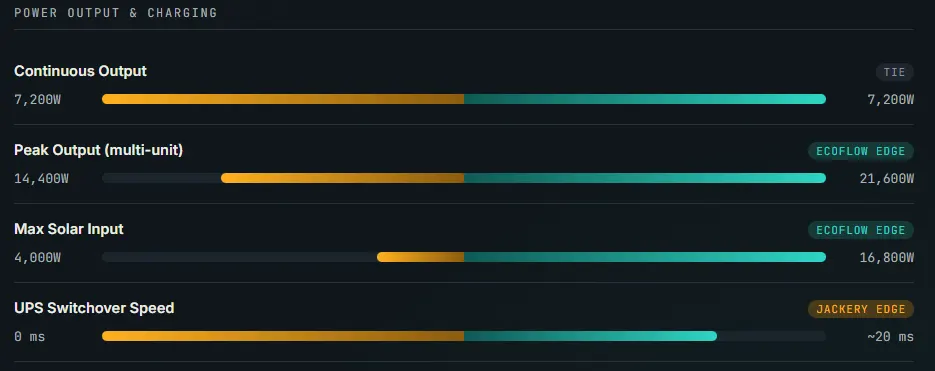
Both units are neck-and-neck at 7,200W continuous, so running big appliances like a well pump, space heater, or window AC unit isn’t a problem for either one. The real separation shows up at the peak end: the Delta Pro Ultra can theoretically climb to 21,600W with three inverters chained together, while the Jackery tops out at 14,400W with two units paired.
Unless you’re trying to run an entire house’s worth of heavy-draw appliances simultaneously, this difference won’t matter much for the average homeowner.
Solar Charging Speed
If you live somewhere sunny and want to go off-grid, this category isn’t close. The EcoFlow Delta Pro Ultra accepts up to 16.8kW of solar input, dwarfing the Jackery’s 4,000W ceiling. Picture filling a bathtub with a garden hose versus a fire hose — that’s roughly the difference in refill speed when the sun’s out. For RV owners or cabin dwellers relying heavily on solar, EcoFlow’s charging headroom is a genuine advantage.
Portability and Design
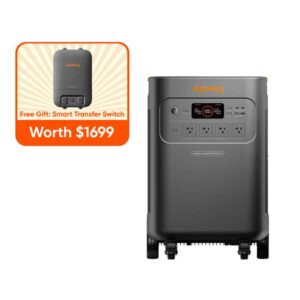
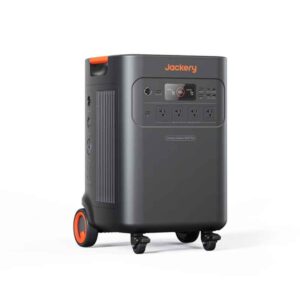
Neither of these units is what I’d call “portable” in the backpacking sense — we’re talking about units that need a dolly, not a shoulder strap. Both are built more like appliances than gadgets, with wheels and handles meant for rolling them across a garage floor rather than hiking a trail. If true portability is your priority, honestly, neither of these giants is the right category of product for you.
App Control and Smart Home Integration
The Jackery pairs with a Smart Transfer Switch for circuit-level control and remote monitoring through its app. The EcoFlow counterpart uses the Smart Home Panel 2, which lets you assign priority to specific circuits and even optimize charging around time-of-use electricity rates. If squeezing savings out of your utility’s peak/off-peak pricing sounds appealing, EcoFlow’s panel software has the edge here.
Safety Certifications
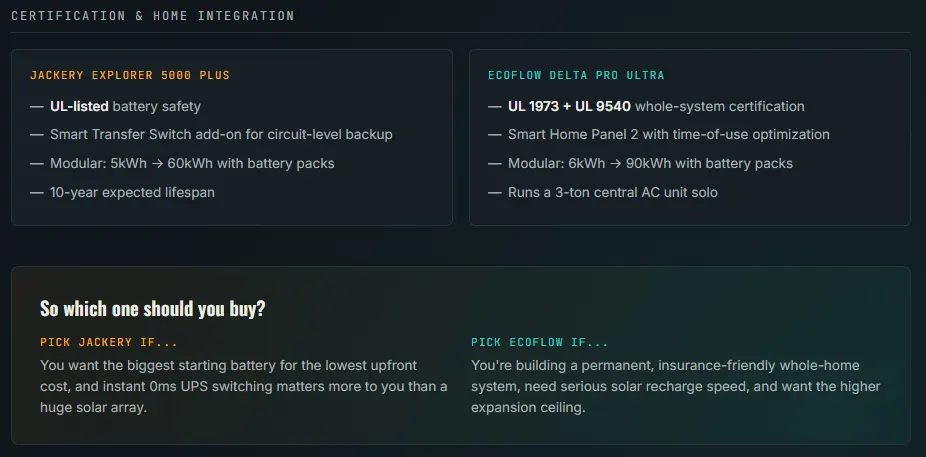
This one’s a genuine differentiator. The EcoFlow Delta Pro Ultra is certified to both UL 1973 (battery safety) and UL 9540 (energy storage system safety) — the same standard required for permanently installed home battery systems. That can matter for insurance purposes or local building codes. The Jackery Explorer 5000 Plus carries standard UL-listed battery certification but doesn’t currently advertise the UL 9540 whole-system rating.
Pricing: Which One Gives You More for Your Money?
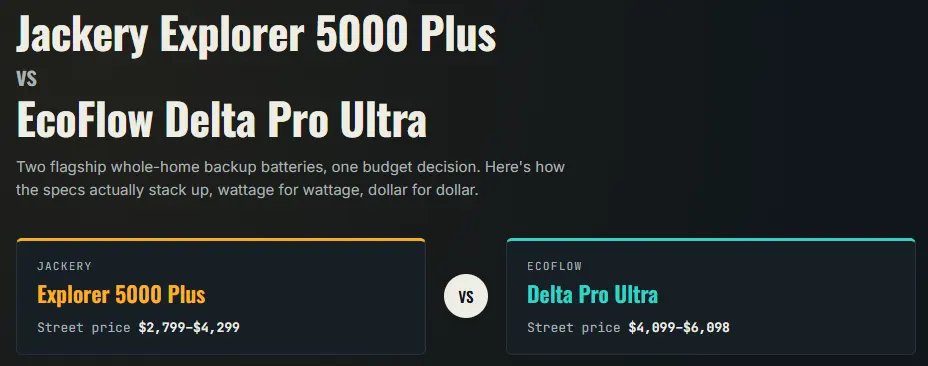
Street pricing swings a lot for both brands depending on the season, so don’t anchor too hard to MSRP. The Jackery Explorer 5000 Plus has an MSRP of $4,299 but regularly drops to the $2,799–$2,999 range during flash sales. The EcoFlow Delta Pro Ultra carries a higher MSRP around $6,098, with sale pricing often landing near $4,099.

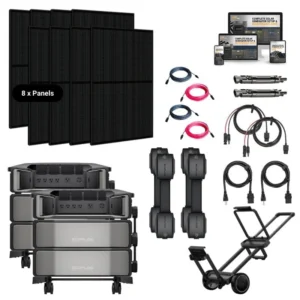
Bundle in solar panels or a transfer switch, and both prices climb quickly — sometimes past $10,000 for the fully-loaded whole-home kits. Bottom line: dollar-for-dollar, starting capacity, Jackery is the better bargain; dollar-for-dollar, scaling ceiling and certification, EcoFlow justifies its higher price tag.
Real-World Use Cases
1. Best For Home Backup
If your main worry is keeping the lights on and the fridge cold during a hurricane or ice storm, both units handle that job well. But if you want the peace of mind that comes with UL 9540 certification — which can influence homeowners insurance conversations — the EcoFlow Delta Pro Ultra has a slight edge for permanent home installations.
2. Best For RV and Off-Grid Living
For RVers or cabin owners chasing sunlight across the country, EcoFlow’s faster solar charging genuinely changes the day-to-day experience. You’re not stuck babysitting a slow trickle charge; you can top off a nearly empty battery in a fraction of the time. Jackery still works fine here; it’s just slower to refill under heavy solar arrays.
Pros and Cons
1. Jackery Explorer 5000 Plus Pros and Cons
- Pros: Lower entry price, bigger starting battery for the money, instant 0ms UPS switching, strong modular expansion up to 60kWh.
- Cons: Slower max solar input, lacks UL 9540 whole-system certification, some users report firmware and Wi-Fi hiccups with the Smart Transfer Switch.
2. EcoFlow Delta Pro Ultra Pros and Cons
- Pros: Massive 16.8kW solar input, higher expansion ceiling near 90kWh, dual UL 1973/9540 safety certification, higher peak output with multiple inverters.
- Cons: Higher upfront and bundle pricing, base battery capacity slightly smaller than Jackery’s starting unit.
Which Should You Buy?
Ask yourself one question: are you optimizing for price-per-watt-hour today, or for scalability and certification down the road? If you want the biggest bang for your buck right now and don’t mind occasionally waiting a little longer for a full solar recharge, go with the Explorer 5000 Plus.
If you’re planning a serious, insurance-friendly whole-home setup with heavy solar and room to expand for years, the EcoFlow Delta Pro Ultra is worth the extra spend.
Conclusion of Jackery Explorer 5000 Plus vs EcoFlow Delta Pro Ultra
Choosing between the Jackery Explorer 5000 Plus and the EcoFlow Delta Pro Ultra really comes down to what kind of backup power lifestyle you’re building. Both are legitimate whole-home solutions, both use long-lasting LiFePO4 batteries, and both can be expanded well beyond their starting capacity.
The Jackery wins on upfront value and starting battery size. The EcoFlow wins on solar charging speed, expansion ceiling, and safety certification. Neither choice is wrong — it just depends on whether you’re prioritizing your wallet today or your power independence five years from now. Whichever one you pick, you’re buying real peace of mind the next time the grid goes dark.
FAQs About Jackery Explorer 5000 Plus vs EcoFlow Delta Pro Ultra
Both can handle whole-home backup with the right add-on panel, but the EcoFlow Delta Pro Ultra's UL 9540 certification gives it a slight edge for permanent home installations, while the Jackery Explorer 5000 Plus offers a lower-cost entry point for similar coverage.
The EcoFlow Delta Pro Ultra charges significantly faster from solar, supporting up to 16.8kW of input compared to the Jackery Explorer 5000 Plus's 4,000W ceiling, making it the better pick for heavy off-grid solar setups.
Yes. The Jackery Explorer 5000 Plus scales from 5kWh up to 60kWh with additional battery packs, while the EcoFlow Delta Pro Ultra can scale up to roughly 90kWh, giving both systems long-term growth room.
The Jackery Explorer 5000 Plus typically costs less both at MSRP and during sales, making it the more budget-friendly option if you don't need the EcoFlow's higher solar input or certification level.
Both work well for RV and off-grid use, but the EcoFlow Delta Pro Ultra's faster solar recharge makes it better suited for travelers who rely heavily on sunlight rather than shore power to refill their battery.
You Might Also Like