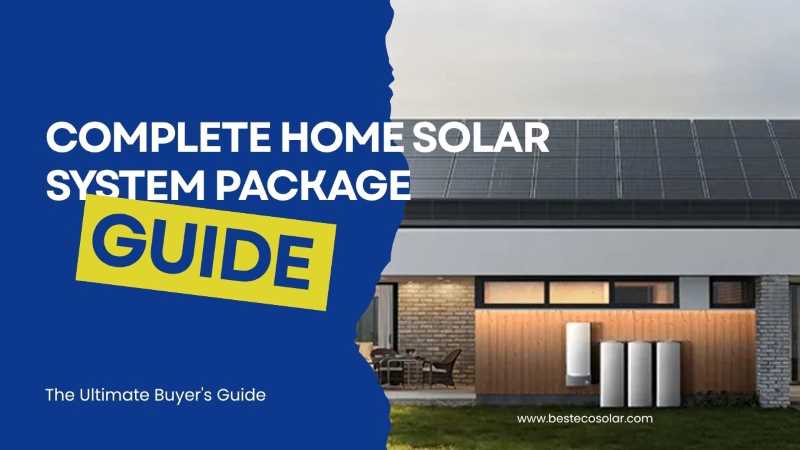
Complete Home Solar System Package: Ultimate Buyer’s Guide
Shopping for complete home solar system packages can feel like standing in front of a wall of unfamiliar acronyms — kW, kWh, LiFePO4, hybrid, off-grid — while every retailer promises the “best” bundle. After digging through how the leading solar retailers package their kits, one thing becomes clear: a good complete home solar system package isn’t just a stack of panels. It’s a matched set of equipment, sized correctly, that turns sunlight into usable, storable power for your house.
What Is a Complete Home Solar System Package?
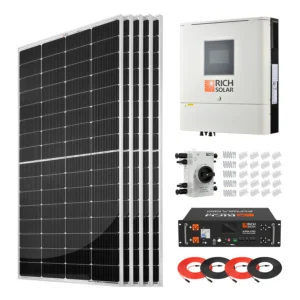
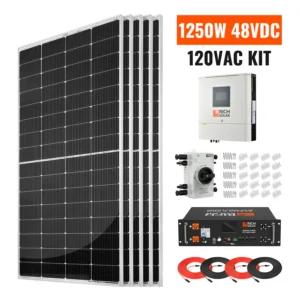
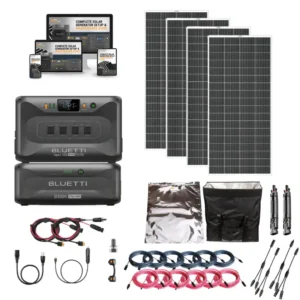
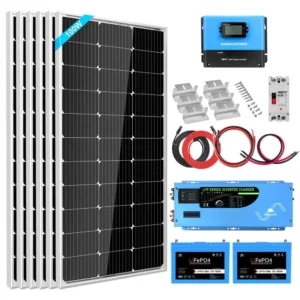
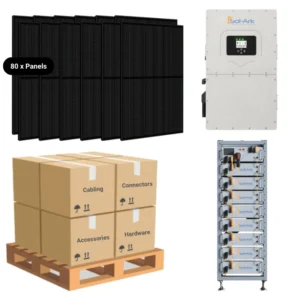
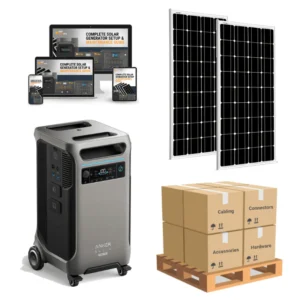
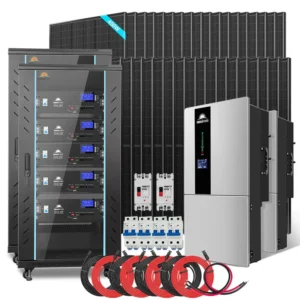
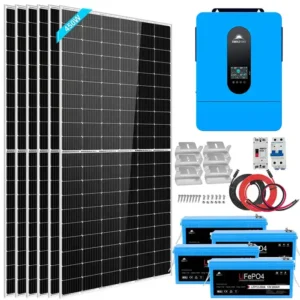
A complete home solar system package is a pre-matched bundle of solar equipment — panels, inverter, battery, mounting hardware, and cabling — sold together so a homeowner doesn’t have to source each part separately. Instead of researching panel wattage, inverter compatibility, and battery voltage individually, you buy one solar system package engineered to work as a unit.
The appeal is simplicity. A well-built complete solar kit removes the guesswork of matching a 48V battery bank to the correct inverter, or figuring out how many panels your charge controller can handle. Everything is pre-sized, tested to work together, and shipped as one order.
Why Homeowners Are Choosing Complete Solar System Packages
Rising utility rates, more frequent grid outages, and growing interest in energy independence are the three biggest drivers behind the demand for home solar system packages. Homeowners want:
- Lower or eliminated monthly electric bills
- Backup power during blackouts and storms
- A hedge against rising utility rates
- The option to go fully off-grid on rural or remote property
A complete home solar kit answers all four needs in a single purchase, which is why bundled packages have become far more popular than buying components piecemeal.
Core Components Inside Every Complete Home Solar Panel Kit
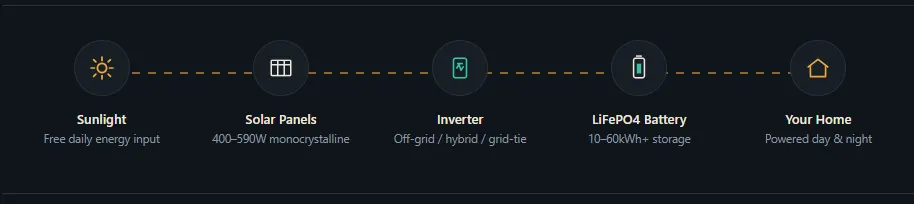
Every legitimate complete home solar system package, regardless of brand, includes the same five building blocks.
- Solar Panels
Monocrystalline panels between 400W and 590W are now standard in most home solar packages, since higher per-panel wattage means fewer panels — and less roof or ground-mount space — for the same total output. - The Inverter: The Brain of the System
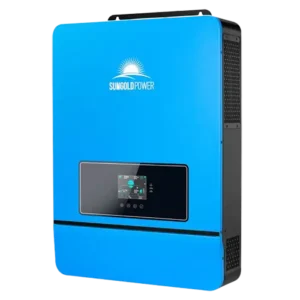
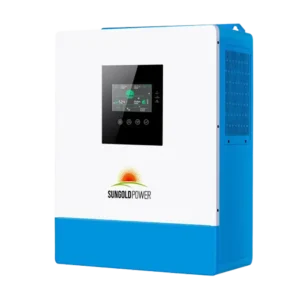
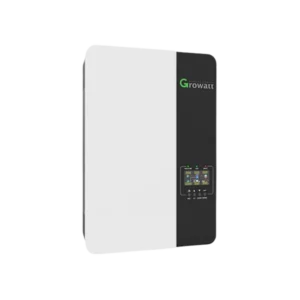
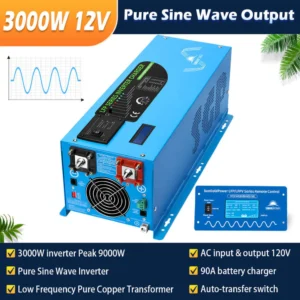
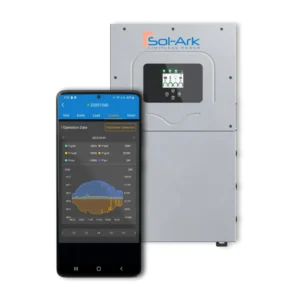
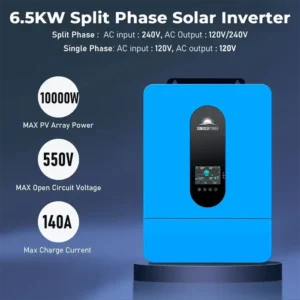
The inverter converts DC power from your panels and battery into usable AC power for household appliances. It’s the single most important piece of any complete solar power system package, and it determines whether your setup can run off-grid, tie into the utility grid, or do both. - Battery Storage
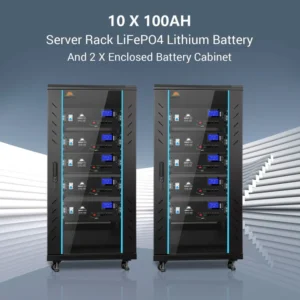
Lithium iron phosphate (LiFePO4) battery banks, ranging from roughly 10kWh for small homes to 60kWh-plus for whole-home backup, store the energy your panels generate for use at night or during an outage. - Mounting and Racking
Roof mounts, ground mounts, and pole mounts secure the panels to your property. Ground mounts are increasingly popular in complete home solar system packages aimed at rural buyers with acreage to spare. - Balance-of-System Components
Charge controllers, breakers, surge protection, rapid shutdown devices, and cabling round out the package. These are easy to overlook but critical — a home solar system package missing proper breakers or surge protection is an incomplete and potentially unsafe purchase.
Types of Complete Home Solar System Packages
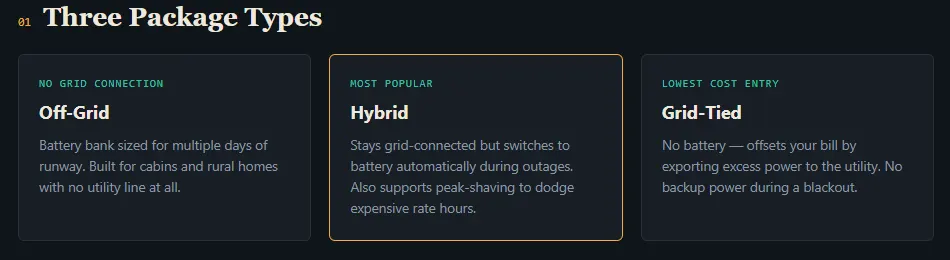
Not every complete home solar kit serves the same purpose. Understanding the three main categories will save you from buying the wrong type.
1. Off-Grid Solar System Packages
An off-grid complete solar kit is designed for homes and cabins with no utility connection at all. These packages pair a robust inverter with a large LiFePO4 battery bank sized to cover several days of typical household use, since there’s no grid to fall back on when the sun isn’t shining.
2. Hybrid Solar System Packages
Hybrid home solar system packages are the most popular option for suburban and rural homeowners alike. They stay connected to the grid for convenience but include battery storage so the home can switch to stored power automatically during an outage. Most hybrid complete home solar kits also support peak-shaving, drawing from the battery during expensive utility rate hours.
3. Grid-Tied Solar System Packages (No Battery)
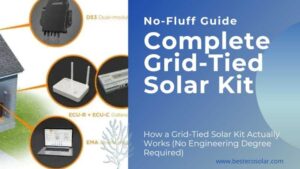
Grid-tied solar system packages, often built around microinverters, skip the battery entirely and focus purely on offsetting your electric bill by feeding excess solar production back to the utility. They’re the lowest-cost entry point into a complete home solar system package, but they offer no backup power during a blackout.
How to Size a Complete Home Solar Kit for Your House
Sizing is where most home solar system package purchases go wrong. The right size depends on three factors:
- Average daily energy consumption (check your utility bill for kWh usage)
- Peak load — the maximum wattage your appliances draw simultaneously
- Backup duration you want during an outage (hours vs. multiple days)
A small household running efficient appliances might be well-served by an 8–10kW complete solar power system package with 10–16kWh of storage. A larger home running electric heat pumps, well pumps, and EV charging may need 15kW or more of inverter capacity and 30kWh-plus of battery storage. Reputable retailers typically offer a sizing tool or free consultation before you commit to a specific complete home solar system package.
Entry-Level vs. Mid-Tier vs. Premium Home Solar Packages
Most solar retailers now organize their complete home solar system packages into tiers, often labeled something like Plus, Max, and Pro (or similarly named entry, mid, and premium lines):
- Entry-level packages focus on value and cover essential loads — refrigeration, lighting, and small electronics.
- Mid-tier packages increase inverter output and battery capacity, giving more overhead for daily household use, including HVAC and kitchen appliances.
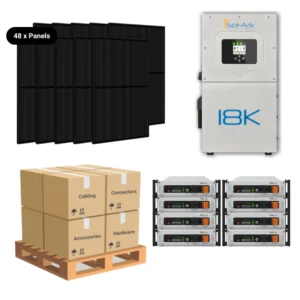
- Premium packages are built for whole-home autonomy, supporting high-draw items like electric dryers, well pumps, and central air conditioning, often with commercial-grade inverters and expandable battery banks.
Matching your household’s actual energy habits to the right tier prevents both under-sizing (a system that can’t handle your loads) and over-spending on capacity you’ll never use.
| Tier | Typical Inverter Output | Typical Battery Capacity | Best For |
|---|---|---|---|
| Entry-level | 3–8kW | 5–16kWh | Essentials, cabins, small households |
| Mid-tier | 8–13kW | 16–32kWh | Full households, moderate HVAC use |
| Premium | 13kW+ | 30–60kWh+ | Whole-home autonomy, well pumps, EV charging |
This kind of tier comparison is worth doing across every complete home solar system package you shortlist, since two providers’ “mid-tier” labels don’t always represent the same actual capacity.
Battery Chemistry: Why LiFePO4 Dominates Home Solar Packages
Nearly every modern complete home solar system package now ships with LiFePO4 (lithium iron phosphate) batteries rather than older lead-acid or standard lithium-ion chemistries. LiFePO4 batteries offer thousands of charge cycles, stable performance across a wide temperature range, and a strong safety profile — all of which matter when the battery is expected to run daily for 10, 15, or even 25 years inside or near a home.
DIY Installation vs. Professional Installation
One major differentiator between complete home solar kit providers is how DIY-friendly the package is.
- DIY-friendly kits are pre-wired and labeled, designed so a reasonably handy homeowner can complete most of the setup, sometimes bringing in an electrician only for the final utility interconnection.
- Professional-install kits, typically the larger high-voltage or three-phase complete home solar system packages, are built for licensed installers to handle from start to finish, given the complexity and safety requirements of higher-voltage equipment.
Choosing the right installation path affects both your upfront labor cost and how quickly your home solar system package gets up and running.
Complete Home Solar System Package Supplier
| Name | Price Range | Discount |
|---|---|---|
| Sun Gold Power | $5,774 – $31,853.00 | 👉 Get Special Offers |
| Rich Solar | $7,999 – $25,99.99 | 👉 Get Special Offers |
| ShopSolarKits | $2,539 – $149,989.99 | 👉 Get Special Offers |
What a Complete Home Solar System Package Typically Costs
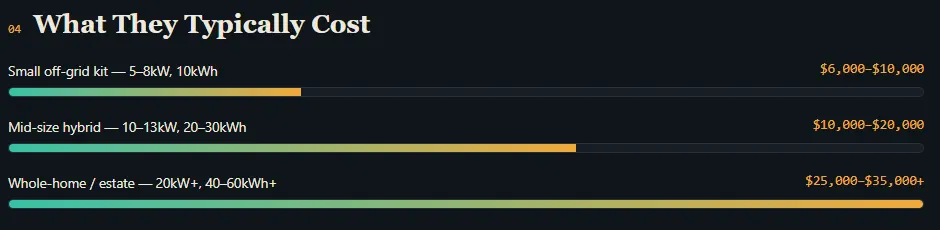
Pricing for a complete home solar system package varies enormously based on size, battery capacity, and inverter brand. As a rough guide:
- Small off-grid complete solar kits (5–8kW, 10kWh battery) often start in the $6,000–$10,000 range.
- Mid-size hybrid home solar system packages (10–13kW, 20–30kWh battery) commonly fall between $10,000 and $20,000.
- Large whole-home or estate-scale complete home solar kits (20kW-plus, 40–60kWh-plus battery) can run well beyond $25,000–$35,000.
Federal tax credits, state rebates, and financing options can meaningfully reduce the effective price of any complete home solar system package, so it’s worth checking current incentives before finalizing a budget.
Warranty, Certifications, and Support to Look For
Before buying a complete home solar system package, confirm the following:
- UL certification on inverters and batteries, confirming the equipment meets recognized safety standards
- Panel warranties of 25 years or more on power output
- Battery and inverter warranties, typically 5–12 years depending on the brand
- Lifetime or extended customer support, including phone, email, and live chat access for troubleshooting after installation
A complete solar power system package backed by weak or unclear warranty terms is a red flag, regardless of how attractive the sticker price looks.
Real-World Use Cases for Complete Home Solar Kits
Complete home solar system packages aren’t one-size-fits-all — they serve very different situations:
- Whole-home backup: keeping the refrigerator, well pump, and medical devices running during grid outages
- Off-grid cabins and rural homes: total independence from the utility grid
- Peak-shaving: automatically using stored solar power during the most expensive utility rate hours
- EV charging: pairing a home solar system package with a home EV charger to offset transportation costs
- Storm resilience: maintaining essential circuits through extended power outages in hurricane- or wildfire-prone regions
Financing, Tax Credits, and Incentives
Most complete home solar system package providers offer financing at checkout, along with guidance on applicable federal and state solar incentives. Because incentive programs and credit percentages change over time and vary by location, it’s worth verifying current federal and local programs directly before purchase rather than relying on outdated figures.
Common Mistakes to Avoid When Buying a Solar System Package
- Undersizing the battery and running out of backup power during multi-day outages
- Ignoring peak load requirements, causing the inverter to trip when multiple appliances run simultaneously
- Skipping permit and code research, especially for grid-tied and hybrid home solar system packages that require utility interconnection approval
- Choosing based on price alone, without checking certifications, warranty length, or customer support quality
- Forgetting future expansion, buying a complete home solar kit with no room to add panels or batteries later as energy needs grow
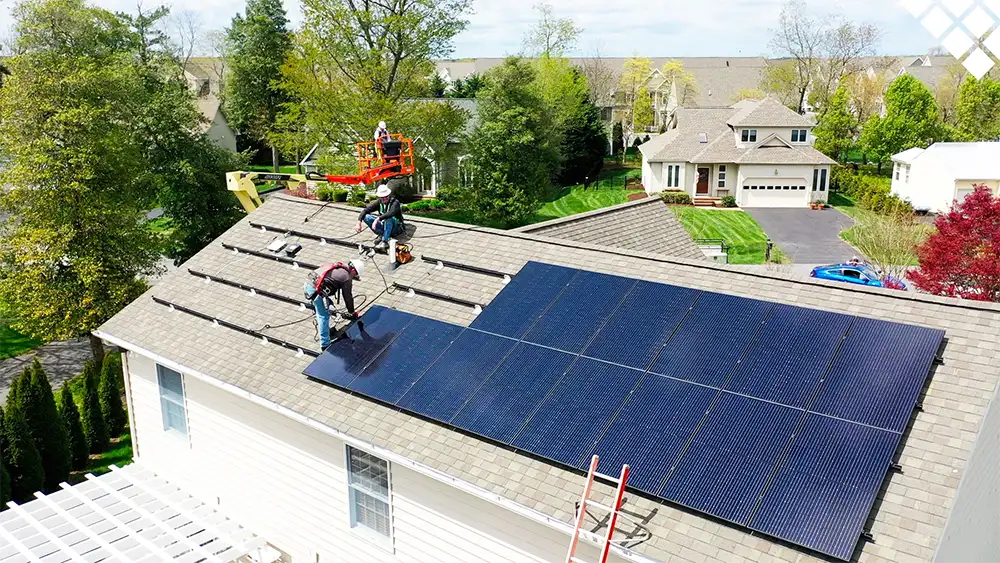
- Overlooking roof condition and shading, since an aging roof or heavily shaded property can undercut the production of even a well-sized complete home solar system package
- Assuming all inverters are interchangeable, when in reality off-grid, hybrid, and grid-tied inverters serve fundamentally different functions and aren’t drop-in replacements for each other
Conclusion: How to Choose the Right Complete Home Solar System Package
Start by calculating your household’s average daily kWh usage and peak wattage draw. From there, decide whether full off-grid independence, hybrid grid-tie backup, or a battery-free grid-tied system best matches your goals and budget. Finally, compare complete home solar system packages across at least two or three retailers, checking inverter brand, battery chemistry, warranty terms, and whether DIY installation is realistically achievable for your skill level.
FAQs About Complete Home Solar System Packages
It depends on your daily kWh usage and panel wattage, but most homes need anywhere from 10 to 30 panels in the 400–590W range to fully offset typical electricity consumption.
Yes, provided the inverter's output capacity and the battery bank's kWh rating are sized to cover your home's peak load and expected backup duration.
Hybrid packages suit most suburban and grid-connected homes since they combine bill savings with backup power, while off-grid packages are reserved for properties with no utility connection at all.
Some do, particularly larger commercial-grade systems requiring licensed installers; smaller DIY-friendly kits are typically self-installed with optional professional help for the final electrical connection.
LiFePO4 batteries used in most modern complete home solar system packages are typically rated for thousands of charge cycles, often translating to 10–15 years or more of daily use before capacity noticeably declines.
You Might Also Like