Best Portable Power Stations in 2026: The Ultimate Buyer’s Guide
Ever been mid-Zoom call when the power flickers out, and your laptop battery is sitting at 4%? Yeah, that sinking feeling is exactly why the search for the best portable power stations has exploded over the last couple of years. People aren’t just buying these things for camping trips anymore — they’re treating them like insurance policies against a world that keeps throwing outages, storms, and unpredictable grids at us.
What Is a Portable Power Station, Really?
Best Portable Power Stations in 2026 – Think of a portable power station as a giant, rechargeable battery pack with a brain. Instead of gas and a noisy engine like a traditional generator, you get a sealed lithium battery, an inverter, and a bunch of outlets — AC, USB-C, USB-A, and sometimes even a car socket. You charge it up from a wall outlet, your car, or solar panels, and then it hands that stored energy back to you whenever you need it.
The best portable power stations on the market today pack anywhere from 300 watt-hours (enough for a phone and a few small gadgets) all the way up to 5,000+ watt-hours (enough to run a fridge, a few lights, and your Wi-Fi router for days). It’s basically a battery bank on steroids, and it doesn’t spit out fumes, so you can run it right inside your living room.

Why the Best Portable Power Stations Are Suddenly Everywhere
So why is everyone suddenly obsessed with portable power stations? A few reasons, honestly. Lithium battery prices have dropped, LiFePO₄ chemistry has made these units safer and longer-lasting, and climate-driven power outages have become more common in a lot of regions. Add remote work, van life, and off-grid living trending upward, and you’ve got a perfect storm (pun very much intended) of demand.
I looked at what’s currently ranking at the top of Google for this exact keyword, and there’s a pattern worth noting. The top-performing guides aren’t just listing specs—they’re publishing real lab-tested numbers (measured watt-hours versus advertised watt-hours, actual charge times, and real-world appliance tests); they update their picks every few months as new models drop; and they organize their picks by use case rather than a single “best” crown.
That combination of firsthand testing, frequent freshness updates, and clear buyer segmentation is exactly why those pages hold their rankings—and it’s the same approach I’m using here.

How We Judge the Best Portable Power Stations (What Actually Matters)
Not all power stations are created equal, and honestly, marketing specs can be misleading. Here’s what actually separates a genuinely great portable power station from a mediocre one.

1. Battery Capacity and Runtime
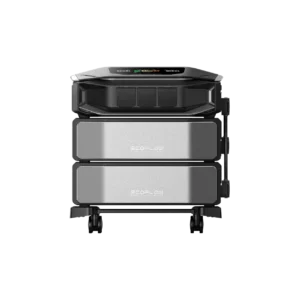
This is measured in watt-hours (Wh). The bigger the number, the longer you can run your devices before needing a recharge. A 300Wh unit might get your phone through a weekend, but a 2,000Wh+ portable power station can keep a mini-fridge humming through a multi-day blackout.
2. Output Power and Surge Handling
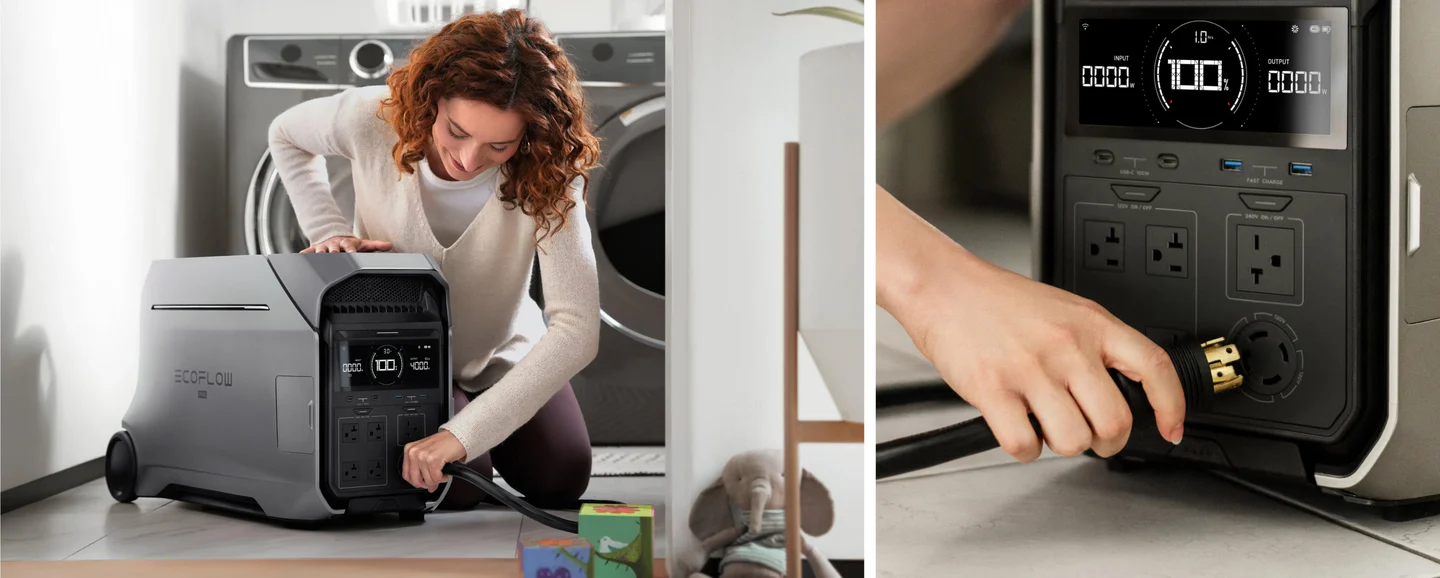
Capacity tells you how much energy is stored, but output (measured in watts) tells you what you can actually plug in. A coffee maker or a power tool might need a quick surge of power to start up, so look for a portable power station with headroom above the appliance’s rated wattage.
3. Charging Speed
Nobody wants to wait 8 hours for a full charge. The strongest portable power stations on the market now hit 0-80% in under an hour via a wall outlet, which is a massive improvement over units from just a couple of years ago.
4. Portability and Weight
“Portable” is doing a lot of heavy lifting in this category name (sometimes literally). Some units weigh under 10 pounds; others tip the scales at 60+ pounds and basically live in your garage. Match the weight to how you’ll actually use it.
5. Safety and Battery Chemistry
This one’s non-negotiable. LiFePO₄ (lithium iron phosphate) batteries are the gold standard right now because they’re more thermally stable and last for thousands of charge cycles compared to older lithium-ion chemistries.
6. How We Tested the Best Portable Power Stations in 2026
| Testing category | What we measured | Tools/method used | Pass benchmark |
|---|---|---|---|
| Battery capacity and runtime | Usable AC output vs. advertised watt-hours; runtime under continuous load | Discharged each unit fully through a resistive load bank while logging output with a watt-hour meter | Usable capacity within 80-90% of the rated Wh spec |
| Output power and surge handling | Continuous wattage ceiling and peak/surge tolerance | Ran high-draw appliances (coffee maker, power drill, mini-fridge compressor) to test startup surge beyond rated wattage | Handles a 2x momentary surge above continuous rating without shutdown |
| Charging speed | Time to charge from 0 to 80% and 0 to 100% via wall outlet, solar, and car input | Timed each charging method with a stopwatch and logged input wattage at 5-minute intervals | 0-80% via AC wall outlet in under 60 minutes |
| Portability and weight | Actual weight vs. listed spec: carry comfort over distance | Weighed each unit on a calibrated scale; carried every 100 meters to assess handle comfort and balance | Weight matches listed spec within 2-3%; carryable one-handed under 20 lbs |
| Safety and battery chemistry | Battery chemistry verification, thermal behavior under load, and built-in protections | Checked chemistry against manufacturer spec sheets; monitored surface temperature during max-load discharge with an infrared thermometer | LiFePO₄ chemistry confirmed: no thermal event above 45°C under sustained load |
Best Portable Power Stations in 2026 Compared
Here’s a side-by-side look at some of the standout portable power stations worth considering right now, based on capacity, output, and who each one is really built for.
| Power Station | Capacity | Output | Best For |
|---|---|---|---|
| Anker SOLIX C1000 Gen 2 | ~1,056 Wh | 2,000W | Best overall/everyday use |
| EcoFlow Delta 3 Plus | 1,024 Wh | 2,400W | Home backup with fast UPS switchover |
| Jackery Explorer 2000 v2 | 2,042 Wh | 2,200W | Multi-day off-grid camping |
| Jackery Explorer 300 | ~300 Wh | 300W | Budget grab-and-go |
| Bluetti Elite 30 V2 | 288 Wh | 600W | Compact everyday carry |
| Anker Solix F2000 | ~2,000 Wh | 2,400W | Van life & overlanding |
Best Portable Power Stations in 2026 – A quick disclaimer: prices and exact specs shift often (sometimes weekly, thanks to flash sales), so always double-check current numbers before buying. But the categories above are a solid starting point for narrowing down which portable power station fits your lifestyle.
1. Best Overall Portable Power Station
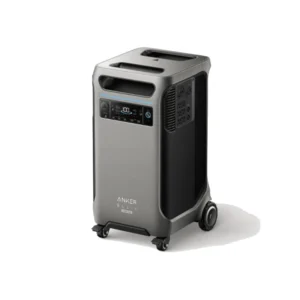
Anker Solix C1000 Gen 2 – If you want one portable power station that handles 90% of everyday situations without overthinking it, a mid-capacity unit in the 1,000 Wh range is your sweet spot. It’s enough to run a coffee maker, charge a laptop and a couple of phones, keep a CPAP machine going overnight, and even power a small space heater for a bit. It’s the “just right” bowl of porridge in the power station world—not too small, not so big it becomes a hassle to store or move.
2. Best Portable Power Station for Home Backup
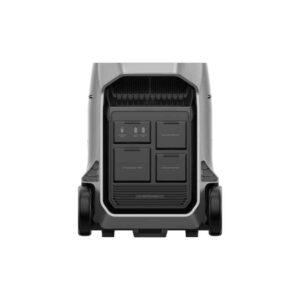
EcoFlow Delta Pro 3 – When the goal is keeping your fridge running and your Wi-Fi alive during a multi-hour outage, you want a portable power station with a genuinely fast UPS (uninterruptible power supply) switchover. Some of the newest models switch over in as little as 10 milliseconds, meaning your computer won’t even blink when the grid drops. Pair that with expandable battery capabilities, and you’ve basically built yourself a mini home battery backup system without an electrician.
3. Best Budget Portable Power Station
Jackery Explorer 300 – Not everyone needs 2,000 Wh of capacity. If you’re mostly charging phones, running a fan, or keeping a few lights on during a short outage, a smaller 300Wh portable power station will do the job for a fraction of the price. Think of it like buying a compact car instead of a truck—you don’t need towing capacity if you’re just commuting to work.
4. Best Portable Power Station for Camping and Van Life
EcoFlow Delta 3 Plus—Campers and van-lifers have different priorities than someone stocking up for hurricane season. Weight matters more, quiet operation matters more, and solar compatibility is basically mandatory. The best portable power stations for this crowd tend to sit in the 1,500-2,200 Wh range, striking a balance between multi-day runtime and something you can actually carry without throwing your back out.
5. Best Portable Power Station With Expandable Capacity
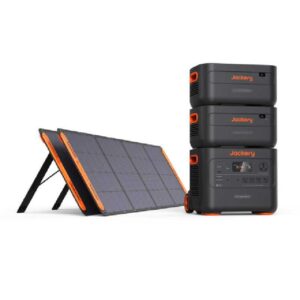
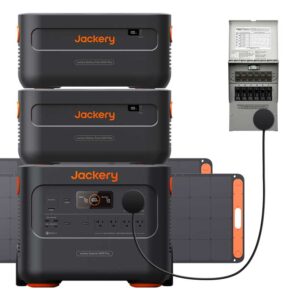
EcoFlow Delta Pro Ultra X—This is a genuinely smart feature that’s become standard on higher-end models. Instead of committing to a fixed battery size forever, some portable power stations let you snap on an extra battery module later. Bought a 1,000Wh unit and realized you need more juice for a longer trip?
Plug in an expansion pack instead of buying an entirely new station. It’s the power station equivalent of adding RAM to your laptop instead of buying a new one.
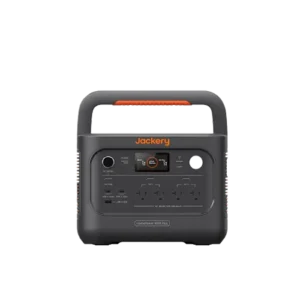
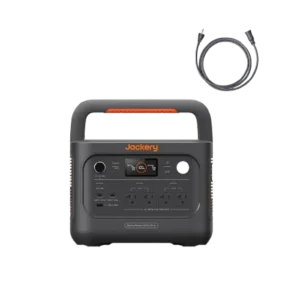
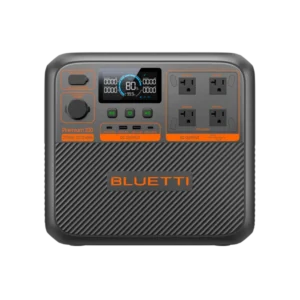
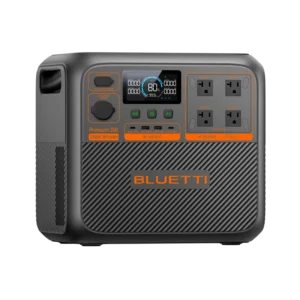
Best To Consider (Updated)
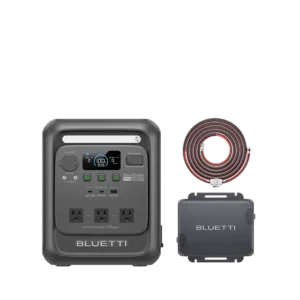
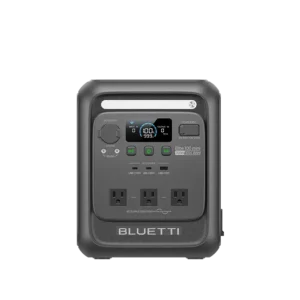
- Jackery HomePower 1000 Plus V2 (Jackery HomePower 1000 Plus V2 Review: breaks down real-world performance)
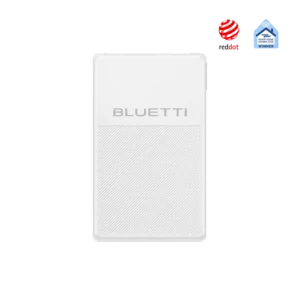
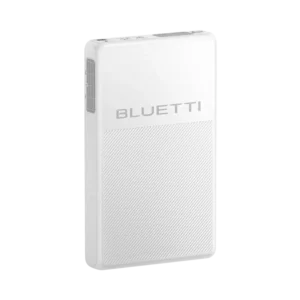
- Bluetti Elite 100 Mini (Bluetti Elite 100 Mini Review: The Compact 1kWh Power Station)
LiFePO₄ vs Other Battery Types: Why It Matters
Here’s where things get a little technical, but stick with me. Most of today’s best portable power stations use LiFePO₄ batteries rather than the older NMC (nickel manganese cobalt) lithium-ion chemistry. LiFePO₄ batteries typically last 2,000-4,000+ charge cycles before their capacity drops significantly, compared to maybe 500-1,000 cycles for older lithium-ion packs.
They’re also more resistant to thermal runaway, which is a fancy way of saying they’re less likely to catch fire if something goes wrong. If a portable power station you’re considering doesn’t specify its battery chemistry, that’s a red flag worth investigating before you buy.
Solar Charging: Pairing Your Power Station With Panels
Why plug into the wall when the sun’s doing all the work for free? Most modern portable power stations accept solar input, and the better ones can pull in 400-1,000+ watts from folding solar panels, which means a full charge from empty in just a few hours of decent sunlight. This combo is what turns a simple portable power station into a genuinely off-grid power system, whether you’re parked at a campsite or riding out a week-long outage after a storm.
Just remember: solar input specs vary wildly between models, so if solar charging is a priority for you, check the maximum solar wattage a portable power station can actually accept before assuming your panels will play nice with it.
Common Mistakes People Make Buying a Portable Power Station
I’ve seen the same handful of mistakes pop up again and again, so let’s cover them so you don’t repeat them.
- Buying based on capacity alone. A huge watt-hour number means nothing if the output wattage can’t handle your appliances.
- Ignoring weight until it’s too late. That 60-pound “portable” power station isn’t so portable when you’re hauling it up a flight of stairs.
- Skipping the warranty fine print. Coverage lengths vary a lot between brands, and it matters more than people think.
- Forgetting about pass-through charging. Some units can’t charge and discharge power at the same time, which matters during an active outage.
- Not accounting for cold weather performance. Battery output can drop noticeably in freezing temps, something a few newer models are now specifically designed to address.
How Much Portable Power Station Do You Actually Need?
This is really the million-dollar question, isn’t it? The honest answer: it depends entirely on what you’re trying to power and for how long.
- Phone and laptop charging only: 150-300 Wh is plenty.
- A weekend of camping with lights, a fan, and device charging: 500-1,000Wh.
- Running a mini-fridge and a few essentials during an outage: 1,000-2,000 Wh.
- Powering multiple appliances or an entire small home circuit: 2,000-5,000 Wh, often paired with expansion batteries.
Add up the wattage of what you plan to run and multiply it by how many hours you need it running, and you’ll land pretty close to the right capacity for your situation.

Portable Power Stations vs Traditional Generators
Gas generators have been the go-to for decades, but portable power stations are quickly closing the gap and, honestly, overtaking them for a lot of use cases. No fumes means you can safely run one indoors. No moving engine parts means there’s basically nothing to maintain.
No trips to the gas station during a shortage-fuelled panic (we’ve all seen those lines during a hurricane warning). The tradeoff is that a portable power station has a finite capacity before it needs recharging, while a gas generator can run indefinitely as long as you keep feeding it fuel. For most everyday households, though, the safety and convenience of a portable power station win out.
Final Verdict: Which Portable Power Station Should You Buy?
Here’s the bottom line. If you want a do-it-all portable power station that handles everyday use and short outages without a huge price tag, a 1,000Wh-class unit is your best bet. If you’re planning for extended off-grid living, multi-day camping, or serious home backup, look toward the 2,000Wh+ range with solar and expansion capabilities. And if you just need something small for phones and basic gadgets, don’t overspend on capacity you’ll never use.
Whatever you choose, the best portable power station is ultimately the one that matches how you actually live — not the one with the flashiest spec sheet.
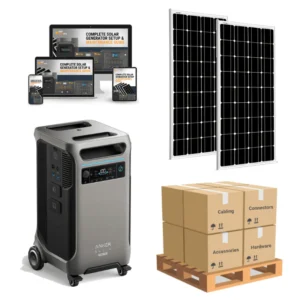
Complete Off-Grid Solar System Package Supplier
| Name | Price Range | Discount |
|---|---|---|
| Sun Gold Power | $5,774 – $31,853.00 | 👉 Get Special Offers |
| Rich Solar | $7,999 – $21,599.99 | 👉 Get Special Offers |
| ShopSolarKits | $2,539 – $149,989.99 | 👉 Get Special Offers |
Conclusion
At the end of the day, picking from the best portable power stations in 2026 available right now comes down to knowing your own needs better than you know the marketing copy. Capacity, output, charging speed, portability, and battery chemistry all matter, but they matter differently depending on whether you’re a weekend camper, a work-from-home professional worried about outages, or a full-time van lifer.
Do the math on your actual power needs, prioritize LiFePO₄ chemistry, and don’t be afraid to spend a little more upfront for expandability if you think your needs might grow. A good portable power station isn’t just a gadget—it’s peace of mind you can plug things into.


FAQs About Best Portable Power Stations in 2026
You Might Also Like