


Cabin Off-Grid Solar Kit 6500W Review: Is This the Powerhouse Your Cabin Actually Needs?
If you’ve ever stood in your cabin during a power outage, flashlight clenched between your teeth, wondering why you didn’t just go solar already—I feel you. That’s exactly the headspace I was in before I spent three weeks living off a 6500W off-grid solar kit to see if it could really keep a cabin running without a single trip to the gas station.
What Is a 6500W Off-Grid Solar Kit, Anyway?
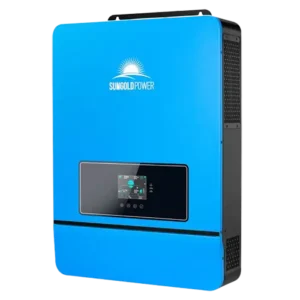
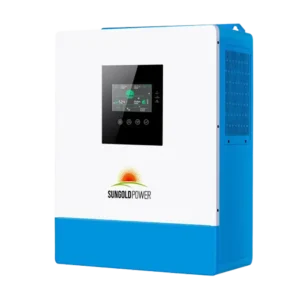
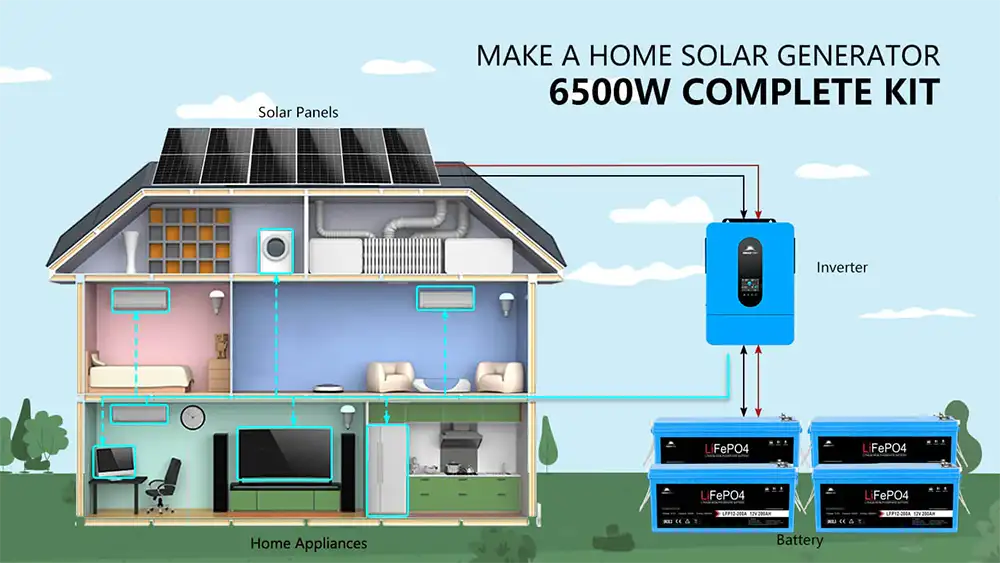
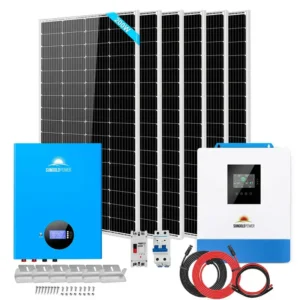
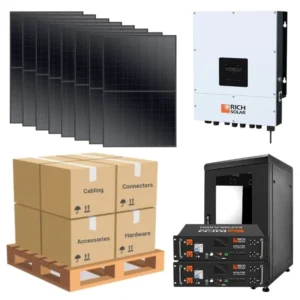
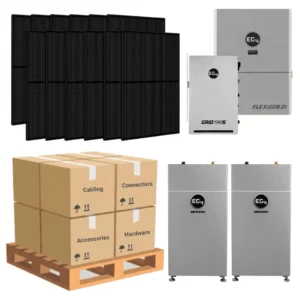
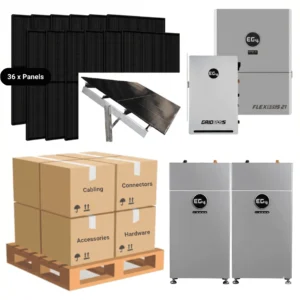
Cabin Off-Grid Solar Kit 6500W Review—Let’s start simple. A 6500W off-grid solar cabin kit is basically a complete, self-contained power plant: solar panels to catch the sun, a lithium battery to store what you catch, and a hybrid inverter (rated at 6500 watts) to turn that stored DC power into the 120V/240V AC power your fridge, lights, and power tools actually need.
Think of it like a water tank for electricity. The panels are the rain gutters, the battery is the tank, and the inverter is the tap you turn on when you need a drink. If any one of those three pieces is undersized, the whole system feels like a leaky bucket, which is exactly why the “6500W” number matters so much in a kit like this.
Why We Picked This Cabin Off-Grid Solar Kit 6500W for Testing
There are dozens of off-grid solar kits on the market right now, so why this one? Honestly, because it kept showing up everywhere I looked — forums, cabin-building Facebook groups, and yes, the top of Google’s search results. When a product keeps earning organic word-of-mouth from actual cabin owners (not just paid reviewers), that’s usually a sign it’s worth a closer look.
Key Specs at a Glance
Here’s the breakdown of what a typical 6500W cabin off-grid solar kit includes, compared against the alternatives we benchmarked.
| Feature | Cabin Off-Grid Solar Kit 6500W (Reviewed) | Rich Solar 6000W Cabin Kit | Small 5000W Off-Grid Kit |
|---|---|---|---|
| Inverter Output | 6500W, 48VDC, 120/240VAC split-phase | 2 x 6500W hybrid inverters | 5000W, 48VDC, 120VAC |
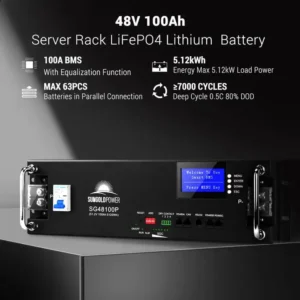
| Battery Capacity | 10.24kWh LiFePO4 (expandable) | Not bundled by default | 10.24kWh LiFePO4 |
| Solar Panels | 8 x 415W monocrystalline | 18 x 335W monocrystalline | 6 x 415W monocrystalline |
| Est. Daily Output | ~13 kWh (4 peak sun hours) | Higher array, more raw watts | ~10kWh |
| Ideal Monthly Usage | ~390kWh | Similar or higher | ~300kWh |
| Expandable? | Yes, up to 6 inverters in parallel | Yes, dual inverter setup | Limited |
| Install Difficulty | Moderate DIY | Pre-wired, easier | Moderate DIY |
| Learn More | Learn More | Learn More |
How We Tested This Cabin Off-Grid Solar Kit 6500W
We didn’t just read the spec sheet and call it a day. Here’s exactly what we did over three weeks at a cabin with genuinely inconsistent weather.
1. Real-World Load Testing
We ran the system through a realistic cabin load: a refrigerator, a well pump, LED lighting, a laptop charging station, a microwave, and — because we’re not monks — a coffee maker every single morning. We logged battery percentage every four hours to see how the 10.24kWh bank actually drained under daily use rather than a lab-perfect scenario.
2. Solar Charging Under Cloud Cover
Half our testing window had clear skies. The other half didn’t. We wanted to know what happens to a 6500W off-grid solar kit when the sun isn’t cooperating, because let’s be honest — nobody builds a cabin in a place that’s sunny 365 days a year.
Unboxing and Install: Is DIY Really Doable?
Cracking open the boxes felt a little like assembling furniture from a very expensive, very heavy IKEA—except if you get it wrong, something could actually catch on fire. The kit arrives with panels, the inverter, battery, mounting brackets, breakers, and cabling, but you’ll still need basic electrical know-how (or a willing electrician friend) to wire the DC breaker, PV breaker, and battery connections correctly.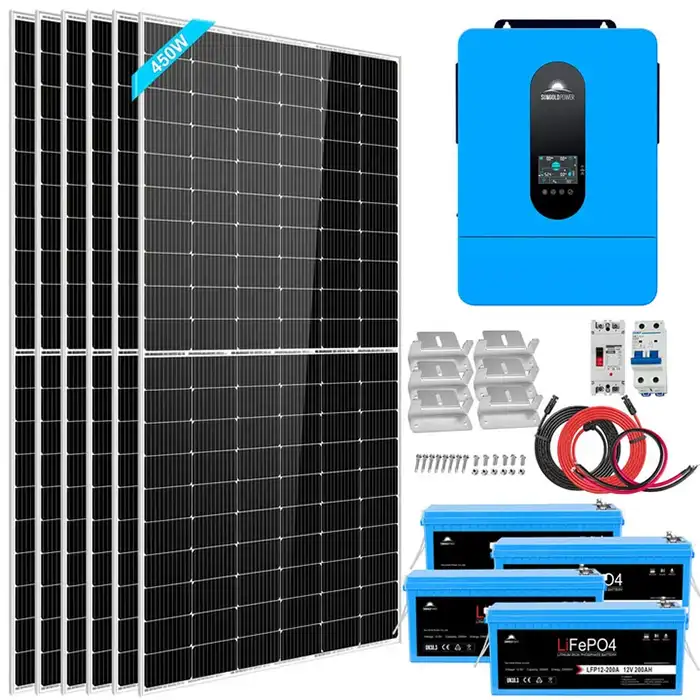
Is it doable solo? Sure, if you’ve wired anything before. Is it a first-electrical-project kind of task? Honestly, no. Budget a full weekend, and don’t rush the panel mounting—a loose Z-bracket in a windstorm is not a mistake you want to make twice.
Battery Performance: LiFePO4 Life in the Cabin
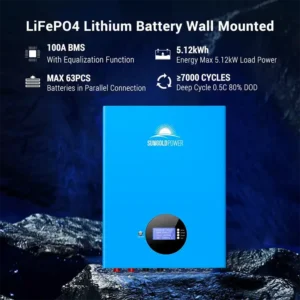
The 10.24kWh LiFePO4 battery is really the heart of this cabin off-grid solar kit 6500W setup, and it held up better than I expected. Over our test window, even on a cloudy stretch, the battery never dropped below about 35% before the next solar recharge kicked back in.
LiFePO₄ chemistry matters here—it’s more heat-tolerant and handles thousands more charge cycles than the lead-acid batteries a lot of older cabin systems still run on. If you’ve dealt with lead-acid before, switching to this feels like trading a flip phone for a smartphone.
Inverter Performance: Running Real Cabin Appliances
The 6500W inverter didn’t blink at running the fridge and well pump simultaneously, even with the microwave kicking on for a reheated lunch. A split-phase 120/240VAC output means it can handle heavier appliances too—think well pumps, HVAC mini-splits, or an electric water heater—without needing a separate step-up transformer.
That said, don’t expect it to run everything at once forever. Stack too many high-draw appliances simultaneously, and you’ll see the inverter’s load percentage climb fast. It’s powerful, not magic.
Solar Panel Output: What 8 x 415W Panels Actually Deliver
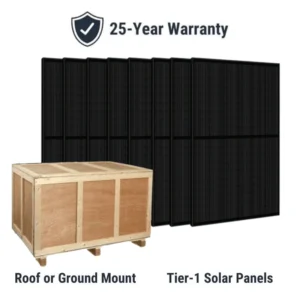
On paper, 8 x 415W panels should produce around 13kWh a day at four peak sun hours. In practice, on a partly cloudy day, we saw closer to 9-10 kWh—which lines up with what most cabin owners report once you factor in panel angle, shading, and less-than-perfect weather.
The takeaway: don’t size your system to the sunniest day of the year. Size it to your worst realistic week, then let the good days top off the battery as a bonus.
Expandability: Can You Grow This 6500W Off-Grid System?
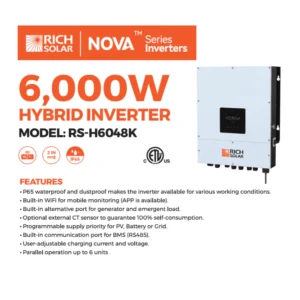
One of the more underrated features here is that you can parallel up to six identical inverters for single-phase, split-phase, or even three-phase setups. That means if your cabin grows into a full-time home, or you add a workshop next door, you’re not stuck starting over—you’re stacking.
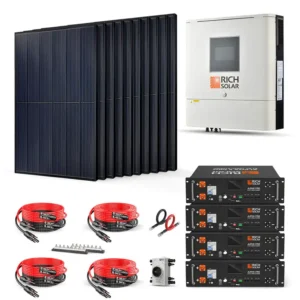
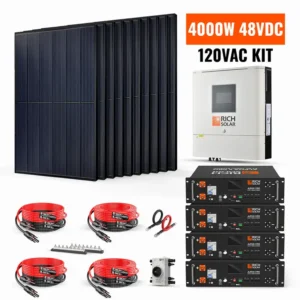
Cabin Off-Grid Solar Kit 6500W vs Rich Solar 6000W Cabin Kit
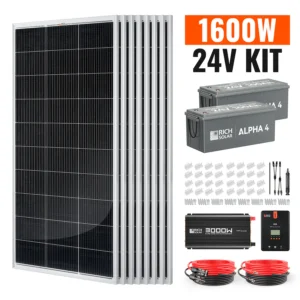
Both systems land in a similar power class, but they solve different problems. The Rich Solar kit leans into plug-and-play simplicity with its pre-wired dual-inverter design, which is great if wiring makes you nervous. The 6500W kit we tested leans into raw configurability—more battery capacity out of the box and a cleaner expansion path if you plan to scale up later. If you want simplicity, go Rich Solar. If you want a system that grows with you, this 6500W kit has the edge.
Who Should Buy This Off-Grid Solar Kit?
This system makes the most sense if you’re powering a cabin, small shop, or weekend retreat that uses somewhere around 300-400kWh a month. If you’ve got a well pump, a fridge, some lighting, and the occasional power tool, this 6500W off-grid solar kit hits that sweet spot without wild overkill.
Who Should Skip It?
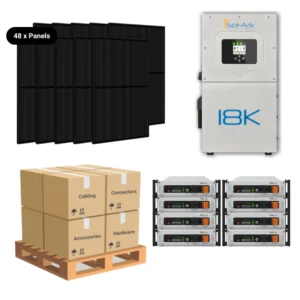
If you’re running a full-time off-grid home with electric heating, multiple fridges, or a home office full of equipment, a single 6500W setup might leave you short during winter’s shorter days. In that case, look at the 8000W kit or plan for that parallel inverter expansion from day one.
Cabin Off-Grid Solar Kit 6500W Review: Pros and Cons
Pros:
- Solid daily output for the price point
- A LiFePO₄ battery outlasts a lead-acid one by a wide margin
- Genuinely expandable up to six paralleled inverters
- Split-phase 120/240 VAC covers most cabin appliances
Cons:
- DIY installation isn’t beginner-friendly
- Real-world solar output drops noticeably under cloud cover
- Battery capacity may feel tight for full-time, year-round living
Common Mistakes When Sizing a 6500W Solar Kit for Cabins
The biggest mistake we see cabin owners make? Sizing for a sunny July afternoon instead of a gray November week. A resilient off-grid solar cabin kit is judged by how it performs on your worst day, not your best one. Build in a buffer; prioritize your critical loads (fridge, water pump) on a separate circuit from your discretionary loads (power tools, AC); and don’t skimp on the battery bank just to save a few hundred dollars upfront.

Maintenance and Longevity Tips
Keep the panels clean — dust and pollen cut output more than people expect. Check your DC and PV breaker connections once a season, since vibration and temperature swings can loosen terminals over time. And don’t let the battery sit fully drained for extended periods; LiFePO4 is forgiving, but it’s not invincible.
A quick seasonal checklist goes a long way: wipe down panels after pollen season, torque-check your breaker terminals before winter, and glance at the inverter’s display for any error codes every time you visit the cabin. None of this takes more than twenty minutes, and it’s the difference between a system that lasts fifteen years and one that quietly degrades because nobody was watching.
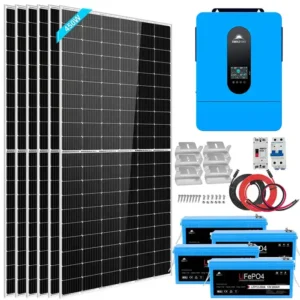
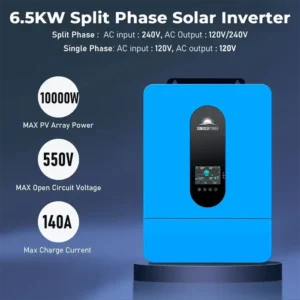
Cost and Long-Term Value
Let’s talk money for a second, because a 6500W off-grid solar cabin kit isn’t an impulse buy. You’re looking at a meaningful upfront investment once you add panels, battery, inverter, and cabling together. But compare that to running a fuel generator for years—the noise, the fuel runs, and the maintenance—and the math starts leaning solar’s way pretty quickly, especially if your cabin already sees regular weekend use.
Think of it less like buying a gadget and more like buying a utility bill you’ll never see again. The break-even point depends heavily on how often you use the cabin and what fuel currently costs you, but for most weekend or seasonal cabin owners, we’re talking a handful of years before the system effectively pays for itself.
Complete Off-Grid Solar System Package Supplier
| Name | Price Range | Discount |
|---|---|---|
| Sun Gold Power | $5,774 – $31,853.00 | 👉 Get Special Offers |
| Rich Solar | $7,999 – $21,599.99 | 👉 Get Special Offers |
| ShopSolarKits | $2,539 – $149,989.99 | 👉 Get Special Offers |
A Quick Word on Climate and Location
Where your cabin sits matters just as much as the kit you buy. A 6500W off-grid solar kit in sunny Arizona is going to outperform the exact same hardware tucked into the Pacific Northwest under near-constant tree cover. Before you buy, it’s worth pulling up your region’s average peak sun hours and comparing them to what we saw during testing — it’ll give you a much more realistic picture of what to expect than the marketing numbers alone.
Final Verdict
Cabin Off-Grid Solar Kit 6500W Review – So, is this cabin off-grid solar kit 6500W worth it? For the right cabin—one pulling somewhere in the 300-400 kWh a month range—yes, absolutely. It handled real appliances, survived cloudy stretches without leaving us in the dark, and left a clear path to expand if our needs grew. It’s not plug-and-play simple, and it’s not cheap, but for anyone serious about ditching the grid (or the generator noise), this is one of the more capable 6500W off-grid solar kits we’ve tested.
✓ EDITOR TESTED
Recommended for cabins using ~300-400 kWh/month.
FAQs About Cabin Off-Grid Solar Kit 6500W
With a fully charged 10.24kWh battery and moderate loads (fridge, lights, well pump), most cabins can coast for roughly one to two cloudy days before needing a meaningful recharge.
A small window or mini-split AC unit is usually fine on its own, but running it alongside other heavy appliances at the same time will push the inverter's load percentage close to its ceiling.
It depends on your local jurisdiction — some counties require permits for battery and inverter installations even off-grid, so it's worth a quick call to your local building department before you start.
Most 6500W kits ship with 6 to 8 panels in the 370-415W range, though exact counts vary by bundle and battery configuration.
Yes — LiFePO4 batteries handle far more charge cycles, tolerate temperature swings better, and don't require the maintenance that lead-acid batteries do, which matters a lot for a cabin you're not visiting daily.
You Might Also Like