Simple DIY Solar Power System: A Beginner’s Step-by-Step Guide (2026)
This guide walks you through exactly what a simple solar power system needs, how to size it, what it’ll cost, and how to avoid the rookie mistakes that trip up almost everyone on their first go. Grab a coffee. Let’s get into it.
What Is a Simple DIY Solar Power System, Really?
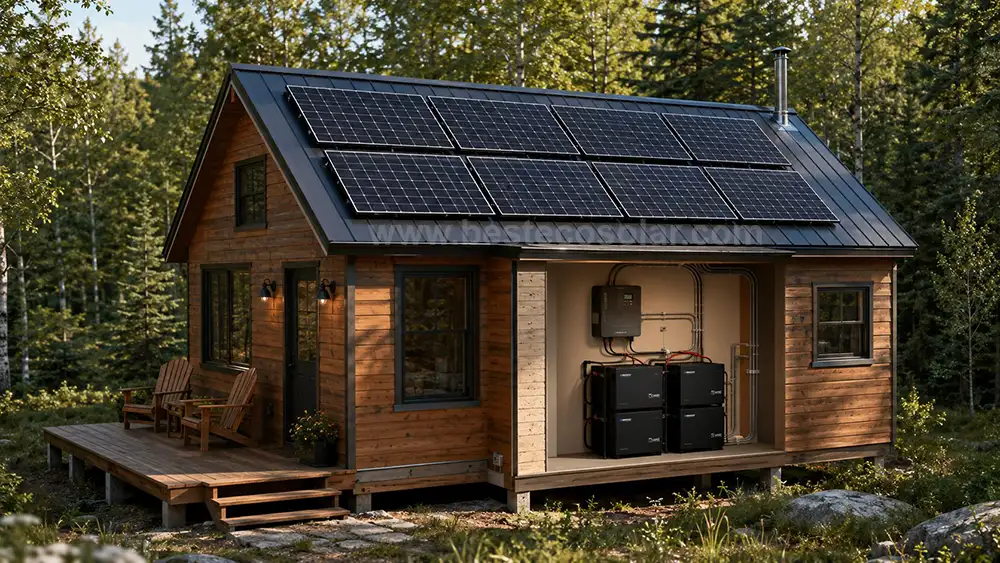
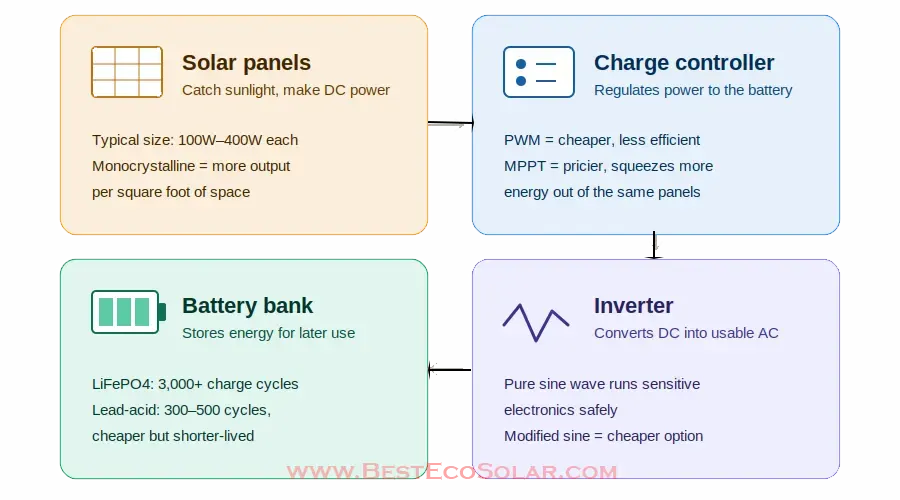
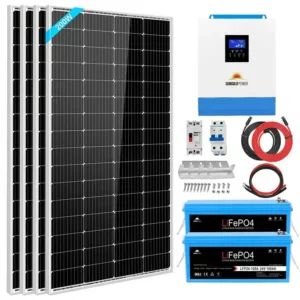
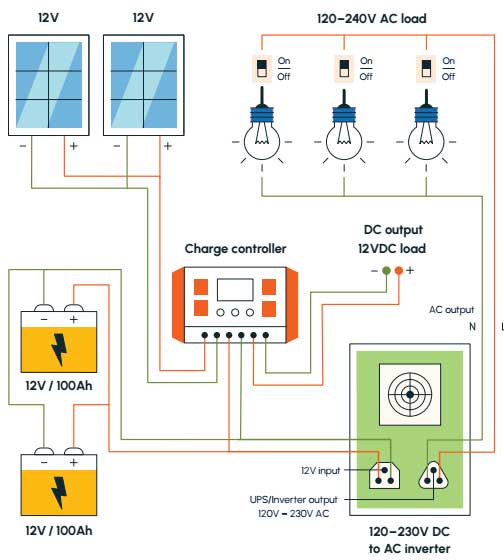
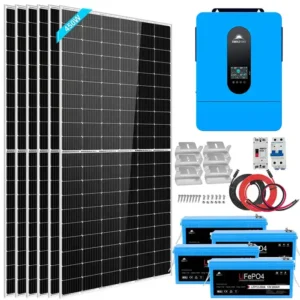
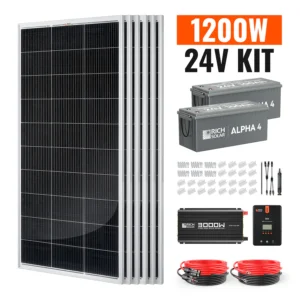
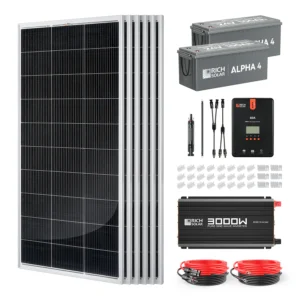
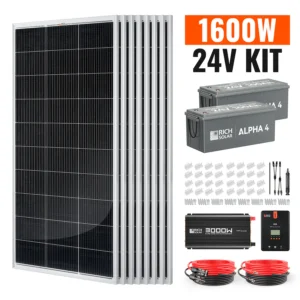
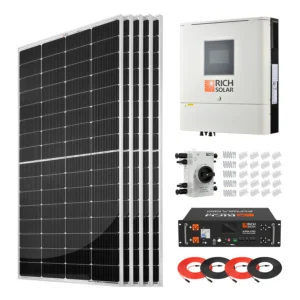
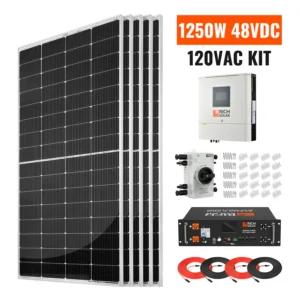
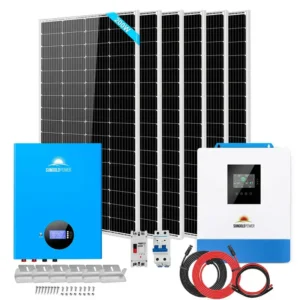
At its core, a simple DIY solar power system is just four parts working together: solar panels, a charge controller, a battery, and an inverter. That’s it. No PhD required.
Think of it like a relay race. The panels catch sunlight and hand off raw electricity to the charge controller. The controller acts like a referee, making sure the battery doesn’t get overcharged or fried. The battery stores that energy like a water tank storing rain. And the inverter is the final leg, converting stored DC power into the AC power your fridge, lamps, or laptop actually understand.
Once you see it that way, the whole “solar is complicated” myth kind of falls apart, doesn’t it?
Why So Many Homeowners Are Building Their Own Small Solar Setup
Professional installation quotes for a full home solar array can run into five figures fast. A basic DIY home solar power system, on the other hand, can be built for a few hundred to a couple thousand dollars depending on size. That price gap is the single biggest reason people go the DIY route.
But it’s not just about money. There’s a real sense of pride that comes from flipping a switch and knowing you wired that circuit yourself. It’s the same feeling you get from growing your own tomatoes instead of buying them—technically you could just buy them, but where’s the fun in that?
Who Should Actually Attempt a DIY Solar Build?
Not everyone needs to swing a hammer here. If you’re comfortable with basic hand tools, don’t mind reading a wiring diagram twice, and can follow instructions without panicking, you’re already qualified. You don’t need an electrical engineering background—you need patience and a willingness to double-check your work.
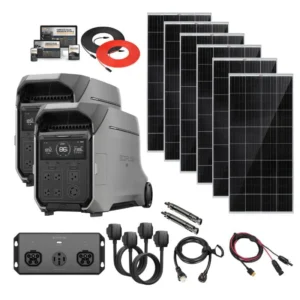
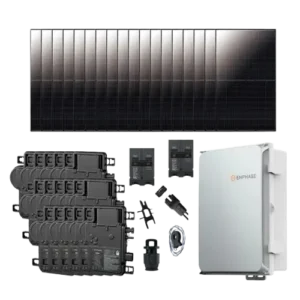
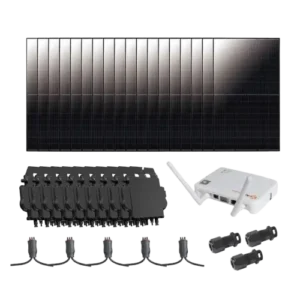
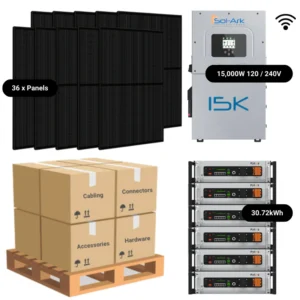
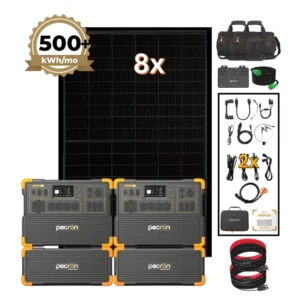
If the idea of touching a wire makes your palms sweat, that’s fine too. Plenty of companies sell pre-wired kits that shrink the “DIY” part down to just bolting panels onto a mount and plugging in a few connectors.
The Core Components of a Simple Solar Power System
Let’s break down what you’re actually buying and why each piece matters.
Solar Panels
This is the collector. Panels are rated in watts, and for a small, simple DIY solar power system, most beginners start somewhere between 100W and 400W per panel. Monocrystalline panels cost a bit more but squeeze more power out of the same square footage—handy if roof or ground space is tight.
Charge Controller
Skipping this component is the fastest way to kill a brand-new battery. A charge controller regulates voltage and current coming from the panels so your battery charges safely instead of getting cooked. There are two main types: PWM (cheaper, less efficient) and MPPT (pricier, but squeezes noticeably more energy out of your panels, especially in cooler or cloudy weather).
Battery Bank
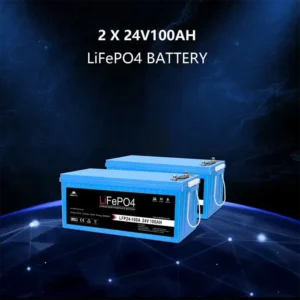
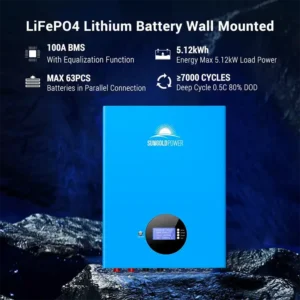
Lithium iron phosphate (LiFePO₄) batteries have basically taken over the DIY solar world in the last couple of years, and for good reason—they last longer, weigh less, and handle deeper discharges than old-school lead-acid batteries. Yes, they cost more upfront, but the lifespan math usually works out in their favor over a five-year window.
Inverter
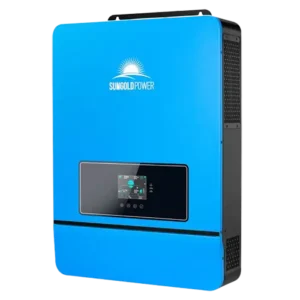
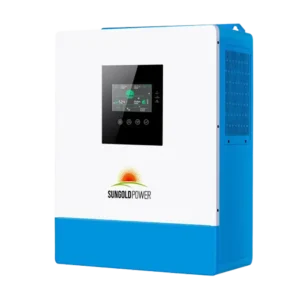
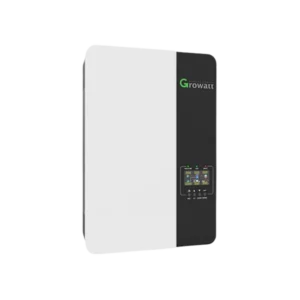
Your inverter turns stored DC battery power into the AC power your household outlets expect. Pure sine wave inverters are worth the extra few dollars—they run sensitive electronics like laptops and medical equipment without the buzzing or damage you sometimes get from cheaper modified sine wave units.
Cables, Fuses, and Mounting Hardware
Nobody gets excited about wire gauges, but this is where corners get cut, and fires start. Undersized cable is a genuine safety hazard. Always size your wire and fuses to the actual amperage your system will carry, with a safety margin.
How to Size a Simple DIY Solar Power System for Your Needs
Here’s where a lot of first-timers freeze up. Sizing doesn’t have to be scary math—it’s basically just addition.
- List every device you want to run and its wattage.
- Multiply by the hours you’ll run it daily to get watt-hours.
- Add it all up for your total daily watt-hour need.
- Divide by your average peak sun hours (usually 4–6 depending on region) to estimate panel wattage.
- Pad the number by 20–25% for cloudy days and system losses.
A small cabin running a mini-fridge, a few LED lights, and phone charging might only need 400–600W of panels and a 1–2 kWh battery. A larger setup running power tools or a well pump climbs quickly from there.
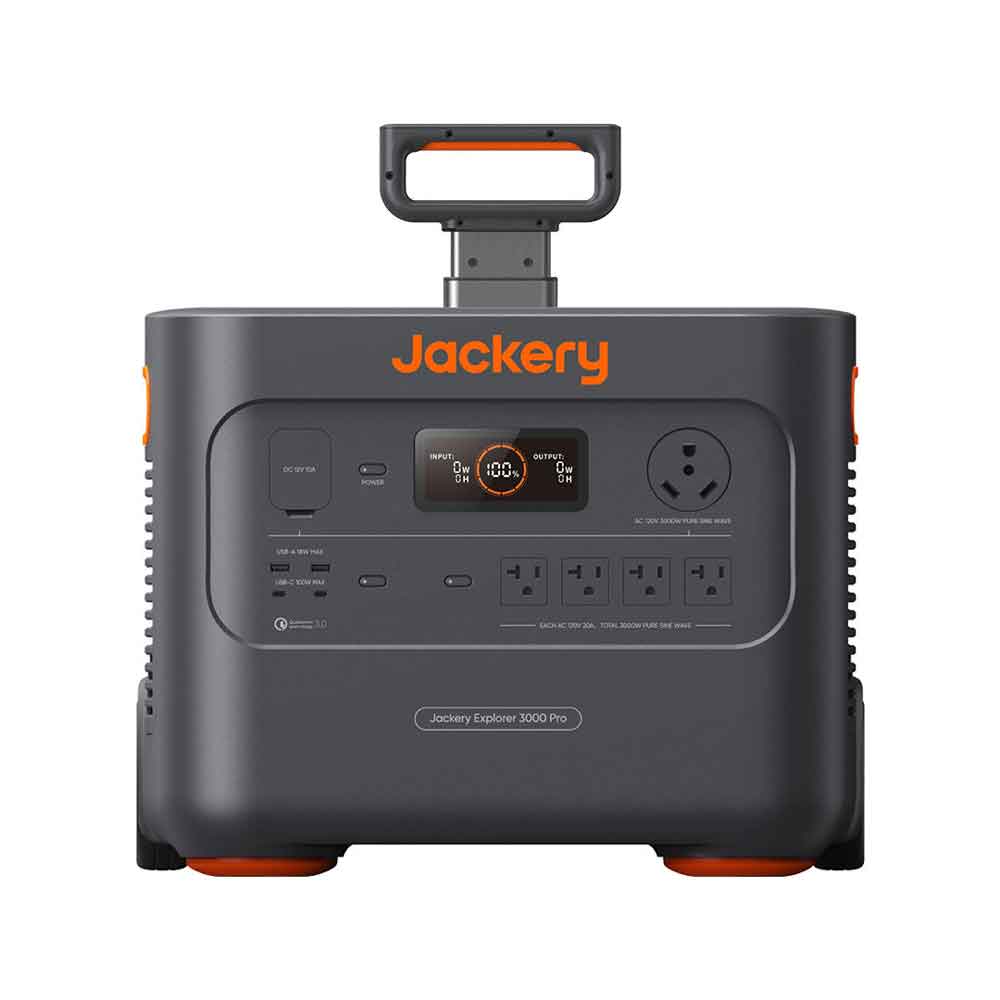
Simple DIY Solar Power System vs. Pre-Packaged Solar Generator Kits
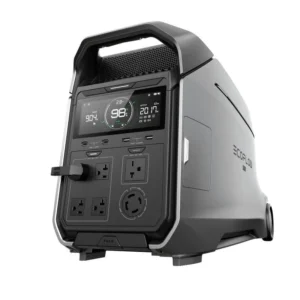
This is the fork in the road most people hit early on. Do you buy individual components and wire them yourself, or grab an all-in-one kit and skip most of the guesswork?
| Factor | Build-Your-Own (Component-Based) | Pre-Packaged Solar Generator Kit |
|---|---|---|
| Upfront Cost | Usually lower if you shop smart | Slightly higher, but bundled discounts help. |
| Setup Time | Longer—expect a full weekend. | Often just a few hours |
| Customization | Total control over every part | Limited to what’s in the box |
| Technical Skill Needed | Moderate to high | Low to moderate |
| Portability | Depends on your design | Usually built for portability |
| Best For | Off-grid cabins, permanent setups | RVs, backup power, first-timers |
Neither option is objectively “better”—it really comes down to how much you enjoy tinkering versus how much you just want power that works.
Step-by-Step: Building Your Simple DIY Solar Power System
- Step 1: Calculate Your Power Needs
We covered this above, but it bears repeating—this is the step that determines everything else. Skip it, and you’ll either overspend on panels you don’t need or undersize a system that leaves you in the dark by 9 p.m. - Step 2: Choose Your Panel Type and Wattage
Decide between rigid panels (more durable, better for permanent mounts) and flexible or portable panels (lighter, easier to move, slightly less efficient over time). - Step 3: Pick a Charge Controller That Matches Your Battery
Match the controller’s amperage rating to your panel array’s output, and always lean toward MPPT if your budget allows it. - Step 4: Select Your Battery Bank
LiFePO₄ batteries are the go-to for most simple solar power system builds today because of their safety profile and long cycle life—often rated for 3,000+ charge cycles compared to 300–500 for basic lead-acid options. - Step 5: Wire Everything Together
Connect panels to the charge controller, the charge controller to the battery, and the battery to the inverter. Follow the manufacturer’s wiring diagrams closely—this isn’t the step to freestyle. - Step 6: Mount Your Panels
Angle matters. A rough rule of thumb is setting your panel tilt close to your latitude for the best year-round average sun exposure, though seasonal adjustments can squeeze out more performance if you’re willing to tweak it twice a year. - Step 7: Test Before You Trust It
Run the system for a few days under normal use before you fully rely on it. Watch how the battery charges and discharges. Small wiring mistakes tend to reveal themselves quickly once real loads are involved.
Common Mistakes First-Time Solar Builders Make
- Undersizing the battery bank and running out of stored power by evening.
- Skipping fuses because “it probably won’t be a problem”—it will eventually be a problem.
- Ignoring shade patterns that shift throughout the day and season.
- Using the wrong wire gauge, which causes voltage drop and heat buildup.
- Forgetting ventilation for battery enclosures, especially with older lead-acid setups.
Honestly, most of these mistakes come from rushing. Slow down, and half your risk disappears.
How Much Does a Simple Solar Power System Cost in 2026?
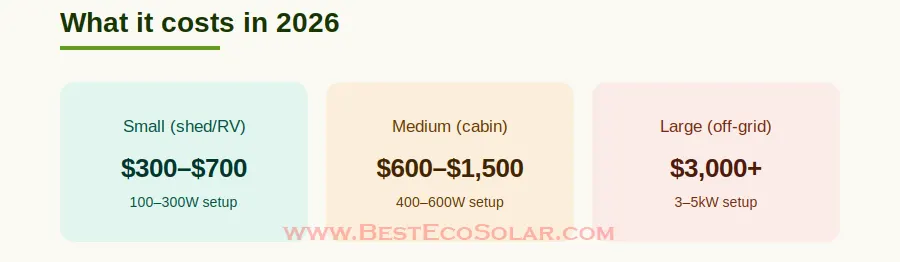
Component prices have kept dropping year over year, which is genuinely good news for anyone starting a simple DIY solar power system project now compared to even three or four years ago. A small 400–600W setup with a basic lithium battery bank commonly lands somewhere in the $600–$1,500 range depending on brand and battery capacity, while larger off-grid cabin setups in the 3–5kW range can run several thousand dollars once you factor in mounting hardware and wiring.
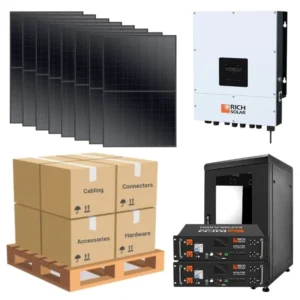
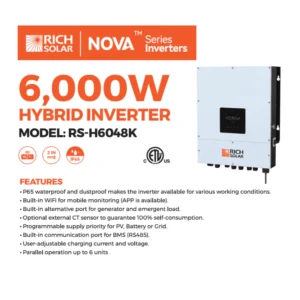
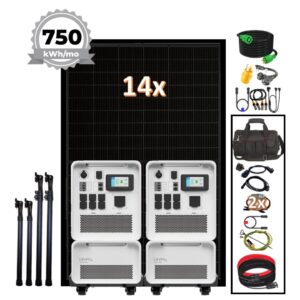
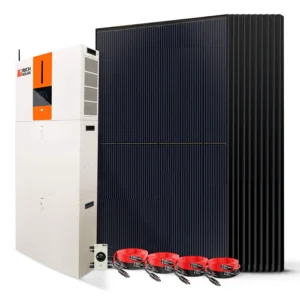
Complete Off-Grid Solar System Package Supplier
| Name | Price Range | Discount |
|---|---|---|
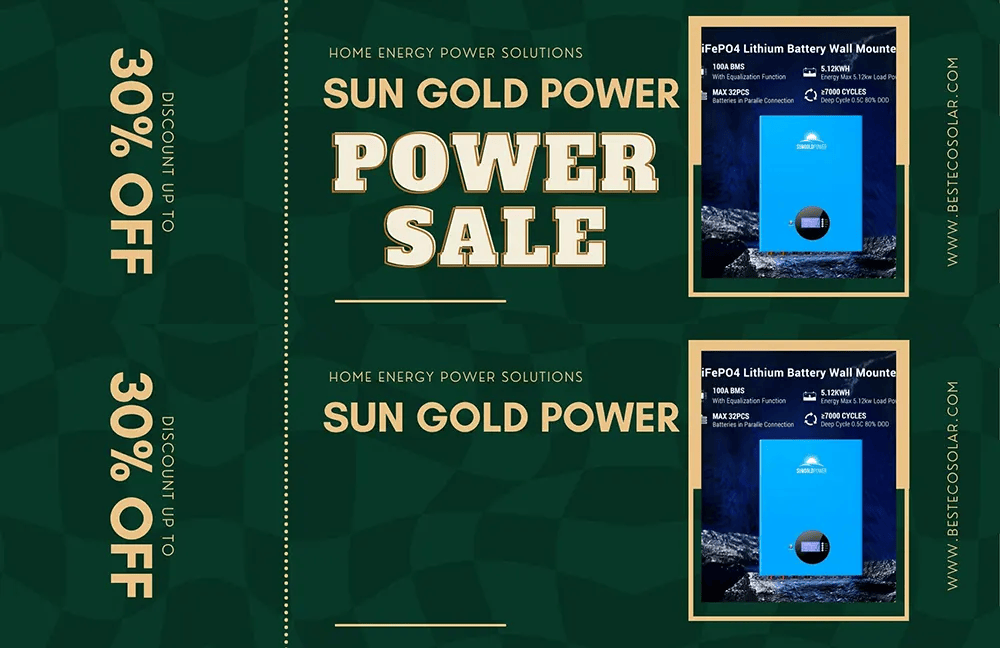
| Sun Gold Power | $5,774 – $31,853.00 | 👉 Get Special Offers |
| Rich Solar | $7,999 – $21,599.99 | 👉 Get Special Offers |
| ShopSolarKits | $2,539 – $149,989.99 | 👉 Get Special Offers |
Off-Grid vs. Grid-Tied: Which Simple Setup Fits You?
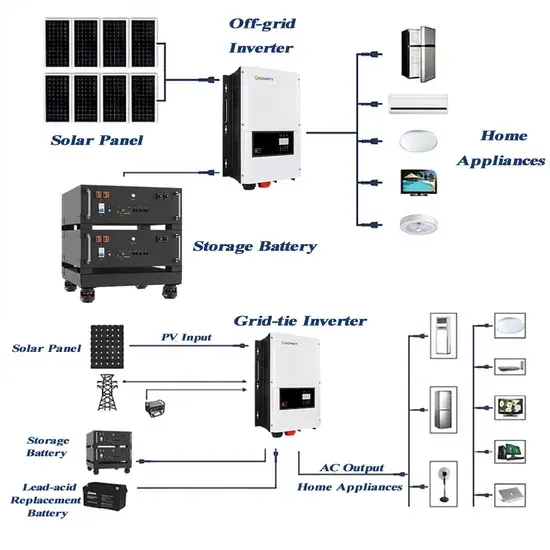
An off-grid system stands completely on its own—no utility connection, total independence, but you’re responsible for every watt you use. A grid-tied system stays connected to the utility, letting you draw extra power when needed and, in many areas, sell surplus energy back.
For a beginner-friendly build focused on simplicity, most people start off-grid on a small scale (a shed, a cabin, or an RV) before ever considering a full grid-tied residential array.
Maintaining Your DIY Solar Power System Long-Term
A well-built system is refreshingly low-maintenance. Wipe panels down a few times a year to clear dust and debris. Check wiring connections annually for corrosion, especially in humid climates. Keep an eye on battery health through your charge controller’s app or display if it has one. That’s genuinely most of it—solar isn’t a system that demands constant babysitting once it’s dialed in correctly.
Think of your panels like a car windshield. You wouldn’t drive around for months with caked-on grime and expect perfect visibility, and your panels don’t perform at their best buried under pollen, bird droppings, or a layer of dust either. A quick rinse with a hose and a soft brush a couple of times a year usually does the trick—no special cleaning products needed.
It’s also worth logging your system’s output occasionally, even just jotting numbers in a notebook. Over a season or two, that log tells you whether your panels are degrading faster than expected or whether a shading issue has crept in that you didn’t notice before.
Most quality panels are rated to retain 80–90% of their original output after 20-25 years, so if you see a sharp drop earlier than that, it’s usually a connection issue rather than the panel itself giving out.
Expanding Your Simple DIY Solar Power System Later
One of the quiet advantages of starting simple is that you’re not locked in. A lot of first-time builders treat their initial setup as a starter home rather than a forever home—they get comfortable with the basics, then add panels, upgrade their battery bank, or swap a PWM controller for an MPPT unit once they understand their actual usage patterns.
If you think expansion might be in your future, it pays to plan a little ahead. Oversizing your charge controller slightly, choosing a battery system that supports easy paralleling, and leaving physical space on your mounting structure for a couple more panels can save you from tearing everything apart down the road.
It’s the solar equivalent of building a deck with the framing already in place for that hot tub you might add someday.
Simple DIY Solar Power System for Different Use Cases
Not every build looks the same, and that’s kind of the beauty of going the DIY route—you tailor it to what you actually need.
- Tiny sheds and workshops: A single 100–200W panel paired with a small battery can keep lights and a phone charger running comfortably.
- RVs and camper vans: Portable or roof-mounted panels in the 200–400W range, combined with a lithium battery bank, usually cover lighting, device charging, and a small fridge.
- Cabins off the grid: This is where things scale up—1kW to 3kW of panels and several kilowatt-hours of battery storage to handle appliances, water pumps, and seasonal variation in sunlight.
- Backup power for outages: A modest system paired with an automatic transfer switch can keep essentials like a fridge, medical equipment, or a sump pump running when the grid goes down.
Matching your build to your actual use case — instead of copying someone else’s spec sheet — is honestly the single best way to avoid overspending on capacity you’ll never use.
Safety Considerations You Shouldn’t Skip
Electrical work carries real risk, and solar systems involve both DC and AC currents that behave differently. Always disconnect panels before working on wiring, use properly rated fuses and breakers, and if you’re tying into your home’s existing electrical panel, strongly consider having a licensed electrician review or handle that specific connection. Saving money is great—starting an electrical fire is not.
Cover your panels or work during early morning or late evening hours when sunlight is weakest, since panels generate voltage the moment light hits them, live or not.
Keep a basic fire extinguisher rated for electrical fires near your battery storage area, and never mix battery chemistries in the same bank—pairing an old lead-acid battery with a new lithium unit, for instance, is asking for charging and lifespan headaches down the line.
None of this is meant to scare you off. It’s just the kind of due diligence that separates a smooth, satisfying project from a costly do-over.
Is a Simple DIY Solar Power System Worth It in 2026?
Given falling battery prices, wider availability of plug-and-play components, and genuinely better documentation from manufacturers than we had even a couple of years back, the barrier to entry for DIY solar has never been lower. If you’ve got a project in mind—a shed, a cabin, backup power for outages—a simple DIY solar power system is one of the more satisfying weekend projects you can tackle, and it pays you back in savings every single month afterward.

Conclusion
A simple DIY solar power system really does boil down to four components working in harmony: panels, a charge controller, a battery, and an inverter. Size it based on real numbers, not guesswork. Choose quality wiring and safety gear even if it costs a little more.
And don’t let the idea of “electrical work” scare you off—thousands of everyday homeowners have built their own systems with nothing more than patience, a multimeter, and a weekend to spare. Start small, learn as you go, and you might just find yourself hooked on chasing every extra watt of sunshine you can capture.
FAQs About Simple DIY Solar Power System
It depends entirely on your daily power usage, but most small beginner setups start with one to four panels in the 100–400W range each, totaling somewhere between 400W and 1,200W.
Yes, especially if you start with a pre-packaged kit designed for beginners. Component-based builds are doable too, but they require more careful attention to wiring diagrams and safety steps.
Buying individual components (panels, controller, battery, inverter) separately and shopping sales is usually cheaper than an all-in-one kit, though it demands more research and DIY know-how.
For small, portable, or off-grid setups not tied into your home's electrical panel, permits are often unnecessary. If you're connecting to your home's wiring or planning a grid-tied system, check local codes first.
LiFePO4 batteries commonly last 3,000+ charge cycles, which can translate to 8–10+ years of regular use, while lead-acid batteries typically need replacing every 2–4 years.
You Might Also Like