
Solar Inverter Questions Answered Truths: 21 Burning Questions Answered (CPAP, Selling Your Home & More)
I’ve gathered 21 of the most head-scratching, real-life queries people actually type into search bars at 2 a.m. We’re covering everything from CPAP machines to selling your house, battery math, and whether you can sleep next to one without growing a third ear. Grab a coffee; this is going to be a ride.
What Even Is a Solar Inverter, and Why Should You Care?
Solar Inverter Questions Answered – Before we dive into the nitty-gritty, picture this: solar panels are like an international chef who only speaks DC (direct current). Your home appliances, on the other hand, only understand AC (alternating current). The inverter is the genius translator in the middle.
Without it, all that sunlight is just a pretty science experiment on your roof. Now, with that image in your head, let’s start answering those burning questions one by one.
The Dark Side of Solar Inverters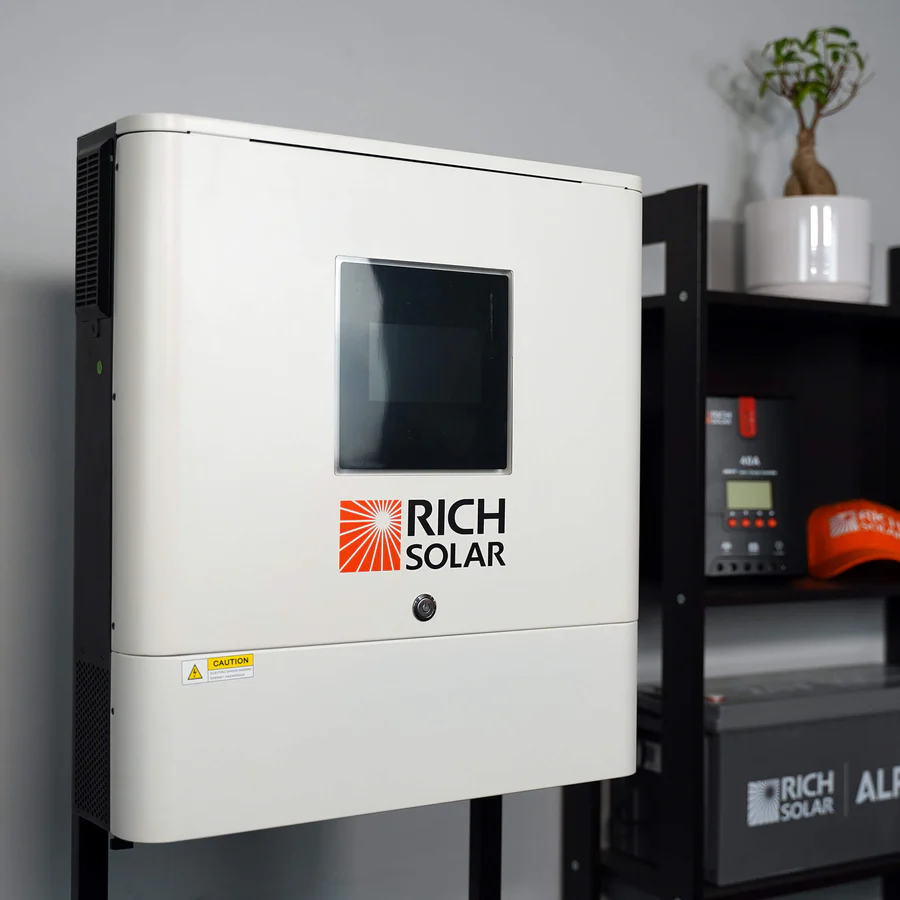
1. What are the disadvantages of a solar inverter?
Nothing in life is perfect, and solar inverters definitely bring a few frowns to the party. First, they’re the most likely component in your solar setup to wave the white flag early. While panels can chug along for 25-30 years, inverters typically throw in the towel after 10-15 years.
That means you’ll be budgeting for a replacement just when you thought your system was “set and forget.” Second, they can be surprisingly noisy. Some string inverters hum or buzz during peak production, which is not exactly a lullaby if it’s mounted near your bedroom. Third, shading is their kryptonite.
If one panel in a string falls under a shadow, the whole string’s output can nosedive like a clumsy seagull. Lastly, heat is a slow killer. Stick an inverter in a poorly ventilated garage, and you’ve basically signed it up for an early retirement.
Which is better, a solar inverter or a regular inverter?
Ah, the classic showdown. A “regular” inverter (often called a standalone or off-grid inverter) just converts DC from batteries to AC for your appliances. A solar inverter, especially a hybrid one, has a fancier job: it manages power from panels, charges batteries, and may even sync with the grid.
So which wins? If you have solar panels, a solar inverter is a no-brainer – it’s the brains of the operation. But if you’re just looking for backup power during outages and have no panels, a regular inverter paired with batteries will do the trick. Think of a solar inverter as a Swiss Army knife, while a regular inverter is more like a single, sturdy blade. Different missions, different tools.
Solar Inverter Questions Answered: Lifespan, Murder, and Automatic Shutdowns
1. How long do solar inverters usually last?
Most string inverters live a respectable 10 to 15 years. Microinverters, which cozy up behind each panel, often stretch that to 20–25 years with warranties to match. But “last” doesn’t mean “function at peak performance” forever.
Toward the end, you might see error codes blinking like a cheap motel sign. Treat your inverter well – keep it cool, dust-free, and out of direct sun – and you might squeeze out a few extra years.
2. What kills an inverter?
Inverters die from a handful of repeat offenders. Heat sits at the top of the most-wanted list; prolonged high temperatures degrade capacitors and semiconductor components. Moisture and dust sneak inside and cause corrosion or short circuits.
Overloading – plugging in more wattage than the inverter can handle – triggers a cascade of internal stress. Grid surges and lightning strikes are the dramatic cousins that can fry sensitive electronics in a heartbeat. Even poor installation, like undersized cables or loose connections, can cause arcing and silent heat buildup.
Treat your inverter like a beloved but grumpy old dog: keep it cool, clean, and don’t ask it to do things it wasn’t built for.
Do inverters shut off automatically?
Yes, and that’s actually a feature, not a bug. Modern inverters have protective circuits that automatically disconnect when they detect something fishy – low battery voltage, overload, short circuit, overheating, or grid instability. It’s the inverter’s way of saying, “I’d rather take a nap than explode.” Once the issue is resolved, many will restart on their own as if nothing happened.
Solar Inverter Questions Answered: Nighttime, 24/7 Use, and the On/Off Tango
1. Does the solar inverter turn off at night?
For grid-tied systems without batteries, the inverter typically goes into standby or sleep mode when the panels stop producing. It’s not fully “off” in the sense of being disconnected, but it’s sipping a tiny amount of power and waiting for sunrise like a cat staring at a window.
If you have a hybrid inverter with batteries, it might stay awake all night, quietly powering your home from stored energy.
2. Do solar inverters go offline at night?
They effectively go offline in terms of solar production. No sun means no DC input, so the inverter has nothing to convert and stops exporting energy. If you’re monitoring your system via an app, you’ll see the status change to “sleeping” or “night mode.” It’s perfectly normal and not a sign that your inverter is ghosting you.
3. Can you run an inverter 24 hours a day?
Technically, yes – if the inverter is designed for continuous operation and you have a sufficient battery bank or grid feed to back it up. But “can” doesn’t always mean “should.” Heat buildup is cumulative. Even a well-designed unit needs downtime to cool off if it’s running at near-capacity 24/7. For a solar inverter, running around the clock usually only happens if you’ve got batteries and live off-grid; otherwise, it will cycle with the sun.
4. Should I leave my inverter on all the time?
If you have a grid-tied system with no batteries and the grid is healthy, leaving it on is standard practice. The inverter handles the on/off cycles automatically. For off-grid or backup systems, leaving the inverter on is fine as long as the load is managed and batteries are maintained.
The real question is whether to physically switch it off during long absences. If you’re going away for months, shutting down and following the manufacturer’s sequence (AC off first, then DC) can prevent phantom loads and potential damage from grid events.
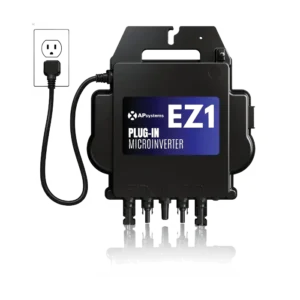
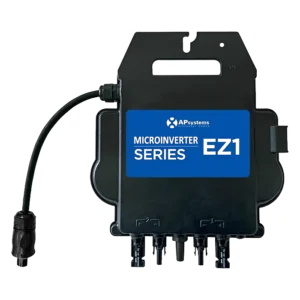
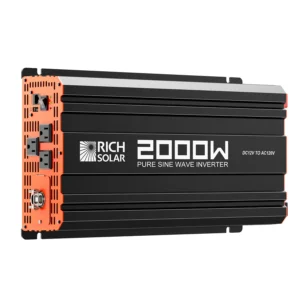
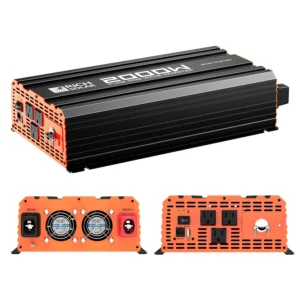
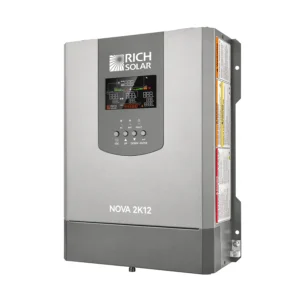
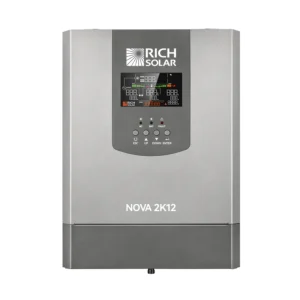
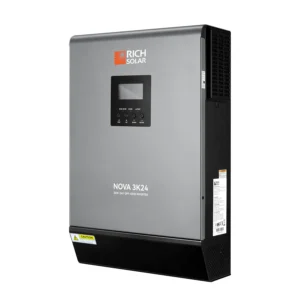
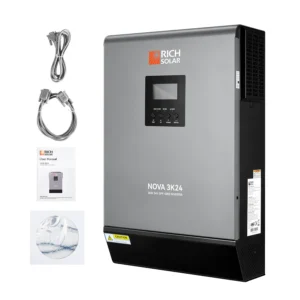
5. How do I shut off my solar inverter?
Never just yank wires. Follow the shutdown procedure like a pilot going through a pre-flight checklist – but in reverse. Usually, it’s: turn off the AC isolator (the breaker connecting the inverter to your home/grid), then turn off the DC isolator (the switch from the panels). Some inverters have a built-in DC switch. Always check the manual. If you’re unsure, call an electrician. Electricity plays by physics rules, not feelings.
Appliances, Battery Math, and Wiring Fails
1. What should you not plug into an inverter?
Resistive loads like heaters, kettles, and toasters are technically fine, but they’ll drain your battery faster than a teenager raiding the fridge. The real enemies are inductive loads with huge startup surges – think large power tools, compressors, and some well pumps.
Non-linear loads like cheap LED drivers and certain chargers can produce dirty waveforms that stress the inverter. And please, for the love of all things electrical, never backfeed an inverter’s output into a wall outlet (suicide cord). That’s not just a “don’t”; it’s a “you might kill a lineman” scenario.
2. What appliances should not be used with an inverter?
Medical devices with life-support criticality shouldn’t rely on a basic inverter unless it’s a pure sine wave unit with rock-solid stability. Large induction motors (air conditioners, heavy shop tools) are often incompatible with smaller inverters because the inrush current can trip protection circuits instantly.
Laser printers and old CRT TVs can also draw erratic spikes. When in doubt, check the appliance’s peak wattage and multiply by 1.5 to see if your inverter can handle the starting surge.
3. What are common inverter wiring mistakes?
Oh, where to start? Using cables that are too thin is like trying to drink a thick milkshake through a coffee stirrer – you’ll get a voltage drop and heat buildup. Reversing polarity on the DC side can instantly fry the inverter’s internals. Loose connections lead to arcing, and arcing is a fire hazard. Not using fuses or breakers appropriately is a gamble nobody wins.
Finally, daisy-chaining extension cords from the inverter instead of a proper distribution panel is asking for trouble. Remember, electricity is lazy; it takes the path of least resistance, and if you give it a bad path, it’ll turn your wire into a toaster.
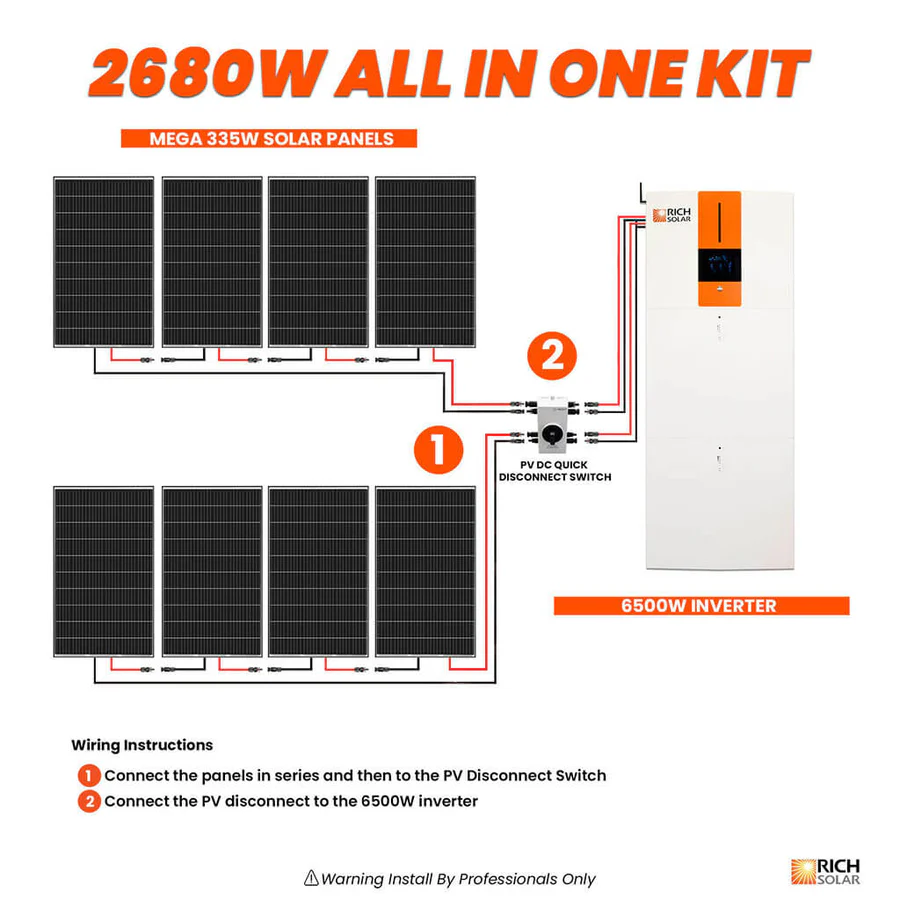
4. How big a battery do I need to run a 3000W inverter?
A 3000W inverter can pull a massive current from your battery bank. At 12V, that’s around 250 amps at full tilt – yikes. To run it safely for any meaningful time, you’d need a battery bank rated at least 250Ah at 12V (or better, 48V) to avoid discharging too deeply and damaging the batteries.
The real answer depends on how long you want to run it. Want to power a 3000W load for an hour? You’re looking at roughly 250Ah of usable capacity. Since lead-acid batteries shouldn’t drop below 50%, double that to 500Ah. Lithium batteries give you more usable juice, so around 300Ah at 12V.
But honestly, for a 3000W load, moving to a 24V or 48V system is much smarter – it halves or quarters the current, reduces wire size, and keeps things cooler.
The CPAP Connection
1. Can I run my CPAP with an inverter?
Absolutely, and for many people, it’s a game-changer during camping trips or power outages. The key is using a pure sine wave inverter. CPAP motors and their internal electronics can act up on modified sine wave power, sometimes running noisier, hotter, or just throwing error codes.
A small, efficient pure sine wave inverter paired with a deep-cycle battery will keep you breathing easy all night. Don’t forget to turn off the humidifier or heated tubing if you’re running on batteries – those heaters suck power like there’s no tomorrow.
2. How big of an inverter do I need for a CPAP?
Most CPAP machines without a heated humidifier draw between 30 and 60 watts. With the humidifier cranked, it can jump to 90–150 watts. A 150W to 300W pure sine wave inverter is usually plenty, giving you headroom for startup surges. I’d lean toward a 300W unit so the inverter isn’t running at its ragged edge all night, which keeps it cooler and quieter.
3. Why do so many people quit CPAP?
These solar inverter questions answered might seem like they wandered in from a sleep clinic, but it’s tightly linked to power reliability. Many CPAP quitters cite discomfort – mask leaks, dry mouth, claustrophobia, or just the sheer annoyance of wearing something on their face. But here’s the inverter angle: imagine waking up in the middle of a power outage because your machine died.
That terrifying, gasping moment can make someone hate the device. Having a reliable battery backup inverter setup removes one big psychological barrier. If you know your CPAP will keep humming no matter what, you’re more likely to stick with the therapy long enough to feel the life-changing benefits.
The Homeowner’s Dilemma
1. Why is it so hard to sell a house with solar panels?
You’d think solar panels would be a glowing gold star on a listing, but the reality can be messy. The biggest headache? Leased panels or a power purchase agreement (PPA). Buyers often don’t want to take over someone else’s solar loan or lease terms, and the contracts can be a nightmare to transfer.
Even owned panels can scare off buyers if the system looks old, poorly maintained, or was installed by a fly-by-night company. Add to that appraisers who sometimes don’t know how to value solar, and you’ve got a recipe for stalled sales. If you’re selling, own the system outright, have all the paperwork ready, and highlight the utility savings like a neon sign.
2. Do I need an inverter if I have solar panels?
Yes, unless your panels are connected to microinverters that already handle DC-to-AC conversion at the panel level. Most traditional systems use a central string inverter. If you’ve got a battery-based system, you’ll have a hybrid inverter that manages both. The bottom line: solar panels produce DC electricity, and your house runs on AC, so an inverter of some flavor is non-negotiable.
3. What is the 20% rule for solar panels?
This isn’t an inverter rule per se, but it directly affects inverter sizing. The “20% rule” (technically, the 120% rule) comes from the National Electrical Code. It says that the sum of the main breaker rating and the inverter backfeed breaker can’t exceed 120% of the busbar rating in your electrical panel.
In plain English, if you have a 200A panel with a 200A busbar, you can add a solar inverter breaker up to 40A (200A × 120% = 240A, minus 200A main = 40A allowed for solar).
This can limit how large an inverter you can safely connect without a panel upgrade. It’s why some solar installers scratch their heads and mutter about “derating the main breaker.” Important stuff if you’re dreaming of a massive array.
Safety, Placement, and Peace of Mind
Is it safe to sleep near a solar inverter?
For most modern inverters, yes – but with caveats. They emit electromagnetic fields (EMF), but levels are typically low and well within international safety standards. The bigger nuisances are noise and heat. Some inverters have cooling fans that cycle on and off, and the subtle hum of a transformer can drive light sleepers up the wall.
If you’re placing one in a bedroom or an adjacent closet, check the decibel rating. Many people keep them in garages or utility rooms just to be safe and quiet.
Conclusion: Your Inverter Isn’t Just a Box, It’s the Boss
There you have it – 21 real Solar Inverter Questions Answered. Solar inverters might seem like a background player, but they’re actually the stage manager calling all the shots.
From making sure your CPAP breathes through a blackout to understanding why that house down the street with panels hasn’t sold in six months, inverters touch our lives more than we realize. Treat yours with respect, size it properly, and don’t be afraid to ask the “dumb” questions – because the only dumb question is the one that leaves you in the dark.


FAQs About Solar Inverter
Yes, grid-tied solar inverters operate without batteries by feeding power directly into your home and the utility grid. When the grid goes down, however, they shut off for safety unless you have a hybrid inverter with battery backup or an islanding feature.
Keep it clean, dry, and well-ventilated. Check for dust-clogged vents, ensure no leaves or debris are blocking airflow, and visually inspect the display for error codes. Schedule a professional inspection every few years to torque connections and test performance.
It depends on your peak load, but a typical home might require a 5000W to 8000W inverter with the ability to surge higher for motors starting. Conduct a load audit, tally up the wattage of appliances you might run simultaneously, and add a 20% safety margin.
Hybrid inverters combine solar conversion, battery charging, and backup power management in one unit. They’re “better” if you plan to add batteries now or later, but they cost more upfront. Standard string inverters are simpler and cheaper for straight grid-tie systems.
Passively cooled inverters are virtually silent. Fan-cooled models produce a low hum or whir that varies with load. To reduce noise, mount the inverter on a solid surface using rubber gaskets, avoid enclosed echoey spaces, and clean the fans periodically.
You Might Also Like