
LiFePO4 Deep Cycle Battery: The Ultimate 2026 Guide to Long-Lasting Energy Storage
LiFePO4 stands for lithium iron phosphate—a mouthful, I know. But don’t let the chemistry jargon scare you off. Think of it as the “sensible older sibling” of the lithium battery family. While your smartphone’s lithium-ion battery might get a little too hot under the collar sometimes, a lithium iron phosphate deep cycle battery stays cool, calm, and collected. It’s built for the long haul, not quick bursts.
LiFePO4 Deep Cycle Battery – Here’s the thing: traditional lead-acid batteries have been the workhorses of energy storage for over a century. They’re like that old pickup truck your grandpa swears by—reliable in its own way, but guzzling fuel and needing constant tinkering. A LiFePO4 deep cycle battery? That’s the electric vehicle of the battery world. Sleeker, smarter, and surprisingly more affordable over time than you’d think.
The market certainly agrees. In 2025, the global lithium iron phosphate battery market was valued at roughly $1.48 billion, and analysts project it’ll surge to $4.65 billion by 2033—a compound annual growth rate of 15.4%. That’s not a trend; that’s a tidal wave.
So whether you’re powering an off-grid cabin, keeping your RV fridge humming, or storing solar energy for a rainy day, understanding this technology isn’t just helpful—it’s essential.

How Does a Lithium Iron Phosphate Deep Cycle Battery Actually Work?
Let’s peel back the curtain without getting too lost in the science weeds. At its core, a LiFePO4 deep cycle battery moves lithium ions back and forth between two electrodes: the cathode (made of lithium iron phosphate) and the anode (usually graphite). When you draw power, ions flow one way. When you charge, they flow back. Simple, right?
But here’s where it gets interesting. Unlike other lithium chemistries that use cobalt or nickel, the iron phosphate composition is remarkably stable. Imagine building a house with reinforced concrete instead of matchsticks. That’s the difference in thermal stability. This chemistry doesn’t just resist catching fire—it practically laughs at the idea.
The “deep cycle” part is crucial, too. A standard car battery is built for short, sharp bursts of energy—like a sprinter. A deep-cycle LiFePO4 battery is a marathon runner.
It’s designed to discharge slowly and deeply, often down to 20% of its capacity, without breaking a sweat. Lead-acid batteries? They start gasping for air if you drain them below 50%. It’s like comparing a professional athlete to someone who only exercises on January 1st.
And because the internal chemistry is so straightforward—no complex state changes, no sulfation nightmares—the charging process is almost ridiculously efficient. We’re talking 98% charge efficiency. That means nearly every electron your solar panels harvest actually makes it into storage, instead of being wasted as heat.
LiFePO4 Battery vs Lead Acid: The Showdown You’ve Been Waiting For
Okay, let’s address the elephant in the room. Lead-acid batteries are cheaper upfront. You can grab one for around $200. A quality 12V LiFePO4 battery might set you back $1,000 or more. So why on earth would anyone pay five times the price?
Because the math changes dramatically when you zoom out.
1. Lifespan: It’s Not Even Close
A typical lead-acid battery lasts 3 to 5 years and delivers 500 to 800 cycles before its capacity nosedives. A lithium iron phosphate deep cycle battery? Try 6,000 to 10,000 cycles, with a lifespan stretching 15 to 20 years. That’s not just double or triple—it’s an entirely different category of durability.
Think of it like buying shoes. You could buy a $30 pair every six months, or invest $150 in a pair that lasts a decade. Which is the better deal?
2. Usable Capacity: The Hidden Advantage
Here’s a trick lead-acid manufacturers don’t advertise: you can only use about 50% of the battery’s rated capacity without damaging it. So your “200Ah” lead-acid battery? It’s really a 100Ah battery wearing a disguise.
A LiFePO4 deep cycle battery lets you use 80% or more of its capacity safely. That means a smaller, lighter lithium battery can do the same job as a much larger lead-acid one. It’s like the difference between a duffel bag and a well-designed suitcase—same stuff, half the bulk.
3. Weight: Your Back Will Thank You
Lead-acid batteries are brutally heavy. A typical solar home setup can involve batteries weighing up to 350 pounds. An equivalent lithium iron phosphate deep cycle battery? Around 23 pounds. That’s nearly two-thirds lighter. Installation becomes a one-person job instead of a team lift, and shipping costs drop by roughly 80%.
4. Maintenance: Set It and Forget It
Flooded lead-acid batteries are needy. They demand distilled water top-ups, terminal cleaning, and careful venting to avoid explosive gas buildup. It’s like having a high-maintenance houseplant that could explode if you forget to water it.
A LiFePO4 deep cycle battery with an integrated Battery Management System (BMS) is essentially maintenance-free. No watering, venting, or acid spills. Just mount it and move on with your life.
| LiFePO4 | Lead Acid | |
|---|---|---|
| Rated Voltage(V) | 3.2 | 2.0 |
| Charging Voltage(V) | 3.65 | 2.4 |
| Charging Speed | Fast Charge | Slow Charge |
| Life Cycle | >4000 cycles | 400 – 500 cycles |
| High Temperature Fatigue Life (55°C) | 800 | 100 |
| Energy Density (W/Kg) | 130 | 30 |
| Output (W/Kg) | 10 C | 1 C |
| Safety | Very good | Normal |
| Self-Discharge Rate/M | Less than 3% | 5% – 6% |
| Temperature | -20°C ~ 60°C | -20°C ~ 40°C |
| Ingredients | Environmental Friendly | Lead, Toxic Ingredients |
| High Power Efficiency | Very good | Poor |
| Initial Investment | High | Low |
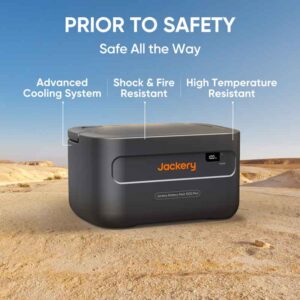
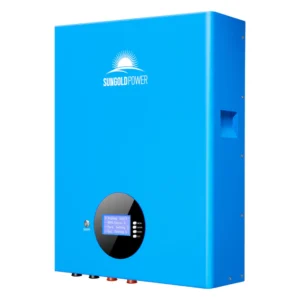
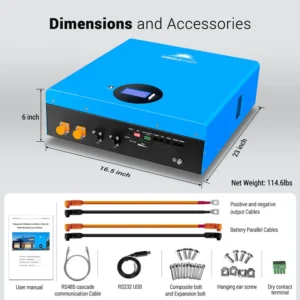

Performance in Extreme Conditions: Hot, Cold, and Everything Between
Batteries don’t exist in a climate-controlled laboratory—they live in the real world. And the real world throws curveballs.
1. Cold Weather Performance
Picture this: it’s 15°F (-9.4°C), and you’re relying on battery power in an off-grid cabin. A lead-acid battery under an 80-amp load? It might deliver less than 1 amp-hour. That’s not a typo—less than one. A LiFePO4 deep-cycle battery under the exact same conditions? A rock-solid 154 amp-hours.
It’s the difference between a flashlight that flickers out and one that cuts through the darkness. For RVers, mariners, and off-grid enthusiasts in northern climates, this isn’t a nice-to-have—it’s a lifeline.
2. Hot Weather Resilience
Heat is kryptonite to lead-acid batteries. They degrade faster, lose water more quickly, and their lifespan plummets in warm climates. A lithium iron phosphate deep cycle battery remains stable and efficient even when the mercury climbs. No toxic gas venting, no accelerated corrosion, no panic.
3. Charge Speed: Time Is Money
Lead-acid batteries can take up to 12 hours to fully charge. A LiFePO4 deep cycle battery? About 4.9 hours under optimal conditions. In solar applications, that means you can capture more of that precious midday sun and store it before the clouds roll in. It’s like having a wider funnel for your energy harvest.
The Battery Management System: Your Silent Guardian
If the battery cells are the heart of a LiFePO4 deep cycle battery, the Battery Management System (BMS) is the brain—and the bodyguard. This little circuit board does the heavy lifting that most users never think about.
- It monitors cell voltage to prevent overcharging (which can degrade cells) and over-discharging (which can damage them permanently).
- It balances the charge across individual cells so no single cell gets overworked.
- It monitors temperature and can disconnect the battery if things get too hot or too cold.
- Some advanced BMS units even communicate with your inverter or charge controller via Bluetooth.
Think of it like an autopilot system for your battery. You don’t need to be a pilot to fly; you just need to trust the systems. With a quality BMS, your lithium iron phosphate deep cycle battery essentially manages itself.

Key Specifications You Need to Understand Before Buying
Shopping for a LiFePO4 deep cycle battery can feel like reading a foreign language if you don’t know the lingo. Let me translate the most critical specs:
- Voltage: The most common options are 12V, 24V, and 48V. A 12V LiFePO4 deep cycle battery is the drop-in replacement for standard lead-acid setups, making it ideal for RVs, boats, and small solar systems.
- Capacity (Ah): This tells you how much energy the battery can store. A 100Ah battery at 12V stores 1,200 watt-hours. For context, that’s enough to run a typical RV refrigerator for about two days.
- Cycle Life: Look for 4,000+ cycles at 80% depth of discharge. Premium brands now offer 6,000 to 10,000 cycles.
- Depth of Discharge (DoD): How much of the battery you can safely use. LiFePO4 typically allows 80-100% DoD versus lead-acid’s 50%.
- Continuous Discharge Rate: Measured in amps or as a “C-rate” (where 1C = the battery’s capacity in one hour). For most applications, 0.2C to 0.5C is the sweet spot for longevity.
- Operating Temperature Range: Quality LiFePO4 deep cycle batteries operate from -4°F to 140°F (-20°C to 60°C), though charging below freezing usually requires a heating element.
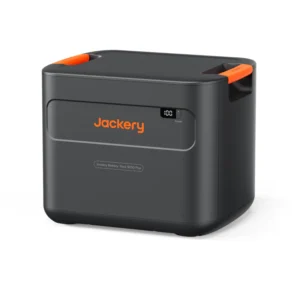
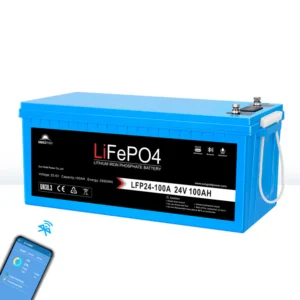
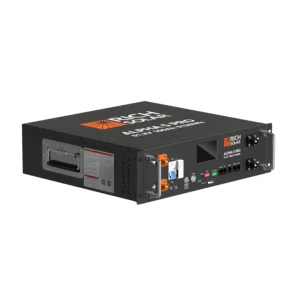
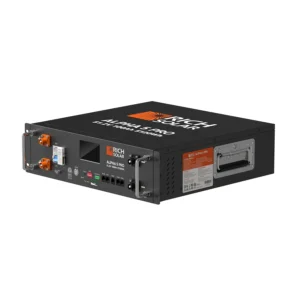
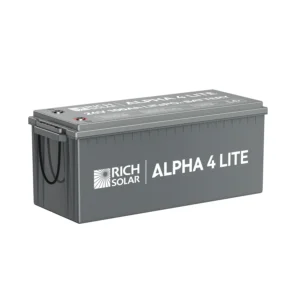
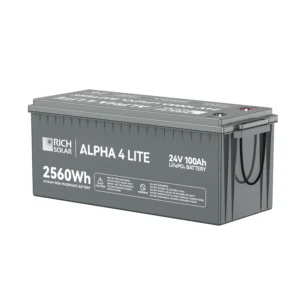
LiFePO4 Deep Cycle Battery Brands to Consider
The market is crowded, but a few names consistently rise to the top. Here’s the landscape:
Real-World Applications: Where LiFePO4 Batteries Shine
1. Solar Energy Storage
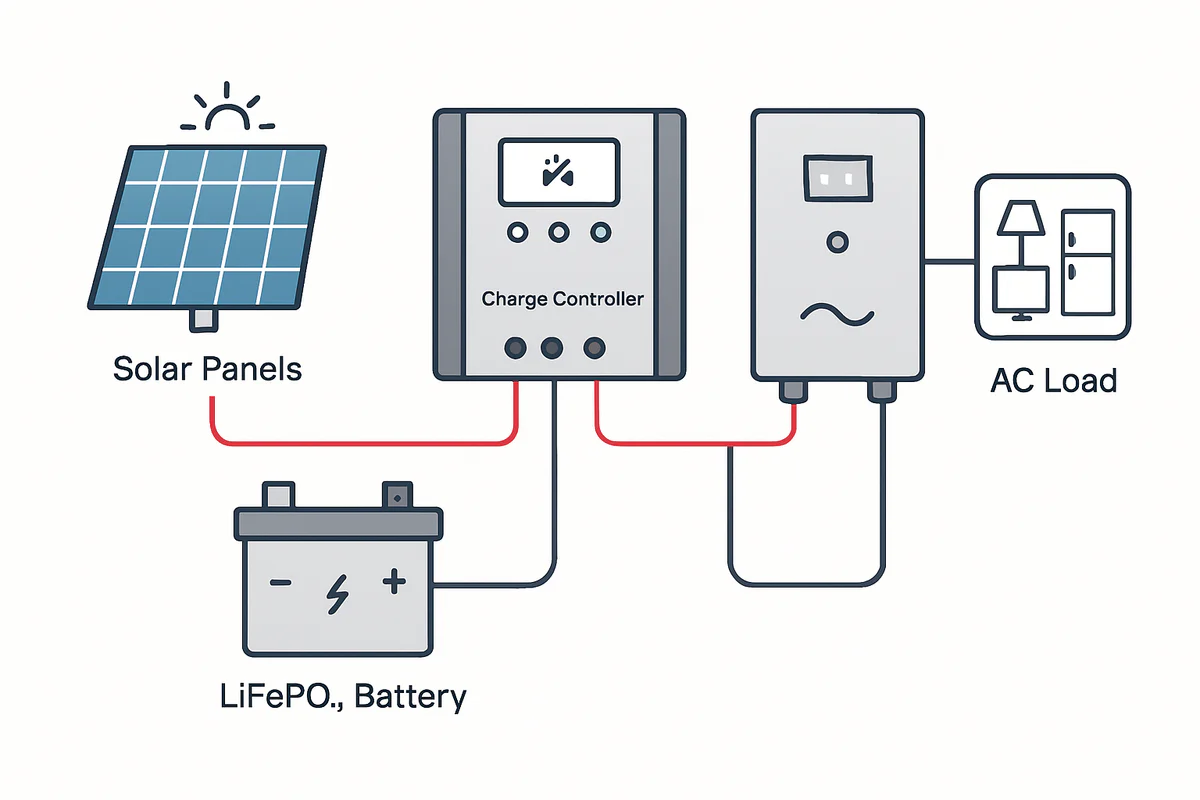
This is where LiFePO4 deep cycle batteries have truly found their calling. Solar panels generate power intermittently—you need a battery that can charge fast when the sun’s out and discharge steadily when it’s not. The 98% charge efficiency and deep discharge capability make lithium iron phosphate the undisputed champion of residential solar storage.
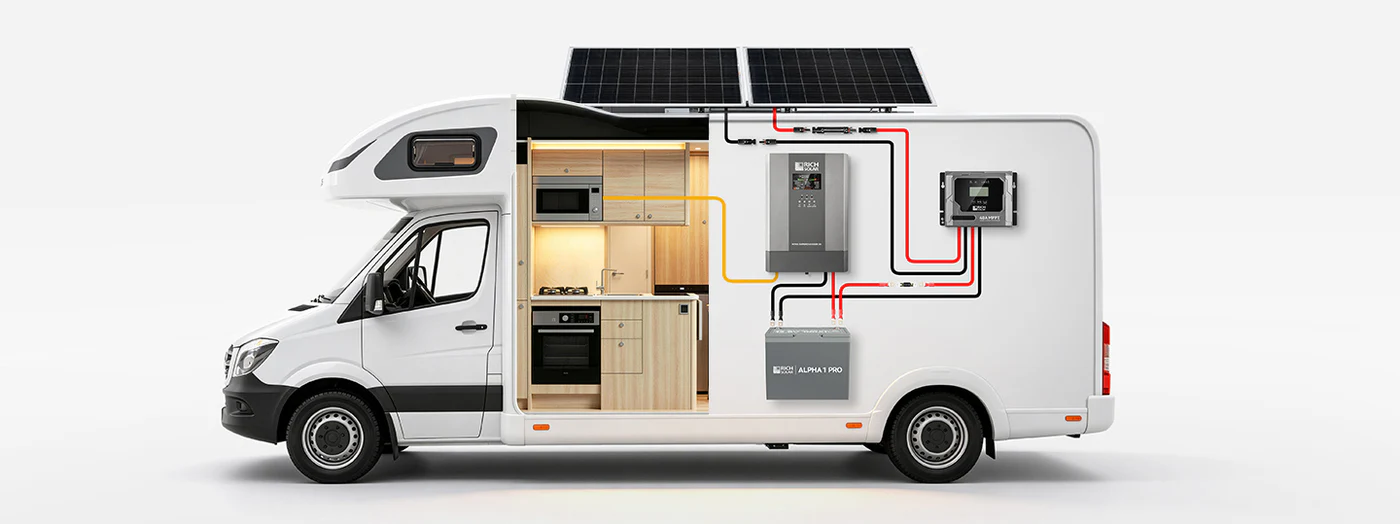
2. RV and Marine Use
Space is precious in an RV or boat. Every pound matters. Swapping out a 350-pound lead-acid battery for a 70-pound LiFePO4 deep cycle battery setup frees up cargo capacity and improves fuel efficiency. Plus, no maintenance means more time enjoying the journey and less time tinkering in the bilge or battery compartment.
3. Off-Grid Cabins and Tiny Homes
When the nearest electrician is a two-hour drive away, reliability isn’t optional—it’s mandatory. A lithium iron phosphate deep cycle battery with a 15+ year lifespan means you might replace your roof before you replace your battery bank.
4. Emergency Backup Power
Power outages are becoming more frequent and severe. A LiFePO4 deep cycle battery system with solar charging provides silent, emission-free backup power without the noise, fumes, or fuel storage of a generator.
Installation Tips: Getting It Right the First Time
Even the best LiFePO4 deep cycle battery won’t perform if it’s installed poorly. Here are the non-negotiables:
- Use the Right Charger: Your old lead-acid charger won’t cut it. LiFePO4 batteries need a charger with the correct voltage profile—typically 14.2V to 14.6V for a 12V system. Using the wrong charger is like feeding a racehorse fast food.
- Temperature Matters: If you live where winters hit hard, invest in a battery with a built-in heating element or install it in a climate-controlled space. Charging a frozen LiFePO4 deep cycle battery can damage it permanently.
- Proper Ventilation: While lithium iron phosphate batteries don’t vent explosive gases like lead-acid, they still benefit from airflow for thermal management. Don’t cram them into an airtight box.
- Cable Sizing: Undersized cables create resistance, heat, and voltage drop. Size your cables appropriately for your maximum expected current draw. When in doubt, go one size larger.
- Parallel vs. Series: Understand whether you need higher voltage (series) or more capacity (parallel). Mixing old and new batteries in parallel is a recipe for imbalance—always use identical batteries of the same age and brand.
Cost Analysis: The Real Price Tag Over Time
Let’s talk numbers, because this is where the rubber meets the road.
A quality 12V LiFePO4 deep cycle battery (100Ah) costs roughly $800–$1,200. An equivalent lead-acid battery? Around $200. At first glance, lead-acid wins.
But factor in lifespan. Over 15 years, you might replace that lead-acid battery 3 to 5 times. That’s $600–$1,000 in replacement costs alone, not counting installation labor, maintenance supplies, or the frustration of mid-winter failures.
Then there’s efficiency. A LiFePO4 deep cycle battery delivers 90-95% round-trip efficiency versus lead-acid’s 80-85%. In a solar setup, that means more of your harvested energy actually gets used. Over a decade, that efficiency gap translates to real dollars.
Add in the U.S. Inflation Reduction Act tax credits (which can reduce battery storage costs by nearly 15%), and the financial case for lithium iron phosphate becomes even stronger.
When you calculate the total cost of ownership—not just sticker price- the LiFePO4 deep cycle battery often emerges as the cheaper option. It’s the classic tortoise-and-hare story, except the tortoise is also lighter, more efficient, and never needs watering.
Safety Considerations: Should You Worry About Fires?
Let’s address the elephant in the room. You’ve heard about lithium batteries catching fire in phones, laptops, and electric vehicles. Should you lose sleep over your LiFePO4 deep cycle battery?
Short answer: no. Longer answer: LiFePO4 chemistry is fundamentally different from the lithium cobalt oxide (LCO) or lithium nickel manganese cobalt (NMC) chemistries used in consumer electronics and many EVs. The iron phosphate cathode is structurally stable and far less prone to thermal runaway—the chain reaction that causes battery fires.
In rigorous nail penetration tests, BYD’s Blade Battery (LiFePO4) didn’t catch fire or emit smoke. Temperatures stayed between 30°C and 60°C. Try that with a cobalt-based battery, and you’d have a very different outcome.
That said, no battery is completely risk-free. Always buy from reputable manufacturers with proper certifications (UL, CE, UN38.3). Install fuses or circuit breakers. And while you don’t need a vented battery box like with lead-acid, a steel or masonry enclosure with an external vent pipe isn’t a bad idea if you’re particularly cautious—especially for insurance purposes.
Environmental Impact: Are LiFePO4 Batteries Really Greener?
Here’s a truth that might surprise you: lead-acid batteries have a recycling rate of nearly 99%. That’s impressive. But the recycling process itself is dirty business—releasing lead dust and sulfuric acid into the environment.
LiFePO4 deep cycle batteries contain no toxic heavy metals. No lead, cadmium, or cobalt. The materials are more abundant and less environmentally destructive to mine. And because they last 3 to 4 times longer than lead-acid batteries, fewer batteries need to be manufactured, transported, and recycled in the first place.
Current lithium battery recycling rates lag behind lead-acid (roughly 2% to 47% globally), but the technology is advancing rapidly. Hydrometallurgical processes now recover over 95% of nickel and cobalt and 92% of lithium. As the installed base of lithium iron phosphate deep cycle batteries grows, so will the recycling infrastructure.
From a lifecycle perspective, the extended lifespan and non-toxic chemistry make LiFePO4 the more sustainable choice. It’s not perfect, but it’s moving in the right direction.
Common Mistakes to Avoid When Buying a LiFePO4 Deep Cycle Battery
I’ve seen too many people trip over the same hurdles. Don’t be one of them.
- Buying Based on Price Alone: That ultra-cheap battery from an unknown brand? It probably has mismatched cells, a bare-bones BMS, and zero customer support. Spend a little more for a lot more peace of mind.
- Ignoring the BMS: The Battery Management System isn’t optional—it’s essential. A good BMS protects against overcharge, over-discharge, short circuits, and temperature extremes. Without it, your “bargain” battery becomes a liability.
- Mismatched Batteries: Connecting old and new batteries, or batteries of different brands, in parallel or series creates an imbalance. One battery works harder, heats up more, and fails sooner. Always use identical, matched batteries.
- Wrong Voltage Configuration: Buying a 24V battery for a 12V system (or vice versa) is an expensive mistake. Double-check your system’s voltage requirements before clicking “buy.”
- Forgetting About Cold Weather: If you need to charge below freezing, buy a battery with a low-temperature cutoff or built-in heater. Otherwise, you’ll be manually warming your battery every morning like a pioneer with a campfire.
Future Trends: What’s Next for LiFePO4 Technology?
The LiFePO4 deep cycle battery market is evolving at breakneck speed. Here’s what I’m watching:
- Higher Capacity Cells: EVE Energy and others are pushing 560Ah large-format cells, dramatically increasing energy density for grid-scale storage.
- Faster Charging: CATL’s Shenxing Superfast Charging Battery already hits 0% to 80% in 10 minutes. Imagine refueling your energy storage in the time it takes to drink a coffee.
- Structural Batteries: BYD’s Blade Battery integrates the battery into the vehicle’s structure, saving space and weight. This concept is migrating to stationary storage, too.
- Sodium-Ion Competition: Sodium-ion batteries promise even lower costs and abundant materials, but they’re still a few years from widespread compatibility with existing solar charging systems.
- Smart BMS Integration: Future LiFePO4 deep cycle batteries will communicate seamlessly with inverters, charge controllers, and home energy management systems via WiFi and Bluetooth, optimizing performance automatically.
Conclusion: Is a LiFePO4 Deep Cycle Battery Right for You?
So here we are. You’ve made it through the specs, the comparisons, the warnings, and the promises. The question remains: should you pull the trigger on a LiFePO4 deep cycle battery?
If you’re looking for the cheapest possible upfront cost and don’t mind replacing batteries every few years, lead-acid still has a place. It’s the fast food of energy storage—cheap, familiar, and ultimately unsatisfying.
But if you value reliability, longevity, and true cost-effectiveness over time, a lithium iron phosphate deep cycle battery is the clear winner. It’s lighter, more efficient, safer, and virtually maintenance-free. It laughs at deep discharges, shrugs off extreme temperatures, and keeps delivering power year after year while your neighbor is on their third lead-acid replacement.
The market data backs this up. With a projected 15.4% annual growth rate through 2033 and major players like CATL, BYD, and Tesla doubling down on LiFePO4 technology, this isn’t a niche product anymore—it’s the new standard.
Whether you’re powering an RV, a sailboat, an off-grid homestead, or a grid-tied solar array, making the switch to a LiFePO4 deep cycle battery is an investment in peace of mind. And honestly? In a world of unpredictable energy costs and increasingly severe weather, peace of mind might be the most valuable currency of all.
FAQs About LiFePO4 Deep Cycle Battery
A quality LiFePO4 deep cycle battery typically lasts 15 to 20 years and delivers 6,000 to 10,000 charge cycles at 80% depth of discharge. Compare that to lead-acid's 3 to 5 years and 500 to 800 cycles, and the longevity advantage becomes crystal clear.
Yes, with caveats. Unlike lead-acid batteries, LiFePO4 deep cycle batteries don't vent toxic gases during normal operation, making them far safer for indoor installation. However, always ensure proper clearance for airflow, use a quality BMS, and check with your insurance provider, as some companies have specific requirements for lithium battery installations.
They discharge well in cold weather—significantly better than lead-acid—but charging below freezing can damage the cells. Many modern LiFePO4 deep cycle batteries include low-temperature cutoffs or built-in heating elements. If you live in a cold climate, prioritize a battery with these features.
The higher initial cost reflects superior materials, advanced Battery Management Systems, and significantly longer lifespan. When you calculate total cost of ownership—including replacements, maintenance, and efficiency losses—a LiFePO4 deep cycle battery often costs less over its lifetime than multiple lead-acid batteries. Think of it as buying quality boots instead of cheap sneakers that fall apart every season
Generally, no. Lead-acid chargers use different voltage profiles that can undercharge or overcharge a lithium iron phosphate deep cycle battery. Invest in a charger specifically designed for LiFePO4 chemistry—your battery's lifespan depends on it.
You Might Also Like