


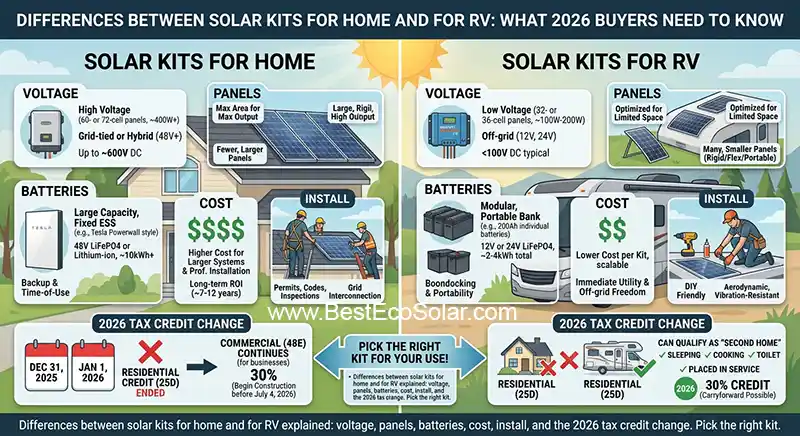
Differences Between Solar Kits for Home and for RV: What 2026 Buyers Need to Know
If a solar kit is just panels, a controller, wiring, and a battery, why can’t you grab one box and use it on your roof at home and on your camper? You can bolt the same kind of glass to either. But the differences between solar kits for home and for RV run much deeper than size.
The Short Answer: Home Solar Kits vs RV Solar Kits
Differences Between Solar Kits for Home and for RV – Think of a home solar kit as a city water main and an RV solar kit as a canteen. Both deliver water. One is built to feed a whole building around the clock; the other is built to keep a small, mobile reservoir topped up while you bounce down a gravel road.
A home kit is designed to cover most or all of a household’s energy needs, usually in the thousands of watts. An RV solar kit is designed to keep a battery bank charged and run a handful of loads: lights, a fridge, a fan, a laptop, and maybe a small microwave through an inverter. Most RV kits land between 100 and 800 watts, while cabin and off-grid home kits start around 1,000 watts and climb to 4,500 watts or more.
That gap in scale drives almost every other difference you’re about to read.
What Is Inside Every Solar Kit (And Where the Two Types Split)
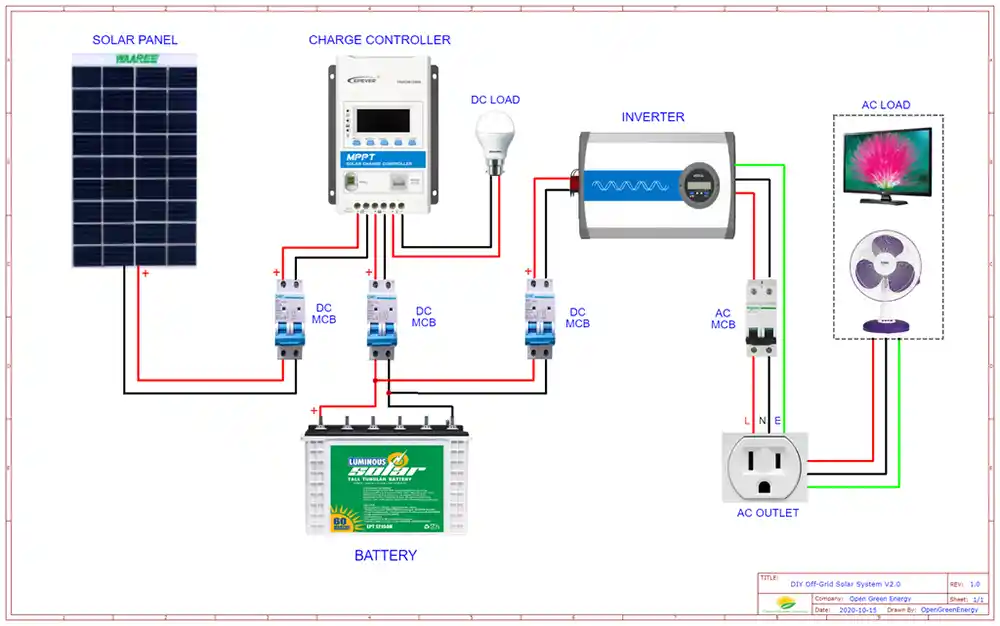
Strip away the marketing, and both kit types share the same four building blocks: solar panels, a charge controller, battery storage, and an inverter. The brains of the system are the same. The details are not.
Solar Panels: Rigid, Flexible, or Folding
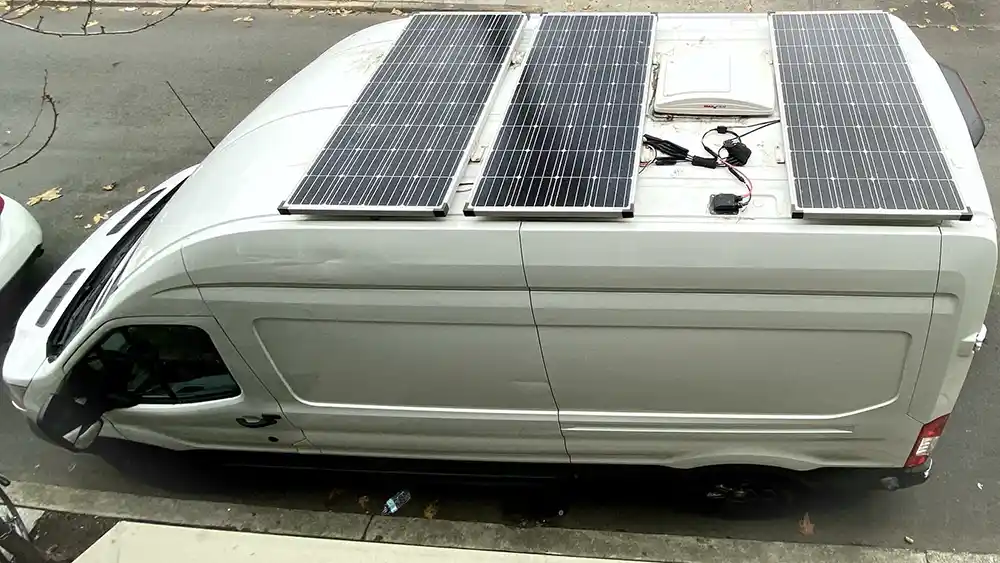
Rooftop home panels are almost always rigid, framed, monocrystalline modules in the 400-watt range, bolted to racking that lifts them off the roof for airflow. RV solar panel kits give you more choices: rigid panels on tiltable brackets, flexible panels that stick flat to a curved roof, or folding suitcase panels you carry out and aim at the sun.
Flexible panels are light, which RV owners love. The trade-off? They run hotter because air can’t circulate underneath, and that can shorten their life.
Charge Controllers: MPPT vs PWM
The charge controller is the traffic cop between the panel and the battery. Budget starter kits often ship with a simple PWM controller. Better RV kits and almost all serious home kits use MPPT controllers, which squeeze more power out of the panels, especially in cold weather or under partial cloud. If you’re comparing an off-grid solar kit for RV use against a pricey home kit, check this line on the spec sheet first.
Batteries and Inverters
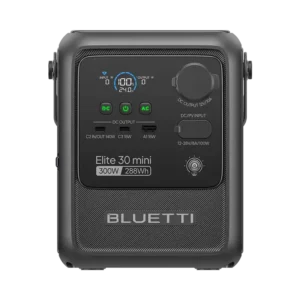
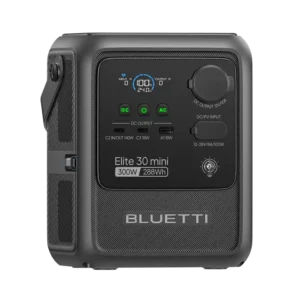
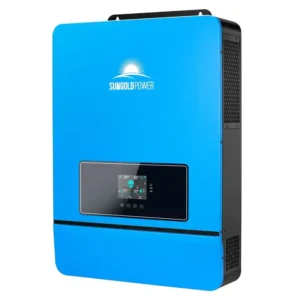
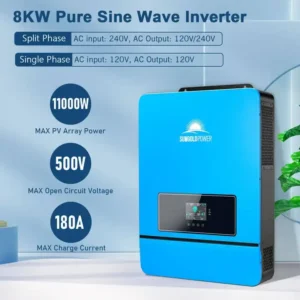
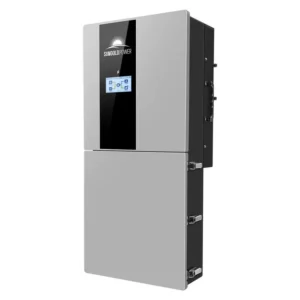
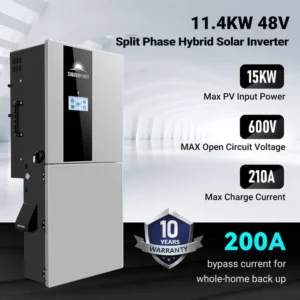
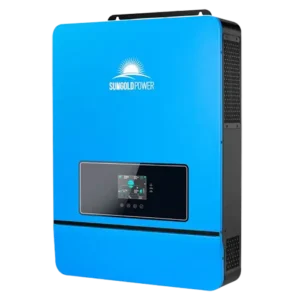
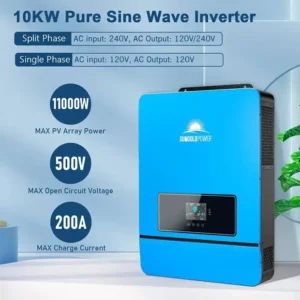
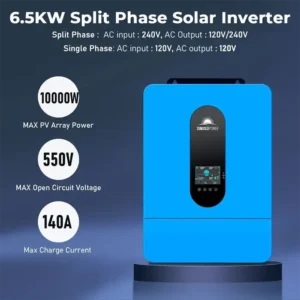
Many RV and van kits ship without a battery because owners already have house batteries or want to pick their own lithium (LiFePO₄) pack. Home off-grid kits and backup kits are more likely to bundle storage. Inverters differ too: an RV inverter typically makes 120-volt AC from a 12-volt battery, while a home system might run 24 or 48 volts and feed a full electrical panel.
System Voltage: 12V in the RV, 24V or 48V at Home
Voltage is the quiet difference that causes the loudest mistakes. Most RVs and vans run on a 12-volt DC house system, so RV solar kits are built around 12-volt batteries. Bigger home and cabin systems often step up to 24 or 48 volts.
Why does that matter? Higher voltage means lower current for the same power, which means thinner wire, less heat, and fewer losses. It’s the same reason the power lines on your street carry thousands of volts instead of 120. Putting a kit built for 48 volts into a 12-volt RV, or the other way around, is a recipe for fried gear or a disappointing trickle of power.
Grid-Tied vs Off-Grid: The Biggest Structural Difference
Here’s where home solar kits and RV solar kits really part ways.
A grid-tied home system connects to the utility. It sends surplus power to the grid, pulls from the grid at night, and usually has no battery at all. It also needs an inverter that meets utility requirements, plus an approved interconnection. An off-grid system, which is what nearly every RV kit is, stores everything in a battery bank and answers to nobody but you.
That’s why a “plug it in and go” home kit is rarer than the ads suggest. Plenty of products sold as home solar panel kits are actually off-grid or backup kits for sheds, cabins, and blackout insurance. A full grid-tied residential array typically involves a permit, an inspection, and a licensed installer.

Built for Vibration vs. Built for Sunsets
Your roof at home sits still. Your RV roof doesn’t. It shakes, flexes, bakes in desert heat, and gets blasted by wind at 65 miles per hour. A well-designed RV solar kit accounts for that with secure mounting hardware, sealed cable entry housings, and wiring that can tolerate constant vibration and wide temperature swings.
Home kits worry about different enemies: snow load, wind uplift over decades, roof penetrations, and a 25-year lifespan. Both are tough. They’re tough in different ways, and a cheap kit shoved into the wrong job will show its weakness fast.
Installation: DIY-Friendly RV Setups vs Permit-Heavy Home Projects
If you’ve ever wondered whether you can install RV solar yourself, the answer is usually yes. Most reviewers rate it a moderate DIY project: pick a spot, run a cable through a roof gland, mount the controller, and hook up the battery. Plenty of RV kits include the roof entry housing and a long run of heavy-gauge cable (some bundle a 30-foot 10 AWG adapter run) to make that easy.
Home rooftop solar is a different animal. You’re dealing with structural loads, electrical codes, rapid-shutdown rules, a utility interconnection agreement, and permits that vary by city. A DIY home solar kit makes the most sense for a detached garage, a shed, a cabin, or a backup battery setup, not for tying a big array into your main panel on a weekend.
Roof Space and Layout
Space is the RV owner’s real enemy. The average RV roof has room for only about four to six panels once you account for air conditioners, vents, and skylights. A house roof offers far more real estate, which is why home kits can scale up, and RV kits hit a ceiling. If you want to know how much solar you can fit on an RV roof, start by measuring, then subtract everything that already lives up there.
Power Output and Energy Needs: How Much Solar Do You Actually Need?
A typical American home uses a lot of electricity every day, enough that you’d need a multi-kilowatt array to offset it. A typical RV or camper van might use a tiny fraction of that, because there’s no central air, no electric dryer, and no 40-gallon water heater drawing power all day.
So when someone asks how much solar they need for an RV, I flip the question around: what do you run, and for how many hours? Add up the watt-hours, add a cushion for cloudy days, and size your battery before you size your panels. A 200-watt kit keeps a weekend camper topped up. A full-timer running a laptop, a compressor fridge, and a coffee maker will want 400 watts or more, plus a bigger lithium bank.
Differences Between Solar Kits for Home and for RV: Side-by-Side Comparison Table
Here’s the quick-reference version. Treat the numbers as typical ranges, not promises, since every brand and bundle differs.
| Feature | Solar Kit for Home | Solar Kit for RV |
|---|---|---|
| Typical size | 1,000 W to 10,000 W+ | 100 W to 800 W |
| System voltage | 24V or 48V common | Mostly 12V |
| Connection type | Grid-tied, off-grid, or backup | Almost always off-grid |
| Panel style | Rigid, roof- or ground-mounted | Rigid, flexible, or folding portable |
| Battery included | Sometimes | Often sold separately |
| Install difficulty | Higher (permits, inspections) | Moderate DIY |
| Typical price | Often $10,000+ for a full home system | Roughly $300 to $2,500+ for kits and full setups |
| Biggest limit | Budget and permitting | Roof space and battery size |
| Built for | Decades in one spot | Vibration, heat, and constant motion |
Cost Differences: What You’ll Really Pay in 2026
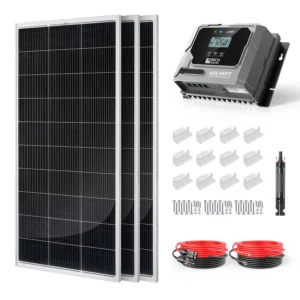
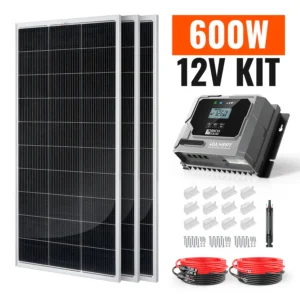
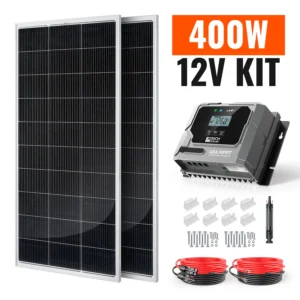
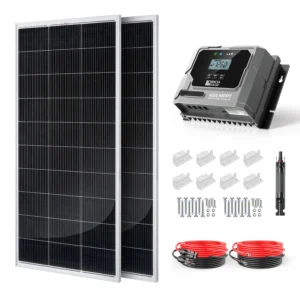
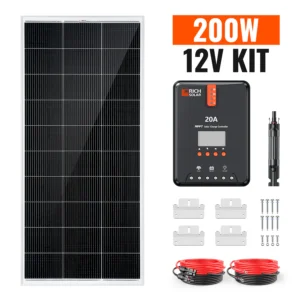
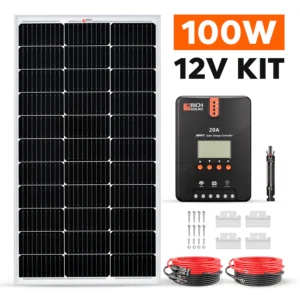
Price is where the two categories look most different. Published RV kit pricing from a major brand ran from about $310 for a small 100-watt bundle to around $820 for a 400-watt kit. Add lithium batteries, an inverter, and professional installation, and a full RV system commonly averages around $2,500, sometimes much more for high-end builds. A whole-home system averages around $25,000 by some industry estimates, and one panel alone can cost several hundred dollars.
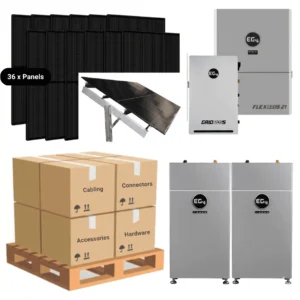
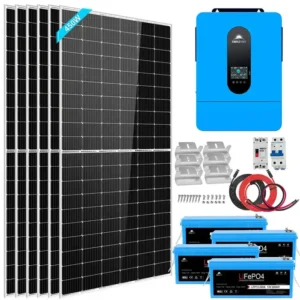
Complete Off-grid Solar System Package Supplier
| Name | Price Range | Discount |
|---|---|---|
| Sun Gold Power | $5,774 – $31,853.00 | 👉 Get Special Offers |
| Rich Solar | $7,999 – $21,599.99 | 👉 Get Special Offers |
| ShopSolarKits | $2,539 – $149,989.99 | 👉 Get Special Offers |
Prices shift with the market, so treat these as ballparks and check current listings before you budget.
The Tax Credit Change You Can’t Ignore
This is the part many blog posts still get wrong. The 30% federal residential solar credit (Section 25D) ended for expenses after December 31, 2025, under the One Big Beautiful Bill Act signed in July 2025. If you buy a home solar kit in 2026, you generally can’t claim it. If you installed before the deadline and had leftover credit, it can carry forward on your return, subject to IRS rules.
A separate business credit (48E) still exists for certain third-party-owned systems, but it doesn’t help you buy a kit off the shelf. And RV eligibility was always a gray area, since it depended on whether your RV counted as a qualifying residence. I’m not a tax professional, so check with one before you count on any credit. State rebates and utility programs now matter more than ever for home buyers.
Portable vs Roof-Mounted: A Choice Only RV Owners Face
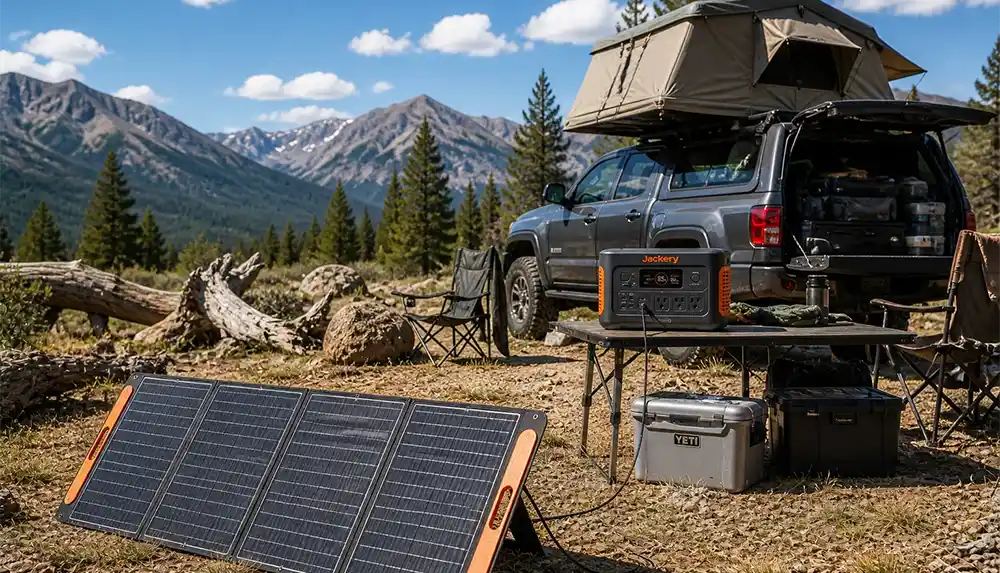
Homeowners rarely debate this. RV owners do, constantly. A roof-mounted kit charges while you drive, hike, or sleep, with no effort. A portable folding kit costs nothing to install, lets you chase the sun and dodge shade, and follows you to your next rig if you sell. You can even use it to charge batteries at home.
The downside? Someone has to set it up and pack it away, and it can wander off if you leave it out. Many full-timers end up running both: a modest roof array for baseline charging and a portable panel for shady campsites.
Maintenance, Lifespan, and Warranty Expectations
Home panels typically carry long performance warranties, often 25 years, and they mostly sit there quietly. RV panels face tougher duty. Expect to check roof seals and cable glands every season, tighten connections that vibration can loosen, and inspect for cracks after hail or low branches.
Batteries deserve a mention too. Lithium packs last for thousands of cycles when treated right, but heat and deep discharges age them. In an RV, your battery bank is often the part that needs replacing first, not the panels.
Common Mistakes When Choosing Between Home and RV Solar Kits
After comparing dozens of spec sheets, the same missteps keep showing up:
- Buying by wattage alone. A 400-watt kit with a weak PWM controller can underperform a smaller MPPT setup.
- Ignoring roof space. The panels you want may not physically fit around your AC unit.
- Mismatching voltage. A 24-volt kit does not belong on a 12-volt system without the right gear.
- Skipping wire sizing. Long cable runs on a 12-volt RV lose power fast, so wire gauge matters.
- Forgetting the battery. Panels without storage won’t run your fridge at midnight.
- Assuming a home kit is “just bigger.” It’s engineered for a different job.
How We Tested and Evaluated These Kits
Transparency matters, so here’s exactly what stands behind the scores below. We compared published specifications, bundled components, price ranges, warranty terms, and installation documentation from several widely sold home, off-grid, and RV kit lines.
We then scored each category against six real-world criteria: power output for the price, component quality, ease of installation, durability under motion and weather, expandability, and overall value. We also cross-checked current federal tax guidance as of October 2026.
Which Solar Kit Should You Buy? A Quick Decision Guide
Still torn? Run through this checklist.
- You live in a house and want to cut your power bill: a home solar system with a licensed installer is the right tool, and a grid-tied design usually makes the most financial sense.
- You want blackout backup or power for a shed or cabin: an off-grid or backup home kit fits.
- You travel in a van, camper, or motorhome: an RV solar kit with 12-volt wiring, an MPPT controller, and the roof hardware you need.
- You camp occasionally or rent your rig: a portable folding kit saves you from drilling holes.
- You split time between a tiny home and the road: look at a flexible off-grid solar kit with room to expand.
Pick the job first. The hardware follows.
Final Score Box: Home Solar Kit vs RV Solar Kit
These editorial scores come from the evaluation criteria above, rated out of 10 for a typical, well-reviewed kit in each category.
| Criteria | Home Solar Kit | RV Solar Kit |
|---|---|---|
| Power output for the price | 9.0 | 7.5 |
| Component quality | 8.5 | 8.0 |
| Ease of installation | 6.0 | 8.5 |
| Durability in motion and weather | 8.0 | 7.5 |
| Expandability | 8.5 | 6.5 |
| Overall value in 2026 | 7.5 | 8.5 |
| Overall score | 7.9 / 10 | 7.8 / 10 |
The near tie is the point. Neither kit is better in general. Each wins at the job it was built for.
Conclusion
So, what are the differences between solar kits for home and for RV? In short: scale, voltage, connection type, mounting, cost, and how hard they are to install. Home kits chase big, long-term energy independence and live under permits and utility rules. RV kits chase lightweight, rugged, 12-volt freedom you can often set up in a weekend.
Start with what you plan to power and where you plan to power it; check your roof space, and be honest about the tax situation, because the 30% home credit is gone for new purchases. Do that, and you’ll pick a kit that fits instead of one that fights you.
FAQs
Technically you can use parts of one, but it's usually a poor fit. Home kits often use higher voltages, heavier panels, and mounting hardware that doesn't handle vibration well. An RV-specific kit is simpler and safer.
It can run small loads like lights or a phone charger, and it can work as backup for a shed. It won't cover a whole home, because RV kits are sized for batteries and a few appliances, not an entire household.
Flexible panels are lighter and sit flat on curved roofs, which helps. Rigid panels usually last longer and run cooler. The right choice depends on your roof weight limits and how long you want the panels to last.
The 30% residential credit ended for expenses after December 31, 2025, so new home purchases generally don't qualify. Unused credit from earlier years may carry forward. Talk to a tax professional about your situation.
It depends on your daily power use. Weekend campers often do fine with 100 to 200 watts. Full-time travelers running a fridge, laptop, and small appliances commonly want 400 watts or more, along with enough battery storage to carry them through cloudy days.
You Might Also Like