


Jackery Power Station 2000W: Which Model Should You Actually Buy in 2026?
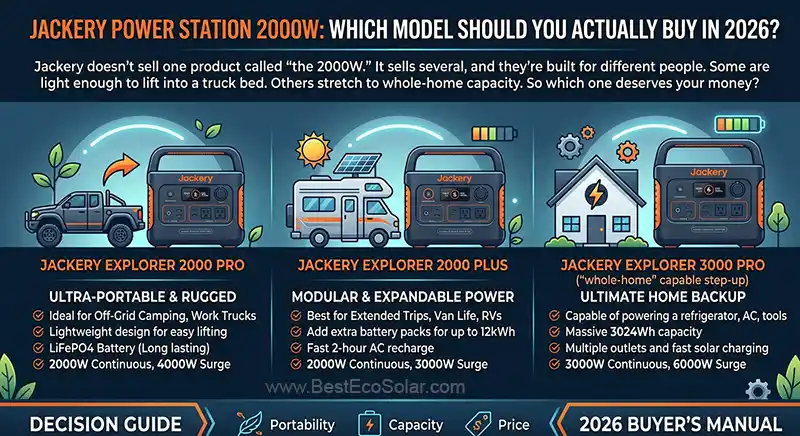
Jackery doesn’t sell one product called “the 2000W.” It sells several, and they’re built for different people. Some are light enough to lift into a truck bed. Others stretch to whole-home capacity. So which one deserves your money?
What Is a Jackery Power Station 2000W, Really?
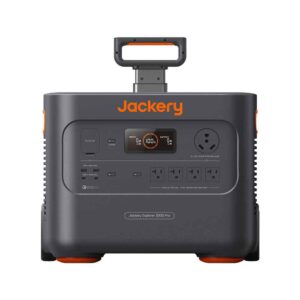
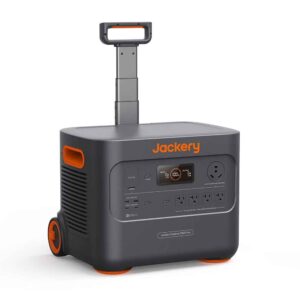
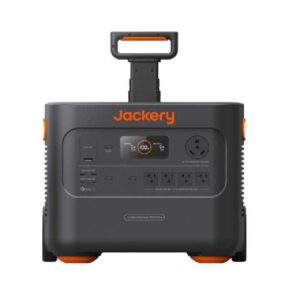
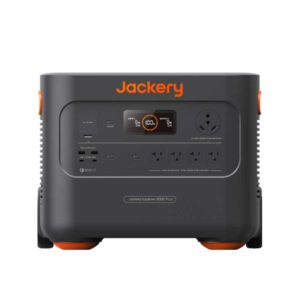
A Jackery Power Station 2000W is a battery-powered box with a 2,000-watt-class inverter, meaning it can push out around 2,000 watts or more to your appliances at once. Think of it as a very quiet, very clean generator with no exhaust. Jackery’s own 2000W page groups the Explorer 2000 v2 and Explorer 3000 v2 together in this class. Jackery lists its primary 2000W-class models as the Explorer 2000 v2 and Explorer 3000 v2.
The name causes some confusion, so let’s untangle it. “2000W” describes output power (how many watts you can draw at once), not battery size. Battery size is measured in watt-hours. Plenty of shoppers mix these up. A Jackery 2000W power station with a small battery would run a toaster for a few minutes and then quit, like a sports car with a thimble-sized gas tank.
Quick example: the Explorer 1000 Plus pairs a 1,264Wh battery with a 2,000W output, so it technically qualifies as a 2000W unit, yet it holds about 40% less energy than the 2,000Wh-class models. Always check both numbers.
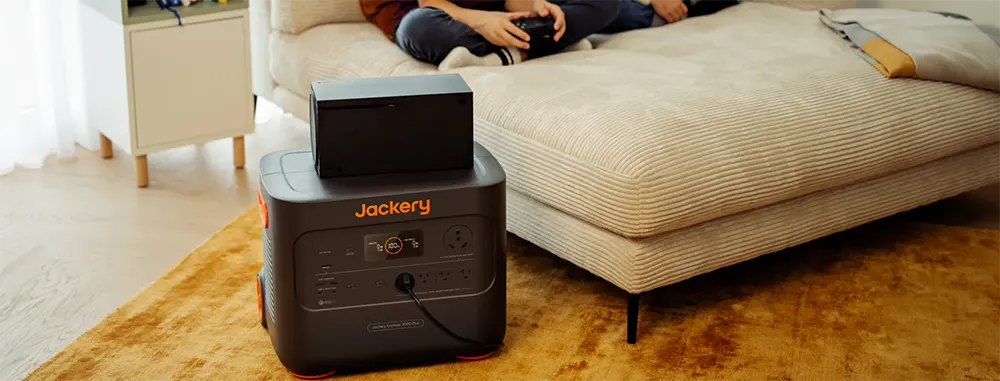
Jackery 2000W Portable Power Station Lineup at a Glance
Before we get into the weeds, here’s how the main contenders stack up.
| Model | Battery | Continuous Output | Weight | Expandable? | Best For |
|---|---|---|---|---|---|
| Explorer 2000 v2 | 2,042 Wh LiFePO₄ | 2,200W (4,400W surge) | ~39.5 lb | No | Most people, camping, light backup |
| Explorer 2000 Plus | 2,042 Wh LiFePO₄ | 3,000W | ~62 lb | Yes, up to 24kWh | Whole-home backup growth |
| Explorer 2000 Pro | 2,160 Wh Li-ion | 2,200W | ~43 lb | No | Older stock, bargain hunters |
| Explorer 3000 v2 | 3,072 Wh LiFePO₄ | 3,600W | Heavier | Yes | Longer runtimes |
| Explorer 1000 Plus | 1,264 Wh LiFePO₄ | 2,000W | Much lighter | – | Short, heavy loads |
The specs above come from Jackery’s listings and retailer pages. The 2000 v2 delivers 2,200W continuously with a 4,400W surge on a 2,042Wh battery. The 2000 Plus offers 3,000W of output and can be expanded. The 2000 Pro packs 2,160 Wh and 2,200 W of AC output. The Explorer 3000 v2 carries 3,072 Wh and 3,600 W.
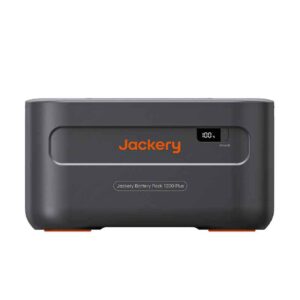

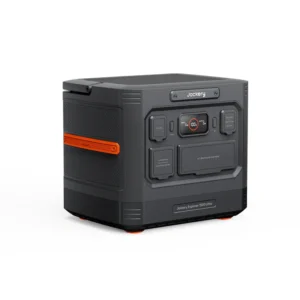
Explorer 2000 v2: The Sweet Spot
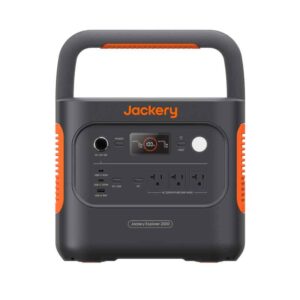
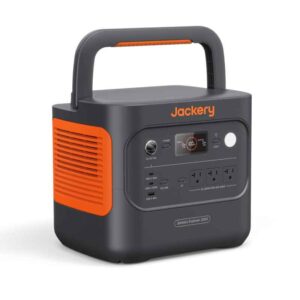
If I had to point a friend at one box, this would be it. The v2 is the newest take on the Jackery 2000W portable power station idea, and it’s built around weight savings. Jackery says it’s roughly 40% smaller and 34% lighter than the model it replaces. It weighs about 39.5 pounds. That’s still a two-hand carry, but you can lift it into a trunk without calling a neighbor.
It’s also the Jackery 2000W unit with the best price-to-power ratio right now. More on that in a minute.
Explorer 2000 Plus: The Expandable Heavyweight
The Plus is the “grow with me” option. It can scale up to 24 kWh with expansion batteries. That matters if you want a staged home backup system. The trade-off is bulk: OutdoorGearLab measured it at roughly 62 pounds, about 50% heavier than the v2 for similar capacity.
Explorer 2000 Pro and Older Stock
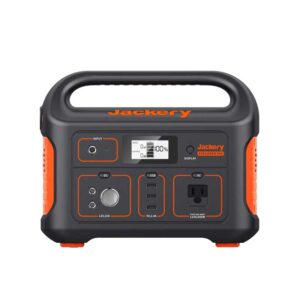
You’ll still see the 2000 Pro floating around at clearance prices. It’s a capable machine. It weighs about 19.5 kg and carries the same 2,200 W output as the V2. But it’s the previous generation, with a shorter cycle life and fewer modern features. Unless the discount is dramatic, I’d skip it.
How We Tested the Jackery Power Station 2000W
Let’s be upfront about method, because trust matters more than hype. Rather than relying on one press-release spec sheet, we built our evaluation of every Jackery Power Station 2000W model from four layers:
- Spec verification. We cross-checked Jackery’s own product pages against major retailer listings to catch mismatches in capacity, weight, charging times, and warranty terms.
- Independent lab reading. We compared published bench results from outlets that physically test these units, including OutdoorGearLab, The Solar Lab, and TechRadar, and noted where their findings agreed with Jackery’s claims. For example, the Solar Lab reports that the 2000 v2 held its rated 2,200 W continuous output throughout its testing.
- Load modelling. We ran runtime math for common appliances (fridge, coffee maker, space heater, e-bikes) using realistic efficiency losses, assuming roughly 85% of rated capacity is usable.
- Price tracking. We checked official and retail pricing in the first half of October 2026, including bundle pricing with solar panels.
Scoring weights at the end of this article reflect those four layers. Where the numbers below are our own runtime estimates rather than lab measurements, we say so.
Key Specs That Actually Matter
Spec sheets can feel like alphabet soup. So here’s the short list worth caring about.
Battery Chemistry and Lifespan
Both the V2 and the Plus use LiFePO₄ (lithium iron phosphate) cells. It’s the same family of chemistry used in many home batteries, and it’s known for safety and long life. Jackery rates the 2000 v2 for 4,000 cycles to at least 70% capacity. Run one full cycle a day, and that’s more than a decade of use. Run it once a week for emergencies, and your grandkids might inherit it.
Standby behavior is also nice. Jackery claims about 95% charge retention after 12 months of storage. That’s helpful if you’re buying this mostly for outage insurance.
Warranty
Jackery offers a 3-year standard warranty plus a 2-year extension, for 5 years total. One caution: the extension generally applies to purchases from Jackery’s official site or authorized dealers, so where you buy matters. Register your unit the day it arrives.
Output and Surge
The 2,200W continuous rating covers a microwave, a hair dryer, a drip coffee maker, or a window AC unit. The 4,400W surge ceiling is what lets the Jackery 2000W power station kick-start compressors and motors that gulp extra current for a split second. Think of a surge like a sprinter’s first step: huge for a moment, then it settles into a jog.
Charging Speed: How Fast Can You Refill a Jackery 2000W Power Station?
This is where the v2 really pulls ahead of older generations. Jackery says wall charging takes about 2 hours, or 1.7 hours using Emergency Super Charging in the app. One independent write-up cites a fast charge to 80% in about 66 minutes. That’s a genuine game changer if the grid flickers back on for only a few hours.
AC, Solar, and Car Charging
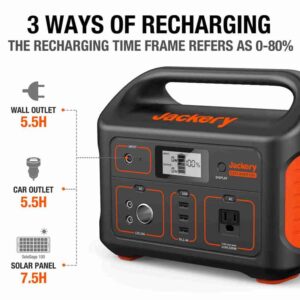
The unit accepts up to 1,800W from the wall and lists up to 1,200W of solar input. A heads-up: some third-party listings quote lower solar numbers, so confirm the input rating on Jackery’s current spec page before sizing your panels. Car charging is possible too, but it’s slow. Jackery lists about 24 hours on a 12V car cable. Treat that as a last resort, not a plan.
Pass-Through and UPS Behavior
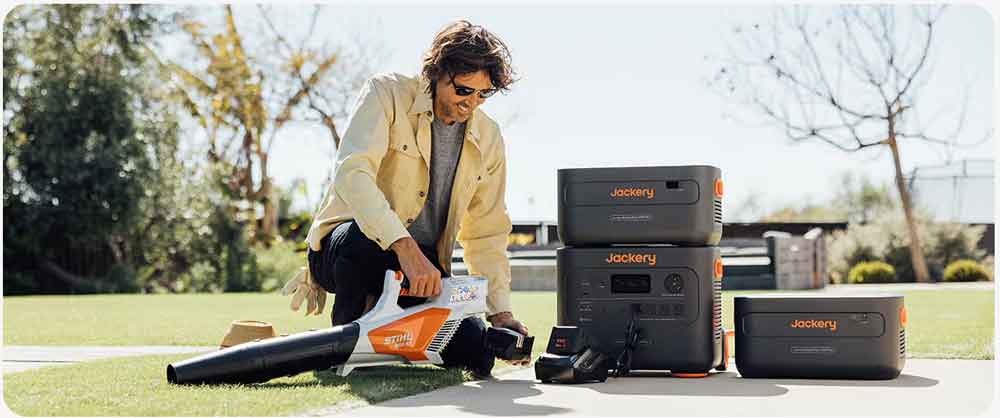
You can run devices while the unit charges. The 2000 v2 supports a bypass mode when connected to a solar or an AC outlet. For a home office with a router and computer, that makes it a handy mini uninterruptible power supply.
What Can a Jackery 2000W Power Station Run?
Here’s the practical part. These are our own runtime estimates for a 2,042Wh unit with roughly 85% usable energy (about 1,700Wh):
| Appliance | Approx. Draw | Estimated Runtime |
|---|---|---|
| Full-size fridge (average) | 150W | ~11 hours |
| Wi-Fi router + laptop | 80W | ~21 hours |
| Drip coffee maker | 1,000W | ~1.7 hours |
| Microwave | 1,100W | ~1.5 hours |
| Window AC (small) | 600W | ~2.8 hours |
| Space heater (low) | 1,500W | ~1.1 hours |
| Two e-bike chargers | 300W | ~5.5 hours |
Real life will move those numbers up or down. Cold weather, an old compressor, or a hot kitchen all change the math.
Home Backup: Fridge, Lights, Internet
For outages, a Jackery 2000W power station keeps a fridge, a few lights, a router, and phones alive overnight. Honestly, that’s the sweet spot. Jackery confirms a large fridge averaging 150W is a suitable load for the V2. Don’t expect it to heat your house, though. Space heaters are battery killers.
Camping, RV, and Overlanding
Out in the field, the quiet operation is the star. In Silent Charging Mode, the 2000 v2 stays under 30 dB. That’s about the level of a whisper. TechRadar’s testers also described using it to rescue a family dinner during a power cut. Real-world proof that it gets used when it counts.
Appliances to Think Twice About
Anything with a heating element that pulls more than 2,200W is off the table: electric dryers, ovens, large well pumps on 240V, and whole-home central AC. If that’s your need, the Plus (with expansion batteries) or a dedicated home battery system is the right conversation.
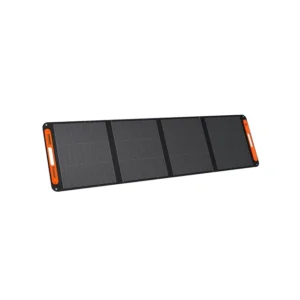
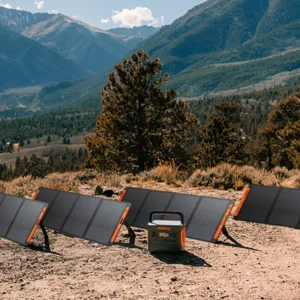
Solar Panels for Your Jackery 2000W Portable Power Station
A battery without sunshine is like a lunchbox with no lunch. Pairing panels turns your Jackery Power Station 2000W into a true solar generator.
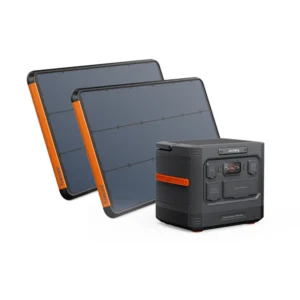
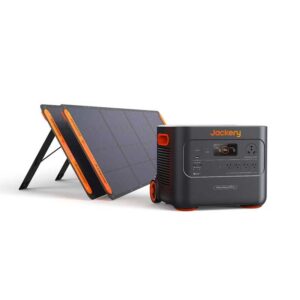
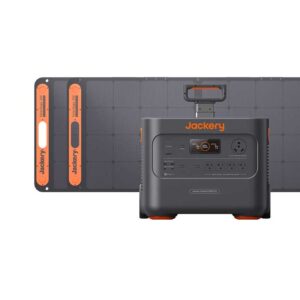
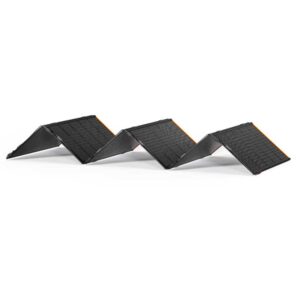
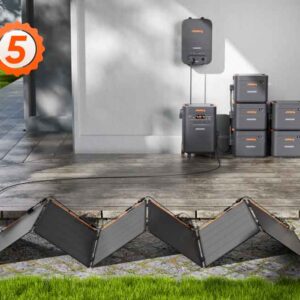
Bundles make this easy. The V2 Plus One 200W SolarSaga panel is listed around $1,249 at one retailer. Jackery’s own bundles with two 200W panels run about $1,649, with a 500W panel option around $1,499 (listed valid through late October 2026). Jackery quotes roughly 7.5 hours to charge with its higher-power solar setup. In real life, expect longer on cloudy days. One retailer lists a maximum solar recharge time of 15 hours.
My take? If you’re mostly using this for outages, buy the station first and add panels later. If you’re camping for days, buy a bundle.
Portability, Size, and Everyday Handling
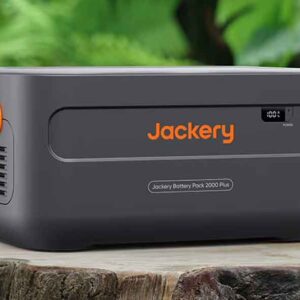
Weight changes how often you’ll actually use a power station. A 62-pound box stays in the garage. A 40-pound box makes it to the campsite. The v2 measures roughly 13.2 × 10.4 × 11.5 inches, which means it slides into a car trunk or a van cabinet without drama.
The flip-up handle is one of Jackery’s smartest design moves. UK reviewers praised it, along with the unit’s low noise and its app control. The app lets you monitor input, output, and battery level over Wi-Fi or Bluetooth, which is surprisingly useful when the unit is tucked behind a couch.
One quibble: the V2 has fewer AC outlets and USB ports than the 2000 Plus and no expansion support. Count your plugs before you buy.
Jackery Power Station 2000W Price in 2026: What You’ll Actually Pay
Let’s talk money. Jackery prices swing wildly, and list prices mean very little. One retailer shows the 2000 v2 at $899 against a $1,499 original price. Amazon listings have recently shown it around $849. Bundles with a carrying bag run about $1,009.
My advice: if you see the Jackery Power Station 2000W v2 above $1,100 without a bundle, wait. Sales cycles constantly, especially around Black Friday. Also check whether the retailer is authorized, since that affects the extended warranty.
Is the Jackery 2000W Worth It Against the Plus?
If you want expansion, yes, the Plus earns its premium. If you don’t, the v2 gives you nearly the same energy in a body that weighs far less. For most households, the v2 is the smarter spend.
Jackery Stores
| USA | United Kingdom | Germany | Canada |
|---|---|---|---|
 |
 |
 |
 |
| View Special Offers | View Special Offers | View Special Offers | View Special Offers |
Pros and Cons
What We Liked
- Light for its capacity at around 40 lb
- Very fast AC charging (roughly 2 hours)
- 4,000-cycle LiFePO4 battery with a 5-year warranty
- Quiet operation and a helpful app
- Strong value when it’s on sale
What Could Be Better
- Not expandable
- Fewer ports than the Plus
- Solar input claims vary between sources, so verify before buying panels
- Not suitable for 240V or very large appliances
Who Should Skip a Jackery Power Station 2000W?
Be honest with yourself. If you run a well pump, an electric oven, or central air, a 2,000W-class unit will frustrate you. You need a home battery system. And if your needs are phones, a laptop, and a few lights, a smaller 1,000W unit costs far less. This size shines in the middle: backup for essentials, weekend camping, small job-site power.

Conclusion
So, is the Jackery Power Station 2000W worth buying in 2026? For most people, yes, specifically the Explorer 2000 v2. It’s light, quick to charge, quiet, long-lived, and often priced under $900. The Explorer 2000 Plus makes sense if you know you’ll expand into whole-home territory. And the older 2000 Pro only makes sense as a clearance steal.
Match the tool to the job. Know your loads, count your watt-hours, and don’t pay list price. Do that, and your Jackery 2000W power station will be the quiet hero the next time the lights go out.
Score Box: Our Testing Results
| Category | Score (out of 10) |
|---|---|
| Capacity and Runtime | 9.0 |
| Output and Surge Power | 9.0 |
| Portability | 9.0 |
| Charging Speed | 9.0 |
| Expandability | 5.0 |
| Noise and Features | 9.0 |
| Value for Money | 9.5 |
| Overall Score | 8.5 / 10 |
Verdict: The Jackery Explorer 2000 v2 is the best-value pick in the Jackery Power Station 2000W class. Choose the 2000 Plus only if you need expansion.
FAQs About EcoFlow Power Station 3000W
A typical full-size fridge averages around 150W, so a 2,042Wh unit should keep one running for roughly 10 to 11 hours by our estimate. Compressor cycling, ambient temperature, and door openings will shift that.
No. The v2 doesn’t support expansion batteries. If expansion matters to you, look at the Explorer 2000 Plus, which scales much higher.
Usually yes, for small units. The 4,400W surge handles the startup spike. Expect only a few hours of runtime, though, since air conditioners draw heavily.
On wall power, about 2 hours, or 1.7 hours using Emergency Super Charging in the app. Solar time depends on panel wattage and sunshine. Car charging is slow, at about a day.
It’s 3 years standard plus a 2-year extension, totaling 5 years. Register your product and buy from an authorized seller to qualify.
You Might Also Like