
Off-Grid Solar Panel Kits: The Real 2026 Guide to Cutting the Cord for Good
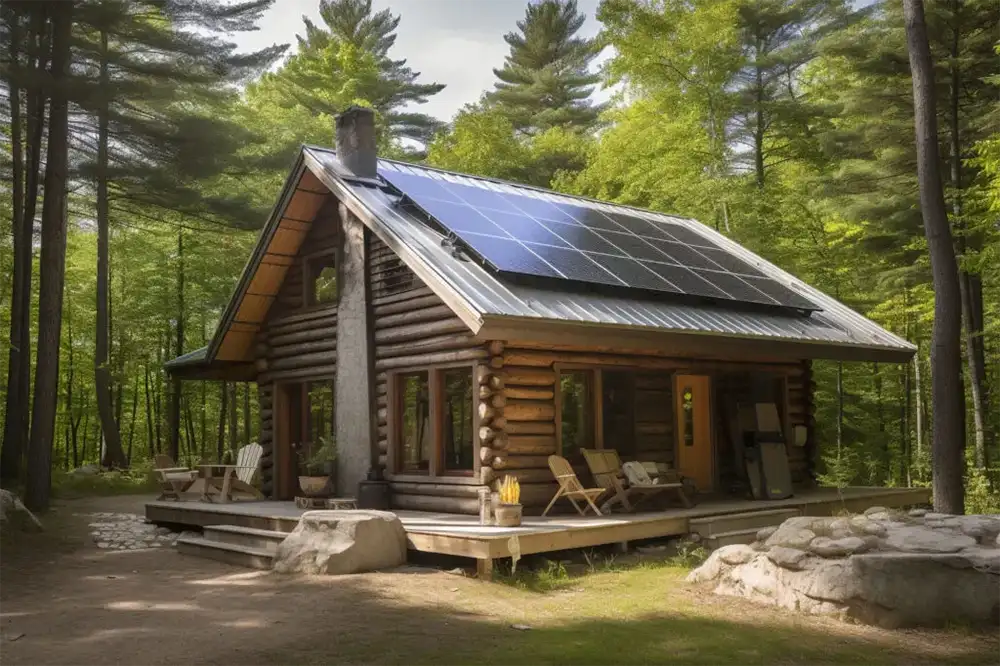
Off-grid solar panel kits have quietly become one of the smartest ways to generate your own electricity without waiting on a utility crew, a permit office, or a single monthly invoice. Whether you’re outfitting a cabin, a van, a tiny home, or a full off-grid homestead, the right off-grid solar panel kit can hand you energy independence in an afternoon instead of a summer-long construction project.
What Exactly Is an Off-Grid Solar Panel Kit?
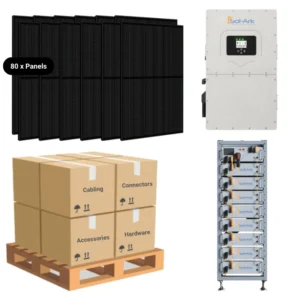
Think of an Off-Grid Solar Panel Kits as a pre-matched toolbox for making your own power. Instead of hunting down a charge controller from one brand, a battery from another, and an inverter from a third (and hoping they all speak the same electrical language), a complete off-grid solar kit ships as one coordinated system.
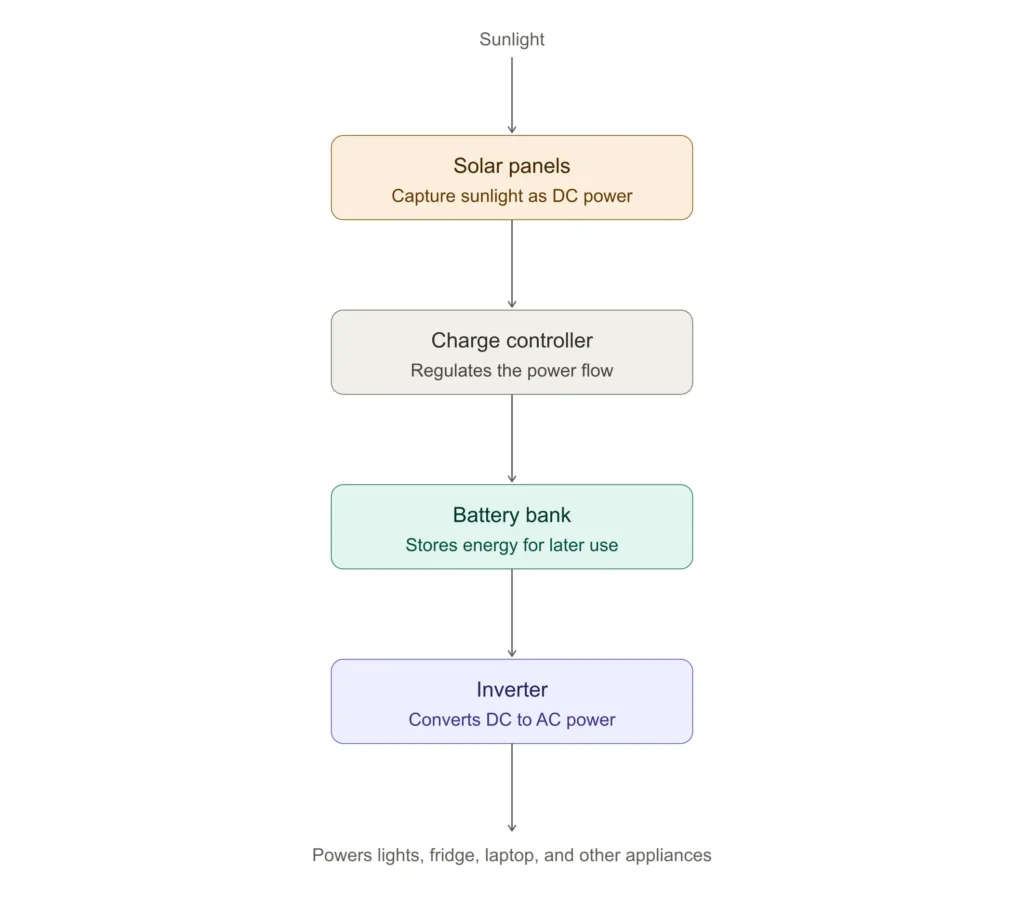
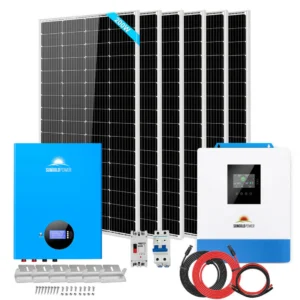
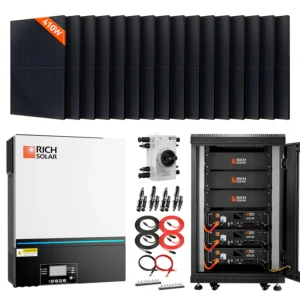
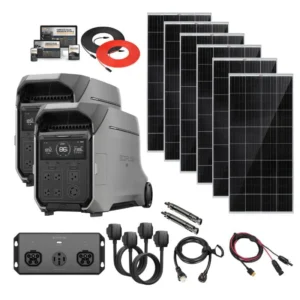
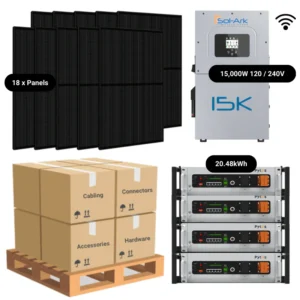
A typical off-grid solar panel kit bundles four core pieces:
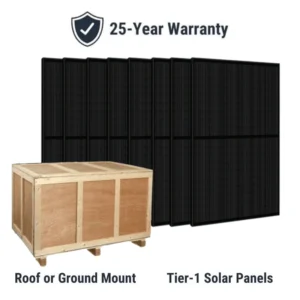
- Solar panels — the part that actually harvests sunlight
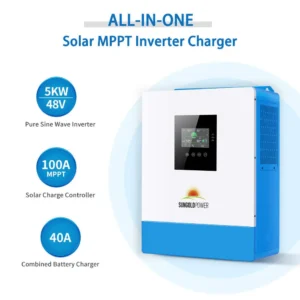
- A charge controller (usually MPPT) — the traffic cop that regulates power flow
- A battery bank — your energy piggy bank for nighttime and cloudy days
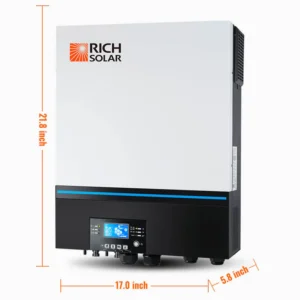
- An inverter — the translator that turns stored DC power into the AC power your appliances actually use
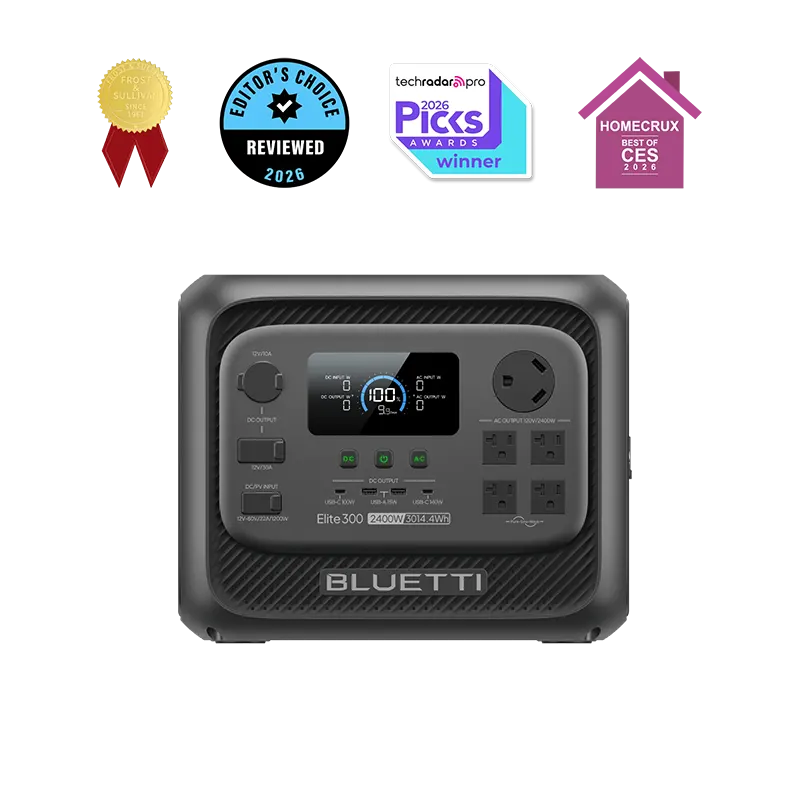
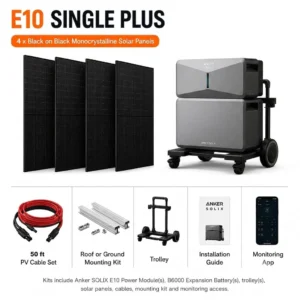
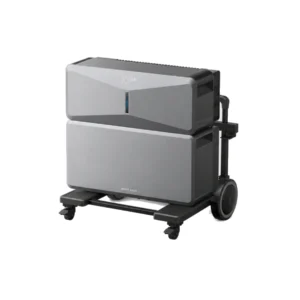
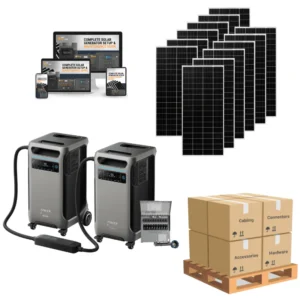
Some off-grid solar kits fold all of this into a single portable power station with a foldable panel. Others are traditional rooftop arrays with separate, pre-matched components wired together. Either way, the promise is the same: everything works together out of the box, no guesswork required.
Why People Are Ditching Grid Power in 2026
Energy independence isn’t a fringe idea anymore. Analysts now project that a meaningful share of American households will be living entirely off the grid within the next decade, and that shift is being driven by two things: rising utility costs and a hardening desire for resilience against an aging, storm-prone power grid. When the lights go out for your neighborhood, a solid off-grid solar system just keeps humming along.
There’s also a financial story here. Off-grid solar panel kit prices have dropped significantly over the past few years as battery chemistry improved and manufacturing scaled up. A complete 3kW off-grid kit that once cost close to $7,000 now often starts around $4,500, panels, lithium battery, inverter, and charge controller all included. That’s a real, measurable shift — not marketing spin.
How an Off-Grid Solar Panel Kit Actually Works
Picture your kit as a tiny, self-sufficient power plant. Sunlight hits the panels and gets converted into DC electricity. The charge controller steps in like a strict but fair referee, making sure your battery gets charged efficiently without being overcharged or damaged.
That battery — usually lithium iron phosphate these days — stores the juice until you need it. When you flip a switch or plug in your coffee maker, the inverter converts that stored DC power into usable AC power.
It’s genuinely that simple in concept, even though the engineering underneath is pretty sophisticated. You don’t need to understand every wiring diagram to benefit from a well-designed off-grid solar power kit — you just need to pick the right size.
Off-Grid Solar Panel Kits vs. Grid-Tied Systems: What’s the Difference?
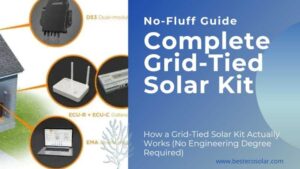
This trips people up constantly, so let’s clear it up. A grid-tied solar system stays connected to the utility grid and often can’t function during a blackout unless it’s paired with battery backup. An off-grid solar panel kit, on the other hand, is built to operate completely independent of the grid — no connection, no dependency, no monthly bill tied to it.
If your goal is genuine energy independence, or you’re setting up somewhere the grid simply doesn’t reach (a remote cabin, a boondocking van, a hunting property), an off-grid solar kit is the only real option. Grid-tied systems are for people who want to shrink their utility bill while staying plugged in as a backup.
Sizing Your Off-Grid Solar Panel Kit the Right Way
Here’s where a lot of people get burned — they buy a kit based on price instead of need, then discover it can’t run their fridge and their laptop at the same time. Don’t do that.
Start by adding up your daily energy use in watt-hours. A full-time van dweller typically needs somewhere around 720–1,200Wh a day, which usually points toward an 800W-class off-grid solar kit. A small cabin running lights, a laptop, and phone charging might get by on a 200W starter kit generating roughly 0.7–1 kWh daily.
A whole small off-grid home juggling a fridge, well pump, and occasional power tools needs a much bigger complete off-grid solar system — often in the 3kW-plus range.
The rule of thumb: underestimating your loads is the single most common (and most frustrating) mistake buyers make with any off-grid solar panel kit.
Battery Chemistry: The Detail That Makes or Breaks Your Kit
Not all batteries inside an off-grid solar panel kit are created equal, and this is one spec you genuinely shouldn’t skip. LiFePO4 (lithium iron phosphate) batteries deliver somewhere between 2,000 and 4,000 charge cycles at 80% depth of discharge. Older AGM lead-acid batteries typically manage just 300–500 cycles before performance drops off a cliff.
Over five years of regular use, that gap is enormous — it’s the difference between replacing your battery once a decade or once every summer. As a quick gut check: any off-grid solar kit priced suspiciously low, especially under $700 for a meaningful capacity, is almost certainly running on AGM chemistry. Budget accordingly.
The Rise of All-in-One Off-Grid Solar Kits
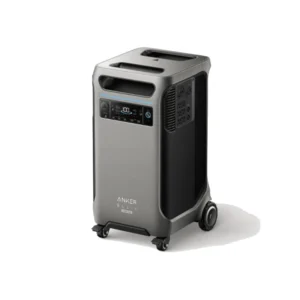
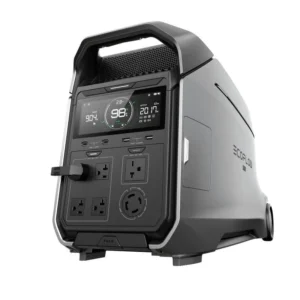
A few years ago, “off-grid solar system” meant a weekend of wiring, lead-acid fumes, and a diagram taped to your garage wall. That complexity has largely been engineered away. All-in-one portable power stations now pack a battery, inverter, and charge controller into a single unit you charge from a folding panel — no wiring required at all.
These all-in-one off-grid solar panel kits are especially appealing for beginners or anyone who wants power now, not after a weekend project. You unfold the panel, plug it in, and you’re generating electricity within minutes.
DIY Off-Grid Solar Kits: Worth the Effort?
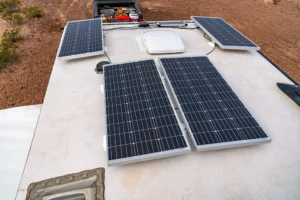 If you enjoy tinkering, a DIY off-grid solar kit can absolutely be worth it — and often costs less than a fully assembled unit. A DIY solar kit for an RV, shed, or small off-grid setup is a genuinely reasonable weekend project.
Where DIY stops making sense is a whole-home, code-compliant, grid-tied installation — that territory involves permits, utility interconnection agreements, and inspections that really do call for a certified professional.
One quick heads-up if you’re comparing kits partly on cost savings: the 30% federal Residential Clean Energy Credit for solar expenditures ended after December 31, 2025. So in 2026, that particular incentive isn’t part of the math anymore — DIY or professionally installed.
Portability Matters More Than You’d Think
Not every off-grid solar panel kit needs to live permanently on a roof. Portable off-grid solar kits — the foldable-panel-plus-power-station type — have exploded in popularity for van life, overlanding, and emergency preparedness. The 600W–1,200W range is currently the most competitive segment on the market, largely thanks to demand from full-time travelers who need a genuinely reliable, grid-independent power kit that fits in a truck bed or under a bunk.
If you’re weighing portability against raw capacity, ask yourself honestly: are you powering a stationary structure, or does your setup need to move with you? That single question eliminates half the kits on the market immediately.
Off-Grid Solar Panel Kit Comparison Table
| Kit Type | Typical Wattage | Battery Chemistry | Daily Output (approx.) | Best For | Starting Price Range |
|---|---|---|---|---|---|
| Compact starter kit | 100–200W | LiFePO4 or AGM | 0.4–1 kWh | Shed, small cabin, basic RV loads | $180–$350 |
| Portable/foldable kit | 400–800W | LiFePO4 | 1–3 kWh | Van life, camping, weekend cabins | $900–$2,200 |
| Mid-size off-grid solar system | 800–1,200W | LiFePO4 | 3–5 kWh | Full-time van dwellers, small tiny homes | $2,200–$4,000 |
| Complete off-grid solar kit | 3,000W+ | LiFePO4 | 8–12 kWh | Off-grid cabins, small homes | $4,500–$9,000 |
| Whole-property array | 5,000W+ | LiFePO4 | 15+ kWh | Full off-grid homesteads, workshops | $9,000+ |
Numbers vary by manufacturer, region, and current promotions — but this gives you a realistic starting frame for shopping any off-grid solar panel kit.
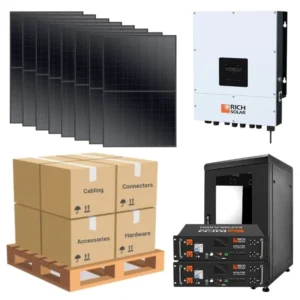
Complete Off-Grid Solar System Package Supplier
| Name | Price Range | Discount |
|---|---|---|
| Sun Gold Power | $5,774 – $31,853.00 | 👉 Get Special Offers |
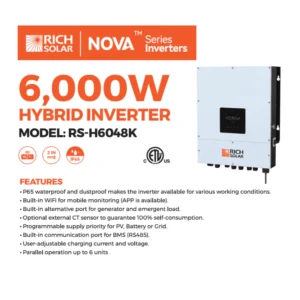
| Rich Solar | $7,999 – $25,999.9 | 👉 Get Special Offers |
| ShopSolarKits | $2,539 – $149,989.99 | 👉 Get Special Offers |
Common Mistakes Buyers Make With Off-Grid Solar Kits
Let’s be honest about the pitfalls, because nobody else will tell you this part:
- Buying based on sticker price alone — a cheap off-grid solar kit with an AGM battery will cost you more in replacements over five years.
- Ignoring cold-weather performance — some kits lose significant efficiency in freezing temperatures; check the spec sheet, not just the marketing photos.
- Underestimating expandability needs — a kit that can’t add battery capacity later boxes you into your day-one decision forever.
- Skipping the charge controller spec — a PWM controller is fine for tiny setups, but MPPT controllers squeeze more power from the same panels.
- Forgetting mounting hardware and cable length — an off-grid solar panel kit that’s “complete” on paper can still leave you short 15 feet of cable on install day.
Maintenance: What Owning an Off-Grid Solar Kit Actually Looks Like
Good news — this isn’t a high-maintenance relationship. Wipe panels down a few times a year to clear dust and debris (rain handles most of it). Check cable connections annually for corrosion, especially in coastal or humid climates.
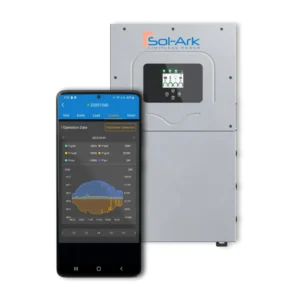
Monitor battery health through your kit’s app or display; most modern lithium off-grid solar kits self-report cycle count and capacity degradation. That’s genuinely most of it. Compare that to the upkeep on a gas generator — oil changes, fuel stabilizer, carburetor cleaning — and solar starts looking like the low-effort option it actually is.
Expandability: Planning for Future Power Needs
A smart off-grid solar panel kit isn’t just about today’s needs; it’s about where you’ll be in two or three years. Look for systems built around modular battery expansion, so you can bolt on more storage without replacing the whole unit. The same logic applies to panels — a kit with room for additional solar input protects you from outgrowing your own setup the moment you add a second freezer or a well pump.
Climate and Location: Does Your Off-Grid Solar Kit Match Your Environment?
A kit that thrives in Arizona sunshine might underperform in the Pacific Northwest’s cloud cover. Before buying any off-grid solar panel kit, factor in your region’s average sun hours, seasonal variation, and temperature extremes. Cold-climate buyers especially should check for kits engineered with reliable cold-start battery performance — some systems genuinely struggle below freezing without that feature built in.
Final Thoughts on Choosing an Off-Grid Solar Panel Kit
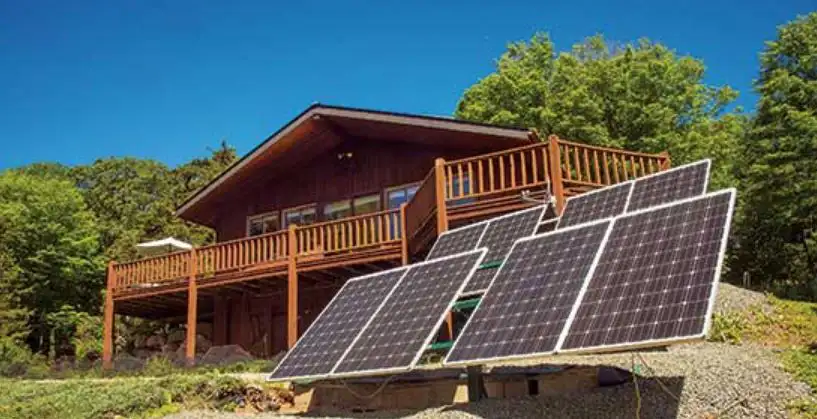
At the end of the day, an off-grid solar panel kit is really an investment in control — control over your power, your budget, and your ability to keep the lights on when the grid can’t. There’s no single “best” kit for everyone; the right off-grid solar system is simply the one that’s honestly sized to your actual daily energy use, built with a battery chemistry that won’t quit on you in three years, and flexible enough to grow alongside your needs.
Start with your loads, not your budget. Get the battery chemistry right. Leave room to expand. Do that, and any off-grid solar panel kit you choose will earn its keep for years to come.
FAQs About Off-Grid Solar Panel Kits
Prices range widely by size. A small starter kit can run under $350, while a complete 3kW off-grid solar kit for a cabin typically starts around $4,500. Whole-property arrays can exceed $9,000.
Yes, with the right sizing. A whole-home off-grid solar system needs significantly more capacity than a cabin or RV kit, typically 5kW or more with substantial battery storage, but it's absolutely achievable with today's technology.
An off-grid solar panel kit runs completely independent of the utility grid, while a grid-tied system stays connected and often can't operate during outages without added battery backup.
LiFePO4 batteries, now standard in most quality off-grid solar kits, deliver 2,000–4,000 charge cycles, translating to roughly 8–10+ years of regular use. Older AGM batteries last considerably less, often just 2–3 years under regular cycling.
For RVs, sheds, cabins, and small setups, yes — DIY off-grid solar kits can save money and are a manageable weekend project. For whole-home, code-compliant installations, a professionally matched complete off-grid solar kit or certified installer is the safer route.
You Might Also Like
World’s Most Authoritative Sources:
- National Renewable Energy Laboratory. “PVWatts Calculator.” U.S. Department of Energy, pvwatts.nrel.gov.
- U.S. Department of Energy. “Homeowner’s Guide to Going Solar.” Office of Energy Efficiency and Renewable Energy, energy.gov/eere/solar/homeowners-guide-going-solar.
- National Fire Protection Association. NFPA 70: National Electrical Code (NEC), 2023 Edition. National Fire Protection Association, 2022.
- Dunlop, James P. Photovoltaic Systems. 4th ed., American Technical Publishers, 2020.
- Boxwell, Michael. Solar Electricity Handbook: A Simple, Practical Guide to Solar Energy. 2024 ed., Greenstream Publishing, 2024.
- Knier, Gil. “How Do Photovoltaics Work?” NASA Science, science.nasa.gov/science-news/science-at-nasa/2002/solarcells.
- Database of State Incentives for Renewables & Efficiency (DSIRE). “Federal Tax Credit for Solar Photovoltaics.” NC Clean Energy Technology Center, dsireusa.org.
- Messenger, Roger A., and Jerry Ventre. Photovoltaic Systems Engineering. 4th ed., CRC Press, 2020.