


Hybrid Solar Power Kits: The Complete 2026 Buyer’s Guide to Going Grid-Tied and Storm-Proof at Once
In this guide, I’ll walk through what a hybrid solar power kit actually is, why it’s blowing up in popularity, and how to pick a kit that won’t leave you undersized when a heat wave (or a hurricane) hits. Let’s get into it.
What Exactly Are Hybrid Solar Power Kits?
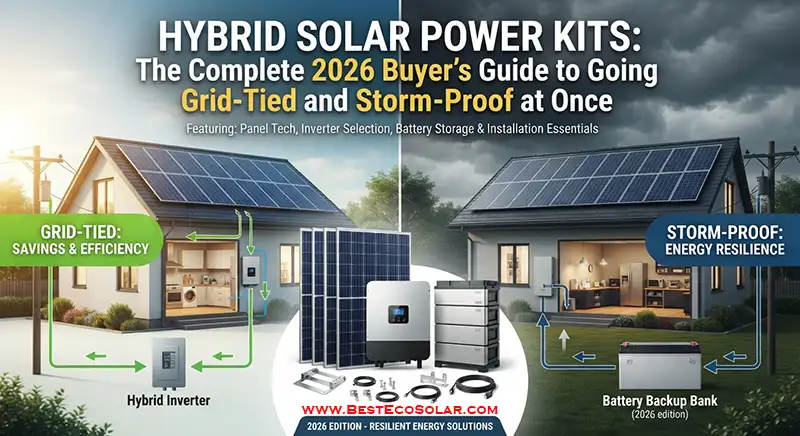
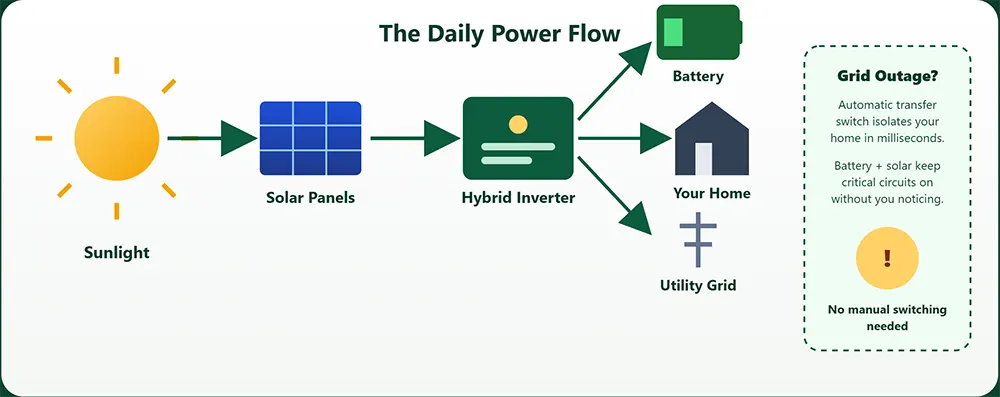
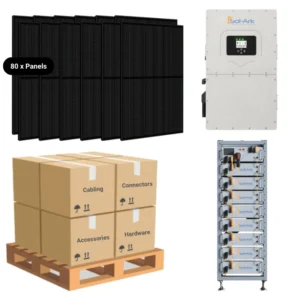
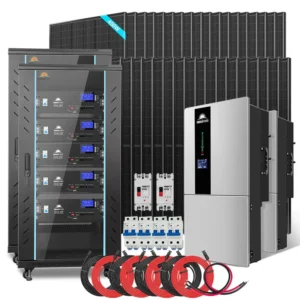
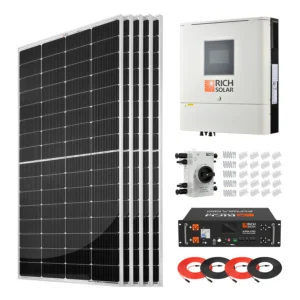
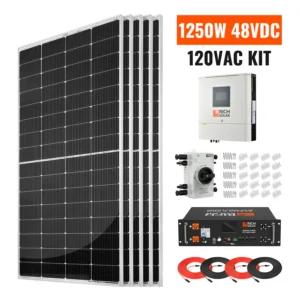
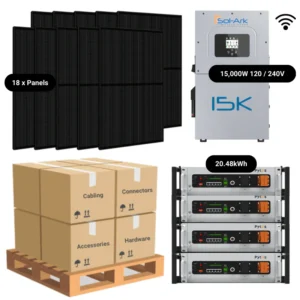
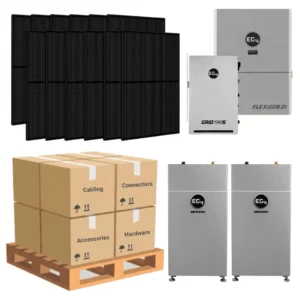
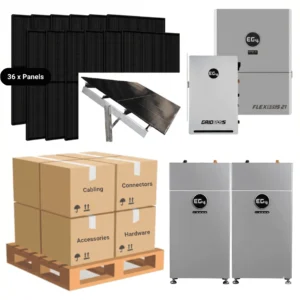
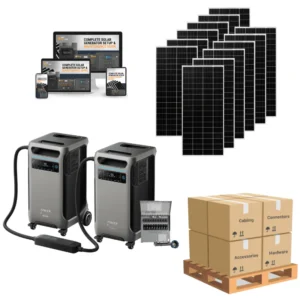
At the core, hybrid solar power kits bundle three things: solar panels, a hybrid inverter, and a battery bank. The hybrid inverter is the brain of the operation; it juggles power from the sun, power from the grid, and power from your battery, deciding in real time which source to draw from. That’s the “hybrid” part. You’re not choosing between grid-tied or off-grid; you get both, wired into one smart system.
Picture a Swiss Army knife. A basic grid-tie kit is just the main blade, good at one job. An off-grid kit is the whole toolkit, but you’re stuck carrying it everywhere with no backup. A hybrid solar power kit is the multitool that flips open whichever piece the moment calls for.
Why Everyone’s Suddenly Talking About Hybrid Solar Power Kits
A few things collided at once this year. Utility rates keep climbing, storm-driven outages are getting longer, and lithium battery prices have finally dropped enough that adding storage doesn’t feel like a luxury tax anymore. Add in a federal tax credit that still applies to combined solar-plus-battery installations, and the math on hybrid solar power kits starts looking a lot better than it did even two years ago.
There’s also a psychological piece here that’s easy to overlook. People don’t just want lower bills; they want to stop feeling powerless (pun very much intended) when the grid hiccups. A hybrid setup gives you that peace of mind without asking you to cut the cord entirely.
How Hybrid Solar Power Kits Actually Work Day to Day
Here’s the simplest way to picture it: during the day, your panels generate more power than your house needs, so the hybrid inverter routes the surplus into your battery. Once the battery’s topped off, any extra gets exported to the grid (assuming your utility offers net metering). At night, or when clouds roll in, the inverter pulls from the battery first, then falls back to the grid only if the battery runs dry.
If the grid goes down entirely, most hybrid solar kits use an automatic transfer switch that isolates your home from the grid in milliseconds and keeps critical circuits, fridges, well pumps, medical equipment, and modems running off battery and solar. You genuinely might not notice the blip.
Core Components Inside Every Hybrid Solar Power Kit
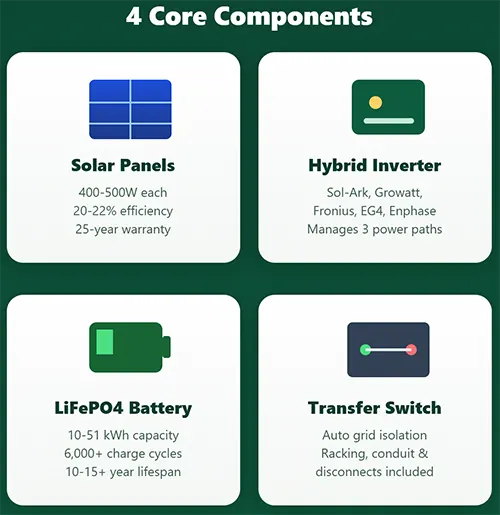
1. Solar Panels
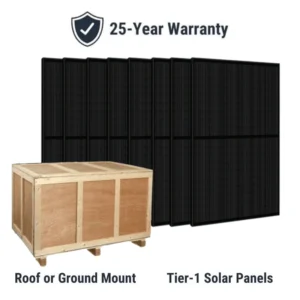
Most current hybrid solar power kits ship with monocrystalline panels rated somewhere between 400 and 500 watts each, converting sunlight at roughly 20-22% efficiency. These typically carry 25-year performance warranties, so this isn’t a five-year gadget; it’s a quarter-century commitment.
2. The Hybrid Inverter
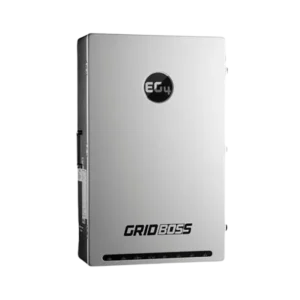
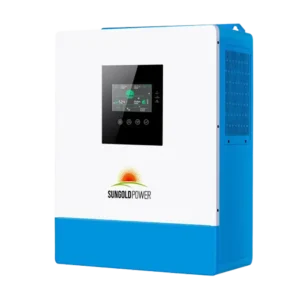
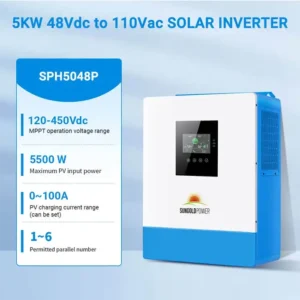
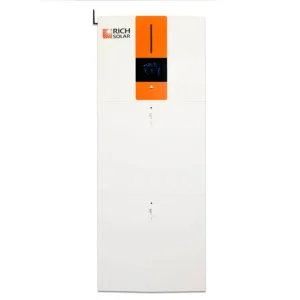
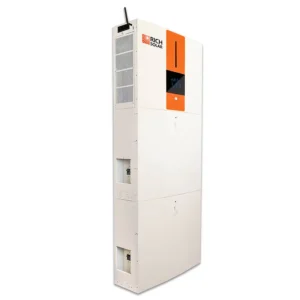
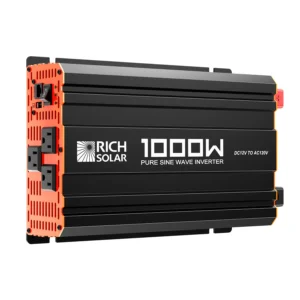
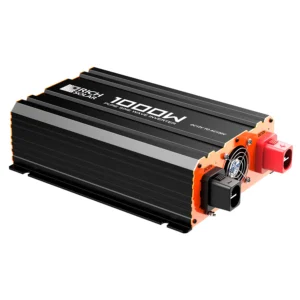
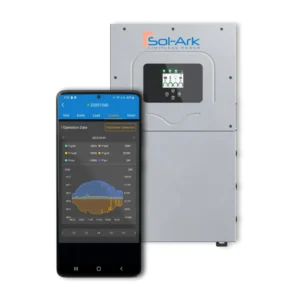
This is the piece that separates a hybrid kit from a plain grid-tie kit. Brands like Sol-Ark, Growatt, Fronius, and EG4 dominate this space right now because their inverters handle the constant back-and-forth between solar, battery, and grid without any manual switching.

3. Battery Storage
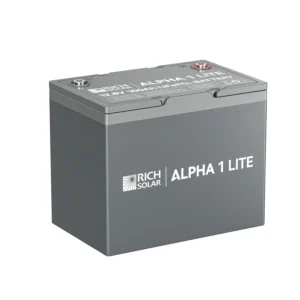
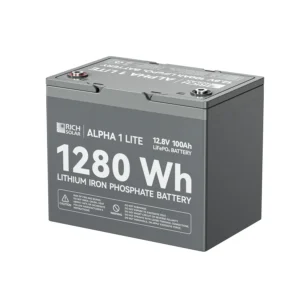
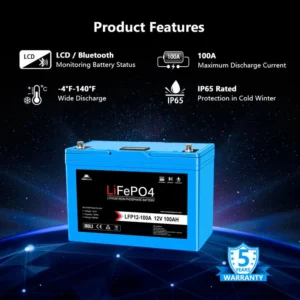
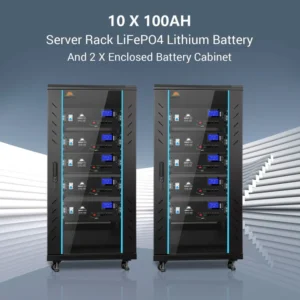
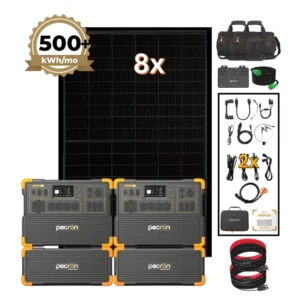
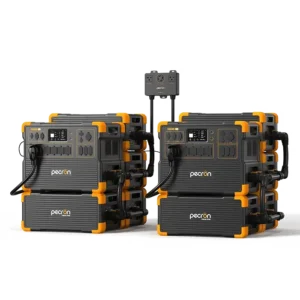
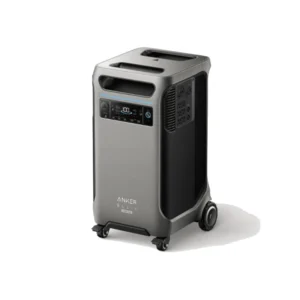
Lithium iron phosphate (LiFePO₄) has basically won the chemistry war for home batteries: it has a safer thermal profile and longer cycle life, and it doesn’t degrade nearly as fast as older lead-acid setups. Capacities in popular kits range anywhere from 10 kWh up to 51 kWh depending on how much of your home you want backed up.
4. Mounting Hardware and Balance-of-System Parts
Racking, conduit, disconnects, and the automatic transfer switch round out the kit. It’s easy to overlook these, but a poorly rated transfer switch is the kind of thing that turns a $20,000 investment into a support ticket.
Grid-Tied vs. Off-Grid vs. Hybrid Solar Power Kits: What’s the Real Difference?
This is where a lot of first-time buyers get tripped up, so let’s lay it out side by side.
| Feature | Grid-Tie Kit | Off-Grid Kit | Hybrid Solar Power Kit |
|---|---|---|---|
| Battery included | No | Yes (large) | Yes (right-sized) |
| Works during blackout | No, it shuts off for safety. | Yes, always. | Yes, via automatic transfer. |
| Net metering/bill credits | Yes. | No | Yes. |
| Upfront cost | Lowest | Highest | Middle |
| Best for | Sunny areas, no outage concerns | Remote land, no utility access | Homes wanting savings + backup |
| Expandability | Limited | Fixed at install | Battery-ready, add later |
Looking at that table, it’s pretty clear why hybrid solar power kits have become the default recommendation for most homeowners: you’re not overpaying for off-grid-scale battery capacity, but you’re also not left in the dark during a storm.
Complete Off-Grid Solar System Package Supplier
| Name | Price Range | Discount |
|---|---|---|
| Sun Gold Power | $5,774 – $31,853.00 | 👉 Get Special Offers |
| Rich Solar | $7,999 – $21,599.99 | 👉 Get Special Offers |
| ShopSolarKits | $2,539 – $149,989.99 | 👉 Get Special Offers |
Sizing a Hybrid Solar Power Kit for Your Home
Here’s a rough gut check before you buy: take your average monthly kWh usage from your utility bill and divide by 30 to get daily usage. A typical U.S. home burns through around 28-30 kWh a day. If you want full backup, you’ll want a battery bank that covers at least a full evening-to-morning stretch, often 10-16 kWh for partial-home backup, or 20+ kWh if you’re running central AC or well pumps off the battery too.
Don’t just eyeball this. A kit that’s undersized on inverter output will trip breakers the moment your AC and dryer kick on simultaneously, and that’s a frustrating way to find out you cut corners.
Battery Capacity Tiers Compared
| Battery Size | Typical Backup Use | Good Fit For |
|---|---|---|
| 10-16 kWh | Fridge, lights, WiFi, a few outlets | Apartments, small homes, essential-circuits-only |
| 20-30 kWh | Partial home + some HVAC cycling | Mid-size homes wanting real comfort during outages |
| 40-51+ kWh | Whole-home, including AC and well pump | Larger homes, frequent long outages, storm-prone regions |
-
-
Battery, Power Station, smart devices
Original price was: $2,599.00.$2,099.00Current price is: $2,099.00. Buy Now

Installation: DIY-Friendly or Pro-Only?
Plenty of hybrid solar power kits are marketed as “permit-ready” or “DIY solar kits,” and the panel-and-racking portion genuinely is approachable for a handy homeowner with a weekend to spare. The electrical tie-in, though, connecting the hybrid inverter to your main panel and the automatic transfer switch, usually needs a licensed electrician, both for safety and because most utilities require a permitted inspection before they’ll approve net metering.
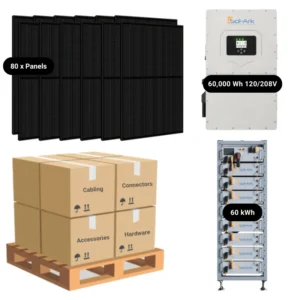
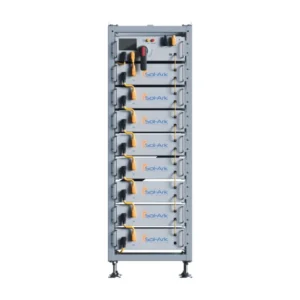
A good middle path: install the mechanical components yourself to save on labor, then bring in an electrician just for the final hookup and inspection sign-off.
Federal Tax Credit and Cost Considerations
As of now, the 30% federal residential clean energy credit still applies to both the solar panel portion and the battery storage portion of a qualifying hybrid solar power kit, which can shave several thousand dollars off a typical residential install.
Combined with state-level incentives in many regions, the effective price of a hybrid solar power kit often lands well below the sticker total. Payback periods for most hybrid systems currently fall somewhere in the 6-10 year range, depending on local electricity rates and how much sun your roof actually sees.
Rules and credit amounts do shift, so it’s worth double-checking current figures with a tax professional or your installer before you budget; don’t take a blog post’s word as gospel on this one.
Choosing the Right Inverter Brand for Your Hybrid Solar Power Kit
Not all hybrid inverters are created equal. Sol-Ark and EG4 are popular for whole-home systems needing higher split-phase output. Growatt and Fronius tend to show up in mid-size residential kits. Enphase’s microinverter-based hybrid approach appeals to people who want panel-level monitoring and easier troubleshooting if one panel underperforms. None of these is objectively “the best”; it really comes down to your home’s electrical setup and how much output you need.
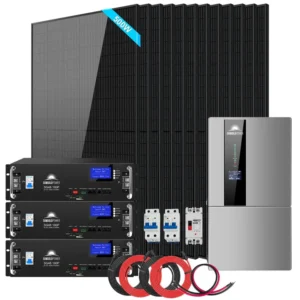
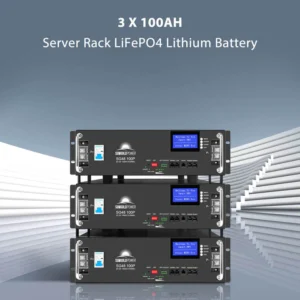
Common Mistakes People Make When Buying Hybrid Solar Power Kits
- Undersizing the battery because the sticker price looked better, then regretting it during the first real outage.
- Skipping the permit and inspection step to save time, which can void warranties and complicate future net metering approval.
- Assuming “hybrid-ready” means the same thing as “hybrid,” some kits are sold battery-ready but ship without any battery at all.
- Ignoring shading and roof orientation, which can tank a system’s real-world output well below its rated wattage.
- Forgetting to ask about expandability, boxing themselves into a system they can’t grow later.
Expandability: Buying for Where You’ll Be in Five Years
One underrated advantage of hybrid solar power kits is that most are designed to scale. You can often start with a smaller battery bank and add more capacity later without replacing the inverter, as long as you bought a system with headroom in the first place. If you’re on the fence about battery size, lean toward the inverter that supports more future capacity even if you start smaller on the battery itself.

Maintenance: What Ongoing Care Actually Looks Like
Hybrid solar power kits are low-maintenance compared to most home systems, but they’re not zero-maintenance. Panels benefit from an occasional rinse to clear dust and pollen. Batteries should be monitored through the inverter’s app for cell balance and firmware updates. Most systems will flag issues automatically, but a quick annual visual inspection of connections and mounting hardware is smart, cheap insurance.
How We Evaluated Hybrid Solar Power Kits for This Guide
We compared publicly listed specs across current market-leading hybrid solar kits, cross-referenced component pricing (panels, inverters, batteries) against typical bundle discounts, reviewed manufacturer warranty terms, and checked current federal incentive guidance. We also looked at what top-ranking pages for this exact keyword were doing structurally and content-wise to understand what search intent actually looks like for shoppers today.

Final Verdict on Hybrid Solar Power Kits
If you want the honest, no-fluff answer: Hybrid solar power kits are the smartest default choice for most homeowners in 2026. You get the bill savings of a grid-tied system with the peace of mind of a battery backup, without paying for off-grid-scale capacity you’ll never use. The catch is sizing it correctly and not skimping on the inverter or the transfer switch; those two components determine whether your “backup power” actually shows up when you need it.
Solar is one of those purchases where getting the mid-range details right matters more than chasing the flashiest spec sheet. Do the homework on your daily kWh usage, pick a battery tier that matches your real backup needs, and get a licensed electrician involved for the interconnection. Do that, and a hybrid solar power kit will quietly do its job for the next 25 years, which, frankly, is the whole point.
FAQs About Hybrid Solar Power Kits
A hybrid solar power kit is a permanent, whole-home installation tied into your electrical panel and the utility grid, while a solar generator is a portable, standalone battery unit you charge separately. The kit is built for continuous home power; the generator is built for portability and emergency spot use.
Technically, some "hybrid-ready" kits can run in grid-tie-only mode with no battery connected, but you lose the outage backup benefit entirely, which defeats the main reason most people choose a hybrid system over a plain grid-tie kit.
Most LiFePO₄ batteries used in current hybrid solar power kits are rated for 6,000 or more charge cycles, which generally translates to 10-15+ years of daily use before capacity noticeably declines.
You can typically handle panel mounting and racking yourself, but the inverter-to-panel electrical connection and automatic transfer switch installation almost always require a licensed electrician for safety and to satisfy utility interconnection requirements.
A rough starting point is to check your average daily kWh usage from a recent utility bill and match it against a battery tier that covers the circuits you want backed up — small households often do fine with 10-16 kWh, while larger homes running AC and well pumps typically need 30 kWh or more.
You Might Also Like